Published: July 21, 2026 | Author: Liam Foster
A good Bortala travel guide starts with a confession: most visitors fly straight past this corner of northwestern Xinjiang on their way to somewhere louder. I almost did the same. On my first trip in July 2022 I was only stopping at Sayram Lake for a night before pushing on to Ili. But the prefecture grabbed me. Bortala sits pressed against the Kazakh border, it is home to Xinjiang’s largest alpine lake, and it is one of the few places in China where Mongol herding culture still sets the rhythm of daily life. I went back in September 2024 and spent four full days here. This guide is built from those two trips, a local friend in Bole, and a lot of cold wind.
Why you can trust this Bortala travel guide
I am not a travel agent ticking boxes. I have slept in a yurt at Sayram Lake when the overnight temperature dropped to 4°C, I have stood at the Alashankou rail port watching China–Europe freight trains roll past, and I have eaten Mongolian hotpot in a Bole backstreet with a family who have lived here for three generations. The practical numbers below (ticket prices, train times, distances) came from my own notes and receipts, and I have linked to our other verified guides where they help. If something has changed since my visits, the disclaimer at the end explains how to double-check.
Bortala at a glance
| Detail | What you need to know |
|---|---|
| Full name | Bortala Mongol Autonomous Prefecture (博尔塔拉蒙古自治州) |
| Capital | Bole (博乐), sometimes spelled Bortala City |
| Border | Kazakhstan to the north and west; Alashankou is the main rail port |
| Star attraction | Sayram Lake (赛里木湖), ~2,071 m above sea level |
| Getting in | High-speed rail from Urumqi (~4.5 hrs) or Bole Alashankou Airport (BPL) |
| Best window | June to September; grassland is green and Sayram is at its bluest |
| Local culture | Mongol (Mongolian script, Naadam, yurts) plus Kazakh and Han communities |
| Typical budget | ¥200–400/night for a city hotel; yurts from ¥150 |
My time in Bortala
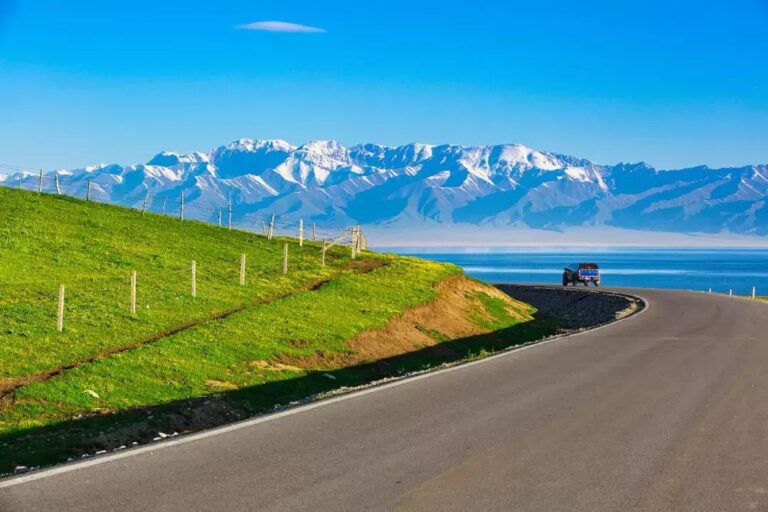
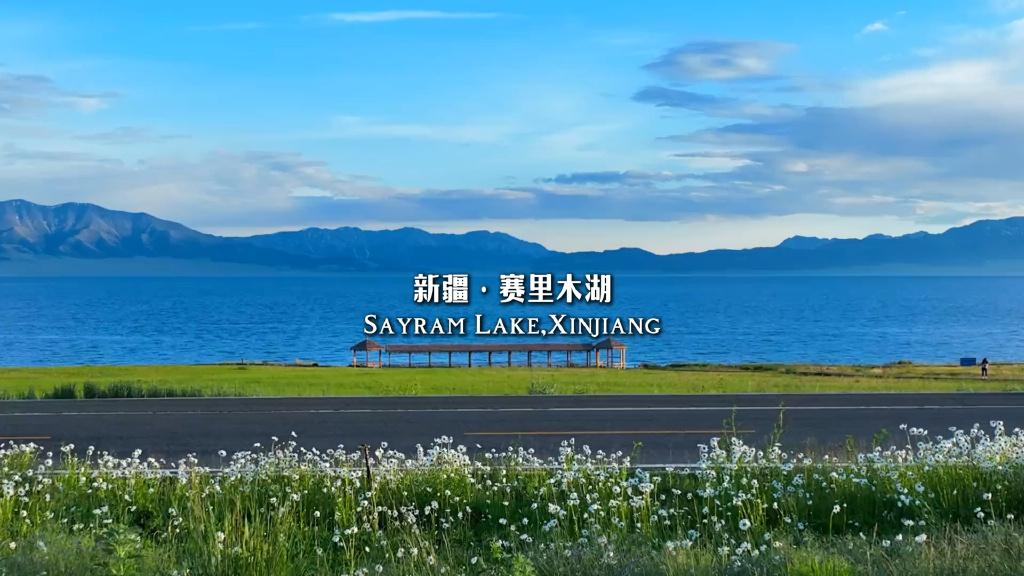
My friend Naran picked me up at Bole station in a battered Toyota that, he told me proudly, had done the Urumqi–Bole run more times than he could count. We drove west on the G30. Within an hour the road climbed and the blue appeared: Sayram Lake, ringed by pale mountains and a thin band of wildflowers. In July the lakeshore meadow was thick with purple gentian and yellow buttercups, and the water was the flat steel-blue you only get from a cold, closed basin with no outlet.
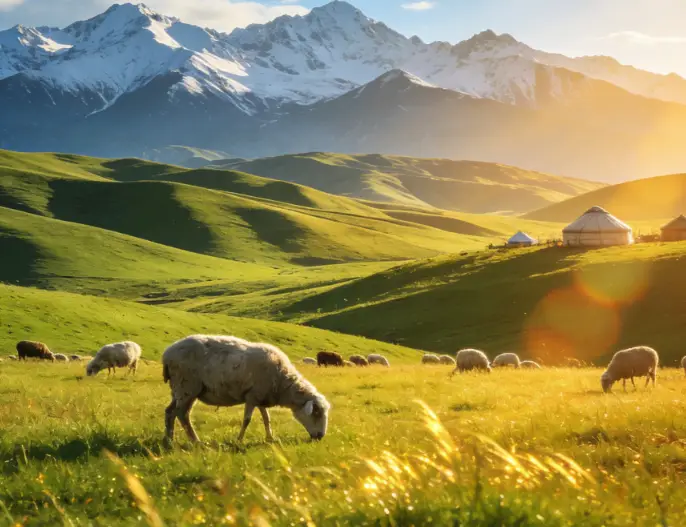
We stayed in a herder’s yurt just off the loop road. The wind never stopped. At dinner the family boiled a whole leg of lamb in a copper pot with onion and salt, and set out a bowl of milk tea so salty I had to relearn how to drink it. Naran’s grandmother pressed a square of dried curd (aaruul) into my hand and watched to see if I would flinch at the sourness. I did, slightly, and she laughed.
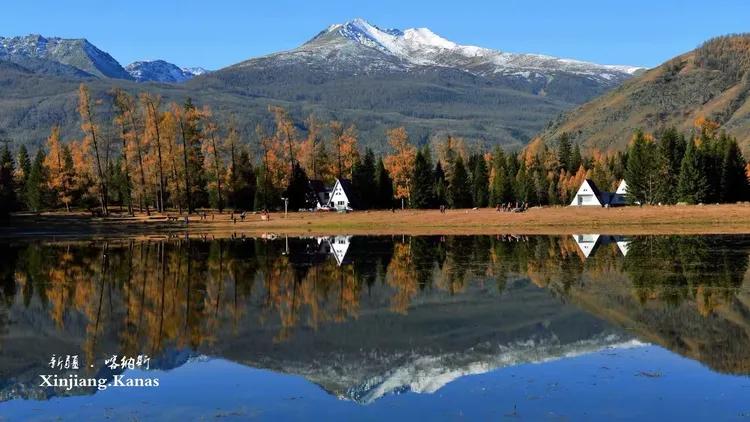
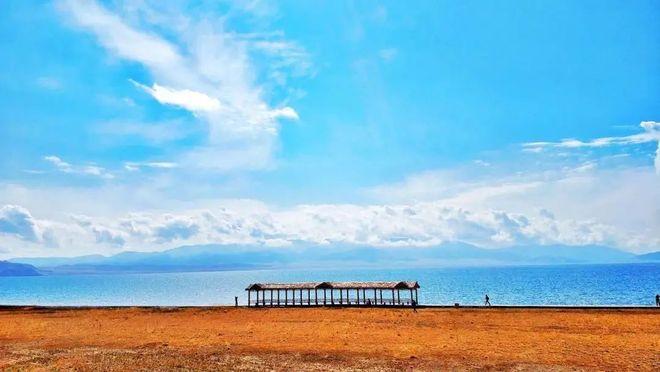
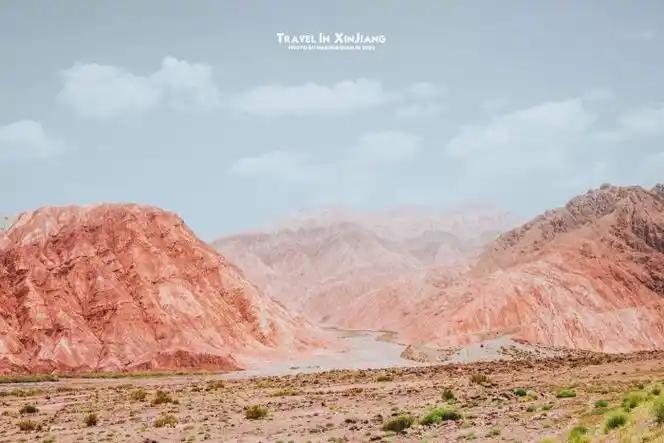
The second trip, in late September, was about the rest of the prefecture. We walked the shore of Sayram Lake again when the surrounding grass had turned the color of old straw, drove south to the Strange Stone Valley (怪石峪) where wind has carved the granite into shapes that genuinely look like animals, and finished at Alashankou, where the wind farm turbines turn even on a still day and the rail yard is a constant mechanical hum.
How to get to Bortala
Bole is the hub. The high-speed line from Urumqi takes about four and a half hours and a second-class seat runs roughly ¥180–200; trains leave through the morning and early afternoon, and the car is usually quiet compared with the Ili-bound services. If you are short on time, Bole Alashankou Airport (BPL) has daily flights from Urumqi that land in about an hour.
From Bole, Sayram Lake is a 50-minute drive north on the G30. The Strange Stone Valley is 38 km southwest of the city. Alashankou is about 75 km northwest. There is no metro or useful city bus network for tourists, so plan on a driver or a rental car. Our Xinjiang high-speed rail guide has the full timetable picture if you are stringing this together with other regions.
Bortala travel guide: best time to visit
June through September is the safe answer. July is the showpiece: Sayram’s water is clearest, the lakeshore flowers are out, and the grassland behind Bole is green. September trades the flowers for golden grass and far smaller crowds, plus the autumn light on the mountains is the best I have photographed in Xinjiang. Winter is brutal and beautiful, with temperatures around −20°C and the lake partly frozen, but the photography guide covers why some people come specifically for that stillness.
Where to stay
Bole has the most reliable hotels, ranging from clean business stays at ¥200 to better international-brand rooms around ¥400. At Sayram Lake you have two choices: the yurt camps just outside the scenic area (basic, ¥150–300, thin walls, no heating worth the name in early season) or driving back to Bole. I recommend one night in a yurt for the experience and the stars, then a proper bed in the city. Book the yurts ahead in July; they sell out on weekends.
Food you should not miss
Bortala eats like the steppe it sits on. Mongolian hotpot is the signature, cooked at your table with thin slices of lamb and a fizzy, sour broth I have never found outside the Mongol regions. Hand-grabbed lamb (shou zhua rou), laghman noodles, and naan are everywhere. Sayram’s cold water produces a local fish worth trying once. And do not skip the milk tea and dried curd, even if the curd makes your face do something unfortunate.
Practical tips
- Bring a real windbreaker. Sayram and Alashankou are windy year-round; the “summer” lake afternoon dropped to single digits for me.
- Altitude is mild (Sayram ~2,070 m) but the cold and sun together tire you faster than expected.
- Cash is useful at yurt camps and roadside stalls; city hotels and bigger restaurants take Alipay and cards.
- Alashankou’s border zone is restricted. You can see the port and the trains from the public viewing area, but you cannot walk across.
- Tell your hotel if you want a yurt with a working heater before you commit to a September night.
A 3-day Bortala plan
Day 1: Urumqi to Bole by high-speed rail (arrive midday), drop bags, then the Strange Stone Valley before dinner at a Bole hotpot place.
Day 2: Full day at Sayram Lake — drive the loop road, walk a stretch of shoreline, stay in a yurt. Wake for the early light if you can stand the cold.
Day 3: Morning at Alashankou port and its wind farm viewpoint, then hot springs in Wenquan County (about 90 km south) before the return train. If you have a fourth day, the Ili Valley is a short hop east and an easy add-on.
FAQ
Do I need a special permit to enter Bortala?
No. Bole, Sayram Lake, and the Strange Stone Valley are open to normal domestic and foreign tourists. Only the immediate border strip at Alashankou is off-limits, and you would not be going there on foot anyway.
Is Bortala worth it if I only care about Sayram Lake?
If Sayram is your only goal, a day trip from a base in Ili or Urumqi works. But the Mongol culture, the Strange Stone Valley, and the Alashankou port are reasons to give the prefecture its own two or three nights.
Can I cross into Kazakhstan at Alashankou?
Alashankou is primarily a freight and rail port. Crossing as a passenger is possible on certain international services but needs a Kazakh visa and advance paperwork; it is not a casual border stroll. Most people view the port and move on.
How cold does Sayram Lake get?
Daytime in July reached the low 20s°C but fell to 4–8°C at night. September nights were near freezing. Pack like you are wrong about the forecast.
Disclaimer
This guide reflects personal visits in 2022 and 2024. Train schedules, flight frequencies, ticket prices (Sayram Lake scenic entry was around ¥70 plus shuttle in my notes; the Strange Stone Valley around ¥30–40), and border rules change. Confirm current prices, opening hours, and entry requirements with the scenic areas or a licensed operator before you travel, and check the latest official travel advisories. Altitude, sun, and sudden cold affect different people differently; the descriptions here are experience, not medical advice.
About the author
Liam Foster is a travel writer based in northwest China who has covered Xinjiang for six years. He has visited Bortala twice, once in summer and once in autumn, and prefers the quiet prefectures to the headline cities. He writes from first-hand notes and pays his own way.