Published: July 20, 2026 | Author: Daniel K., Xinjiang Attractions editorial team
Why you can trust this Yining travel guide
When most visitors plan a Xinjiang trip, they fly into Urumqi and head north to Kanas or south to Kashgar. I took the opposite route. For this Yining travel guide I spent nine days in early June based in Yining (locals also call it Ghulja), the capital of the Ili Kazakh Autonomous Prefecture, and drove the valley with a friend named Aman whose family has farmed near the Ili River for three generations. Everything below comes from what we actually did — the lavender fields that don’t make the postcards, the mountain pass that closes at 7 p.m., the noodle stall that opens at 9 — plus figures checked against the Ili Prefecture tourism bureau and China Railway timetables. I’ve flagged where things change by season so you don’t show up to a locked gate.
Yining & Ili Valley at a glance
| Item | What you need to know |
|---|---|
| Where it is | Western Xinjiang, along the Ili River near the Kazakhstan border, about 700 km west of Urumqi by road |
| Best window | Late May–early July for lavender and apricot blossom; September for golden grasslands |
| Getting there | Fly to Yining Airport (YIN); or high-speed rail from Urumqi (roughly 10–11 hours, one transfer) |
| Languages | Mandarin, Uyghur, Kazakh; older residents often speak Russian too |
| Money | RMB only; Alipay and WeChat Pay cover nearly every shop and stall |
| Suggested stay | 3–4 days for the core valley; add days for Sayram Lake and the grasslands |
| Don’t miss | Huocheng lavender, Nalati grassland, Sayram Lake, Six Star Street in Yining itself |
What it actually felt like: nine days in the valley
We landed in Yining on a Tuesday and Aman met me at the airport in a battered blue Chery. The first thing that hit me wasn’t a sight — it was the air. After Urumqi’s dry heat, the Ili Valley smells green, like cut hay and river mud. Yining itself surprised me: rows of weathered wooden houses with carved eaves, some painted in faded Soviet blue, left over from when this was a Russian consulate town a century ago. On Six Star Street (Liuxingjie) I watched an old man tune a dutar on his doorstep while a girl sold cold lavender lemonade from a cart.
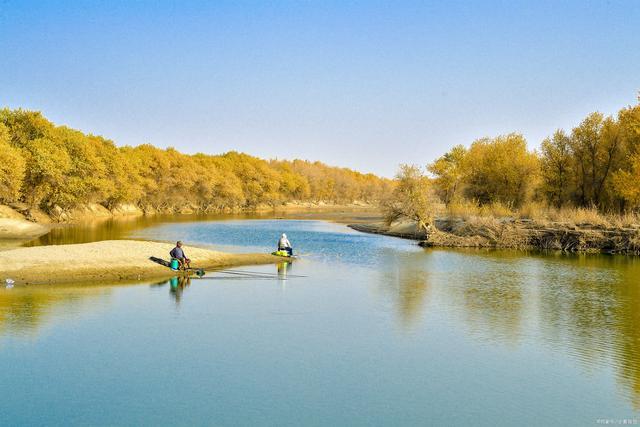
Evenings in Yining belong to the river. We walked the Ili’s raised embankment one night and found half the city doing the same — families with strollers, old men fishing with cane poles, kids on bicycles weaving past. Aman bought roasted sunflower seeds from a bicycle vendor and we stood watching the light turn copper over the water. It was the most unremarkable, perfect hour of the whole trip, and the one I’d tell anyone to protect in their schedule.
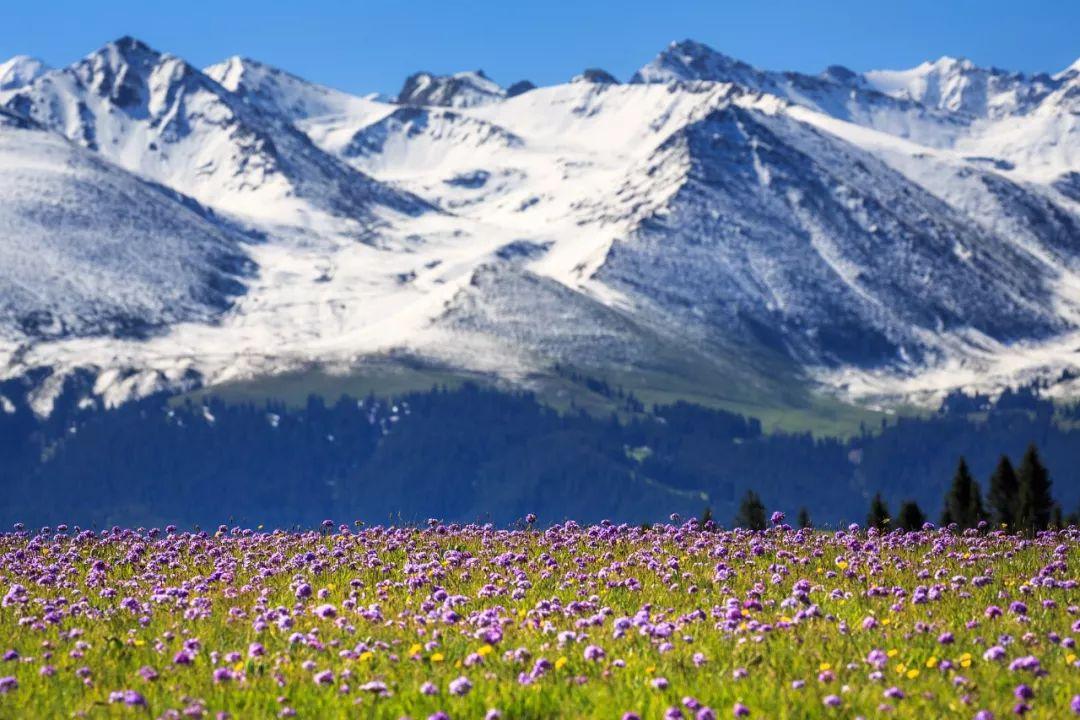
The next morning we drove west toward Huocheng. The lavender wasn’t a single field — it was a patchwork of family plots stretching toward the mountains, and the whole road carried that soapy, medicinal scent. Aman’s aunt runs one of the smaller farms, and she handed me a handful of buds to crush between my fingers. “Smell now, smell in winter,” she said. She wasn’t wrong; my jacket still carried it three days later.
Getting to Yining and moving around
Yining Airport has direct flights from Urumqi, Xi’an, and a handful of other cities, especially in summer. If you’re already in Xinjiang, the train is the calmer option — the high-speed rail reaches Yining via a transfer, and the final stretch threads through the Guozigou valley, a canyon of spruce and bridge decks that honestly beats the destination some days.
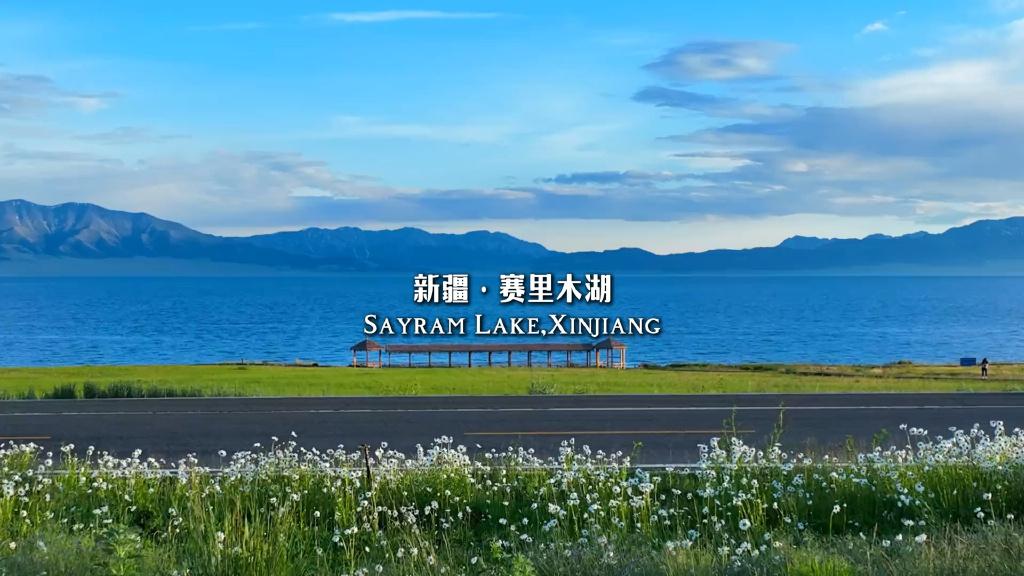
Once here, distances are the catch. The valley is big and spread out: Sayram Lake is 90 minutes west, Nalati is two hours east, and the good apricot blossom near Tuergen is further still. Renting a car with a driver cost us about 600–800 RMB a day in 2024, and it was worth it because many of the smaller roads have no signage in English and the police checkpoints ask for your passport. Buses exist but run on local time and stop early.
Best time to visit
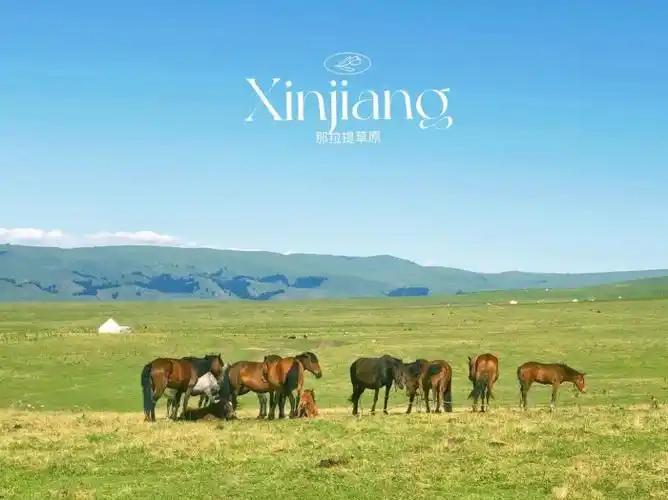
Late May to early July is the sweet spot. The Huocheng lavender peaks around mid-June, and the wild apricot forests (the Yili gax, as Aman’s family calls them) bloom for barely two weeks in early April — earlier than most travelers expect, because the valley sits in a warmer microclimate than the rest of Xinjiang. If you come in September, skip the flowers and go for the grasslands: the grass turns gold, the herders bring the flocks down, and the light on Nalati is the reason people call this the “Geneva of Asia.” Winter is quiet and very cold; some passes close with snow.
Where to stay
Yining has the widest choice: mid-range chain hotels near the People’s Square run 250–400 RMB a night and are an easy walk to the bazaar. I’d skip the generic towers and try one of the courtyard guesthouses around Six Star Street — smaller, quieter, and the breakfast alone (fresh naan, cream cheese, watermelon) is worth it. For the grasslands, Nalati and Tangbula have yurt camps and wooden lodges inside the scenic areas; book ahead in July because tour groups take them. Sayram Lake has a ring of cabins now, but they fill fast and the wind at night is no joke even in summer.
What to eat
Ili eats like a crossroads. In Yining’s bazaar I had laghman — hand-pulled noodles with a tomato-and-lamb sauce — at a stall that had been in the same spot for 30 years according to the owner. The Kazakh influence shows up in smoked horse meat (qazi) and kumis, fermented mare’s milk that tastes like sharp fizzy yogurt; try a small bowl before you commit to a litre. Huocheng leans into lavender: lavender honey, lavender ice cream, even lavender tea, which I’ll admit tasted more like a dare than a drink. For a proper sit-down meal, polo (Uyghur rice with carrot and lamb) is the safe, filling choice almost anywhere. At the night bazaar, don’t sleep on the grilled skewers (chuanr) and the cold garlic noodles — cheap, fast, and honestly better than the restaurants charging for the view. My rule became: eat where the locals queue, and in Yining that line forms early and clears late.
Practical tips that saved us
- Carry your passport. Checkpoints are routine on the valley roads, and a photocopy won’t do.
- Download offline maps. Signal drops hard once you leave Yining, especially toward the grasslands.
- Start early. Scenic areas open around 9 or 10 a.m. and the light is best before noon; afternoon winds pick up on the lake.
- Pack a layer. The valley can be 28°C at lunch and 12°C by the lake at night in June.
- Learn three words: rahmet (thanks), neqchik (how much), and obdan (good). They opened more doors than my phone translator.
A sample 4-day Yining & Ili Valley plan
Day 1 — Yining itself. Walk Six Star Street, the Russian-style quarter, and the riverside park. Dinner at the night bazaar.
Day 2 — Huocheng lavender + Sayram Lake. Drive west in the morning for the lavender, continue to Sayram Lake for the afternoon, sleep in a lakeside cabin or drive back.
Day 3 — Nalati grassland. Two hours east. Take the shuttle to the sky grassland, walk the wooden boardwalks, watch the Kazakh horse shows. Stay in a yurt if you can.
Day 4 — Slow morning, then out. One last naan breakfast, the Xinjiang photography guide we wrote has the exact golden-hour spots if you’re hauling a camera, then the airport or the train.
FAQ
Is Yining safe for foreign tourists? Yes. Like the rest of Xinjiang, expect ID checks at hotels and on some roads, but the city and valley are calm and tourist-friendly. Keep your passport on you.
Do I need a permit? Yining and the main valley sights (Huocheng, Nalati, Sayram) don’t require a special border permit. Only the southern Pamir routes toward Tashkurgan do.
How many days do I really need? Three full days covers Yining plus one side trip. Four gives you both the lake and a grassland night without rushing.
Can I visit the lavender for free? Many roadside plots are free to walk; the formal Huocheng Lavender Festival grounds charge a small ticket in June. Either way, buying a jar of honey from a family farm supports the people who actually grow it.
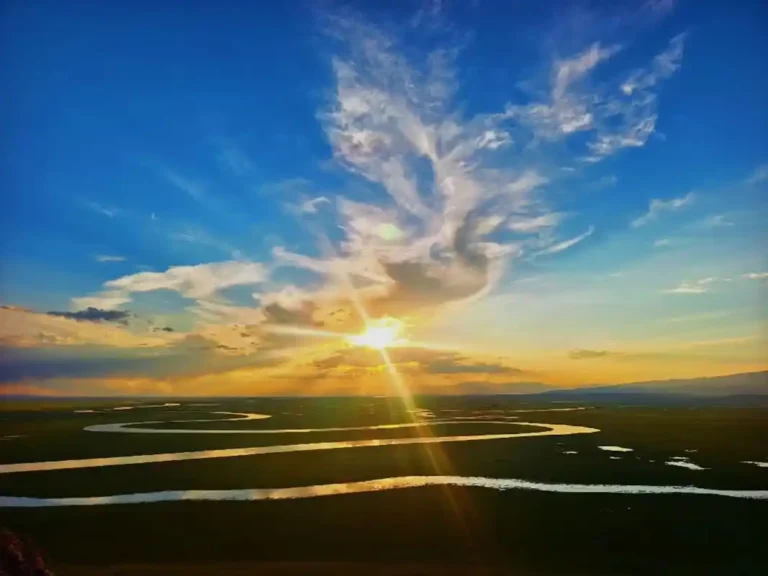
Is it worth combining with Bayanbulak? If you have a fifth or sixth day, yes — Bayanbulak’s swan lake and nine-turn river are two hours south and a different kind of wide-open.
Disclaimer
This guide reflects one research trip in June 2024 and was updated against public tourism and rail information available in July 2026. Prices, flight schedules, festival dates, and opening hours change — sometimes with little notice — so confirm the specifics with your hotel or the official Ili tourism channels before you travel. We are not a booking agent and earn nothing from the farms, hotels, or restaurants mentioned. Travel conditions in border regions can shift; check current advisories for your nationality before departure.
About the author
Daniel K. is a travel writer on the Xinjiang Attractions team who has covered the region’s Silk Road cities, grasslands, and mountain roads since 2019. For the Ili Valley he traveled independently with a local host family and verified all practical details on the ground. He can be reached through the editorial desk for corrections or updates to this Yining travel guide.