Published: July 20, 2026 | Author: Liam Foster
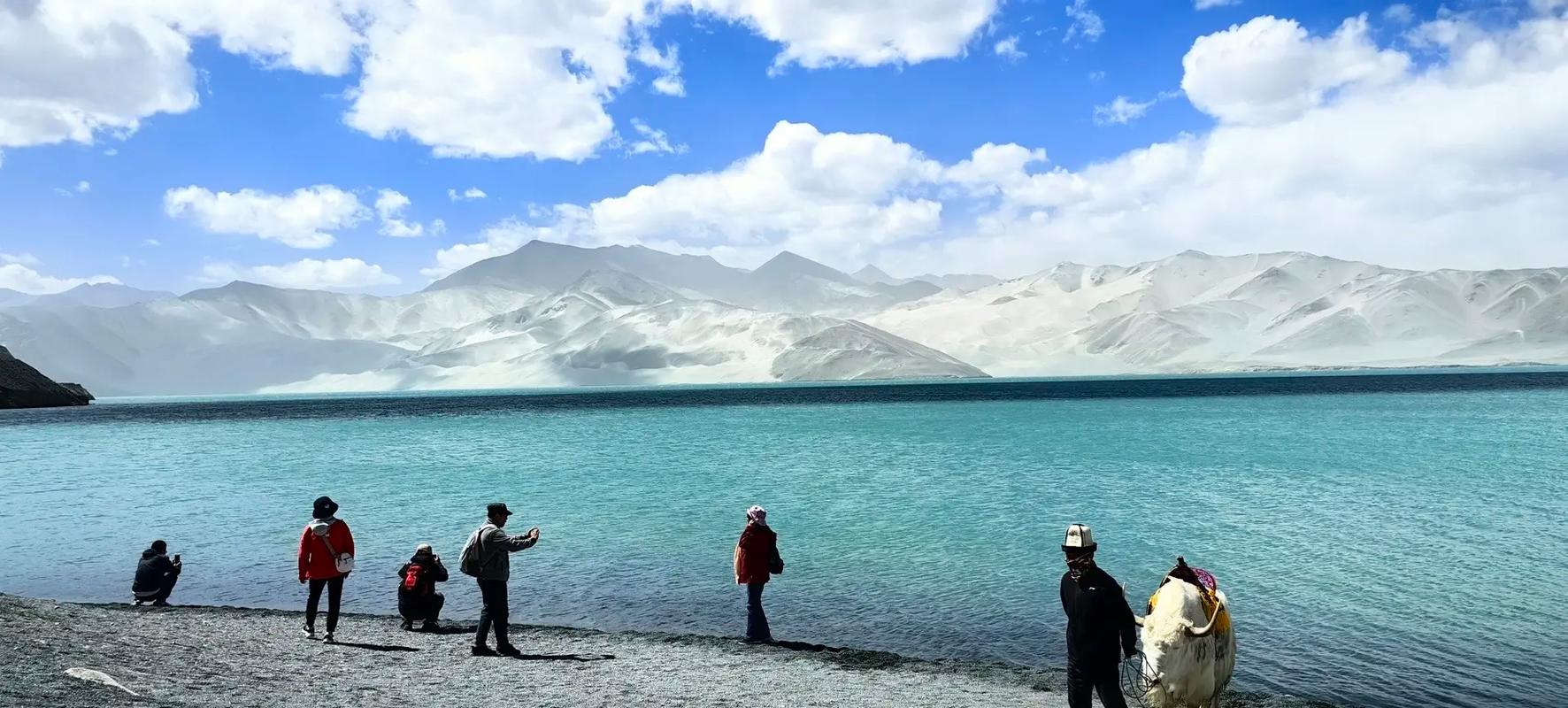
Most travelers burn down the G314 Karakoram Highway toward Tashkurgan and Karakul Lake, ticking off the famous names. I did exactly that on my first Pamir run. Then, roughly two hours southwest of Kashgar, the road bends past a ridge and a pale wall of sand shows up beside water so blue it looks edited. That is Baisha Lake Xinjiang — a white-sand lake on the Pamir Plateau that had almost no presence on foreign itineraries five years ago. I have pulled over here on two different drives now, and the place never photographs the same way twice.
Why you can trust this Baisha Lake guide
I am not writing this from a desk. I drove the Kashgar–Tashkurgan highway in late September 2023 and again in early June 2024 with a driver from Akto County, and we stopped at Baisha Lake both times. I asked the county tourism desk about access and fees, and I checked distances against the road signs rather than guessing. Where I am unsure, I say so. The Pamir changes fast — new viewing platforms, new ticket rules — so treat anything specific as a starting point and confirm before you go.
Baisha Lake at a glance
| Detail | What you need to know |
|---|---|
| Location | Akto County, Kizilsu Kyrgyz Autonomous Prefecture, along the G314 Karakoram Highway |
| Distance from Kashgar | About 120 km southwest (2–2.5 hours by car) |
| Altitude | Around 3,300 m — take it easy if you are new to altitude |
| Best season | May through October; clear skies and an open road |
| Entry | Modest ticket (around 40 RMB when I visited — verify locally) |
| Facilities | Viewing platform, parking, a few stalls; no lodging at the lake |
| Nearest base | Kashgar for day trips, or Tashkurgan if continuing south |
The morning the sand looked like salt
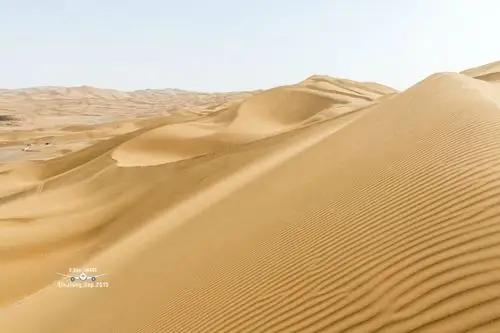
Our first stop was a mistake in the best way. We had left Kashgar at 7 a.m. to beat the heat, and by nine we were climbing into the Pamir. The driver, Memet, slowed at a bend and said something in Uyghur I didn’t catch, then pointed. The “mountains” on the left were not rock — they were heaps of fine white sand, wind-smoothed into long ridges. Below them sat a narrow lake, the color of a swimming pool, with snow peaks stacked behind it.
I learned later that the white comes from eroded limestone and granite of the surrounding hills. Wind carries the pale dust across the road and piles it into dunes that locals call Baisha Shan, the white-sand mountains. The lake itself is fed by Pamir meltwater. In September the water was low and the sand bright; in June, after the snowmelt, the lake had swollen and the contrast was sharper. Neither version felt like the other.
How to get to Baisha Lake Xinjiang
There is no train, no airport, and no public bus that drops you at the shore. The lake sits on the G314, the highway that runs from Kashgar to the Khunjerab Pass, so you reach it the same way everyone crosses the Pamir: by car.
Most visitors come in a private car or a small tour from Kashgar. The drive is the point — you pass the Oytagh red rocks and the Karakul turnoff before Baisha appears. If you are self-driving, the G314 is paved and well marked, but the Pamir is remote; carry a full tank and don’t count on phone signal. Treat Baisha as a stop on a longer Kashgar–Tashkurgan route rather than a standalone destination, and pair it with Karakul Lake, which lies about an hour further south.
Best time to visit Baisha Lake Xinjiang
Late spring through early autumn is the window. May and June bring snowmelt and fuller water; July and August are warm and busy, with the clearest reflections on calm mornings. September and early October are my favorite — the light goes gold, the crowds thin, and the air is dry.
Winter is possible but harsh. The Pamir drops well below freezing, passes can close after snow, and most lakeside stalls shut. If you go then, build in buffer days. The lake also changes through the day: I saw it flat and silver at 9 a.m. and deep blue by noon. Get there before midday if photography matters to you — details in our Xinjiang photography guide.
Where to stay
There is no hotel at Baisha Lake, and I would not camp on the sand dunes — the wind picks up fast and the altitude makes a cold night unpleasant. Most people do it as a day trip from Kashgar, leaving after breakfast and returning before dark.
If you are continuing the Pamir loop, stay in Tashkurgan, about two hours south, where guesthouses and a few hotels cater to highway travelers. Kashgar itself has the widest choice and is the better base if Baisha is your only Pamir stop — see our Kashgar Old City guide for where to sleep inside the old town.
What to eat on the Pamir
Don’t expect a restaurant at the lake. The viewing area has a handful of stalls selling hot noodles, hard-boiled eggs, and warm milk tea — enough to take the edge off the cold. On both visits Memet bought us laghman from a roadside tent near the turnoff; the broth was salty and the noodles hand-pulled, exactly what you want at 3,300 m.
In Tashkurgan, try the yak-meat dishes and the local dairy — the Kyrgyz and Tajik herders make a tangy kumis and a thick yogurt. If you have a sensitive stomach at altitude, keep meals simple and skip anything raw.
Practical tips before you go
- Border permit. The Pamir corridor is a border-management zone. Chinese travelers need a border pass (free, issued at the Kashgar PSB; allow an hour). Foreign visitors should confirm current rules with a Kashgar hotel or tour operator before setting out, as access can require a local guide.
- Altitude. At around 3,300 m, walking the dune slope leaves you winded. If you are coming straight from sea level, read our altitude sickness guide and take the first day easy.
- Cash. Stalls often take only cash or a specific payment app. Carry small bills.
- Wind and sun. The plateau wind is sharp and the UV is strong even when it feels cool. A windbreaker, sunglasses, and lip balm earned their place in my bag.
- Drones. The area is near the border, so flying a drone is restricted. Ask before you launch anything.
- Timing. Arrive before 11 a.m. for calm water and soft light; by afternoon the wind kicks up the sand.
A simple Pamir day plan
This is the route Memet and I ran, and it fits Baisha Lake in without rushing:
- 07:00 — Leave Kashgar, fuel up, grab the border permit the day before if possible.
- 09:30 — First stop at Baisha Lake. Walk the platform, shoot the early light; 45 minutes is enough.
- 11:00 — Continue to Karakul Lake for a late-morning walk and Muztagh Ata views.
- 13:00 — Lunch at a roadside tent (laghman or yak noodles).
- 15:00 — Reach Tashkurgan; check in and rest for the altitude.
- Evening — Short walk in town, early night.
Frequently asked questions
Is Baisha Lake worth the stop?
Yes, if you are already driving the Pamir. It is free-looking drama for almost no effort — park, walk to the platform, and you are standing on white sand above a blue lake with snow behind it. Don’t make a special multi-day trip just for this; fold it into the Kashgar–Tashkurgan drive.
Can I swim in Baisha Lake?
No. The water is cold, shallow in places, and the shore is protected. People come to look, not to swim.
How long should I spend there?
Thirty to sixty minutes covers it — longer if you are photographing or just want to sit with the view.
Do I need a guide?
Not specifically for the lake, but the Pamir border zone has rules for foreign travelers, so check before you go. A driver who knows the G314 makes the day far smoother.
Is it crowded?
Far less than Karakul or Kashgar. On a weekday in June we shared the platform with maybe ten people.
Disclaimer
This guide reflects personal visits in 2023 and 2024 and may not match current conditions. Entry fees, border-permit rules, road status, and facility hours on the Pamir change without notice. Confirm details with the Kashgar tourism bureau or your accommodation before traveling, and respect all local and border regulations. The author and publisher are not liable for changes, closures, or incidents arising from use of this information.
About the author
Liam Foster is a travel writer who has driven the Xinjiang Pamir corridor twice, from Kashgar to the Khunjerab approach. He focuses on first-hand, practical guides for independent travelers and works with local drivers and guesthouse hosts across the region. He can be reached through the Xinjiang Attractions editorial desk.