Published: July 26, 2026 | Author: Aino Koskinen | Reading time: about 9 minutes
I grew up in Helsinki, which means I have opinions about hot water. Saunas, thermal baths, the ritual of warming up and cooling down: this is the lens through which I travel. So when I learned that Wenquan Xinjiang, a small county in Bortala Mongol Autonomous Prefecture, is literally named “Hot Spring” in Chinese and “Arixang” in Mongolian for the same reason, I had to go. I went twice, first in July 2023 with a hired driver from Bole, then again in September 2025 by shared taxi, and soaked in three different springs across both trips. This guide covers what the pools are actually like, what they cost, how to get there without your own car, and why a small amphibian might be the most interesting thing in the county.
Quick reference: Wenquan Xinjiang at a glance
| Item | Details |
|---|---|
| Location | Westernmost county of Bortala Prefecture, northern Xinjiang, close to the Kazakhstan border |
| Mongolian name | Arixang, meaning “holy hot spring” |
| Elevation | Around 1,350 m in the county town; valleys climb well above 2,000 m |
| Main springs | Bogedar (near town), Arxiati valley, and the Etuokesaier “Holy Spring” |
| Soaking cost | 40 to 128 CNY depending on venue, as of my September 2025 visit |
| Nearest transport hubs | Bole (bus and shared taxi, about 70 km), Bortala railway station, Bole Alashankou Airport |
| Best months | June to September for grasslands; the pools themselves work year round |
| Time needed | One night minimum, two nights if you want the valleys |
Why trust this guide
Most English-language material on Wenquan is a paragraph tacked onto a Bortala overview, usually written by someone who never left the prefecture capital. I spent five nights in the county across two trips, paid for every entrance ticket and every bowl of milk tea myself, and took no sponsorships. Where prices or rules may have changed since September 2025, I say so. Official tourism information for the region is published by the Xinjiang regional government, and the county sits within the wider Bortala area I covered in my Bortala prefecture guide.
First impressions: a county built around warm water
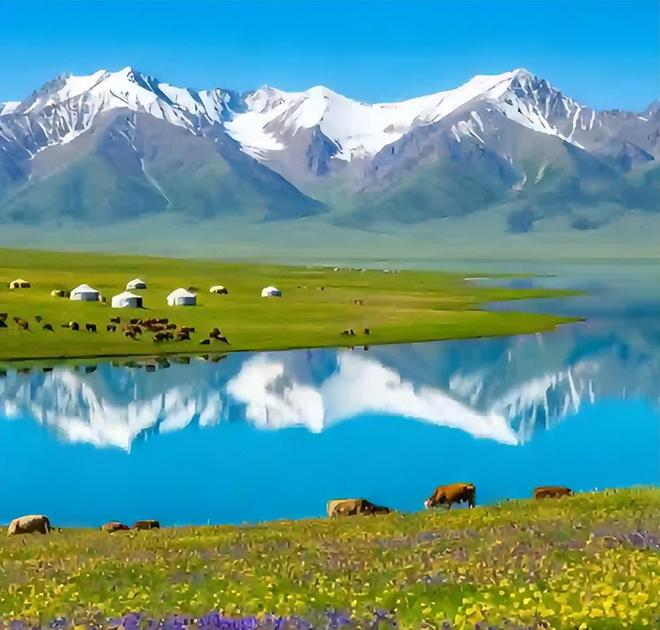
The drive west from Bole follows the Bortala River upstream, and the landscape tightens as you go. Farmland gives way to pasture, then the Alatau ranges close in from both sides. The county town is small, maybe twenty minutes on foot from end to end, with a river promenade and more spa hotels per block than anywhere else I have seen in Xinjiang.
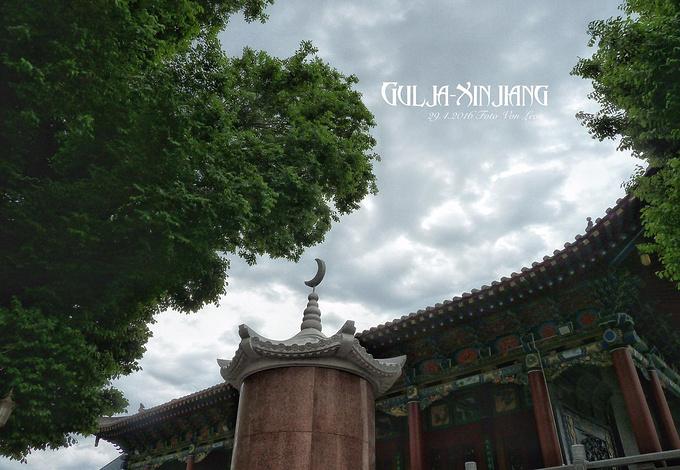
My driver on the first trip, a Chahar Mongol man named Baatar, put it simply: “In winter we soak. In summer we soak with tourists.” His family has been in the county since the 1760s, when Chahar Mongol soldiers were moved west from Zhangjiakou to garrison this frontier for the Qing dynasty. Their descendants still make up a large share of the county’s population, and the Mongolian influence shows up everywhere: street signs in three scripts, milk tea served salted, and wrestling posters outside the stadium in July.
The springs themselves: what soaking is really like
Let me set expectations first, because this matters. Wenquan is not Baden-Baden and it is not a Japanese onsen town. The venues range from municipal pools to mid-range resort hotels aimed at domestic visitors who come for arthritis and skin conditions as much as for leisure. Swimsuits are required everywhere, pools are mixed gender, and the changing rooms are functional rather than pretty. If you accept that, the water is genuinely excellent.
Bogedar
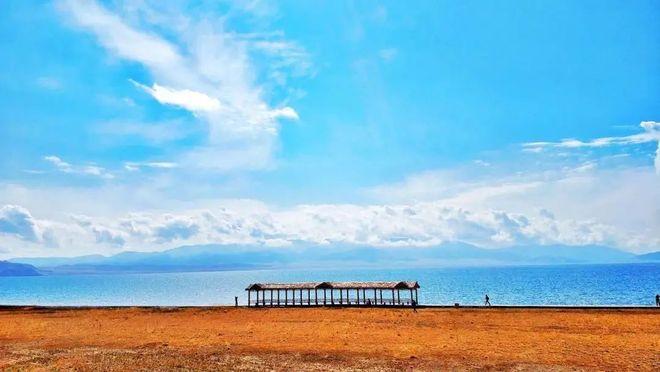
This is the spring closest to town, at the edge of a larch forest park. On my 2025 visit the standard adult soak was 68 CNY, with private family rooms at 128 CNY per hour. The outdoor pools sit at 40 to 42 degrees Celsius and smell faintly of sulfur. I went at 8 pm in September when the air had dropped to about 6 degrees, and steam rose off the water into a sky full of stars. That hour was worth the entire detour from Sayram Lake.
Arxiati
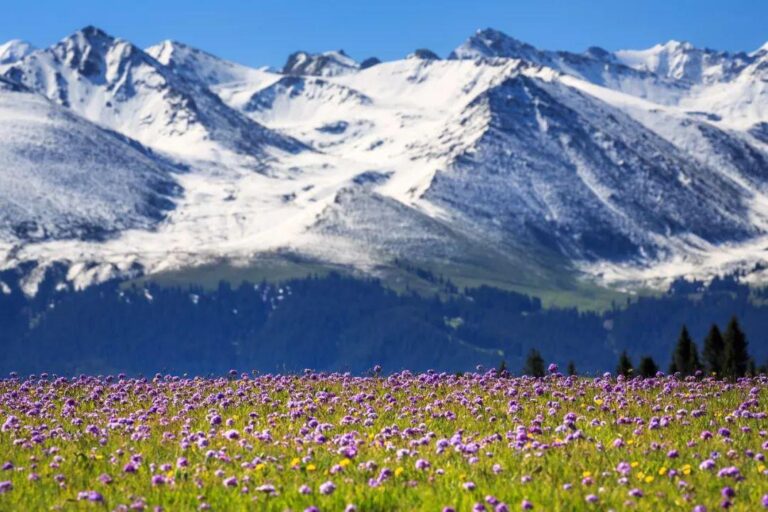
About 40 km west of town, this valley scenic area combines a smaller bathhouse with genuinely beautiful high pasture. Entry to the scenic area and a soak came to 90 CNY total in July 2023. The pools are simpler than Bogedar, but you soak looking at snow patches on the ridgeline. Confirm opening months before you go; staff told me the bathhouse sometimes closes outside the main season.
The Holy Spring at Etuokesaier
The most famous and the hardest to reach, up a long valley toward the border zone. Local Mongols have treated this spring as sacred for generations, and you will see prayer scarves tied near the source. I only made it here once, on the 2023 trip, because the road requires a proper vehicle and the area occasionally closes for border management reasons. Ask your accommodation about current access before committing a day to it.
The salamander you should care about
Here is the thing nobody tells you: Wenquan county is one of only two places on Earth where the Xinjiang salamander, Ranodon sibiricus, survives in the wild. The species was first described in 1866, then went unrecorded for over a century until a local schoolteacher helped rediscover it in 1989. A small museum in the county town explains the story, and entry was free when I visited. The wild population lives in a handful of cold streams in the border mountains and is strictly protected, so you cannot visit the habitat itself. The museum takes half an hour and gave me more respect for this quiet county than any brochure could.
Getting to Wenquan Xinjiang
There is no airport or railway station in the county, so everything routes through Bole, the prefecture capital.
- By train: Bortala station has direct services from Urumqi, taking roughly 5 to 6 hours. From the station, shared taxis to Wenquan county town charged 25 CNY per seat in September 2025 and left when full, roughly every 30 to 40 minutes in daytime. I cover the wider network in my weather guide companion piece on rail seasons, but the short version is that trains run reliably year round.
- By air: Bole Alashankou Airport has daily flights from Urumqi. A taxi from the airport direct to Wenquan cost me 180 CNY after some negotiation in 2023.
- By road: If you are driving yourself, the county is an easy 70 km on good asphalt from Bole, and pairs naturally with Sayram Lake to the south. My self-drive planning guide covers rental paperwork for foreigners.
When to visit
I have now seen the county in both high summer and early autumn, and each has a case.
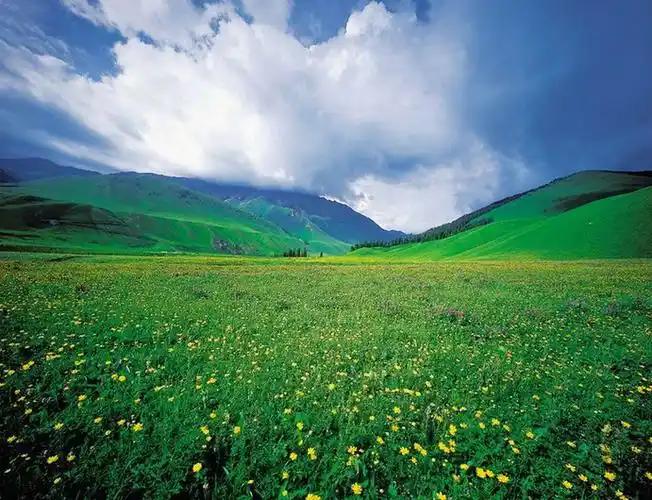
July brings green valleys, wildflowers on the Mirqik grassland, and the Mongolian Naadam period with wrestling and horse racing if your timing is lucky. Daytime temperatures sat around 27 degrees on my visit, cooler than the Xinjiang lowlands. The trade-off is that domestic tourism peaks and spa hotels fill on weekends.
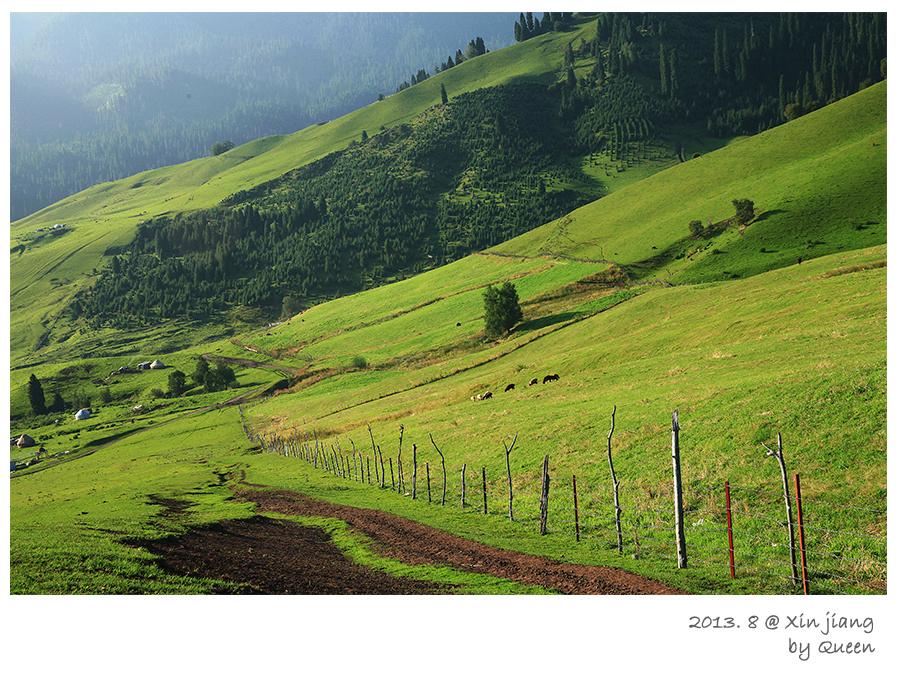
September is my pick. The pastures turn gold, the crowds thin, and cold evenings make the hot water feel earned. By late month the higher valleys can frost overnight, so pack a proper jacket.
Winter is a real option here in a way it is not for most Xinjiang counties, precisely because the point of the place is hot water. Locals soak all winter. Just check that valley scenic areas are open, since several effectively shut from November to April. For month-by-month climate detail across the region, see the Xinjiang weather by month guide.
Where to stay
The county town has two tiers: spa resort hotels with their own pools, and ordinary business hotels where you soak elsewhere. On my September trip I paid 220 CNY for a twin at a mid-range spa hotel with in-house pools included, which felt like fair value. The budget option, a standard hotel near the bus yard, quoted 150 CNY but could not register foreign guests, a problem I have hit repeatedly in small Xinjiang towns. Confirm foreigner registration before you unpack. In July, book ahead for weekends; in September I walked in without trouble.
What to eat
The food here leans Mongolian in a way that surprised me after weeks of Uyghur and Kazakh cooking elsewhere. Things I would order again:
- Salted milk tea with boortsog: fried dough pieces you drop into the tea. A herder family near Arxiati served me this with fresh cream for 20 CNY and it was the best breakfast of the trip.
- Boiled lamb ribs: simple, salted, served with raw onion. A half portion at a town restaurant ran 60 CNY.
- Cold river fish: the Bortala River supplies small restaurants along the promenade; my pan-fried plate was 45 CNY.
- Dried cheese curds: sold at the bazaar, hard as gravel, weirdly addictive on long drives.
Practical tips from two visits
- Bring your own towel and flip-flops to the public pools. Rentals exist but stock runs out on busy evenings.
- Limit soaks to 20 minutes at a time at this elevation. I got lightheaded ignoring my own rule the first night.
- Carry cash. Two of the smaller venues had QR payment systems that rejected my foreign-linked account.
- The border zone west of the county requires permits that ordinary tourists generally cannot get on the spot. Do not plan routes that assume access.
- Mobile signal is fine in town, patchy to absent in the valleys.
- Pair Wenquan with Sayram Lake, 90 minutes south, and with Jinghe county if you are following the rail line east.
A sample two-day plan
Day 1: Morning shared taxi from Bole. Drop bags, walk the river promenade, visit the salamander museum. Late lunch of lamb ribs in town. Afternoon rest, then an evening soak at Bogedar when the day-trippers have gone. Dinner at the night market street near the stadium.
Day 2: Hire a car for the day, around 350 CNY when I did it. Drive to Arxiati for the grasslands and a midday soak, picnic on dried cheese and flatbread, return via a herder family visit if your driver can arrange one. Evening taxi back to Bole, or a second night if the stars have you convinced.
If you are slotting this into a longer route, Wenquan works best as the restful pause between the Ili valley and northern Xinjiang. For those comparing hot spring options, the Xiata springs near Zhaosu involve a full trek, while Wenquan hands you the hot water with zero hiking. Different tools for different trips.
Frequently asked questions
Is Wenquan worth visiting if I have already been to other hot springs?
If you only care about the water, maybe not. If you want the water plus Chahar Mongol culture, quiet grasslands, and one of the rarest amphibians on the planet, yes. It is the combination that makes the county.
Can I visit as a day trip from Bole?
Technically yes, and many domestic visitors do. But the springs are best at night when the air cools, so staying over is the whole point in my view.
Do the spring resorts accept foreign guests?
The pools themselves admit anyone with a ticket. Overnight registration is the issue: confirm before booking, as smaller hotels may decline foreign passports.
Is the water treatment or medical claim real?
The mineral content is genuine and locals credit it with helping joint and skin conditions. I make no medical claims; I can only report that after two days of soaking, my hiking-wrecked shoulders felt noticeably better.
How does it compare to the rest of Bortala?
Sayram Lake is the scenery headliner and Wenquan is the recovery day. For where the county fits in a north-versus-south route decision, my north vs south Xinjiang comparison lays out the logic.
Disclaimer: Prices, opening hours, and access rules in this article reflect my visits in July 2023 and September 2025 and may have changed. Border-adjacent areas in Bortala can close at short notice. Verify current conditions with your accommodation or a licensed local operator before traveling. This article contains no sponsored content.
About the author: Aino Koskinen is a Helsinki-based writer covering thermal bathing cultures and slow travel across Asia. She has soaked her way through Finland, Japan, Georgia, and western China, and paid for every ticket herself. Her Xinjiang coverage is based on repeat independent trips between 2023 and 2025.
Wenquan is one of five soaking regions in the province. For how it compares with Xiata, Fukang, Wucaiwan and the Urumqi bathhouses — and for etiquette, pricing and the best months across all of them — see our overview of Xinjiang hot springs.