Published: July 22, 2026 | Author: Daniel Whitfield
Planning a trip around the Xinjiang weather by month question is the single most useful thing you can do before booking flights. I learned this the hard way. On an April drive from Urumqi toward the Ili Valley, my group hit a snow squall at a Tianshan pass while the city we had left was sunny at 18°C. Xinjiang is not one climate; it is several, stacked across basins, ranges, and deserts that barely talk to each other. This guide is built from notes I have kept across nine trips between 2017 and 2025, cross-checked against historical data from the Xinjiang Meteorological Bureau and China’s national weather service.
Why you can trust this month-by-month breakdown
I am a China-based travel writer and a licensed local guide, not a weather station. But I have stood on both ends of the temperature scale here: 46°C at the Flaming Mountains near Turpan in July 2021, and -31°C on a ski lift in Altay in January 2023. The numbers below come from official records; the “should you go” calls come from having been caught out by the gaps between those numbers. Where I am guessing, I say so.
Xinjiang weather by month: the quick reference table
Temperatures are representative averages. North Xinjiang (Altay, Ili, Urumqi) runs colder and wetter; southern Tarim basin sites (Kashgar, Hotan, Turpan) run hotter and drier. The Pamir edge near Tashkurgan sits above 3,000 m and stays cold all year.
| Month | North Xinjiang | South Xinjiang | Worth visiting? |
|---|---|---|---|
| January | -20 to -10°C, deep snow | -10 to 0°C, grey | Skiing yes; roads icy |
| February | -18 to -8°C | -8 to 2°C | Quiet, cold, cheap |
| March | -5 to 8°C, thaw | 2 to 15°C | Early apricot buds in Ili |
| April | 5 to 18°C, wind + late snow | 10 to 24°C | Ili apricot blossoms |
| May | 10 to 22°C | 15 to 28°C | Green, fewer crowds |
| June | 15 to 27°C | 20 to 34°C | Ili lavender peaks |
| July | 18 to 30°C | 25 to 42°C | Hot in the south |
| August | 17 to 29°C | 24 to 40°C | Peak season, busy |
| September | 10 to 24°C, golden | 15 to 30°C | Best overall month |
| October | 2 to 16°C, first snow | 8 to 22°C | Kanas gold, then cold |
| November | -8 to 6°C, closing | 0 to 12°C | Shoulder, some closures |
| December | -15 to -5°C, snow | -8 to 2°C | Ski season begins |
What the seasons actually feel like from the road
Spring here is unreliable. I have watched April mornings in Nalati start at 3°C with sunshine and end under three centimeters of slush. The wind is the real story: the Dabancheng corridor west of Urumqi is one of the windiest places in the country, and sandstorms can shut the G30 expressway for hours. If you come in April or May, pack a down jacket even when the forecast looks mild.
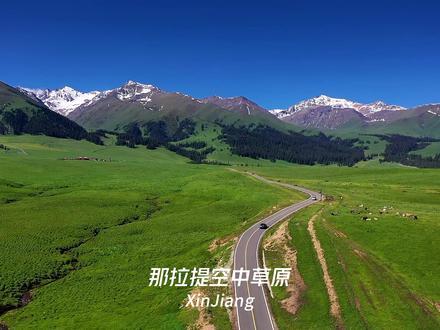
Summer is a split personality. In the north, July and August are pleasant at 25 to 30°C, with daylight that does not fade until 10 p.m. In the Tarim basin, though, Turpan regularly tops 40°C and I have seen the roadside thermometer at the Flaming Mountains read 46°C. The upside is that the Pamir and Tianshan passes are open, and this is the only window for high routes like the domestic stretch of the Karakoram Highway.
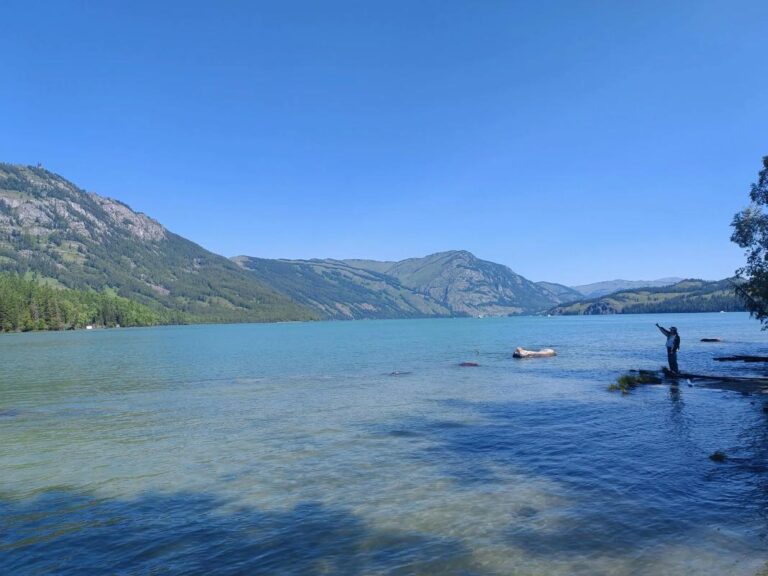
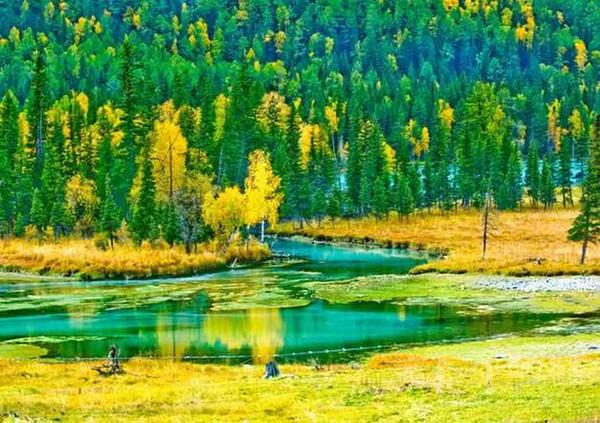
Autumn is the safe bet and the crowd favorite. From mid-September the larches around Kanas turn gold for about two weeks; miss it and you have missed the headline shot. By early October snow already lines the peaks. The air is dry, the light is clean, and the Kanas Lake travel guide fills with photographers who know exactly why they came.
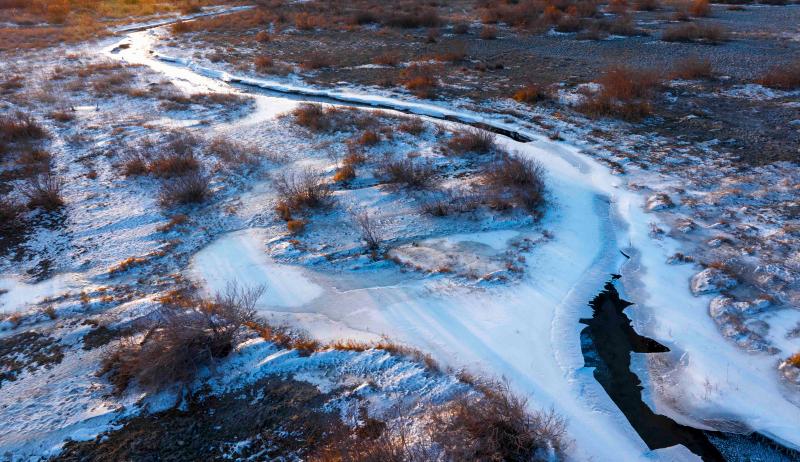
Winter is underrated. Altay’s powder draws skiers, and Hemu Village becomes a frozen storybook of log cabins and woodsmoke. The catch is access: some mountain roads and the higher scenic areas close from November to March, and you will want a guide who knows which passes are open.
Getting around as the weather shifts
The Xinjiang high-speed rail network has changed winter travel completely. Trains between Urumqi, Turpan, Hami, and Kashgar run regardless of snow, so you are no longer hostage to a closed mountain pass. For remote spots like Kanas or the Pamir, though, you still rely on roads and chartered 4WD, and those are weather-dependent from late autumn through spring. If your route climbs toward Tashkurgan, read up on altitude sickness before you fly into Kashgar, because the plateau does not care what month it is.
Best month to visit Xinjiang
If I got one trip, I would book late September. The north is golden, the south is finally bearable, and the summer crowds have gone home. Second choice is June, for the Ili lavender and apricot-orchard green without the August heat. Avoid July and August if you hate crowds or heat; avoid January unless you are skiing. For a calmer first experience, our guide for first-time visitors covers the logistics you need on top of the weather.
Where to stay through the year
Accommodation follows the season. Summer (June to August) books out in hotspots like Kanas and Hemu months ahead, and prices double. Winter has the opposite problem: some guesthouses in mountain villages simply lock up from November to March. In shoulder months (May, September, October) you get the best value and usually a free room. In the cities, Urumqi and Kashgar have year-round hotels at every price point, so base yourself there and take day trips out.
Eating by the season
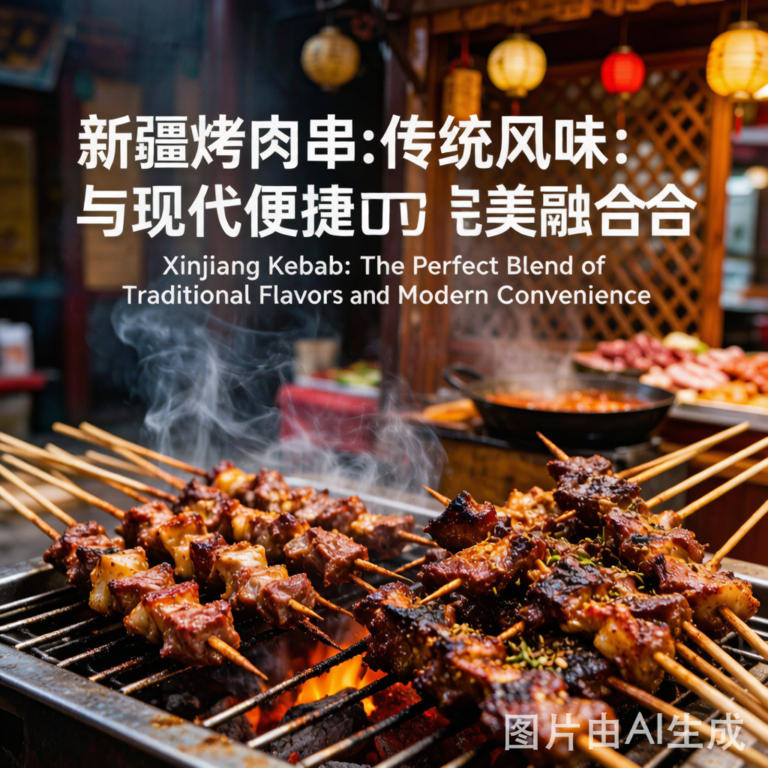
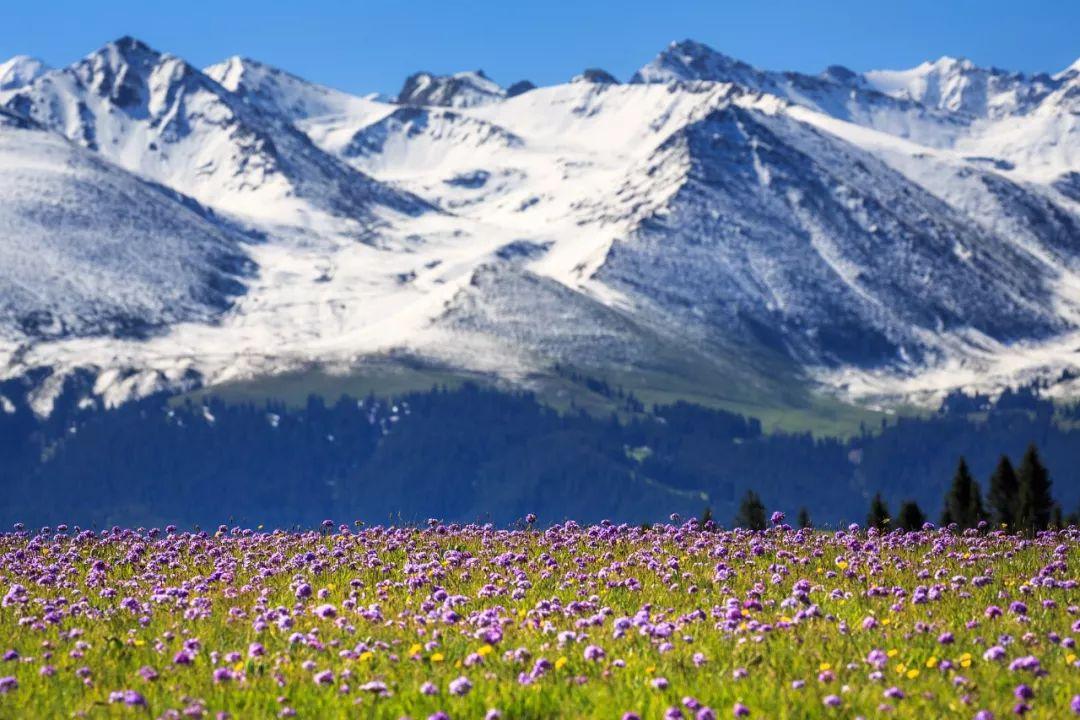
The food calendar is its own weather forecast. May and June bring Ili’s apricots and cherries; July and August are melon season, and Hami and Turpan watermelons are the size of small children. Autumn is grape time in Turpan, when the drying racks sag under green and purple fruit. In deep winter, nothing beats a lamb shorpa (soup) or a hot pot after a day at -25°C. The night markets in Urumqi run all year, but they are at their best when the cold gives you an excuse to eat something oily and hot.
Practical tips for packing and planning
- Pack for two seasons at once. A t-shirt and a down jacket in the same suitcase is normal here, even in July up north.
- Watch the wind. Spring sandstorms near Turpan and Dabancheng can delay flights and close highways; build a buffer day into any tight schedule.
- Sun is brutal at altitude. The Pamir and Tianshan reflect UV off snow and rock; bring SPF 50 and real sunglasses.
- Daylight is long. In June the sun sets after 9:30 p.m., which means you can drive scenic routes late without headlights.
- Check closures. National holidays (May 1, October 1) and the Spring Festival bring both crowds and some rural transport shutdowns.
A simple month-by-month plan
If your dates are fixed, work backward from the weather:
- March to May: Focus on Ili and the south. Catch apricot blossoms in April, avoid the high passes.
- June to August: Do the north (Kanas, Hemu, Ili) and the Pamir while roads are open. Start sightseeing at 7 a.m. to beat the heat in Turpan.
- September to October: The full loop. North for color, south for comfortable temps, everywhere for clear light.
- November to February: Ski Altay, soak in hot springs, and treat the cities as your warm base. Skip remote mountain villages.
Frequently asked questions
What is the coldest month in Xinjiang?
January. Altay regularly drops below -30°C, and even Urumqi spends most nights under -15°C. The south stays milder but still freezes.
What is the hottest month?
July. Turpan and the Tarim basin routinely pass 40°C, with the Flaming Mountains area often the hottest spot in China on any given summer day.
When does it snow?
The north sees its first snow as early as late October and keeps it until March. The south gets occasional light snow in December and January but it rarely sticks for long.
Is Xinjiang safe to visit in winter?
Yes, with planning. Trains run, cities function, and ski resorts operate fully. The only real risk is remote-road closures, which a local guide can navigate.
Which month has the best weather overall?
September. You get dry air, golden landscapes, comfortable temperatures across both regions, and none of the summer crush.
Disclaimer
This guide is based on personal travel experience between 2017 and 2025 and on historical climate data from public meteorological records. Weather is variable and the figures above are averages, not promises. Always check the forecast close to your travel dates, confirm road and park openings with local operators, and consult official sources before making non-refundable bookings. This article is for general planning only and is not official advice.
About the author
Daniel Whitfield is a China-based travel writer and licensed Xinjiang guide who has spent parts of every season in the region since 2017. He has documented temperature extremes from the Flaming Mountains to the Altay ski fields, and contributes regularly to regional travel publications. He can be reached through the editorial team at Xinjiang Attractions.