Published: July 21, 2026 | Author: Liam Foster, Xinjiang-based travel writer
The first time I clipped into skis in the Altai Mountains, my Kazakh host laughed at my rental boots. “Our grandfathers skied on horsehide,” he said, and pulled a pair of fur-covered wooden planks off the wall of his cabin. That was my introduction to Xinjiang skiing, and it changed how I think about the sport entirely. This corner of northwest China is not a copy of the Alps. It is, by a strong claim backed by rock art, one of the places where skiing itself began.
I have spent parts of four winters in northern Xinjiang, mostly around Altay and Keketuohai, testing resorts, freezing at bus stops, and eating a lot of hot lamb noodles between runs. This guide is what I wish someone had handed me before my first trip: where to ski, when the snow is good, what it costs, and how to get there without wasting days.
Why you can trust this Xinjiang skiing guide
I am not a sponsored ambassador for any resort. My first ski week here was January 2022 at Jiangjun Mountain in Altay, arranged through a local friend named Kanat who grew up racing down these slopes. I came back in February 2023 for Keketuohai’s deep powder, and again in December 2024 to catch the early-season opening near Urumqi. Prices and dates below come from those trips and from checking with resort ticket desks directly. Snow conditions change year to year, so treat my numbers as a realistic guide, not a promise.
The ancient roots: skiing was likely born here
Before you book anything, it helps to know why locals are so proud of their snow. In the mountains near Altay there is a cliff carving at Dundebulake showing human figures on skis, chasing animals. Chinese and international researchers have dated the scene to roughly ten thousand years ago, and in 2006 a group of experts signed a declaration in Altay naming the region a cradle of human skiing. Whether or not it is the single origin, the living evidence is still here: Tuwa and Kazakh herders in villages around Kanas Lake and Hemu Village still hunt and travel on毛皮滑雪板, fur-soled skis that grip going uphill and glide coming down. I watched an old man in Hemu climb a slope in these with no poles, calm as walking.
The main places to ski in Xinjiang
There are two clusters worth your time: the Altai region in the far north for serious snow and atmosphere, and the resorts near Urumqi for convenience.
Keketuohai International Ski Resort
If you only ski one place, make it this one. Sitting in the Altai range near the old mining town of Keketuohai, the resort has the longest reliable season in China, often running from late October into May. The vertical drop is genuine, over 1,300 metres, and the cold, dry air produces light powder that skiers chase from across the country. On my February 2023 visit the base temperature sat around minus twenty, and the snow squeaked underfoot. A day lift pass ran about 300 RMB midweek; full gear rental was another 100 to 150 RMB. Book lodging early, because the good guesthouses in town fill up on weekends.
Jiangjun Mountain (General Mountain) Ski Resort
This is Altay City’s home hill, a fifteen-minute shuttle from downtown, and it was where I learned. It is not the biggest mountain, but the convenience is unbeatable: you can ski in the morning, warm up over a bowl of lagman at lunch, and browse the town market in the afternoon. A day pass here was around 280 RMB, with beginner gear from 80 RMB. For a first trip, or for families, I usually send people here first before they tackle Keketuohai. My full notes on the town are in the Altay City guide.
Silk Road and the Urumqi resorts
If your time is short and you fly into Urumqi, the resorts in the Nanshan mountains south of the city are the practical choice. The Silk Road International Resort is the largest, with a long season from late November into March or April and plenty of beginner terrain. Snow quality is a step below the Altai powder, and weekends get crowded with day-trippers, but you can be on the slopes about an hour after leaving your hotel. Day passes here ran roughly 200 to 350 RMB depending on the day and the season.
When to go: the powder calendar
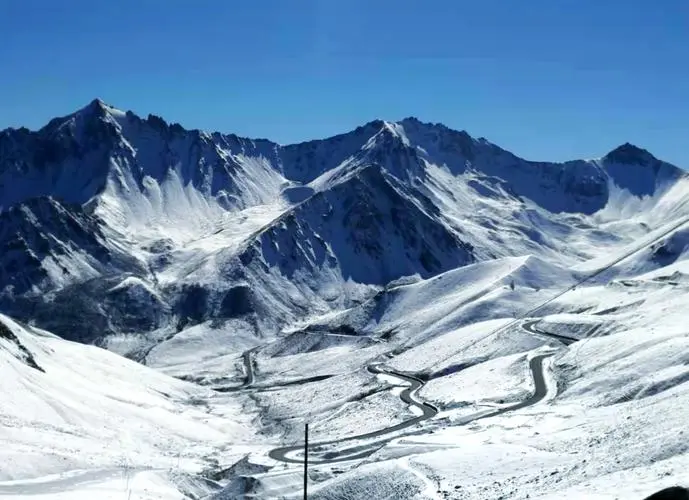
The core season across Xinjiang runs from late November to early April. December through February gives you the most reliable snow, though it is also the coldest, with valley temperatures that can sink past minus twenty-five. If you dislike deep cold, aim for March, when the light softens and daytime temperatures climb without the snow disappearing at the higher resorts. Keketuohai is the outlier that stays open latest; I have skied there in early April on snow that would have long melted elsewhere. For anyone combining skiing with sightseeing, read my broader thoughts on the season in the notes on winter around Habahe and the northwestern edge.
How to get there
Getting to the Altai resorts takes planning, since they are far from Urumqi. For Keketuohai and Altay, the easiest route is a domestic flight from Urumqi to Altay Airport (about ninety minutes), then a resort shuttle or hired car. There are also long-distance buses and, in the warmer months, expanding rail links, but in deep winter flying saves you a punishing day on icy roads. For the Urumqi-area resorts, the city’s growing rail network makes the approach simple; I cover the options in the Xinjiang high-speed rail guide. Whatever you do, build in a buffer day, because winter flights in this region get delayed by weather more often than you would like.
Gear, lessons and costs
All the major resorts rent skis, boots, and poles, and the equipment I used was serviceable if not top-end. If you are picky about fit, bring your own boots. Instructors are available at each resort, more of them Mandarin-speaking than English, so if your Chinese is limited it helps to book an English-speaking guide in advance through your guesthouse. Budget roughly like this for a day at an Altai resort: 280 to 300 RMB lift pass, 100 to 150 RMB gear, 300 to 500 RMB for a private lesson if you want one, plus food and transport. A three-day ski trip based in Altay, lodging included, ran me around 2,500 to 3,500 RMB without the flight.
A sample five-day ski trip
- Day 1: Fly Urumqi to Altay, settle in, easy afternoon runs at Jiangjun Mountain to find your legs.
- Day 2: Full day at Jiangjun Mountain, evening at the Altay night market for grilled fish from the Irtysh.
- Day 3: Transfer to Keketuohai, half day on the lower slopes to adjust to the altitude and cold.
- Day 4: Full powder day at Keketuohai, the highlight of the trip.
- Day 5: Morning runs, then transfer back to Altay for your flight, or extend to visit the frozen valley at Keketuohai.
Practical tips from my own mistakes
- Dress in real layers. My first trip I underpacked and spent an afternoon shivering; a proper base layer and a windproof shell are non-negotiable at minus twenty.
- Keep phone batteries warm. Cold drains them fast, and you want your maps and tickets working.
- Carry some cash. Mobile pay works in towns, but a remote lift hut or a herder selling milk tea may not take it.
- Eat before the cold hits you. Hot lamb noodles at midday kept me going more than any energy bar.
- Respect the fur-ski heritage if a village offers a demo. It is a living tradition, not a photo prop.
Frequently asked questions
Is Xinjiang skiing suitable for beginners? Yes. Jiangjun Mountain and the Urumqi resorts have plenty of gentle terrain and instructors. Keketuohai has beginner slopes too, but its draw is advanced powder.
How cold does it really get? In January, base areas in the Altai can sit around minus twenty to minus twenty-five. It is a dry cold, more bearable than humid cold, but you must dress for it.
Do foreign visitors need special permits to ski? The main resorts near Altay and Urumqi are open to tourists without special ski permits, but carry your passport for hotel registration and any checkpoints. Rules can change, so confirm current requirements before you travel.
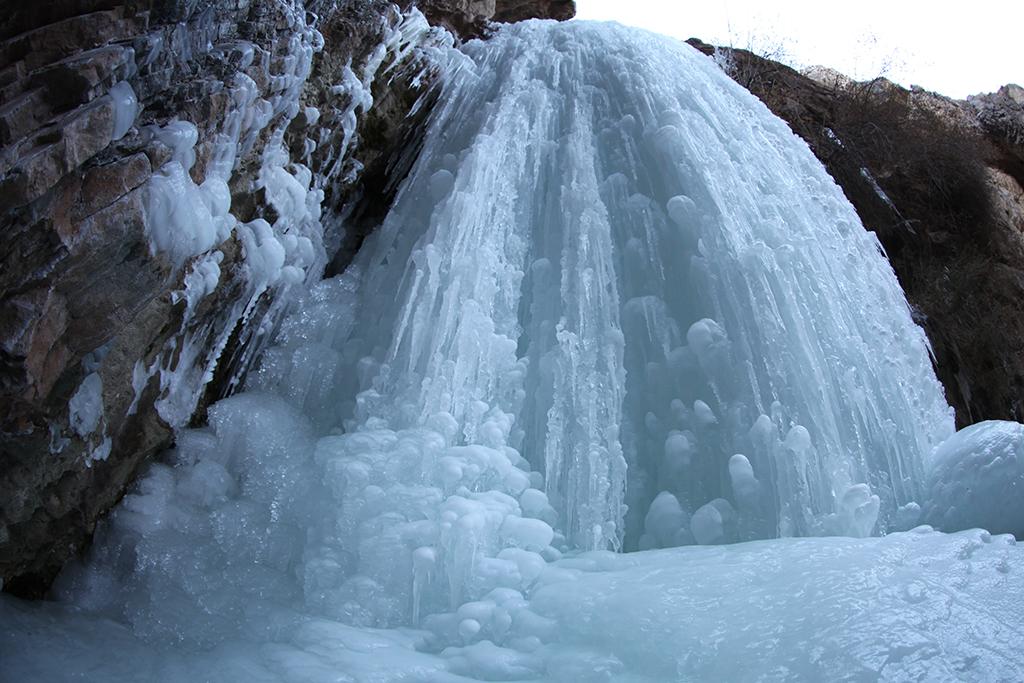
Can I combine skiing with sightseeing? Absolutely. A winter Altai trip pairs naturally with the frozen scenery around Kanas, Hemu, and Keketuohai, though some scenic areas run reduced winter services.
Is one week enough? One week lets you sample both an Altai resort and the town culture without rushing. Ten days is better if you also want the Urumqi resorts and some winter sightseeing.
Disclaimer
Prices, opening dates, and transport details reflect my own visits and checks in 2022 to 2024 and can change with the season and with local policy. Snow conditions vary year to year. Please confirm resort hours, lift-pass prices, flight schedules, and any entry requirements directly with the operators before you commit to a trip.
About the author
Liam Foster has lived in and traveled across Xinjiang since 2019, writing about its mountains, deserts, and food for independent travelers. He has skied in the Altai over four winters and prefers a bowl of hot lagman to any après-ski bar.