Published: July 28, 2026 | Author: Karl, Xinjiang Attractions Editorial Team | Field notes by guest contributor Nadia Osman
My name is Nadia Osman. I am a hospital pharmacist from Kuala Lumpur, and in March 2026 my husband Faiz and I spent twelve days in Kashgar, Hotan and Urumqi while both of us were fasting. This guide to Xinjiang Ramadan is written from that trip. Before we booked, I searched in three languages and found almost nothing practical: no fasting hours, no word on whether restaurants stay open, nothing about what iftar actually looks like on a Kashgar street. So I kept notes on my phone every evening after we broke fast, and this article is those notes, tidied up. Whether you are a Muslim traveler wondering if you can manage the fast on the road, or a non-Muslim visitor worried the region shuts down, I can answer from experience: the trip works, and parts of it were the best travel eating we have ever done, all of it after dark.
Quick reference: Xinjiang Ramadan for travelers
| Question | Short answer (from our March 2026 trip) |
|---|---|
| When is Ramadan? | Moves ~11 days earlier each year. 2027: roughly Feb 7 to Mar 8; 2028: roughly Jan 27 to Feb 25. Exact dates depend on moon sighting. |
| Are restaurants open in daytime? | Yes. In Kashgar, Hotan and Urumqi we saw restaurants, bakeries and tea houses trading normally through the day. |
| Do tourists need to fast? | No. Nobody expects visitors to fast, and eating in public is normal. Observance is a personal matter and varies widely between families. |
| Fasting hours (March, Kashgar) | Our fast ran about 6:35 am to 8:05 pm on Beijing-time clocks, roughly 13.5 hours. Remember Xinjiang runs on Beijing time but the sun is two hours behind it. |
| Best part for any traveler | The hour after sunset. Naan ovens fire up, samsa trays come out, and old town lanes fill with families eating together. |
| Costs | Feb and Mar are low season: we paid 190 RMB for a Kashgar old town guesthouse double that lists at 320 RMB in July. |
What Ramadan in Kashgar actually felt like
I will be honest about my worry going in. I had read travel forum posts from ten years ago saying everything would be complicated, and other posts saying Ramadan is invisible in Xinjiang. Neither matched what we found in 2026. The daytime city looks ordinary: shops open, tea houses pouring, tour groups photographing the lanes. You could visit in the second week of Ramadan and, before sunset, not particularly notice the month at all.
Then about half past seven in the evening, Kashgar changes gear. On our first night I stood in a lane off the Id Kah square watching a baker slap rounds of dough into his tonur oven with a speed that told me he was working against a deadline. By 7:50 there was a quiet queue of maybe twenty people, most holding a few dates in a napkin. Faiz asked the man ahead of us, through a translation app, what time sunset prayer was. Instead of answering, the man gave us four of his dates. That was our first iftar in Xinjiang: dates from a stranger, hot naan at 4 RMB, standing in a lane while swifts crossed the pink sky above the rooftops.
Our guesthouse owner, a woman in her fifties everyone called Rukiye apa, fasted; her adult son did not, and drank tea openly at the front desk all afternoon. Nobody in the household made anything of it in either direction. That mix is what we saw all trip, and it is worth knowing so you arrive without assumptions. If you want deeper background on local customs year-round, the Xinjiang etiquette guide on this site matches what we experienced.
Getting there and around during Ramadan
Logistics are the easy part, because February and March sit in Xinjiang’s low season. We flew Kuala Lumpur to Urumqi via Xi’an, then Urumqi to Kashgar for 480 RMB each, about 60 percent of the summer fare. Trains, buses and taxis run on their normal schedules through the month; drivers who fast simply do it while working. One private driver we hired for a day trip to Opal village kept a thermos and a bag of dates on the passenger seat for sunset, and pulled over at 8:04 pm sharp to break fast. He offered us half of everything, which by then had stopped surprising us.
Two practical notes. First, if you are fasting, book flights that land before mid-afternoon so you are not stuck in transit at sunset with nothing but airline snacks you cannot eat yet. Second, security checks at stations involve no food restrictions at all; carry your iftar dates in your daypack without a second thought. For general route planning and budgets, the Xinjiang travel cost breakdown is accurate against what we spent.
When Ramadan falls, and whether to plan around it
Ramadan follows the lunar calendar, so it arrives about eleven days earlier each Gregorian year. In 2027 it should run from around February 7 to March 8, with Eid al-Fitr, locally called Rozi Heyt, on approximately March 9. In 2028 it shifts to late January through February 25. Treat all dates as provisional until the moon sighting is announced.
For fasting travelers this timing is friendly: a winter fast in Kashgar is around 13 hours, far gentler than the 16-plus hours we manage in a Malaysian June. The trade-off is weather. Kashgar in early March gave us daytime highs of 12 to 15 degrees and mornings near freezing; Urumqi still had crusted snow on pavements. Pack a proper coat and do not expect the lakes and grasslands to be at their best. If your priority is scenery rather than culture, honestly, a different month serves you better; the festivals calendar lays out the whole year so you can weigh it up. If your priority is food culture after dark, Ramadan is a strong pick.
Where we stayed
We spent seven nights in a family guesthouse in Kashgar’s old town at 190 RMB per night, two nights in Hotan at a mid-range hotel for 210 RMB, and two in Urumqi near the Grand Bazaar for 260 RMB. The guesthouse was the right call for Ramadan specifically. Rukiye apa knocked on our door at 5:50 each morning for suhoor without ever being asked, and fed us leftover polo, hot milk tea and yesterday’s naan warmed on the stove. When I tried to pay extra at checkout she refused twice, so we left a box of Malaysian dates instead, which went over well. Hotels are fine too, but no Urumqi hotel is waking you before dawn; we relied on alarms and a kettle plus supermarket bread, which felt bleak by comparison.
Eating: fasting or not, this is the good part
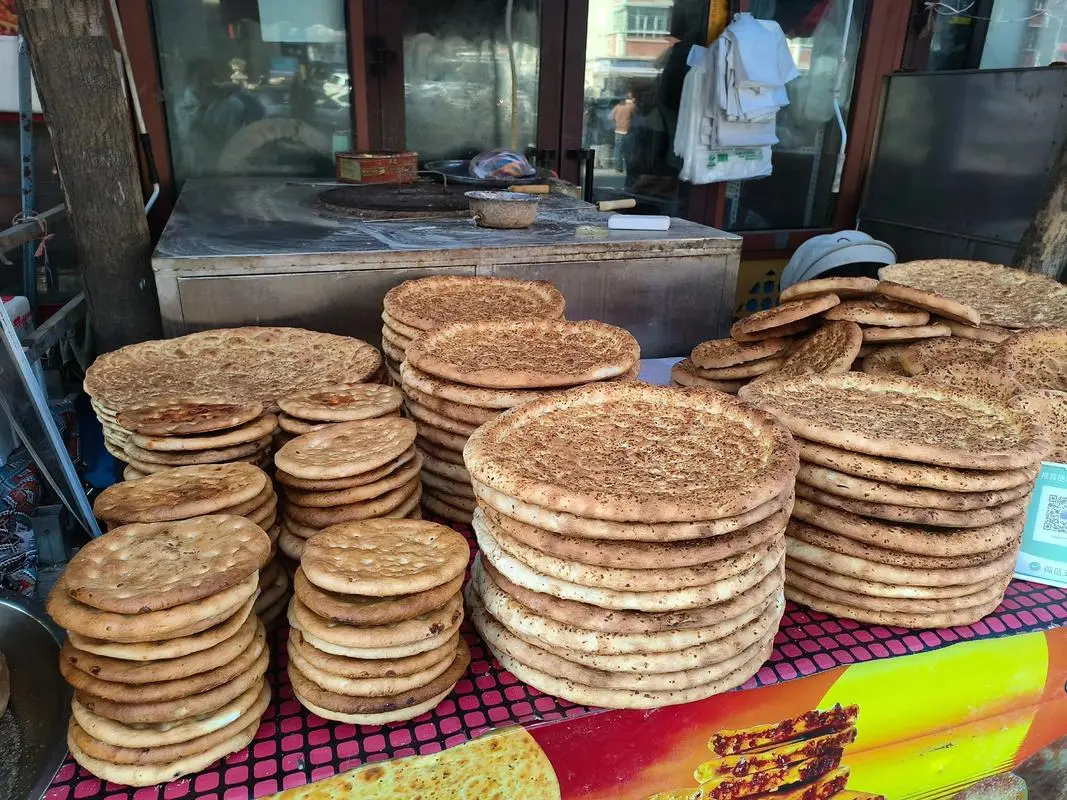
Iftar street food became the spine of our trip. The pattern in Kashgar’s old town: dates and naan at sunset, then a slower meal from about 8:30 pm. Our regular round cost the two of us 40 to 60 RMB a night. Fresh naan straight off the oven wall, 4 to 5 RMB. Lamb samsa, 6 RMB each, at their best around 9 pm when the trays turn over fastest. Pomegranate juice pressed at a cart, 10 RMB. Twice we splurged on a laghman and kebab sit-down meal for about 70 RMB total. On the fourth night Rukiye apa’s family invited us to their table: shorpa first, then polo with quince, then so much fruit I nearly missed suhoor from being full. If you are cataloguing dishes, the halal food guide and the food markets guide on this site cover the year-round scene; everything in them applies doubly after sunset in Ramadan.
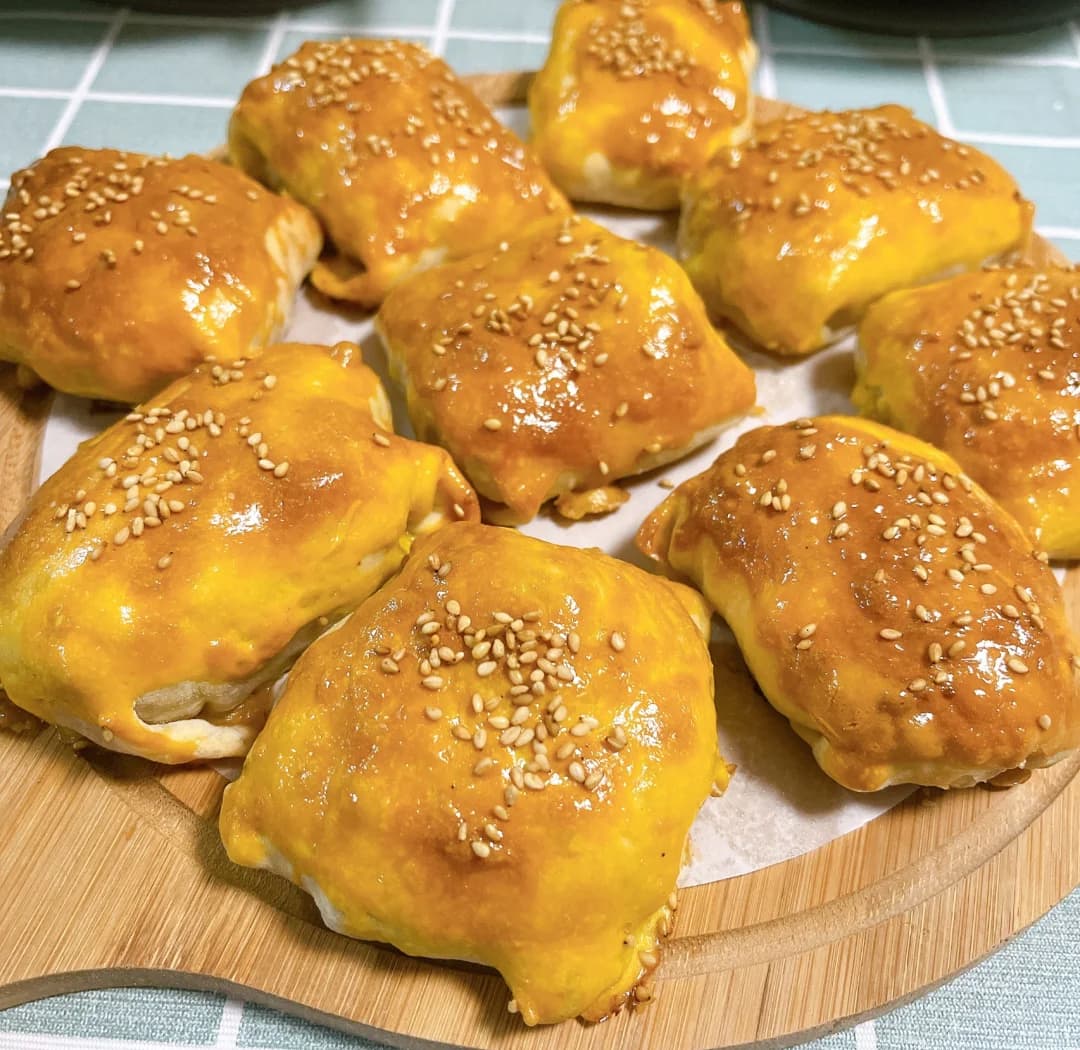
Non-Muslim travelers lose nothing in daytime. Restaurants serve lunch as usual, and no one we met expected visitors to abstain. Basic thoughtfulness goes a long way, the same as anywhere: I would not wave a lamb skewer at a queue of people waiting for sunset, but nobody demands you hide your water bottle.
Practical tips from our notebook
- Clock confusion is the big trap. Everything official runs on Beijing time, but the sun in Kashgar lags it by two hours. Prayer and fasting times follow the sun. We used a prayer app set to GPS location and ignored the wall clocks for anything fasting-related.
- Carry dates. Sunset catches you where it catches you. A 15 RMB box of Hotan dates from the bazaar lived in my bag all trip, and sharing them started three separate conversations.
- Eat your main iftar late. Stalls hit their stride around 9 pm. Arriving at 8:10 expecting everything ready leads to standing around hungry, which we learned the hard way on night two.
- Mosque visits. Id Kah remains open to visitors in Ramadan outside prayer times. Dress modestly and follow the posted rules; the Id Kah visiting guide covers specifics.
- Urumqi feels different. The capital is bigger, more mixed and more secular; Ramadan is much less visible there than in Kashgar or Hotan. Plan your Ramadan-specific nights in the south.
- If you catch Rozi Heyt (Eid al-Fitr), stay put in Kashgar. We missed it by a week, but Rukiye apa described the morning prayer crowds, new clothes and rounds of family visits with sangza pastry. Its bigger cousin later in the year is covered in the Corban Festival guide.
A four-day Ramadan rhythm in Kashgar
Day 1: Land early, sleep off the flight, easy old town walk in the cool afternoon. First iftar near Id Kah, early night.
Day 2: Slow morning, livestock market or old town workshops before the day warms, nap after midday (fasting travelers, protect the nap), sunset naan queue, big 9 pm street food round.
Day 3: Day trip to Opal village with a driver, back by 7 pm, iftar with your guesthouse family if invited.
Day 4: Grand Bazaar in the morning for dates and dried fruit, afternoon tea house people-watching (order nothing if fasting, they genuinely do not mind), final iftar splurge on laghman and kebabs.
FAQ about Xinjiang Ramadan
Can tourists visit Xinjiang during Ramadan?
Yes, completely normally. Sights, transport, hotels and restaurants all operate. We booked everything the standard way and hit no Ramadan-related obstacles in twelve days.
Are restaurants closed during the day?
No. In every city we visited, eateries traded through daylight hours. Some family-run places in Kashgar’s old town opened a little later in the morning, but we never failed to find lunch.
Do non-Muslim travelers face any restrictions?
None that we saw. Eat and drink as usual. Ordinary courtesy near people waiting for sunset is appreciated, not required.
Is Ramadan a cheap time to visit?
Yes, because it currently overlaps low season. Our flights and rooms ran 30 to 40 percent below summer prices. Check the Xinjiang travel FAQ for general low-season notes.
What should fasting travelers pack?
A prayer app that uses GPS rather than city clocks, electrolyte sachets for long sightseeing days, dates, and a small thermos. Winter air in southern Xinjiang is very dry, so hydrate hard between sunset and dawn.
Disclaimer
This article describes our personal trip in March 2026 as foreign Muslim visitors. Religious observance in Xinjiang is a personal and family matter and what you encounter may differ by place, season and household. Ramadan dates, prices, opening hours and transport details change; confirm current information before you travel. We paid for everything ourselves and have no commercial relationship with any business named here.
About the authors
Nadia Osman is a hospital pharmacist in Kuala Lumpur, Malaysia. She and her husband Faiz have traveled in eleven countries during Ramadan, and Xinjiang was their first fasting trip in China. This article was edited and published by Karl of the Xinjiang Attractions editorial team, who has traveled extensively in the region and verified the practical details against recent visits.
Planning to visit during a festival? Our Xinjiang festival participation guide covers invitations, gifts, and etiquette.