Published: July 22, 2026 | Author: Xinjiang Attractions Editorial Team
Why you should skip the hotel restaurant
When people plan a trip to Xinjiang, they usually book the sights first and leave food as an afterthought. That is a mistake. Xinjiang food markets are the single best place to understand the region, because the cooking you find there is the cooking locals actually live on. We have spent the last six years wandering markets from Urumqi to Kashgar, and the meals we remember most are the ones eaten standing up at a plastic table, not the ones served on a white tablecloth. Some of the families selling here also teach, which is how we ended up in a Uyghur cooking class instead of just another lunch.
This guide comes from those trips. We are not a tour company and we do not get paid to recommend any stall. What follows is what we learned by showing up early, pointing at things, and asking questions through a translation app. Where we cite numbers, they come from signs we photographed on site or from the local tourism bureaus in Urumqi and Kashgar.
Quick reference
| Question | Short answer |
|---|---|
| Best cities for markets | Urumqi, Kashgar, Turpan, Hotan, Yining |
| Best time of day | 8–11 a.m. for produce and bread; 7–11 p.m. for cooked food |
| Things to try first | Naan, chuanr, polo, laghman, milk tea, dried apricots |
| How to pay | Cash for small stalls; Alipay or WeChat in the bigger bazaars |
| Language on the ground | Uyghur and Mandarin; a phone translator covers the rest |
| Is the food halal | Yes. Almost every market stall is halal |
What we found on our first market morning
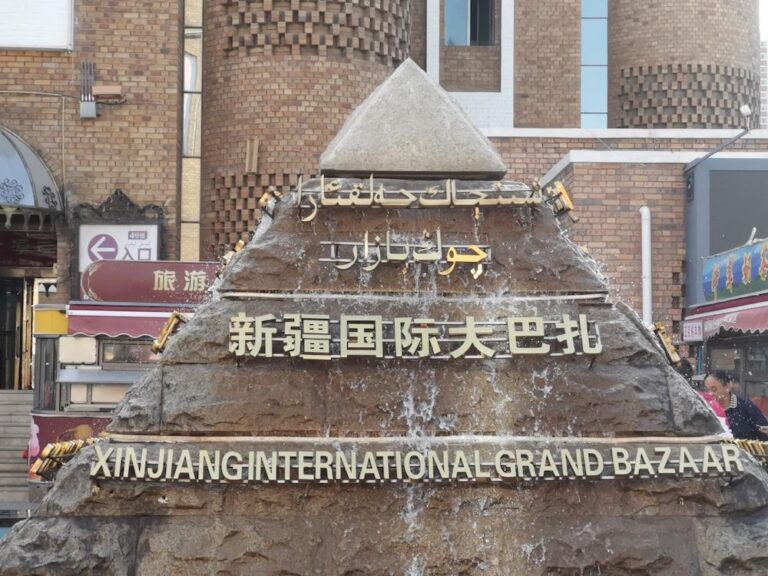
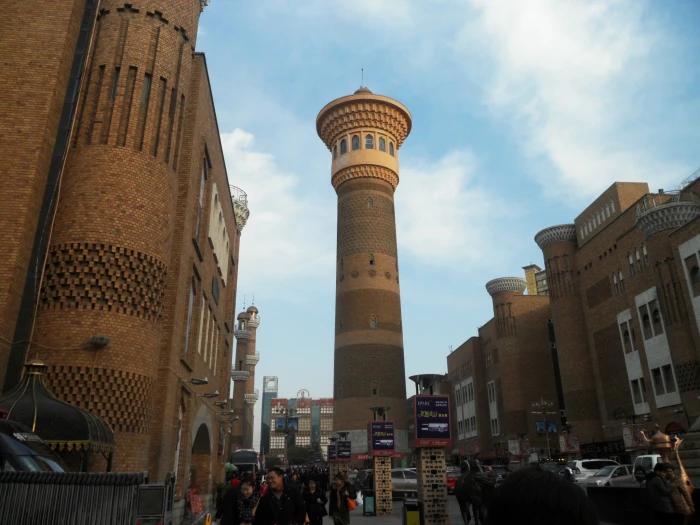
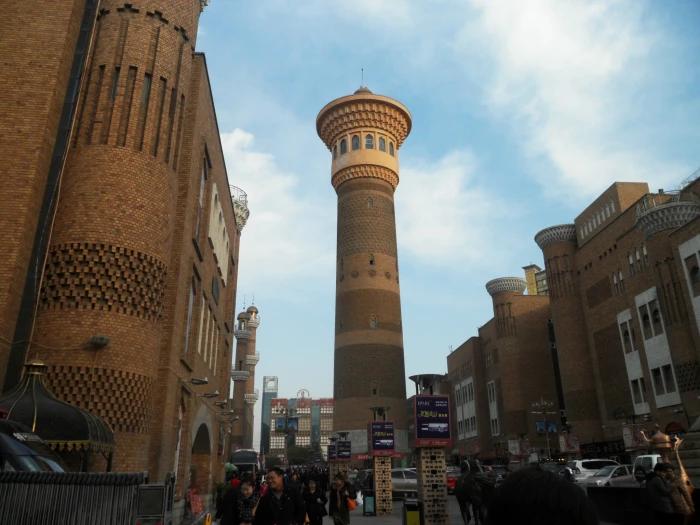
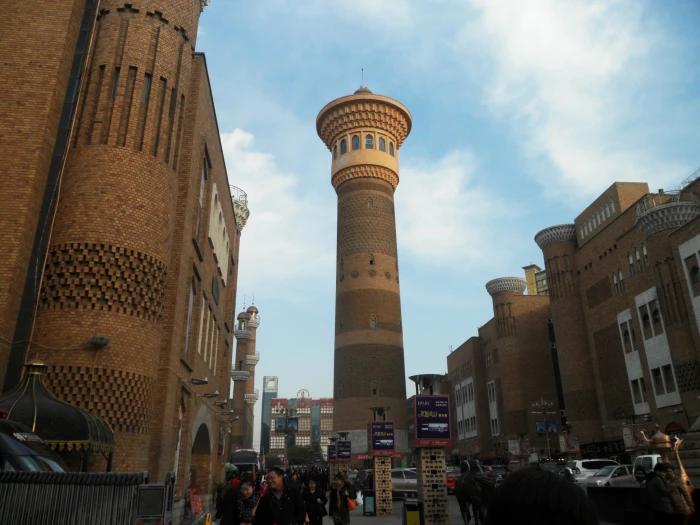
Our first real lesson happened on a Tuesday in September, around 9 a.m., at the edge of the Urumqi International Bazaar. We expected a tourist show. Instead we walked into a working wholesale yard where grandmothers in headscarves were arguing over the price of walnuts by the kilogram and a man was pulling sheets of naan off the wall of a round clay oven. The bread came out scorching hot, blistered on the bottom, and cost three yuan. We ate it leaning against a cart while a vendor laughed at our attempts to say “thank you” in Uyghur (rahmet).
That morning set the pattern for every market we visited after. The good stuff is not behind glass. It is on a steel tray in front of someone who has been doing this longer than you have been alive. A Kashgar Sunday Market visit later that trip taught us the same thing at ten times the scale: the livestock side alone covers several football fields, and the food rows behind it smell of smoke and cumin for a block in every direction.
Getting to Xinjiang food markets
Most markets sit inside the old city or bazaar district, which means they are reachable by the same buses and metro lines that serve the center. In Urumqi, the International Bazaar is on Jiefang South Road in the Tianshan district; take bus 101 or a taxi from the train station and ask for “Erdaoqiao” (二道桥), the name locals use for the area. In Kashgar, the Sunday market is a short taxi ride from the old town, and drivers know it as “Yarkand Road market.”
If you are moving between cities, the general travel tips we wrote cover how to ride the high-speed rail and regional flights, both of which drop you within a cheap taxi ride of a market. We do not recommend driving into a market district yourself. Parking is scarce and the streets clog up by mid-morning.
Best time to go
Timing changes what you see. Go between 8 and 11 a.m. if you want produce, fresh bread, and the wholesale energy before the heat builds. Go after 7 p.m. for the cooked-food action, when the skewer smokers fire up and the night stalls unfurl their lights. Summer evenings are the liveliest; winter markets still run but the cooked-food rows thin out after 9 p.m. because it gets cold fast.
One week beats another, too. In Turpan the Grape Valley markets swell in August and September when the fruit comes in. In Kashgar, Sunday really is the day; the rest of the week the site is quieter and some sections close.
Where to stay
Stay within walking distance and you can visit a market twice in one day, once for breakfast bread and once for dinner skewers. In Urumqi we have had good luck with modest hotels around Erdaoqiao; the walk to the bazaar is five minutes and the street food starts at dawn. In Kashgar, guesthouses inside the old town (the earthen alley district near Id Kah Mosque) put you among the morning bread sellers before the tour buses arrive.
Budget doubles if you stay out by the airport or the new city, and you lose the early-market window. For a kebab crawl at night, being able to walk home matters more than a swimming pool.
What to eat at Xinjiang food markets
The list below is what we kept coming back for, not what a postcard would show:
- Naan (馕) — flat oven bread, sometimes seeded, sometimes plain. Buy it warm and eat it the same day.
- Chuanr (烤肉串) — lamb skewers rubbed with cumin and chili, cooked over coal. The chuanr guide we wrote goes deeper, but the short version is: fatty is better, and two yuan a stick is a fair price in most cities.
- Polo (抓饭) — rice with carrot, raisin, and lamb, cooked in a wide pan. Order it before noon; the best pans sell out.
- Laghman (拉条子) — hand-pulled noodles with a tomato and pepper sauce. Watch a cook stretch the dough; it is half the show.
- Samsa — meat-filled pastries baked inside the clay oven, hotter and denser than naan.
- Milk tea (奶茶) — salty in the north, sweet in the south. A bowl costs almost nothing and resets your stomach.
- Dried fruit — apricots from Turpan, walnuts from Hotan, raisins by the scoop. Weigh it, then bargain.
Practical tips before you go
- Carry small cash. A ten-yuan note opens more doors than a card. Set up Alipay with a linked card before you leave home, but do not assume every stall takes it.
- Ask before you photograph people. Most vendors are friendly about it once you smile and point at your camera. Some say no. Respect that.
- Bargain on goods, not on food. Cooked skewers and bowls have set prices. Dried fruit, rugs, and knives are where the haggling happens.
- Eat where the line is long. A busy stall turns over stock fast, which means fresher food and lower risk.
- Learn five words. “rahmet” (thanks), “bak” (look), “neche pul” (how much), “suluq” (water), “yakhshi” (good). They got us further than any app.
A one-day market plan
If you have a single day in Urumqi, here is the route we would hand a friend:
- 8:30 a.m. — Walk to Erdaoqiao. Buy warm naan and a bowl of milk tea from the first open stall.
- 10:00 a.m. — Browse the dried-fruit and nut rows. Weigh what you like, then bargain at 60–70% of the first price.
- 1:00 p.m. — Lunch on polo at a stall that is full of locals, not tourists.
- Afternoon — Rest. Markets are quiet then and the heat is real in summer.
- 7:30 p.m. — Return for chuanr and laghman. Follow the smoke and the crowd.
- 9:30 p.m. — Walk back to the guesthouse. Do not drive.
Frequently asked questions
Are the markets safe?
Yes. They are crowded, well lit, and patrolled, and pickpockets are the main thing to watch. Keep your bag in front of you and you will be fine.
Can I pay with a foreign credit card?
Rarely at a stall. Bring cash and set up a Chinese payment app in advance. Supermarkets attached to the bigger bazaars sometimes take cards, but do not count on it.
Is alcohol sold at the markets?
Mostly no. The food culture is halal, so alcohol is limited. You will find it in some Han-run shops or in bars outside the market district, not at the food rows.
How do I avoid stomach trouble?
Eat at busy stalls, peel your own fruit, drink boiled or bottled water, and skip the mayonnaise-style salads that have sat in the sun. We have eaten this way for years without a serious problem.
Do I have to bargain?
Only on goods. Cooked food and drinks have fixed prices. At a dried-fruit stall, a polite first offer around two-thirds of the ask is normal and expected.
Disclaimer
The details above come from our own visits between 2019 and 2026. Opening hours, stall layouts, prices, and even which market runs on which day can change without notice, especially around public holidays. Treat this as a starting point, not a guarantee. We are not medical or financial advisers; the food-safety notes are common-sense tips from experience, not professional guidance. Always confirm current conditions locally before you rely on them, and check the latest entry and permit rules with official sources before you travel.