Last updated: August 2026 | Written by Xinjiang Attractions Editorial Team
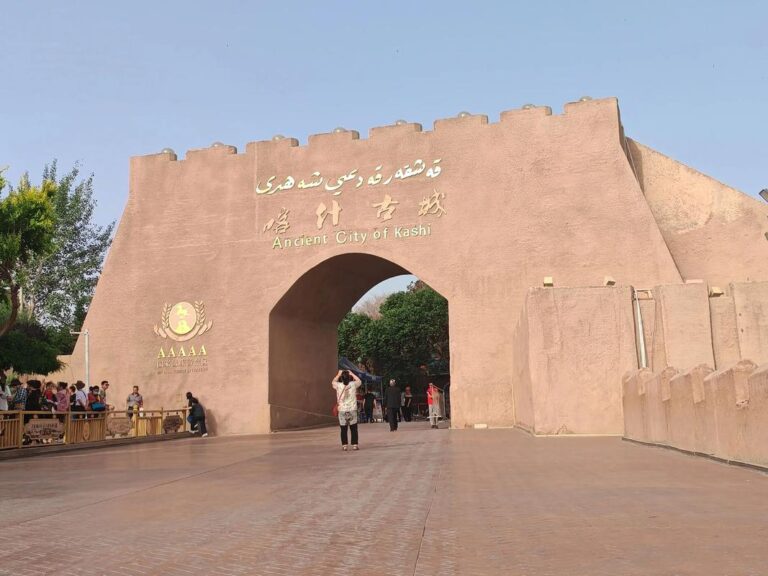
Planning a trip to Xinjiang? After multiple trips across this massive region — from the bustling Sunday Market in Kashgar to the serene shores of Kanas Lake — we’ve learned that Xinjiang is not like anywhere else in China. It’s bigger, wilder, more beautiful, and yes, more challenging to navigate independently.
This guide isn’t copied from Wikipedia. It’s based on first-hand experience — the mistakes we made, the surprises we encountered, and the practical tips that actually work on the ground.
Why You Should Trust This Guide
| Our Experience | What This Means for You |
|---|---|
| Traveled independently across Xinjiang (not packaged tours) | Real, unbiased advice |
| Spent time in Uyghur, Kazakh, and Han communities | Cultural insights you won’t find in brochures |
| Verified info with local guides and tourism offices | Accurate, up-to-date information |
| Updated for 2026 (prices, visas, transport) | Current, reliable data |
1. Xinjiang Is ENORMOUS — Plan Your Distances
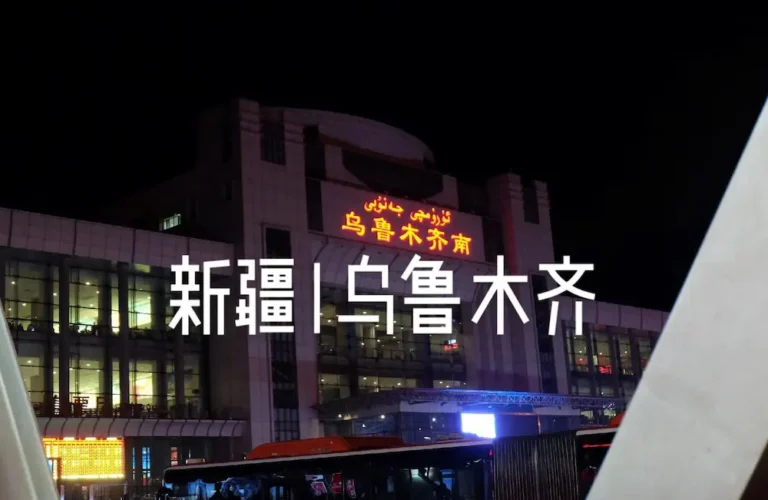
The single biggest surprise for first-time visitors: the scale. Xinjiang is 1.66 million km² — larger than Iran, larger than Mongolia. Driving from Urumqi to Kashgar takes 15+ hours (1,500km). Don’t try to “see Xinjiang” in 5 days. Our recommended minimum: 7 days (see our 7-day itinerary).
2. Altitude Sickness Is Real
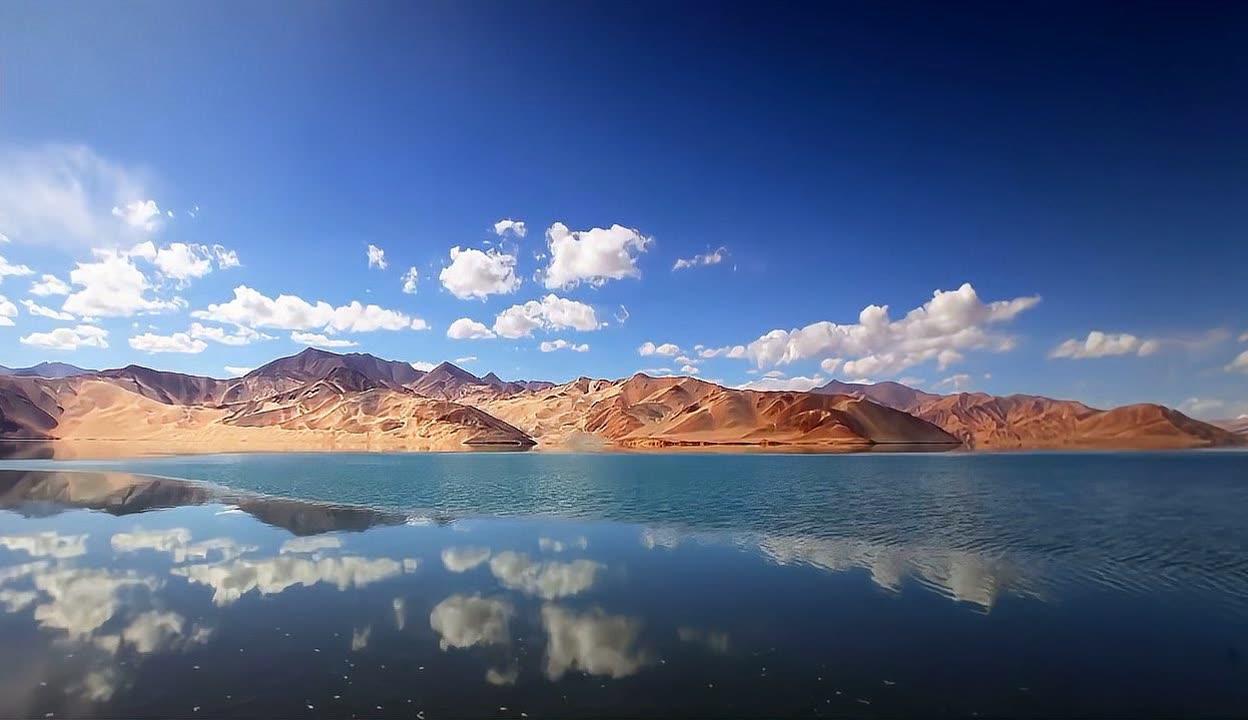
Much of Xinjiang sits above 1,000m. Tashkurgan (on the Pakistan border) is at 3,100m. If you’re flying straight into Kashi (Kashgar) from Beijing (altitude 1,200m), you’ll probably be fine. But if you’re heading to Tashkurgan or the Pamir Plateau, give yourself 2 days in Kashgar to acclimatize. We learned this the hard way — our first trip to Tashkurgan, we didn’t acclimatize and spent the first night unable to sleep from mild AMS.
3. Cash Is Still King (Especially Outside Urumqi)
In Urumqi and central Kashgar, Alipay and WeChat Pay are widely accepted. But in smaller towns, rural areas, and especially at local markets (bazaars), cash (Chinese Yuan) is essential. There’s also the issue of international cards — most merchants can’t accept foreign credit cards. Bring sufficient CNY cash with you.
4. The Language Barrier Is Significant
Outside major cities, English is rarely spoken. Even standard Mandarin isn’t universal in rural areas where Uyghur, Kazakh, or Kyrgyz are the primary languages. Download Google Translate with Chinese offline pack before you go. The camera translation feature (point your camera at Chinese text) is a lifesaver at bus stations and restaurants.
5. Best Time to Visit Depends on WHERE You’re Going
Xinjiang has two climate zones: the north (Dzungarian Basin) is colder; the south (Tarim Basin) is desert hot. Generally:
May-June: Ideal — wildflowers in Yili, fewer tourists
July-August: Peak season, domestic tourists everywhere, higher prices
September: Our favorite — fall colors in Kanas, pleasant weather
October-March: Very cold, some passes closed, but incredible snow scenery
Read our month-by-month guide for details.
6. You DON’T Need a Guide for Independent Travel
Outdated information says you need a guide or can’t travel independently in Xinjiang. This is wrong. We’ve traveled independently multiple times — by train, by bus, and by rented car. The only exception: some border areas (like the Khunjerab Pass) require special permits, but regular tourist destinations are open to independent travelers.
7. Trains Are the Best Way to Get Around
China’s high-speed rail now reaches many parts of Xinjiang. The Urumqi-Kashgar line is particularly scenic. Our transportation guide has the full details, but the short version: book trains on 12306.cn (use Chrome translate) or through Ctrip (Trip.com) which has an English interface.
8. Flights Within Xinjiang Are Cheap and Fast
Urumqi connects to almost every city in Xinjiang by air. A one-way Urumqi-Kashgar flight is about ¥600-1,200 ($85-170). Book in advance for better prices. Note: you’ll need to show your passport at check-in, even for domestic flights.
9. Accommodation: Book Ahead for July-August
Xinjiang’s peak season (July-August and Chinese National Day, Oct 1-7) sees accommodation sell out completely. We once arrived in Turpan on a July evening without a booking — every hotel was full, and we ended up driving 40km to the next town. Learn from our mistake: book at least 3 days in advance during peak season.
See our accommodation guide for types and price ranges.
10. Food: Don’t Miss the Uyghur Cuisine
Xinjiang food is a highlight of any trip. Must-tries: laghman (hand-pulled noodles), naan (flatbread), chuanr (grilled meat skewers), and polo (pilaf with lamb and carrots). In Kashgar, the best meals are in the Old City’s small restaurants — look for ones packed with locals. Our food guide covers the top 15 dishes.
11. Halal Food Is Widely Available
Most restaurants in Xinjiang are halal (no pork served). This makes Xinjiang an excellent destination for Muslim travelers. Look for the “清真” (halal) sign on restaurant doors. Read our halal food guide.
12. Respect Local Customs and Dress Modestly
In Islamic areas (most of southern Xinjiang), dress modestly — cover shoulders and knees. When visiting mosques (like Id Kah in Kashgar), women should bring a headscarf. Always ask before photographing people — most Uyghur people are happy to be photographed if you ask first, but some may decline for religious reasons.
13. Toilet Paper: Always Carry Your Own
Public restrooms in Xinjiang (and China generally) often don’t provide toilet paper. Carry a small pack of tissues with you at all times. Also: many public toilets are squat toilets, not Western-style. If you’re not comfortable with squats, travel with a portable toilet seat.
14. Internet and the Great Firewall
Google, Facebook, Instagram, and WhatsApp are blocked in China (including Xinjiang). To access them, you’ll need a VPN — but most VPNs are also blocked. We recommend setting up your VPN before you arrive in China. Alternatively, buy a local SIM card (China Mobile, China Unicom) and use it — local internet is fast, but you won’t access blocked sites.
15. SIM Cards: Buy at the Airport
You can buy a Chinese SIM card at Urumqi Airport or any China Mobile/Unicom store. Bring your passport. A typical tourist SIM: ¥50-100/month for 10-20GB data. Data speeds in Xinjiang are good in cities, spotty in remote areas.
16. Sunscreen and Sunglasses Are NON-NEGOTIABLE
Xinjiang’s UV intensity is no joke — you’re at high altitude, under clear skies, often surrounded by snow or desert (which reflect UV). We got sunburned in October in Turpan (yes, in autumn). Pack SPF 50+, sunglasses, and a hat. Your future self will thank you.
17. Bargaining Is Expected (But Be Respectful)
At bazaars (like Kashgar’s Sunday Market), prices are rarely fixed. Bargaining is part of the culture. A good rule: start at 50% of the asking price, meet in the middle. But be respectful — these are small business owners, not corporations. If you agree on a price, you’re expected to buy.
18. Safety: We’ve Never Felt Unsafe
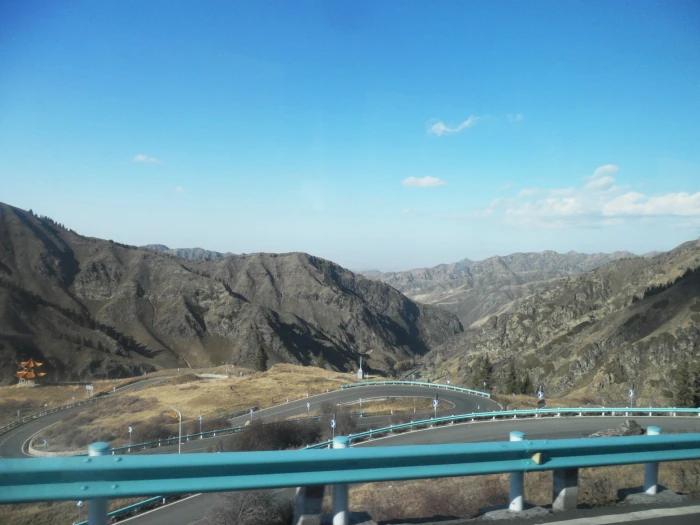
Despite what you might read, we’ve never felt unsafe traveling in Xinjiang — not in Kashgar, not in Urumqi, not on remote highways. Crime rates are low. The main safety concern is actually road safety — long-distance driving on mountain roads. Use reputable transport options, don’t drive drunk (obviously), and you’ll be fine.
Read our detailed safety guide.
19. Money: How Much to Budget Per Day
| Budget Level | Per Day (CNY) | What You Get |
|---|---|---|
| Backpacker | ¥200-350 | Hostels, street food, public transport |
| Mid-range | ¥400-800 | 3-star hotels, mix of restaurants, some tours |
| Luxury | ¥1,000+ | 4-5 star hotels, private transport, fine dining |
Our budget guide has more details.
20. Visa-Free Transit: 144 Hours (6 Days)
If you’re transiting through China (including Xinjiang) and hold a passport from one of 53 eligible countries, you can enter visa-free for up to 144 hours (6 days). This is perfect for a short Xinjiang trip if you’re connecting through Urumqi. Read the full policy details.
Practical Packing List (By Season)
Here’s what we actually used on our trips:
- All year: Sunscreen SPF 50+, sunglasses, hat, tissues/toilet paper, power bank, translation app
- Spring/Autumn: Layers (temperature swings 10-20°C between day and night), light jacket
- Summer: Light clothes but with long sleeves (sun protection), refillable water bottle
- Winter: Down jacket, thermal underwear, waterproof boots, gloves
Sample 5-Day “Taster” Itinerary
If you only have 5 days, here’s what we recommend:
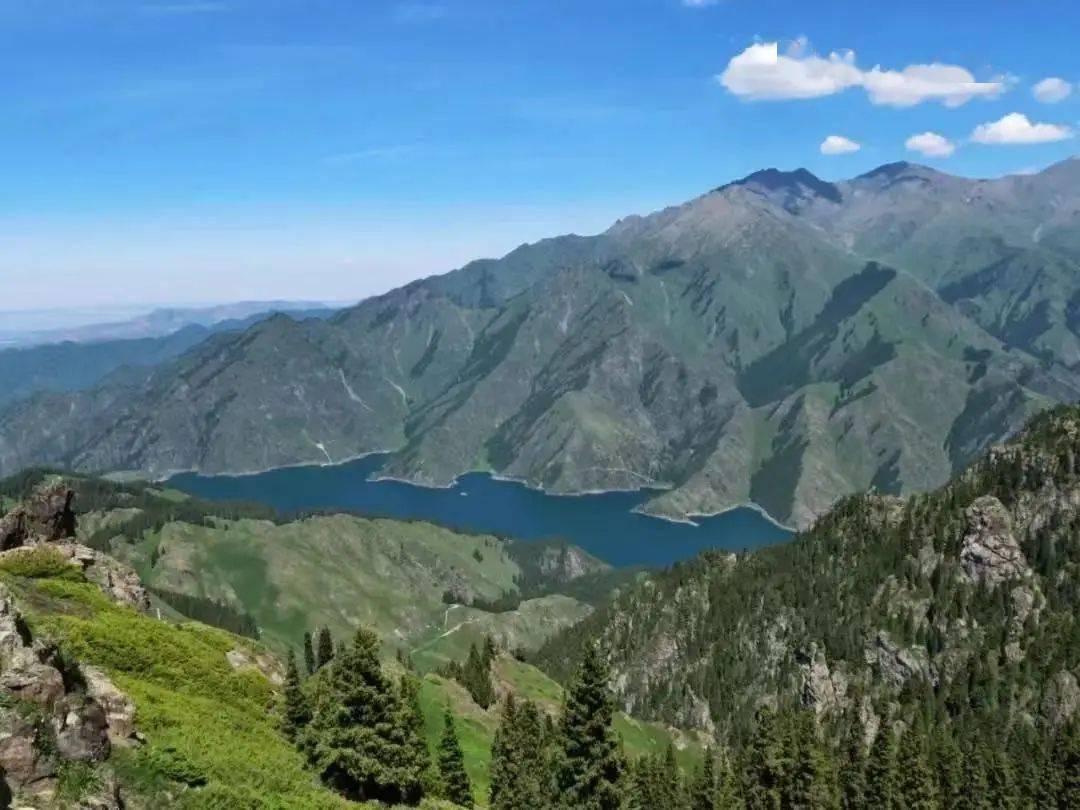
Day 1: Arrive Urumqi → Heavenly Lake (day trip) → overnight Urumqi
Day 2: Fly Urumqi → Kashgar → explore Old City
Day 3: Kashgar Sunday Market → Id Kah Mosque → overnight Kashgar
Day 4: Day trip to Karakoram Highway (if open) or Karakul Lake
Day 5: Fly out from Kashgar
For a longer trip, see our 10-day itinerary.
Frequently Asked Questions
Do I need a visa for Xinjiang?
Xinjiang is part of China, so you need a China visa (or qualify for visa-free transit). There’s no separate “Xinjiang visa.” Apply at a Chinese embassy in your home country before traveling.
Can I use foreign credit cards in Xinjiang?
Rarely. Most hotels, restaurants, and shops only accept Alipay, WeChat Pay, or cash (CNY). Some high-end hotels in Urumqi accept Visa/Mastercard, but don’t rely on it. Withdraw cash at a bank ATM upon arrival.
Is the food spicy?
Uyghur food is flavorful but not typically “spicy hot” (like Sichuan food). It uses cumin, pepper, and paprika — fragrant, not burning. If you’re sensitive to spices, you’ll be fine.
What’s the Wi-Fi like?
Hotel Wi-Fi is generally good in cities. In rural areas and on the road, don’t expect Wi-Fi. Mobile data (4G/5G) works well in most populated areas.
Disclaimer: This guide is based on our team’s personal travel experience in Xinjiang. Prices, opening hours, and visa policies change — please verify critical details (especially visa and border crossing rules) before your trip. We are not responsible for issues arising from outdated information.
About the Author
Written by: Xinjiang Attractions Editorial Team
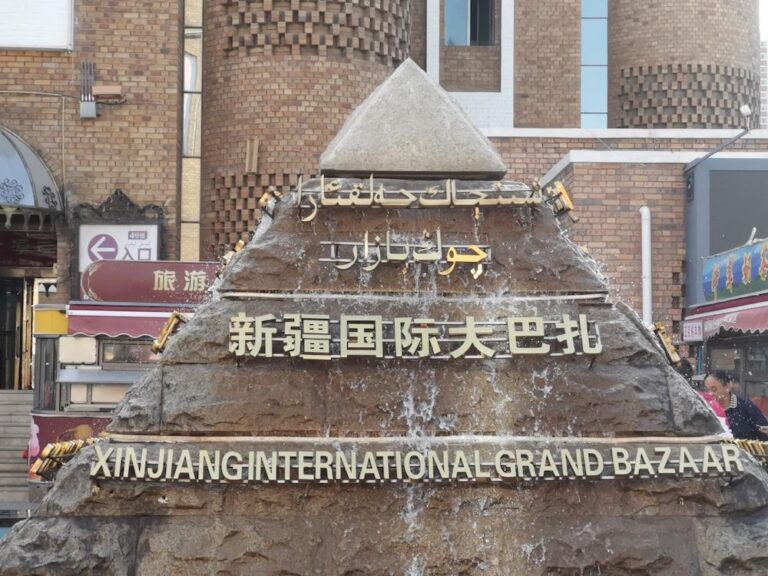
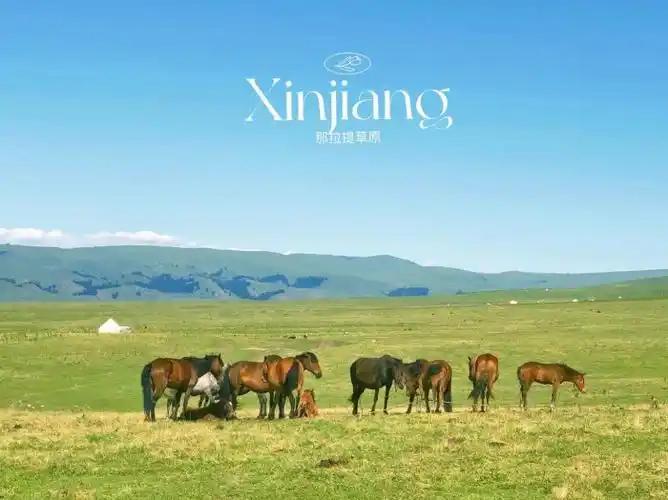
Our team has personally traveled across Xinjiang — from the bustling streets of Kashgar to the serene shores of Kanas Lake. We’ve slept in yurts on the grassland, bargained in Urumqi’s Grand Bazaar, and driven the Karakoram Highway. Every guide is based on first-hand experience, not second-hand information.
Last updated: June 2024