Published: July 28, 2026 | Author: Karl Huang, Editor at Xinjiang Attractions | Field notes contributed by Marta Keller, retired botany teacher from Freiburg, Germany
My sister spent thirty years teaching plant biology to teenagers, so when we planned our September 2025 trip through southern Xinjiang, she had one non-negotiable stop: the medicinal herb rows of the Kashgar and Hotan bazaars. What we found there opened a door into Xinjiang traditional medicine, a healing tradition locals call Uyghur Tibb, with roots that reach back more than a thousand years along the Silk Road. This article is a cultural and historical guide, not a medical one. We are travelers who asked a lot of questions, took a lot of notes, and cross-checked what we heard against museum displays and published histories. If you are curious about what Tibb is, where you can respectfully observe it, and how it fits into daily life in Xinjiang today, read on.
Quick reference: Xinjiang traditional medicine at a glance
| Question | Short answer |
|---|---|
| What is it called? | Uyghur Tibb (from the Arabic word for medicine); recognized in China as one of the minority traditional medicine systems |
| How old is it? | Written records span roughly 1,000+ years; it blends Greek-Arabic humoral theory, Persian pharmacy, and local Central Asian plant knowledge |
| Where can travelers see it? | Herb stalls in Kashgar and Hotan bazaars, the Xinjiang regional museum in Urumqi, licensed Tibb hospitals (from outside), old-town apothecary shops |
| Best cities | Hotan (strongest living tradition), Kashgar, Urumqi |
| Can tourists buy herbs? | Culinary items like saffron, rose, and dried fruit are fine; medicinal preparations should be left alone (customs rules plus safety) |
| Is it a substitute for a doctor? | No. See the disclaimer at the end of this article |
What we actually saw: an afternoon in Hotan’s herb rows
The herb section of Hotan’s Sunday market sits behind the fabric sellers, and you smell it before you see it. Marta stopped at the first stall and started naming plants in Latin under her breath: rose buds, licorice root, cistanche stems stacked like firewood, snow chrysanthemum from the Kunlun foothills, dried pomegranate rind in woven sacks. The stallholder, a man in his sixties named Abdurehim, noticed her interest and pulled out a folded chart, hand drawn, showing which preparations his family had sold since his grandfather’s time.
He explained, through our guide’s translation, the core idea of Tibb as he learned it: the body holds four fluids, and health is a matter of keeping them in balance through food, climate, and herbs. Anyone who has read about ancient Greek humoral medicine will recognize the framework. That is not a coincidence. Tibb absorbed the Greco-Arabic medical tradition, the same lineage as Ibn Sina’s Canon of Medicine, as it traveled east along the Silk Road, and then grafted it onto oasis plant knowledge that is much older.
What struck me most was how ordinary it all felt. Shoppers were not tourists hunting for exotica. They were grandmothers buying rose and jujube for winter teas, young men picking up snow chrysanthemum for their fathers, a restaurant owner weighing out safflower. Tibb in Hotan is less a museum piece and more a set of household habits, closer to how a German family might keep chamomile in the cupboard than to anything mystical.
A short history for the curious traveler
Historical records place organized medical practice in the Tarim Basin oases well over a millennium ago. Manuscripts recovered from the region mention drug recipes and treatments that mixed Indian, Persian, Chinese, and local elements, which makes sense for towns that sat on the busiest exchange route of the ancient world. After Islam spread through the region, the Greco-Arabic tradition became the theoretical backbone, and the word Tibb itself came with it.
Today the practice is institutionalized. China recognizes Uyghur medicine as an official traditional medicine system, and there are licensed Tibb hospitals in Urumqi, Kashgar, and especially Hotan, where practitioners complete formal training. A pharmaceutical industry has grown around classic formulas, and you will see boxed Tibb products in ordinary pharmacies next to conventional medicine. We visited none of these facilities as patients, to be clear. We looked at the buildings, read the plaques, and moved on, which is exactly what I recommend other travelers do.
Where to experience Tibb culture respectfully
You do not need an appointment or a prescription to appreciate this tradition. These are the stops we found worthwhile:
Hotan Sunday market herb rows. The densest concentration of medicinal plant sellers we saw anywhere in Xinjiang. Go mid-morning, browse slowly, and ask before photographing people or their goods. Our guide told us most sellers are happy to explain what things are if you show genuine interest. The etiquette basics in our Xinjiang etiquette guide apply doubly here.
Kashgar Old City apothecary shops. Several small shops in the old town sell herbs alongside teas and dried fruit. One shopkeeper showed us a brass mortar he claimed was his great-grandfather’s. True or not, the shop smelled like a hundred years of rose and cardamom, and he sold us an excellent bag of drinking saffron threads.
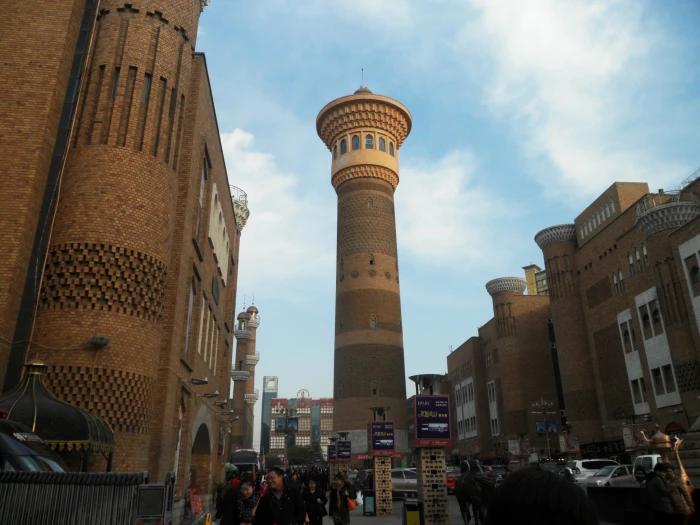
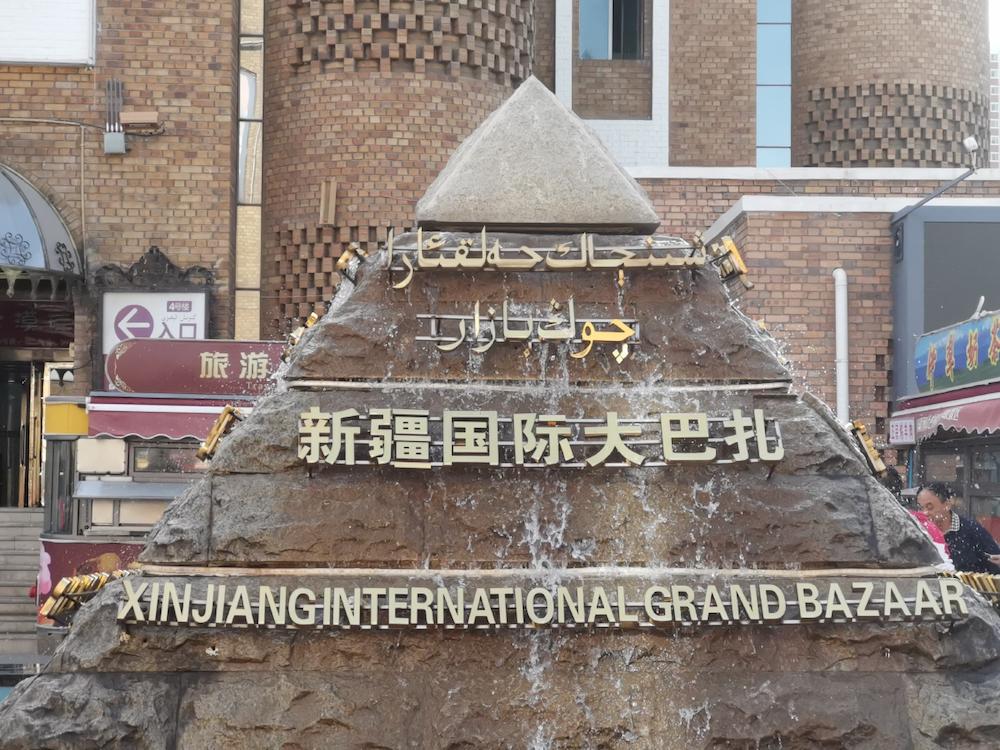
Xinjiang Regional Museum, Urumqi. The history halls include material on Silk Road medical exchange, including manuscript fragments. Captions have English translations. Pair it with a walk through the Urumqi International Bazaar, where the dried goods section carries many of the same botanicals you will have just read about.
Any food market. The line between kitchen and pharmacy is thin in Uyghur food culture. Jujubes, walnuts, pomegranates, figs, and rose all carry traditional health meanings. Our companion piece on Xinjiang spices and herbs covers the culinary side of the same shelf.
Getting there and around
Hotan and Kashgar both have airports with connections through Urumqi. We flew Urumqi to Kashgar, spent four days there, then took the highway bus to Hotan, about seven hours along the southern rim of the Taklamakan with a lunch stop in Yarkand. The train also runs on this corridor and costs less, though it is slower. Within cities, taxis are cheap and ride-hailing apps work. If your trip is a first visit to the region, our 30-question Xinjiang FAQ covers permits, payments, and connectivity so I will not repeat that here.
Best time to visit
September and October are ideal. Autumn is harvest season, so the herb and dried fruit stalls are at their fullest, daytime temperatures in the southern oasis towns sit in the comfortable low twenties Celsius, and the pomegranates are fresh off the tree. Spring (April to May) is the second-best window. Summer works but Hotan regularly passes 35 degrees and dust can be heavy. Winter markets still operate and have their own quiet charm, though selection thins out.
Where to stay
In Kashgar we stayed at a courtyard guesthouse inside the Old City, about 260 RMB per night, which put us within walking distance of the apothecary shops. Hotan has fewer boutique options; we picked a standard business hotel near the bazaar for around 220 RMB and it was clean and practical. Urumqi has the full international range. Booking through Chinese apps got us better rates than international sites in all three cities. For a fuller budget picture, see our Xinjiang travel cost breakdown.
What to eat while you are at it
Food is the most accessible entry point into Tibb thinking. Order these and you are eating the tradition:
Medicinal chicken soup (locals call it dawa chicken in some restaurants), simmered with jujube, ginger, and herbs, is a Hotan specialty worth seeking out. Snow chrysanthemum tea, golden red in the cup, is served in tea houses across the south. Rose jam on fresh bread appears at breakfast in many guesthouses. And the dried fruit and nut platters that open every Uyghur meal, apricots, raisins, walnuts, almonds, are themselves considered daily tonics. The tea houses deserve a slow afternoon of their own; our Xinjiang tea culture guide explains what you will be drinking.
Practical tips from our trip
1. Buy culinary, skip medicinal. Saffron, rose buds, snow chrysanthemum, and dried fruit make good souvenirs and clear customs in most countries as food. Prepared medicines, animal products, and unlabeled powders can be seized at borders and, more importantly, you have no way to verify what is in them.
2. Ask prices per 50 grams. Herb stalls quote by weight and the unit matters. Marta nearly agreed to a kilogram of saffron before our guide stepped in.
3. Bring a translation app with camera mode. Labels are usually in Uyghur and Chinese. Photo translation turned shelf browsing into a genuinely fun afternoon.
4. Do not photograph pharmacies or hospital interiors. Street stalls are generally relaxed if you ask first; medical institutions are not the place for a camera.
5. Pack your own medications. Travel with what you need from home. Our health and medical preparedness guide covers pharmacies, hospitals, and travel insurance in detail.
A sample two-day Tibb culture itinerary (Hotan)
Day 1: Morning at the Sunday market herb rows (any day works for the permanent section, Sunday for full scale). Lunch of medicinal chicken soup near the bazaar. Afternoon walk past the Tibb hospital district, then jade market browsing. Evening at the night market for grilled food and pomegranate juice.
Day 2: Morning visit to a silk and rose workshop on the city edge (many combine both). Tea house stop for snow chrysanthemum tea. Afternoon bus or flight onward to Kashgar for the Old City apothecary shops the following day.
FAQ about Xinjiang traditional medicine
Is Uyghur Tibb the same as Traditional Chinese Medicine?
No. They are distinct systems with different theoretical roots. Tibb descends mainly from the Greco-Arabic humoral tradition, while TCM developed from Chinese philosophical foundations. They share some materials and coexist in Xinjiang pharmacies.
Can foreigners get a Tibb consultation?
Legally the hospitals serve anyone, but language barriers are significant and we did not try. As travelers, we suggest treating the tradition as a cultural subject rather than a health service.
Are the herbs at bazaars safe to use?
We cannot answer that, and neither can you from a market stall. Plants sold loose carry no dosage information or quality control. Enjoy the culinary items and leave the pharmacology to professionals.
What is snow chrysanthemum?
A small red-gold flower grown in the Kunlun mountain foothills near Hotan, brewed as a tea. It became a minor commodity boom item in China in the 2010s. It tastes mildly sweet and earthy, and it was our favorite purchase of the trip.
Is Hotan worth the extra travel time?
For this subject, yes. The living tradition is strongest there. If your schedule only allows Kashgar, the Old City shops and the Sunday livestock and goods markets still give you a solid taste.
Disclaimer
This article is a cultural and travel guide only. It does not provide medical advice, and nothing here should be read as an endorsement of any treatment, herb, or preparation. Traditional remedies can interact with medications and can be harmful or contaminated. Consult a licensed physician for any health concern, and check your home country’s customs regulations before carrying plant products across borders. Prices and transport details reflect our September 2025 trip and may have changed.
About the authors: Karl Huang is the editor of Xinjiang Attractions and has traveled the region extensively since 2019. Field notes for this article were contributed by Marta Keller, a retired secondary school botany teacher from Freiburg, Germany, who visited Kashgar and Hotan with her brother in September 2025. All purchases were made at our own expense and we have no affiliation with any shop, hospital, or product mentioned.