Published: July 22, 2026 | Author: Liam Foster
Why you can trust this Xinjiang camping guide
Most write-ups about sleeping under the stars in Xinjiang come from people who booked a hotel and called it adventure, or from agencies pushing a fixed package. I have actually done the camping. Between 2022 and 2024 I spent nights on a frozen lakeshore in July, on a grassland that turned to mud after rain, and once inside a Gobi sandstorm that cut a trip short. This guide collects what worked, what I got wrong, and the rules that keep you from a miserable or dangerous night. If you are planning Xinjiang camping on your own, the practical detail below is what I wish someone had handed me before my first trip.
Xinjiang camping at a glance
| Region | Best months | Night low | Style | Permit needed |
|---|---|---|---|---|
| Sayram Lake (west shore) | Jun–Aug | 2–8°C | Lakeside tent | No (pay entry) |
| Nalati / Bayanbulak grassland | Jun–Sep | 5–12°C | Designated campsite | No (reserve site) |
| Gobi near Turpan | Apr–May, Sep–Oct | 8–15°C | Organized camp | No |
| Kumtagh Desert (Shanshan) | Apr–May, Sep–Oct | 10–18°C | Camel + tent | No |
| Altai / Kanas fringe | Jul–Sep | 0–8°C | Forest camp | Sometimes (border) |
The single biggest mistake visitors make is treating Xinjiang like a mild summer destination. Daytime in July can hit 30°C on the grassland, then drop near freezing at a 2,000-metre lake. Pack for both in the same day.
What it is actually like: three nights I remember
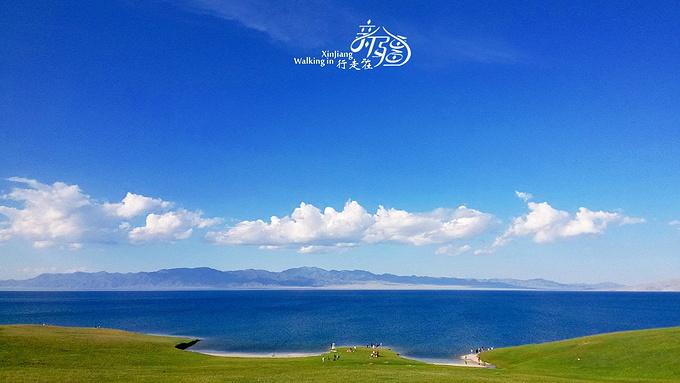
The first real test was Sayram Lake in July 2023. We drove in around 6 p.m. and pitched on the west shore at about 2,070 metres. The water was flat and the light was soft, and we thought we had lucked into perfect weather. By 11 p.m. a westerly wind came off the lake hard enough to flex the tent poles, and I woke at 5 a.m. to frost on the rainfly. My sleeping bag was rated to -7°C and I was glad of it. Lesson one: at altitude, “summer” means nothing once the sun is down.
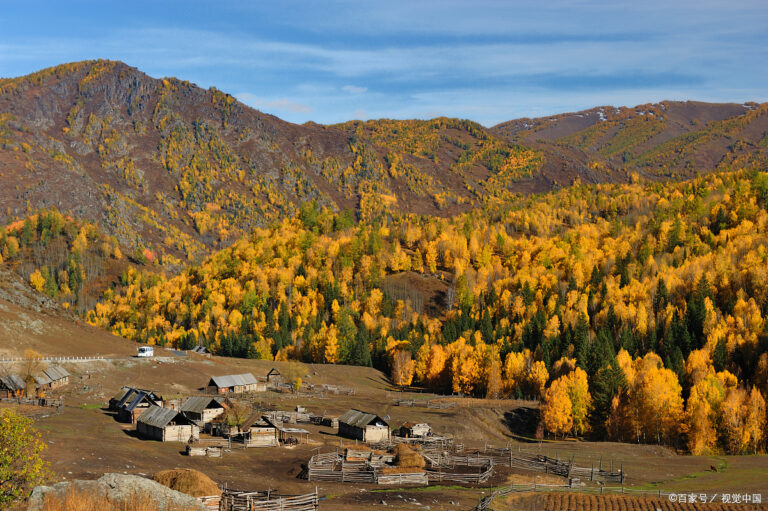
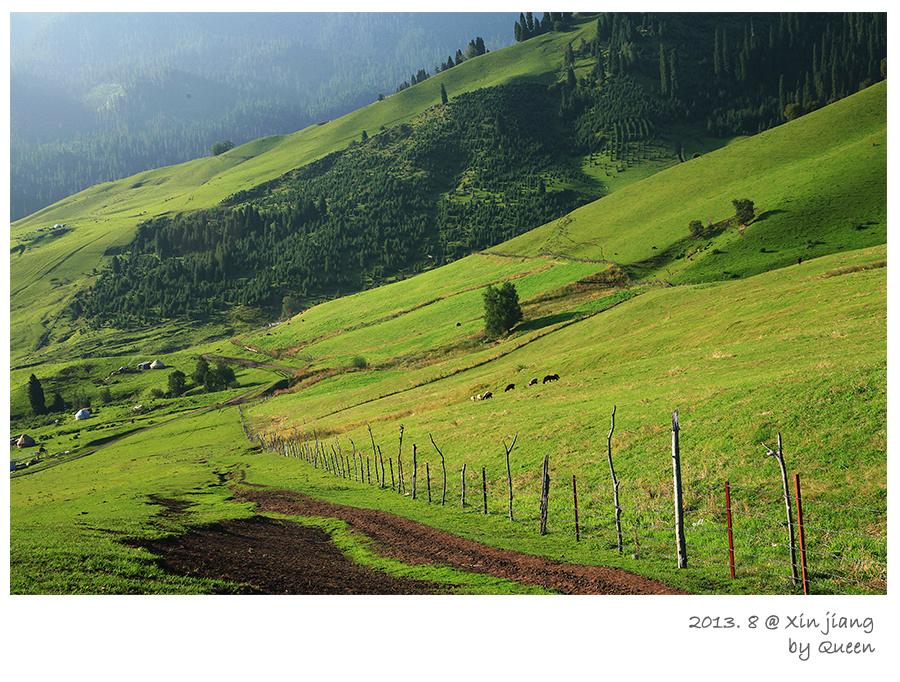
A second trip took me to the Bayanbulak grassland in early September 2022. The nine-turn river was low and golden, and the open meadow looked made for a tent. It is also a protected nature reserve, and free camping inside the core zone is not allowed. We stayed at a fenced campsite just outside it, run by a herding family, for about 120 yuan a night including a yurt option if the wind picked up. Lesson two: the best-looking spot is often the one you are not allowed to use. Check before you pitch.
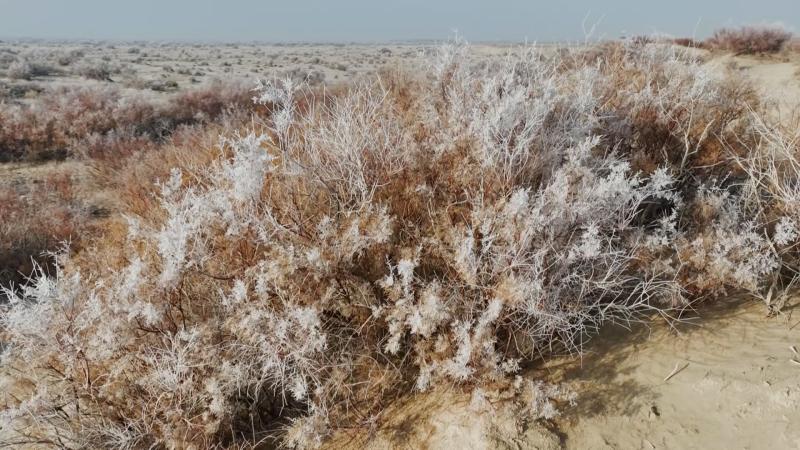
The third night taught me about the Gobi. Near Turpan in April 2023, we set up an organized camp in open desert. Around 2 a.m. the wind shifted and a wall of dust rolled in. We had thirty minutes to pull stakes, bag the gear, and shelter in the support vehicle. Nobody was hurt, but the camp was done. Lesson three: wind and sand own the desert, not you. Build your plan around the forecast, not around your schedule.
Getting to your campsite
Self-drive is the practical way to camp here. Renting an SUV or 4WD in Urumqi gives you the freedom to reach a lakeshore or a quiet meadow and leave when the weather turns. If you want the full picture on routes, fuel stops, and what kind of vehicle holds up, our self-drive Xinjiang guide covers it in detail. Desert fringes and some mountain tracks need real ground clearance, so ask the rental company before you commit to a small sedan.
Not comfortable driving? Several Urumqi agencies run weekend grassland and Gobi camping trips with gear, food, and a guide included. They cost more but remove the logistics. Public buses and trains can get you close — there is a bus from Yining to Sayram Lake, and trains run to Turpan — but you still need a local ride for the final stretch to a campsite.
When to go
The window depends on where you camp. Grasslands (Nalati, Bayanbulak) are green and open from June to September, with the wildflower peak in late June and July. High lakes like Sayram are best July to August, after the ice is gone and before the autumn cold. The Gobi and the Kumtagh dunes are tolerable in spring and autumn but brutal in mid-summer heat, when noon temperatures push past 40°C.
Winter camping is possible but belongs to experienced cold-weather travellers. Sub -20°C nights are normal on the grassland and in the north, and many access roads close. If this is your first overnight trip, stick to June through September.
What to sleep in: gear that earns its weight
Xinjiang punishes light gear. My non-negotiable list after four trips:
- Tent: a wind-resistant 3-season at minimum, ideally a 4-season if you go above 2,000 metres. Stake it with every loop, and bring spare pegs for hard or sandy ground.
- Sleeping bag: rated to at least -5°C, even in July. A bag that is too warm is annoying; a bag that is too cold is a problem.
- Insulated pad: the ground pulls heat from you faster than the air. A foam or inflated pad with an R-value above 3 makes the difference between sleeping and shivering.
- Stove and fuel: open fires are restricted during grassland fire season, so a gas stove is your reliable cooking method. Buy canisters in Urumqi — they are hard to find in small towns.
- Water: carry at least 5 litres per person per day in the desert, more if you are active. Lakes look drinkable; they are not.
Our Xinjiang packing list by season goes deeper on clothing and sun protection, which matters as much as the tent at these altitudes.
Eating well when the nearest restaurant is 80 km away
Buy food in town before you leave. Flatbread (naan) keeps for days and travels well. Dried noodles, instant polo, nuts, and dried fruit are easy to cook on a stove with just boiling water. Melon from a roadside stall is a treat after a hot day.
Local food works in your favour: a kebab stand or a bowl of laghman in a county town the evening before you head out beats anything from a packet. Cook simply at camp, keep raw meat cold in a cooler, and never assume you will find a shop near the tent. Plan every meal before you leave signal range.
Practical safety tips
- Permits and rules: wild camping inside nature reserves (Kanas, Bayanbulak) is restricted. Border areas such as Tashkurgan need a separate travel permit, so sort paperwork in the city first. Our Xinjiang travel tips cover the broader do-and-don’ts.
- Altitude: Sayram sits above 2,000 metres and Bayanbulak near 2,500. Mild headache and poor sleep are common. Ascend gradually and drink water.
- Wind: the plateau and Gobi generate sudden, strong gusts. Pitch behind a low ridge, never on an exposed crest, and weight the tent with rocks if the ground is too hard for pegs.
- Fire: dry grass catches fast. Use a stove, never an open flame in grassland fire season, and fully extinguish everything.
- Connectivity: signal drops outside towns. Download offline maps before you drive, tell someone your route, and carry a power bank.
- Leave no trace: pack out all waste, including toilet paper. The places worth camping are the ones still clean.
A 3-day Xinjiang camping itinerary (Sayram + grassland)
This is the loop I would hand a first-timer.
Day 1 — Urumqi to Sayram Lake. Take the G30 east then south toward Yining and turn off at the Sayram Lake entrance. Set up on the west shore in the late afternoon. Expect a cold, windy night; this is where the -5°C bag earns its place.
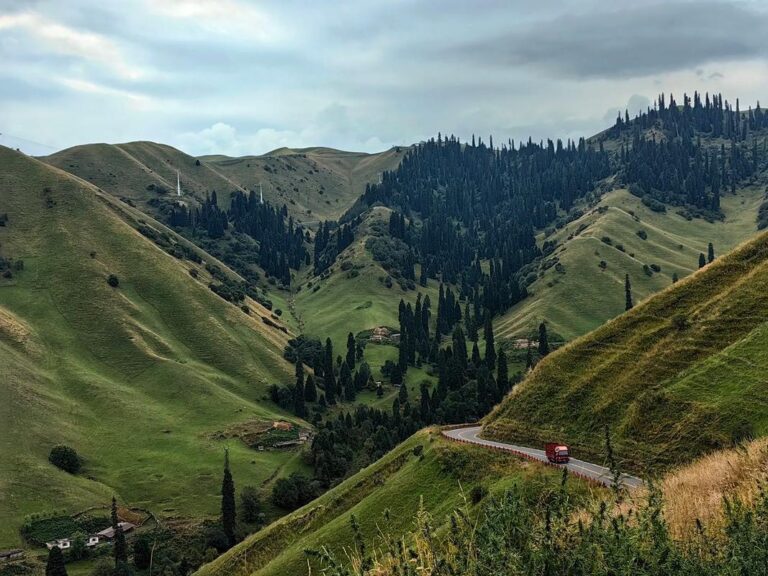
Day 2 — Sayram to Nalati grassland. Drive south through the Ili valley to the Nalati area. Book a designated campsite ahead in summer, when spots fill. Walk the meadow in the evening and watch for the herding families bringing sheep down from the hills.
Day 3 — Grassland to Yining, then home. A slow morning, then drive to Yining for a proper meal and the bus or train back toward Urumqi. If you have a fourth day, the Nalati Grassland guide and the Sayram Lake guide both list side trips worth an extra night.
Frequently asked questions
Is wild camping legal in Xinjiang? It is restricted inside nature reserves and some border zones. Use designated campsites or guesthouses, and ask the local tourism office if you are unsure about a specific area.
Is it safe to camp alone? Violent crime is rare, and I have never felt threatened at a remote site. The real risks are weather, altitude, and getting lost. Tell someone your route and carry offline maps.
Are there dangerous animals? Large predators are uncommon near normal campsites. Brown bears exist in the remote Altai forests, so store food away from the tent. Livestock will wander through; secure your gear.
Can I rent gear locally? Rental is limited outside Urumqi. Buy or bring the key items (tent, bag, stove) before you leave the city.
Do I need a permit? For most grassland and lake sites, no. Border regions such as Tashkurgan require a separate travel permit, so arrange it in advance if your route goes there.
Disclaimer
This guide is based on my personal trips between 2022 and 2024 and on general travel knowledge. Conditions, rules, and access change, and some areas restrict camping without notice. Always confirm permits and site rules with local authorities before you go, and assess weather and your own experience honestly. I am not responsible for any incident arising from following this advice. Camp responsibly and respect local regulations and the environment.
About the author
Liam Foster is a travel writer who has spent several weeks across Xinjiang over multiple trips, with a focus on low-impact and responsible travel. He prefers a tent he can carry out cleaner than he found it, and he has learned most of the above the hard way.