Published: July 27, 2026 | Author: Thomas Whitfield, China overland travel writer
Sorting out the paperwork was the part of my first Xinjiang trip that kept me up at night, and it turned out to be the easiest bit once I understood how it actually works. The short version: for most travellers the Xinjiang visa for tourists is simply a standard Chinese tourist visa, not a separate document. The confusion comes from old blog posts that mix Xinjiang up with Tibet, where the rules are genuinely different. Below is what I have learned across three visits (2019, 2022 and again in 2024), stripped of the myths, so you can plan with confidence.
One honest caveat before we start: Chinese entry rules change often, and 2024–2025 brought several updates to transit and visa-free schemes. Treat this as a practical orientation, then confirm the current details with your nearest Chinese embassy or consulate before you book flights.
Do you need a special Xinjiang visa or travel permit?
Here is the point that saves people the most worry: there is no Xinjiang-specific tourist visa. If you hold a valid Chinese entry visa (usually the L category for tourism), you are already cleared to travel across the vast majority of the region, including Urumqi, Kashgar, Turpan, the Ili Valley and Kanas. Xinjiang is not Tibet; you do not need to book a mandatory guided tour or hold a “Tibet-style” travel permit just to enter the province.
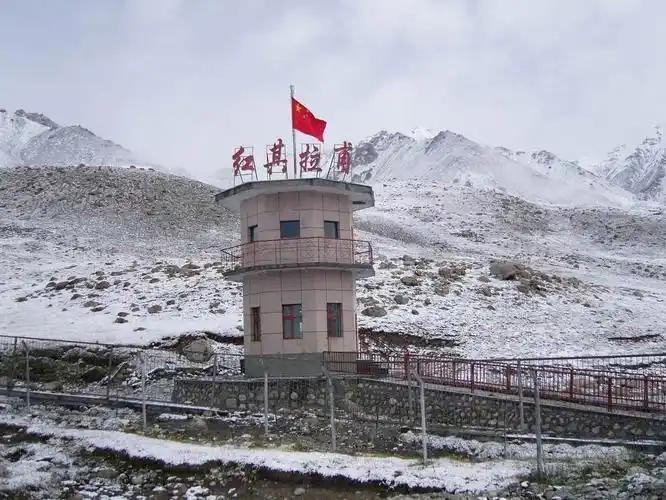
The one exception worth knowing about is the Xinjiang travel permit for restricted border zones. A handful of areas close to international frontiers — most notably around Tashkurgan and the Khunjerab Pass on the Karakoram Highway, and certain military or sensitive stretches — may require a border defence permit (biānfáng zhèng). When I drove up toward Khunjerab, my local agency arranged the permit in advance in about a day. If you plan to visit those specific zones, hire a licensed local operator or ask your guesthouse in Kashgar; for everything else, no extra permit is needed.
Quick reference: Xinjiang entry paperwork at a glance
| Document | Who needs it | Where to get it | Typical lead time |
|---|---|---|---|
| Chinese tourist visa (L) | Most foreign visitors | Chinese embassy / consulate / visa centre | 4–10 working days |
| Passport (6+ months validity) | Everyone | Your home country | Plan well ahead |
| Border defence permit | Only for restricted border zones (e.g. Khunjerab) | Local licensed agency / PSB | 1–3 days on the ground |
| Police registration | Everyone, within 24 hrs of arrival | Hotel front desk (automatic) | Same day |
Applying for the China visa for Xinjiang, step by step
The application itself is the same one you would file for Beijing or Shanghai. When we prepared ours, the consulate asked for a completed application form, a passport valid for at least six months with blank pages, a recent passport photo, and proof of travel plans — round-trip flight bookings plus hotel reservations covering the trip. A rough day-by-day itinerary helped; I listed Urumqi, Turpan and Kashgar with approximate dates, and that was accepted without follow-up questions.
Two things that genuinely matter in my experience. First, apply from your country of residence; third-country applications can trigger extra requirements. Second, be consistent — the cities and dates on your itinerary should match your bookings. I keep a single PDF with flights, hotels and the itinerary so nothing contradicts itself. If you would rather not lock in non-refundable flights before the visa lands, use bookings with free cancellation.
Visa-free transit and other shortcuts
China has expanded its visa-free transit scheme in recent years, and depending on your nationality and route you may qualify for a transit exemption when passing through certain Chinese ports. The rules specify which entry points and which onward destinations count, and they have been revised more than once, so I will not quote a figure that might be stale. What I will say plainly: do not assume Xinjiang is automatically covered by a transit scheme aimed at eastern gateway cities. If a transit exemption is your plan, confirm in writing that your specific port of entry and onward flight qualify before you rely on it. For a straightforward multi-week trip, a normal tourist visa remains the least stressful option.
Getting there once the visa is sorted
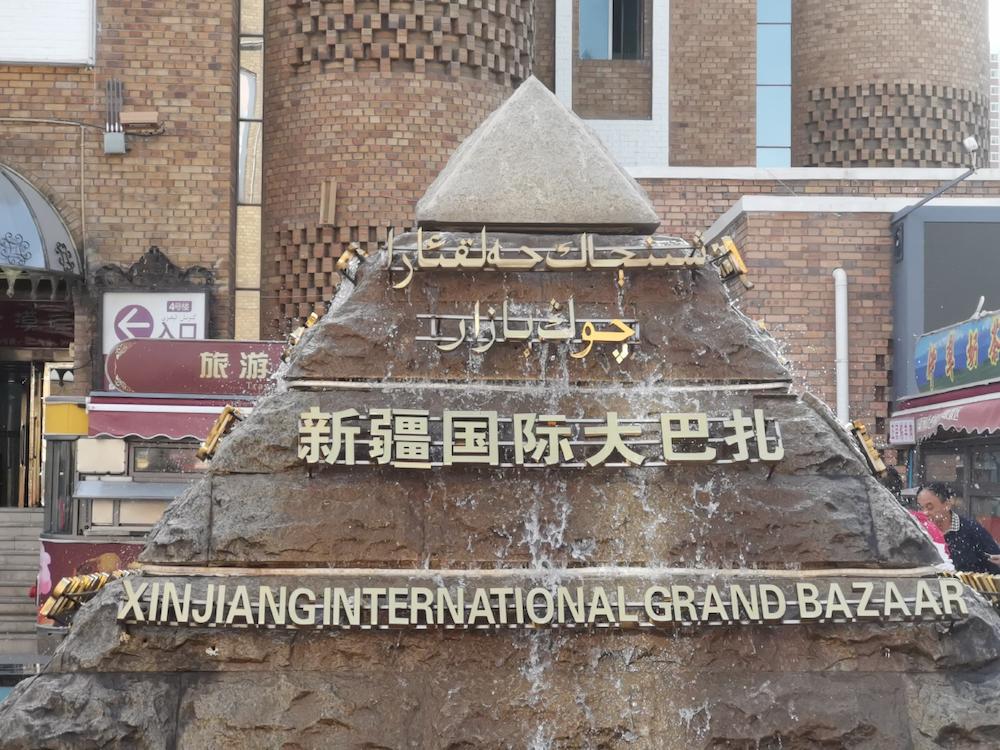
Most visitors fly into Urumqi Diwopu International Airport, which connects to major Chinese hubs and a growing list of Central Asian and Middle Eastern cities. From there, domestic flights and the high-speed rail line fan out to Turpan, Korla and beyond. Overland entry is also possible — I crossed the Khunjerab Pass from Pakistan on one trip, and the Torugart and Irkeshtam passes link to Kyrgyzstan — but land borders keep shorter hours and can close for weather or holidays, so build in a buffer day. If you are landing in the capital first, our Urumqi city guide covers the arrival logistics in detail.
Best time to visit
Your paperwork window can shape your travel dates, so plan backward. The sweet spot for most of Xinjiang is May to October. I favour late September and early October for the golden poplars and grape harvest around Turpan, though that overlaps with China’s National Day holiday, when trains and popular sites fill fast. If you are chasing the Ili Valley grasslands in bloom, aim for June. Winter travel is rewarding but logistics tighten, so leave extra time for both permits and transport.
Where to stay and the registration rule
Any licensed hotel that accepts foreign guests will register your stay with the local police automatically — this is the mandatory 24-hour registration, and it happens at check-in with no effort from you. Keep the little registration slip some places hand back. The one situation that needs attention is staying in a private home or an unlicensed guesthouse; if you do, you are responsible for registering yourself at the nearest police station within 24 hours. On all three trips I stuck to hotels cleared for foreign guests and never had an issue. For a taste of rural life done legally, our Kazakh homestay guide explains how registered family stays work.
Food you should not miss while the admin settles
Once you land, reward yourself. My first meal in Urumqi is always a plate of hand-pulled laghman noodles, followed the next morning by a sesame-crusted nang bread straight off the tandoor. In Kashgar, look for lamb samsa baked until the pastry crackles, and in Turpan the seedless grapes are worth the trip alone. Street food is cheap and generally safe at busy stalls; I stick to places with a steady turnover and carry small cash, since not every vendor takes foreign cards.
Practical tips I wish I had known
- Carry your passport at all times — you will need it for train stations, some hotels and airport-style checkpoints between regions.
- Set up a Chinese payment app linked to an international card before you fly; it removed most friction on my last trip.
- Distances are enormous. Xinjiang is bigger than most countries, so budget travel days between hubs rather than day-tripping everywhere.
- Download offline maps and a translation app; signal drops on remote roads.
- For border zones, arrange permits before you arrive at the checkpoint, not after — turning back to a city to file paperwork wastes a day.
Sample two-week plan that keeps paperwork simple
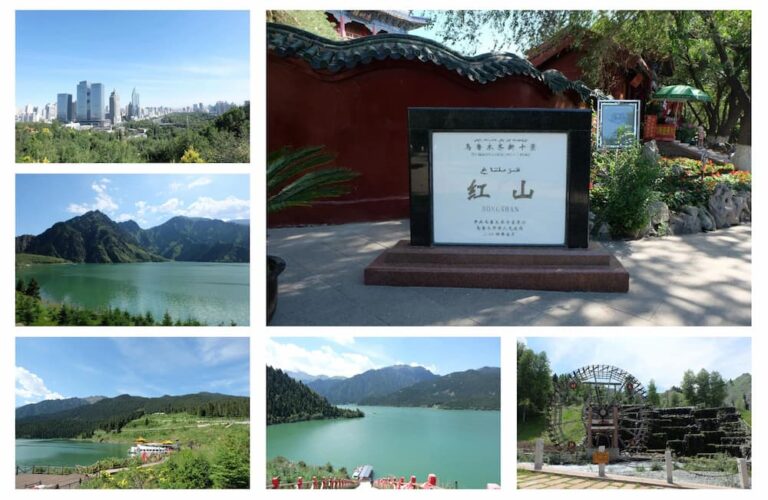
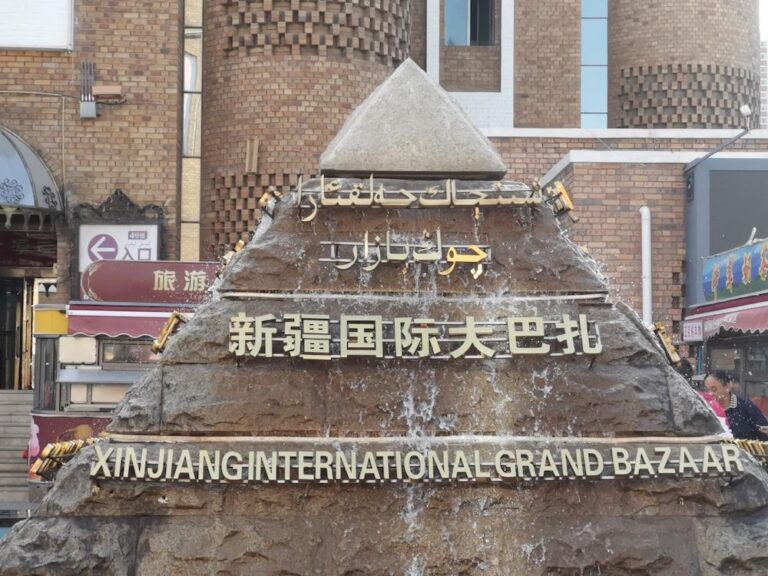
Here is a route I would repeat, all doable on a standard tourist visa with no special permit: Days 1–3 Urumqi and Tianchi Lake; Days 4–6 Turpan for the Flaming Mountains and karez wells; Days 7–10 Kashgar and its Sunday bazaar; Days 11–14 the Ili Valley grasslands or a loop back through Korla. Only add the Khunjerab/Tashkurgan leg if you have arranged the border permit. For a tighter schedule, our 7-day itinerary hits the highlights, and if you are torn on where to focus, compare regions in our north vs south Xinjiang guide.
Frequently asked questions
Do foreign tourists need a special permit to enter Xinjiang?
No. A valid Chinese tourist visa covers the region. Only specific restricted border zones require an extra border permit, arranged locally.
Can I travel independently, or must I join a tour?
You can travel independently across most of Xinjiang. Unlike Tibet, no mandatory guided tour is required for general travel.
How long can I stay?
That depends on the validity and duration stamped in your visa, typically 30 or 60 days per entry for tourist visas. Check your own visa; do not assume.
Is there a lot of security checking?
You will pass ID and security checks at stations, some hotels and regional boundaries. Keep your passport handy and it moves quickly.
What if I want to reach the Khunjerab Pass?
Use a licensed Kashgar-based operator to arrange the border permit in advance. Hiring help here is worthwhile — see our notes on travelling with a local guide.
Disclaimer
Visa, transit and permit regulations for China and Xinjiang change frequently and vary by nationality. This article reflects my personal experience and research as of July 2026 and is intended as general guidance, not legal or immigration advice. Always verify current requirements with your nearest Chinese embassy, consulate or an accredited visa centre before booking travel.
About the author: Thomas Whitfield is a China overland travel writer who has crossed into Xinjiang three times since 2019, including an entry over the Khunjerab Pass from Pakistan. He has navigated tourist-visa applications, border permits and hotel registration first-hand, and writes to help independent travellers plan the region without the guesswork.