Last updated: August 2026 | By Xinjiang Attractions Editorial Team
Why trust this guide? Our team has spent over 5 years exploring Xinjiang across all four seasons. We’ve made every packing mistake so you don’t have to. This guide is based on real experience traveling from the humid Bosten Lake in summer to the -20°C ice festivals of Urumqi’s winter markets. We’ve tested gear, suffered through wrong clothing choices, and refined this list through trial and error.
Quick Reference: Xinjiang Packing List by Season
| Season | Months | Temperature Range | Must-Bring Items | Skip These |
|---|---|---|---|---|
| Spring | March – May | 5°C to 25°C (41-77°F) | Layered clothing, windbreaker, sunscreen, allergy meds | Heavy winter coats, thick boots |
| Summer | June – August | 20°C to 40°C (68-104°F) | Sunscreen SPF50+, hat, sunglasses, light clothing, lip balm | Heavy jackets, too many layers |
| Autumn | September – November | 0°C to 25°C (32-77°F) | Fleece jacket, thermal layers, camera gear, hiking boots | Summer-only clothes, thin shoes |
| Winter | December – February | -20°C to 5°C (-4 to 41°F) | Down jacket, thermal underwear, wool socks, hand warmers | Cotton clothes, thin gloves, sneakers |
Our Personal Experience: Lessons Learned the Hard Way
When we visited Xinjiang for the first time in April 2019, we made a classic rookie mistake. We checked the weather in Urumqi (15°C), packed accordingly, and then drove to Nalati Grassland where it was snowing at 2°C. We spent the next two days buying overpriced jackets in a small town shop.
On another trip in July 2022, we underestimated the sun. Xinjiang’s dry climate and high altitude mean the sun is brutal. We’re talking “sunburn in 20 minutes” brutal. We went through an entire bottle of sunscreen in 3 days. Now we bring SPF50+ and reapply every 2 hours like our lives depend on it (they kind of do).
The biggest lesson? Xinjiang’s weather is extreme and unpredictable. You might experience four seasons in one day, especially in the mountains. That’s why this packing list is organized by season but emphasizes layering for every trip.
Spring Packing List (March – May)
Spring in Xinjiang is beautiful but tricky. One day you’re enjoying 25°C sunshine in Turpan, the next you’re shivering in a 5°C drizzle in Kashgar.
Clothing
- Base layer: Moisture-wicking t-shirts (2-3)
- Mid-layer: Fleece jacket or wool sweater
- Outer layer: Waterproof windbreaker (essential for spring winds)
- Pants: Convertible hiking pants (zip-off legs for warm afternoons)
- Shoes: Waterproof hiking boots (spring can be muddy)
- Accessories: Wide-brimmed hat, lightweight gloves, buff/scarf
Toiletries & Health
- Sunscreen SPF30+ (yes, even in spring)
- Lip balm with SPF (the wind is brutal on lips)
- Allergy medication (spring dust storms are real)
- Moisturizer (Xinjiang air is DRY)
- Reusable water bottle (minimum 1L)
Electronics & Documents
- Power bank (essential – you’ll be using your phone for translation, maps, and photos)
- Universal adapter (China uses Type A, C, and I plugs)
- Passport and copies (you’ll need them for hotel check-ins and some attractions)
- VPN app installed before arrival (Google, WhatsApp, etc. don’t work in China without it)
Summer Packing List (June – August)
Summer is peak season for a reason – the weather is generally warm and comfortable, except in the deserts where it gets absolutely scorching (we’re looking at you, Turpan).
Clothing
- Base layer: Lightweight, breathable t-shirts (4-5, you’ll sweat)
- Mid-layer: Light fleece or hoodie for evenings (mountain areas can drop to 15°C at night)
- Pants: Lightweight hiking pants or shorts (below the knee for mosque visits)
- Shoes: Breathable hiking shoes + sandals for hotels
- Accessories: Wide-brimmed hat, UV-protection sunglasses, lightweight scarf (for sun and mosque visits)
Sun Protection (Non-Negotiable)
- Sunscreen SPF50+ (buy before you go, it’s expensive in Xinjiang)
- After-sun aloe vera gel (trust us)
- Lip balm with SPF
- UV-protection arm sleeves (popular among locals, very practical)
Hydration & Health
- Minimum 2L water bottle (you’ll drink 3-4L per day in summer)
- Electrolyte tablets (to replenish salts lost through sweating)
- Insect repellent (mosquitoes at lakes in July-August)
- Anti-diarrheal medication (just in case)
Autumn Packing List (September – November)
Autumn is widely considered the BEST time to visit Xinjiang. The weather is stable, the colors are spectacular, and the crowds thin out. But temperatures can swing dramatically.
Clothing
- Base layer: T-shirts for early autumn, long-sleeve thermal for late autumn
- Mid-layer: Fleece jacket or wool sweater
- Outer layer: Waterproof jacket (autumn rain is possible)
- Pants: Hiking pants + thermal leggings for colder days
- Shoes: Waterproof hiking boots (essential for dewy mornings and potential snow in November)
- Accessories: Warm hat, gloves, scarf, thermal socks (2-3 pairs)
Photography Gear (Autumn is Prime Time)
- Extra camera batteries (cold drains them fast)
- Lens cleaning cloth (dust and condensation are enemies)
- Tripod (for those golden hour shots at Kanas or Nalati)
- Neutral density filter (for those bright autumn skies)
Winter Packing List (December – February)
Winter in Xinjiang is magical – frozen lakes, snow-covered mountains, ice lantern festivals. But it’s also COLD. We’re talking -20°C (-4°F) in Urumqi and even colder in the mountains.
Clothing (Layer, Layer, Layer)
- Base layer: Thermal underwear (top and bottom) – MERINO WOOL is worth the investment
- Mid-layer: Fleece jacket or down vest
- Outer layer: Down jacket (minimum 600 fill power, preferably 800+)
- Pants: Insulated hiking pants over thermal leggings
- Shoes: Insulated winter boots (minimum -20°C rating)
- Accessories:
- Wool hat (covers ears)
- Mitten-style gloves (mittens are warmer than gloves) + thin liner gloves for phone use
- Neck gaiter or balaclava (the wind cuts through everything)
- Wool socks (3-4 pairs, bring extras)
- Hand and foot warmers (buy in bulk, you’ll thank us)
Winter-Specific Gear
- Ski goggles or high-quality sunglasses (snow blindness is real)
- Lip balm (heavy-duty, the air is desert-dry)
- Moisturizer and eye drops (seriously, the dryness is no joke)
- Thermos (hot tea or coffee will be your best friend)
- Phone warming patch or keep phone in inner pocket (cold kills batteries fast)
Essential Items for ALL Seasons
Regardless of when you visit, these items should be in your bag:
- Documents: Passport, copies of passport, visa, hotel confirmations (printed and digital)
- Cash: Chinese Yuan (many small shops, especially outside cities, don’t take cards or Alipay)
- Translation app: Google Translate (download offline Chinese package before you go) or Pleco for Chinese
- Power bank: Minimum 10,000 mAh (you’ll be using your phone as camera, map, translator, and entertainment)
- First aid kit: Band-aids, antiseptic wipes, pain relievers, motion sickness medicine (those mountain roads!)
- Toilet paper: Carry your own (many public toilets don’t provide it)
- Hand sanitizer: Public toilets aren’t always equipped with soap
- Reusable shopping bag: Many shops charge for plastic bags, plus it’s eco-friendly
What NOT to Bring (Save Space & Weight)
- Hair dryer: All hotels provide them
- Towels: Provided by hotels (though some travelers prefer their own)
- Too many clothes: You can do laundry at hotels or use laundry services (cheap in China)
- Heavy books: Get an e-reader or use your phone/tablet
- Illegal items: Drones require special permits in Xinjiang (check latest regulations), and some religious materials may be restricted
Where to Buy Forgotten Items in Xinjiang
Forgot something? Don’t panic. Xinjiang has decent shopping options:
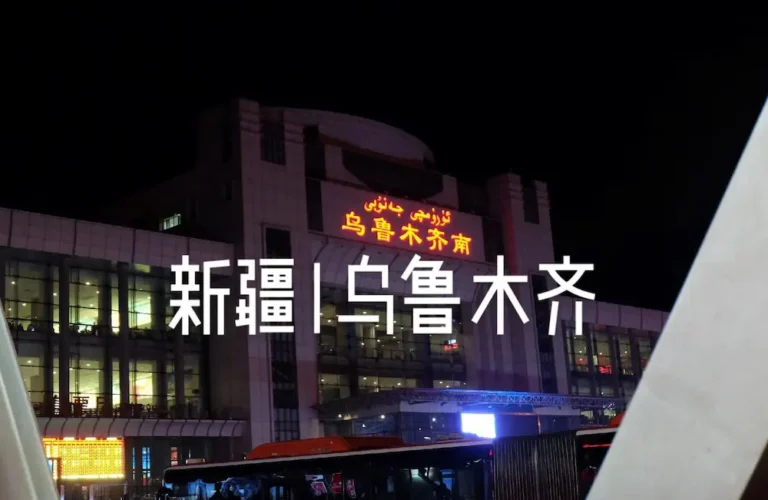
- Urumqi: You can find almost anything in Urumqi. Try the Urumqi International Bazaar for local items, or shopping malls like MixC for international brands.
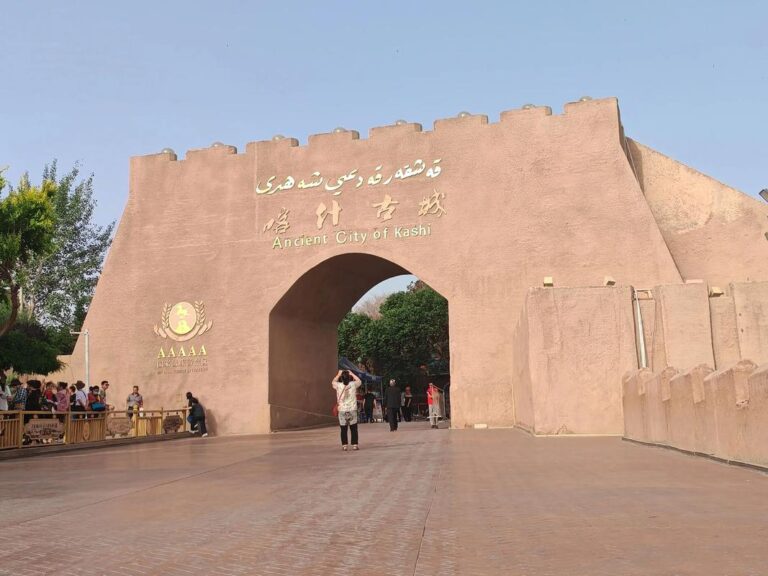
- Kashgar: The Kashgar Sunday Market is great for hats, scarves, and local clothing.
- Small towns: Convenience stores (like Bianlifeng) stock basic toiletries and snacks. For gear, you might be out of luck – buy in bigger cities first.
Sample 3-Day Packing Strategy for a Spring Trip
Here’s how we’d pack for a 3-day trip to Kashgar and Taxkorgan in April:
Day 1 (Urumqi, 15°C): T-shirt + fleece + windbreaker, jeans, hiking boots, daypack with water, sunscreen, hat.
Day 2 (Kashgar, 20°C daytime, 10°C night): Same as Day 1, but add thermal layer for evening. Leave bulky items at hotel when exploring the old city.
Day 3 (Taxkorgan, 5°C): Thermal underwear + fleece + down jacket, hiking pants over thermals, wool hat, gloves, scarf. Hand warmers in pockets.
Notice the pattern? Layering. You’ll add and remove layers throughout the day as temperatures shift.
Frequently Asked Questions
Can I buy winter clothes in Xinjiang if I forget them?
Yes, but selection might be limited in smaller towns. Urumqi and Kashgar have decent shopping. However, prices for foreign brands can be higher, and sizing might not fit Western body types. Bring your essentials from home.
Do I really need a VPN?
Yes. Google services (Maps, Translate, Gmail), WhatsApp, Facebook, Instagram, and many Western websites are blocked in China. Install a reliable VPN BEFORE you arrive (they’re harder to download once you’re in China). We use ExpressVPN and Astrill (both work reliably in China).
Is the water safe to drink?
Tap water is not safe to drink in most of Xinjiang. Stick to bottled water (widely available) or use a water purification system. We bring a LifeStraw bottle for environmental and practical reasons.
What about electrical outlets?
China uses Type A (two flat pins, like US), Type C (two round pins, like Europe), and Type I (three flat pins in a V shape, like Australia). Most modern hotels have multi-standard outlets. Bring a universal adapter to be safe.
How much cash should I bring?
We recommend having at least 500-1000 RMB ($70-140 USD) in cash for small purchases, rural areas, and emergencies. Alipay and WeChat Pay are widely used in cities, but cash is king in remote areas.
Can I wear shorts in Xinjiang?
In tourist areas and cities, yes. But for visiting mosques and conservative areas (like old town Kashgar), both men and women should dress modestly – pants or long shorts (below the knee), and shoulders covered. Pack a lightweight scarf or shawl for these occasions.
Disclaimer
This packing list is based on our personal experience traveling in Xinjiang across multiple seasons from 2019 to 2024. Weather conditions, regulations, and availability of items may change. We are not responsible for any inconvenience caused by following this list – every traveler’s needs are different. Always check current weather forecasts before your trip and adjust accordingly. Some items (like permits for certain areas, drone regulations, or COVID-related requirements) may have changed since our last visit. Verify with official sources before traveling.
Product recommendations in this article are based on our genuine experience. We do not receive compensation for mentioning specific brands. Links to purchase items are affiliate links, which means we may earn a small commission at no extra cost to you. This helps support our mission to provide free, high-quality travel information about Xinjiang.
About the Authors
Xinjiang Attractions Editorial Team
We are a team of travel writers and photographers who have spent over 5 years exploring every corner of Xinjiang. From the bustling bazaars of Kashgar to the serene lakes of Kanas, from the harsh deserts of Turpan to the snowy peaks of Tianshan, we’ve been there, shivered there, sweat there, and documented it all.
Our mission is to provide accurate, practical, and honest travel information to help you plan an unforgettable Xinjiang adventure. We believe in responsible tourism that respects local cultures and environments.
Connect with us: Have questions about traveling in Xinjiang? Drop us a comment below or reach out through our contact page. We read and reply to every comment!