Published: July 31, 2026 | Author: Yassine Benali, logistics coordinator, raised in the Marrakech medina
I grew up folding carpets in my uncle’s shop off Rue Semmarine, so I thought I knew everything about haggling before I set foot in a Xinjiang market. I was wrong in interesting ways. This Xinjiang bargaining guide comes from twelve days my wife and I spent working the stalls of Urumqi, Kashgar and Hotan in May 2026, comparing what I learned as a boy in Morocco with how buying and selling actually works on the other end of the old Silk Road. Some tactics transferred perfectly. Others got me polite laughter and a firm shake of the head.
Quick Reference: Bargaining in Xinjiang at a Glance
| Question | Short answer |
|---|---|
| Is haggling expected? | Yes at bazaar stalls; no in malls, supermarkets or state stores |
| Typical opening discount to aim for | 30-50% off the first quoted price for tourist goods |
| Payment | WeChat Pay / Alipay almost everywhere; carry some cash for small stalls |
| Language needed | None; calculators and phone screens do the talking |
| Fixed-price items | Food, drinks, dried fruit sold by weight (mostly), taxi meters |
| Best haggling hours | First hour after opening and last hour before close |
How Xinjiang Haggling Differs From What I Grew Up With
In Marrakech, bargaining is theatre. You drink tea, you insult the price affectionately, you walk out twice, and forty minutes later everyone is friends. At the bazaars of Xinjiang, the rhythm is faster and far less dramatic. A vendor in Kashgar’s old town quoted me 380 yuan for a copper teapot, I typed 150 into his calculator, he typed 260, I typed 180, he shrugged and typed 200, and we were done inside two minutes. No tea, no theatrics, no hurt feelings.
The second difference: numbers travel by calculator or phone screen, not by voice. My six words of Mandarin and zero Uyghur never mattered. The third difference surprised me most. Once a Xinjiang vendor says a genuinely final price, it is usually final. In Morocco, “final price” is an opening move. Here, when the man selling me a dutar case in Hotan said 120 and crossed his arms, three more attempts moved him exactly nowhere, and I could tell further pushing would have soured things.
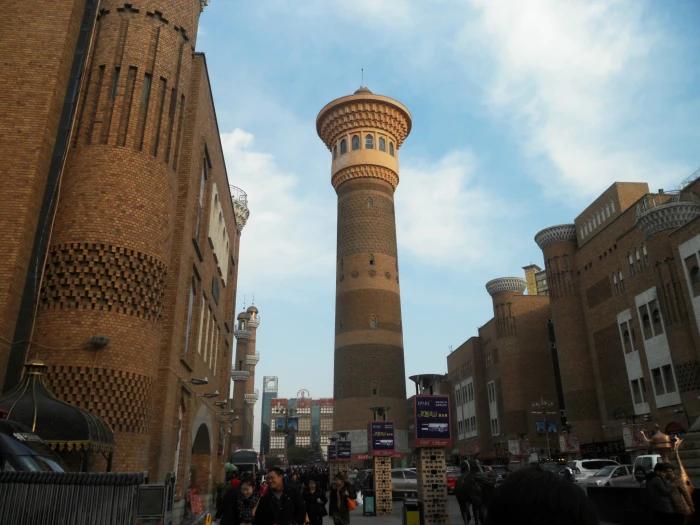
Where the Bargaining Actually Happens
Not every market rewards haggling equally. Based on our receipts, here is the honest hierarchy:
- Urumqi International Grand Bazaar: the most touristed, so opening prices run highest. We got 40-50% off scarves and knick-knacks here without much effort. Ground-floor anchor shops discount less than upstairs stalls.
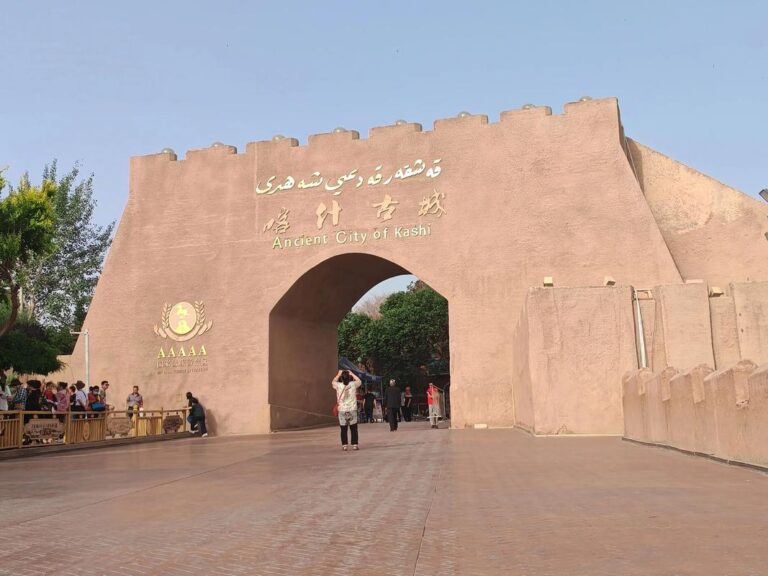
- Kashgar Sunday Bazaar and old town shops: friendlier, slower, better starting prices. Discounts of 25-40% felt normal; pushing beyond that mostly failed.
- Hotan jade market: a special case. Prices for jade in Hotan are opinions, not facts, and unless you can grade nephrite yourself, the discount you negotiate means little. Buy small or bring an expert.
- Neighborhood bazaars (we tried one in Turpan): prices for locals are already low. Squeezing a grandmother selling apricots over two yuan is not bargaining, it is bad manners. We paid asking price for food almost everywhere and never felt cheated.
Getting to the Big Three Markets
The Grand Bazaar in Urumqi sits at its own metro stop (Line 1, Erdaoqiao), which makes it the easiest market in the region to reach; a taxi from most downtown hotels runs 10-15 yuan. In Kashgar we walked everywhere from the old town, and the livestock market on Sundays required a 25-minute taxi (about 20 yuan, agree before boarding or insist on the meter). Hotan’s jade and night markets are both walkable from the city center. If you are stringing several cities together, our notes on choosing trains versus flights within Xinjiang may save you some planning time.
When to Go
Two timings matter, the season and the hour. Season first: May-June and September-October give you comfortable browsing weather; July afternoons in Turpan hit 40°C and nobody haggles well while melting. Hour matters more. The first sale of the day carries luck in both Moroccan and Uyghur trading culture, and vendors told us the same thing my uncle used to say: a cheap first sale beats no first sale. We consistently did best between 10:30 and 11:30 in the morning, Xinjiang solar rhythm being two hours behind Beijing clock time, and again in the final hour before stalls packed up, when carrying stock home feels worse than a thin margin.

The Method That Worked for Us, Step by Step
- Scout without buying. Ask prices at three stalls selling the same item before you negotiate at any of them. Spread in quotes tells you the real floor.
- Let them name the first number. Always. If you open, you can only overpay.
- Counter at 40-50% of the quote for obvious tourist goods, 60-70% for anything the vendor clearly also sells to locals.
- Move in shrinking steps. If you jump from 150 to 190 in one go, the vendor knows you have more room. Go 150, 165, 172.
- Use the walk-away once, honestly. It worked for me twice out of four attempts in Xinjiang, a much lower hit rate than in Marrakech. If they let you go, the price was real; go back the next day and pay it without embarrassment. Nobody gloats.
- Bundle. Two scarves plus a hat moved prices more than any argument I made on a single item. “Three pieces, one price” typed into a calculator is a universal language.
What We Actually Paid
For calibration, some real numbers from our trip: machine-made “atlas pattern” scarves opened at 80-120 yuan and settled at 35-50. Genuine handwoven atlas silk is a different product at a different price and barely negotiable below 20% off. Embroidered doppa hats: quoted 60-100, paid 30-45. Copper teapot, medium, decorative grade: quoted 380, paid 200. Dried figs and walnuts were sold by weight at posted or stated per-kilo prices, and honestly, after checking two supermarkets, bazaar prices were already fair.
Where We Stayed and Ate
In Urumqi we booked a chain hotel one metro stop from the Grand Bazaar (about 260 yuan a night) so we could drop purchases and return, which beat carrying a teapot through four more hours of stalls. In Kashgar, an old-town guesthouse at 180 yuan put us thirty steps from the night food stalls. Eat where you haggle: bazaar food is one of the best parts of the transaction culture. Our happiest food memory is splitting lamb polo with a stall owner in Kashgar after buying his hats, an ending to a negotiation that would have made my uncle proud. If you want to go deeper on what to buy rather than how, our full Xinjiang souvenir guide covers the what-and-where in detail.
Practical Tips We Wish We Had Known
- Set up WeChat Pay or Alipay with a foreign card before arriving; some stalls genuinely had no cash change.
- Screenshot a currency converter table. Typing your own currency into a calculator mid-negotiation looks indecisive.
- Smiling matters more than in Morocco. Aggressive theatrical haggling reads as rudeness here, not sport.
- Do not start a negotiation you have no intention of finishing. If the vendor meets your number, you buy. This rule is universal.
- Traditional knives cannot fly with you, checked or carry-on, and are best skipped entirely.
- Keep receipts or payment screenshots for anything over a few hundred yuan in case customs asks on exit.
A Half-Day Bazaar Itinerary (Urumqi)
10:00 Metro to Erdaoqiao, coffee, first slow scouting lap of the Grand Bazaar with hands in pockets. 11:00 First purchases while first-sale goodwill is alive. 12:30 Lamb skewers and nang bread at the food court, watch how locals pay. 13:30 Second lap for the items you pretended not to want. 15:00 Drop bags at the hotel, done before the afternoon crowds peak.
FAQ
Is bargaining rude in Xinjiang? Not at stalls selling crafts, clothing or souvenirs; it is the assumed protocol. It is out of place in restaurants, pharmacies, malls and for food sold by weight.
How much should I offer first? For tourist goods, counter at roughly half the opening quote and expect to land at 50-70% of it. For daily-use goods locals also buy, margins are thinner; offer 70% and settle quickly.
Do vendors speak English? Rarely, and it never mattered once. Calculators, gestures and translation apps handled everything, including a five-minute conversation about my uncle’s carpet shop conducted entirely through a phone.
Can I bargain with WeChat Pay? Yes. Agree the number first, then scan. The payment method never changed the price for us.
Is it safe to walk away? Completely. Nobody followed us shouting lower prices the way Marrakech touts do. If you return later, the last offer usually still stands.
Disclaimer
Prices, discounts and market conditions reflect our May 2026 visit and personal negotiations; your results will vary by season, item and vendor. Nothing here is a valuation of jade, silk or antiques. Verify customs and aviation rules for restricted items such as knives before purchase. This article contains no sponsored recommendations.
About the Author
Yassine Benali was born in Marrakech, spent his teens working weekends in his uncle’s carpet shop in the medina, and now coordinates freight logistics in Lyon, France. He travels with his wife Claire and judges every market on earth against Rue Semmarine on a Friday. Xinjiang was their first trip to western China.