Published: August 14, 2026 | Author: Karl Huang
Most first-time visitors to Xinjiang hop between cities by plane and miss the one experience that taught our team more about the region than any guidebook: the Xinjiang sleeper train. We have now taken the overnight rail between Urumqi and Kashgar three times, once in a hard-sleeper bunk and twice in soft sleeper, and every detail below comes from those trips rather than from a brochure. If you are weighing whether to spend 20-plus hours asleep on a train, this guide tells you what it actually feels like, what each berth type costs, and how to book without nasty surprises at the gate.
Quick Reference: Xinjiang Overnight Trains at a Glance
| Route | Distance (approx.) | Overnight time | Berths | From (hard sleeper) |
|---|---|---|---|---|
| Urumqi – Kashgar | ~1,450 km | 22–26 h | Hard & soft sleeper | ~¥330 |
| Urumqi – Yining (Ili) | ~680 km | 9–11 h | Hard & soft sleeper | ~¥150 |
| Urumqi – Korla | ~480 km | 7–9 h | Hard & soft sleeper | ~¥120 |
| Urumqi – Hami | ~600 km | 6–8 h | Hard & soft sleeper | ~¥130 |
| Lanzhou – Urumqi (enter Xinjiang) | ~1,900 km | 11–14 h | Sleeper EMU on some | ~¥520 |
The numbers above are from routes we have ridden or cross-checked against current China Railway timetables. Schedules shift with the season, so confirm everything on the official 12306 site before you pay. One thing the table cannot show is how different the same train feels depending on the berth you pick, which is the part most first-timers get wrong.
Our Night on the Urumqi–Kashgar Sleeper
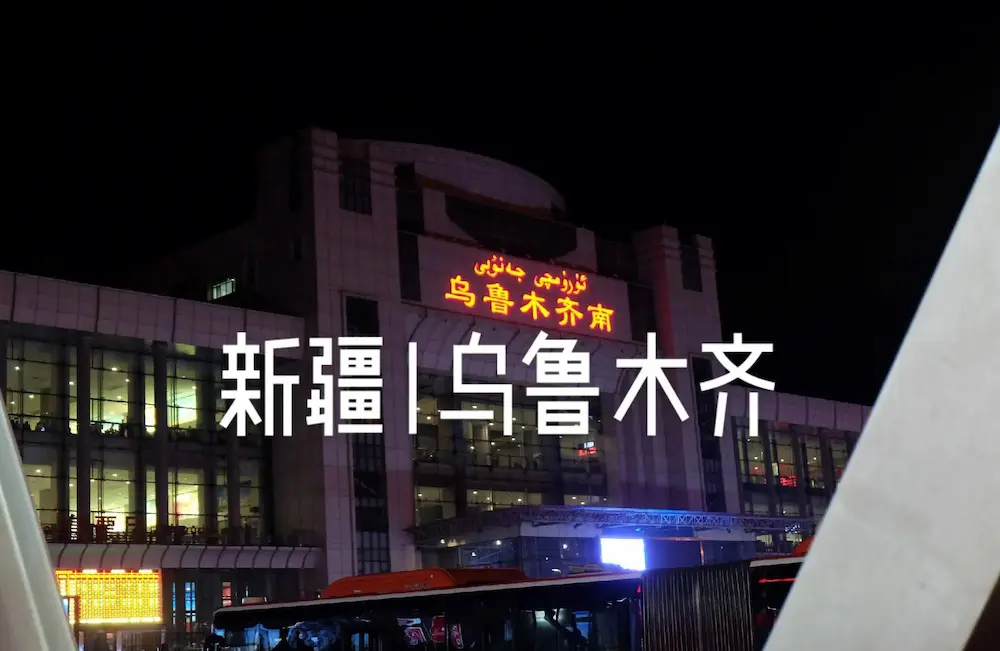
We boarded at Urumqi Station one May evening after stocking up at the Urumqi International Bazaar that afternoon. The platform was busy but orderly, and a conductor checked our passports before we climbed the staircase to Car 8. Our soft-sleeper compartment had four bunks behind a real door. We slid the latch, dropped our bags on the lower bunk, and went hunting for the dining car.
Dinner was a ¥28 noodle bowl from the dining car, served with the gentle rocking that makes you sleepy by nine. A woman two compartments down was travelling with a carton of cherries she had bought at the bazaar, and she insisted we take a handful. That kind of small exchange is exactly why we keep choosing the train over the plane. We woke somewhere in the open Gobi as the sun came up, watched the light move across the desert for a quiet hour, and rolled into Kashgar a little after seven. By nine we were already walking the Kashgar Sunday Market. The berth had done double duty as both transport and a night’s hotel.
What We Got Wrong the First Time
Our first trip, two years earlier, was a hard lesson. We booked the cheapest ticket, a top bunk in a hard-sleeper bay, because it saved about ¥90. The ceiling light stayed on for most of the night, the ladder dug into our shins every time someone climbed past, and we arrived in Kashgar at six in the morning with stiff necks and no hotel room until noon. We also forgot a power bank, and the single socket by the door was already claimed by a teenager deep in a mobile game. On the second trip we paid for soft sleeper and brought our own food. The difference was not just comfort; it was arriving actually rested. If your route is over twelve hours, spend the extra on the door.
Xinjiang Sleeper Train Berth Types Explained
Knowing the berths before you book saves arguments at the window. Hard sleeper (ying wo) is an open bay of six bunks, three on each side, with a small ladder and no door. Lower bunks are easiest and priciest within that class; top bunks are cheap and close to the ceiling light. Soft sleeper (ruan wo) gives you four bunks behind a closing door, a reading light, and noticeably cleaner bedding. A few long routes also sell a deluxe soft sleeper with just two wide lower bunks. There is also ordinary hard seat, but on a 24-hour haul we would not recommend it to anyone over the age of twelve.
Soft Sleeper vs Hard Sleeper: Is the Upgrade Worth It?
On the Urumqi–Kashgar run the soft-sleeper fare runs roughly ¥520–600, while hard sleeper starts near ¥330. That gap buys a closing door, four bunks instead of six, and a mattress you do not feel the springs through. For a couple or two friends sharing a four-bunk soft compartment, the per-person cost lands close to hard sleeper anyway, and you get the whole room to yourselves. On shorter hops under eight hours, such as Urumqi to Korla or Hami, we think hard sleeper is perfectly acceptable and the saving is worth it. The rule we now follow is simple: long haul, soft; short hop, hard.
How to Book and Where They Run
All Xinjiang passenger trains run on the China Railway network and use real-name ticketing, which means your passport details must match the ticket. Foreign travelers can buy at station windows or link a passport on 12306 and book online, though the app is Chinese-only and fiddly on a foreign phone number. Pick up paper tickets at the counter with the passport you booked with. Overnight services fan out from Urumqi south toward Kashgar (via Turpan, Korla and Aksu) and west toward Yining in the Ili Valley. Do not confuse these with the Xinjiang high-speed rail; those CRH trains are fast daytime runs and mostly do not carry sleeper berths on the intra-Xinjiang legs.
Best Time to Ride
Winter (December to February) is the bargain season: trains are heated, fares sit low, and the carriages are half empty. Summer (June to August) is the opposite. Free berths vanish weeks ahead because domestic tourism peaks, and the soft-sleeper doors get booked first. Spring and early autumn are the comfortable middle, with mild cabins and reliable heating or cooling. We would avoid the first week of October (National Day) and the Spring Festival period unless you enjoy standing room only.
What to Eat and What to Bring
The dining car sells simple rice boxes and noodles in the ¥25–40 range, but the quality is hit-or-miss and it closes late at night. We now pack naan, dried fruit and two litres of water bought cheaply at the bazaar before boarding. Each car has a hot-water dispenser for tea and instant noodles. There is no alcohol for sale on board. Our packing checklist for an overnight haul: toilet paper, slip-on shoes, a full power bank, a refillable bottle, earplugs, a light jacket even in summer (the AC is strong), and a small lock for the soft-sleeper door if you want extra peace of mind.
Station Arrival: What to Expect When You Get Off
Most south-bound sleepers reach Kashgar in the early morning, which feels romantic until you remember you cannot check into a room for hours. We learned to walk straight to a corner breakfast stall, leave our bags with the hotel concierge, and start the day anyway. Urumqi, Yining and Korla stations all have taxi ranks and ride apps just outside the gates, but expect a queue at peak arrival times. Keep your passport handy again, because station exits often have one final ID scan before you reach the street.
Sample 3-Day Plan Using the Sleeper
Day 1, afternoon: shop and eat at the Urumqi bazaar, then board the evening train. Day 2: wake in the Gobi, arrive Kashgar in the morning, drop bags at the hotel and head straight to the Sunday market. Day 3: explore the old town on foot. This skeleton also underpins a Xinjiang on a budget trip, because one berth replaces both a flight and a hotel night. For the wider picture of arriving in the region, see our piece on how to get to Xinjiang by air, rail and road.
FAQ
Is the Xinjiang sleeper train safe?
Yes. Conductors patrol each car, attendants sit at the ends of the carriage, and uniformed staff check IDs at the main stations. We have never felt unsafe, even on the longest southern runs.
Can foreign travelers buy tickets?
Yes, with a passport. The system is real-name, so the passport you book with must be the one you carry. Station windows are the most reliable place to buy if the app gives you trouble.
Hard sleeper or soft sleeper?
On runs over twelve hours, soft sleeper is worth the extra money for the door, the quieter neighbors and the better mattress. For a short hop under eight hours, hard sleeper is fine.
Is there Wi-Fi on board?
Not reliably. Mobile signal also drops for long stretches across the desert, so download maps and shows before you leave the city.
Can I charge my phone?
Sort of. Soft-sleeper compartments often have one socket near the door, and hard-sleeper cars have a couple in the corridor. They are slow and contested, so a full power bank is the real answer.
Are there showers on the train?
No. None of the regular overnight trains we have taken have showers. Bring wet wipes and plan to shower at your hotel after you arrive.
Disclaimer
Fares, timetables and berth availability change without notice and vary by season and by train number. Always verify current details on the official China Railway 12306 website or at a station before you travel. This article is based on our own journeys taken up to 2026 and is meant for trip planning only; it is not official travel advice.
About the Author
Karl Huang is a travel writer who has covered Xinjiang’s transport, routes and costs first-hand since 2019. He rides the regional railways several times a year and documents practical details — fares, berths, booking steps — so readers can plan without guesswork. His work on this site focuses on real, verified travel experience rather than borrowed marketing copy.