Published: 22 July 2026 | Author: Liam Foster
Why you can trust this Kyrgyz eagle hunting Xinjiang guide
If you are chasing Kyrgyz eagle hunting in Xinjiang, the honest version lives up on the Pamir, and I want to be straight with you about something first. The eagle-hunting tradition most travellers picture, the one with dozens of hunters lined up at a festival, belongs to the Kazakhs of the Altay far to the north. What you find on the Pamir is quieter and older in feel, and it belongs to the Kyrgyz herders who graze their animals at 3,500 metres and higher. I first went looking for it in November 2023, driving the Karakoram Highway south from Kashgar with a Kyrgyz friend named Aziz, and I went back in February 2024 to see how the cold months change the hunt. This guide is built from those two trips and from the hours I spent with a family who keep a golden eagle the way their grandfathers did.
Kyrgyz eagle hunting Xinjiang: the quick facts
| What | Detail |
|---|---|
| Where it happens | Tashkurgan and the Pamir pastures of Kizilsu Kyrgyz Autonomous Prefecture |
| Nearest base town | Tashkurgan, about 300 km south of Kashgar on the G314 |
| Elevation | 3,100 m in town, 3,600–4,000 m at the hunt grounds |
| Best months | October–November and February–March |
| Typical cost | ¥400–800 per person for a half-day with a herder family |
| Permit needed | Yes, a border-region pass for Tashkurgan, obtained in Kashgar |
What the hunt actually looked like
We left the family’s yurt before first light. The air was already below zero and our breath came out in clouds that hung in the stillness. Aziz’s cousin Talant unwrapped the eagle from the padded sleeve she sleeps in through the night and settled her on his leather arm guard. They call her Bürkü, which just means “falcon” in Kyrgyz, and she weighs a little over five kilos with a wingspan close to two metres. She blinked at the dark and dug her talons into the thick felt of the guard.
We rode out onto a frozen flat where the karakul sheep had packed the snow hard enough to take the horses. Talant loosed her on a signal I never quite caught, and she rose in three or four heavy beats, then locked onto a fox working the far edge of the valley. The whole thing was over in maybe ninety seconds. Nobody cheered. Talant rode over, took the fox, and fed her a scrap of meat from his glove. That restraint is the part you don’t see in the festival videos, and it is the part that stayed with me long after I got home.
A tradition that comes from the horse
The Kyrgyz are a people of the high country, and their relationship with raptors goes back centuries across what is now Kyrgyzstan, Tajikistan and the Pamir edge of China. On the Pamir the eagle is not a pet and not a performer. A family raises a female chick, trains her through her first two summers, hunts with her through her working years, and releases her to breed when she is old enough. The bond is practical: a good eagle feeds the household through the lean months when the foxes come down to the flocks.
Talant’s father showed me the glove, the whistle, the leather hood stitched from an old boot. None of it is bought. He learned to make the gear from his own father, who learned it the same way. When I asked why they still do it when a rifle is easier, he just said the eagle sees things a man cannot, and the hunt is something the family does together. I have stopped trying to improve on that answer.
Getting to the Pamir
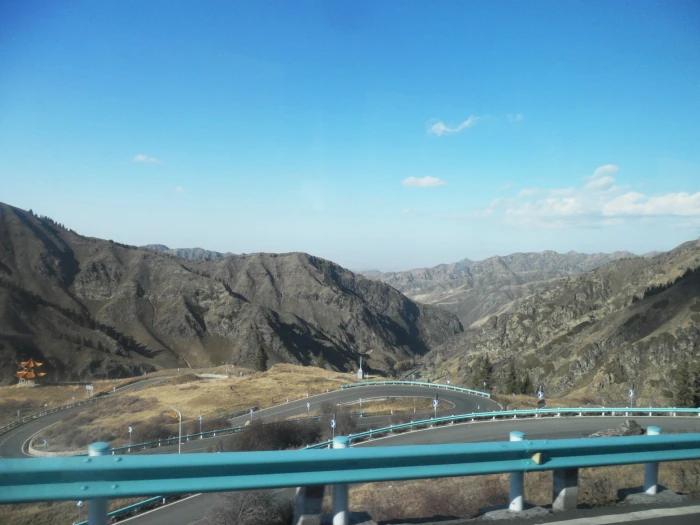
Most people reach the hunt country through Kashgar. There is a flight from Urumqi to Kashgar, and the high-speed rail now runs all the way down (see the Xinjiang high-speed rail guide for times and fares). From Kashgar you take the G314, the Karakoram Highway, roughly 300 km south to Tashkurgan. The drive itself is half the experience: you pass Baisha Lake, then Karakul Lake under Muztagh Ata, and the light changes every twenty minutes.
You cannot simply roll into Tashkurgan. It is a border region, so you need the border management permit. Get it at the Kashgar public security bureau or, more easily, through your hotel in Kashgar a day before you leave. Carry your passport everywhere on this road; there are checkpoints, and they do check.
Best time to go
The eagles are worked year round, but two windows make the most sense. Late October into November is my favourite. The foxes and hares are fat and visible against the first snow, the eagle is in peak condition after the summer, and the Pamir light is clean and low. February and March are colder and the G314 can shut briefly after a heavy snowfall, but the air is crystal and if you time it you can pair a Pamir visit with the eagle festivals up in Altay.
Skip the deep winter weeks only if you are not comfortable with sub-zero dawn starts, and avoid the periods around major holidays when the Kashgar hotels fill and permits take longer to issue. I travelled both in a clear November and a still February, and the February cold was sharper but the photographs were better.
Where to stay
In Tashkurgan town there are solid hotels in the ¥200–400 range, and a couple of guesthouses run by Kyrgyz families where you eat with the household. The more memorable option is a yurt stay at Karakul Lake, about forty minutes north of town, where a bed and two meals runs ¥150–250. I slept there both trips. The stove keeps the felt warm until midnight, and then you hear the wind and the lake ice groaning under it. Book the eagle-hunt experience through whichever family you stay with, or ask your Kashgar guesthouse to set it up before you leave so the family expects you.
Food on the plateau
Meals are simple and warming. Expect shorpa, a mutton soup with chunks you eat with your fingers, laghman noodles pulled that morning, and flat naan torn into the broth. The Kyrgyz drink kumis, fermented mare’s milk that tastes somewhere between yoghurt and a fizzy cider and hits hard if you are not used to it. There is qurut, dried yoghurt balls you suck on against the cold, and the occasional goat roasted over the dung fire. None of it is fancy, and all of it is exactly what you want at 3,600 metres after a cold dawn.
If you want more context on the town itself and what else to do there, the Tashkurgan travel guide covers the bazaar, the stone fort and the road north.
Practical tips
- Bring your own serious layer. The herders lend you a coat, but the dawn wait is long and the wind finds every gap.
- Ask before you photograph the eagle or the family. Some are happy, some want a small fee, and all of them deserve the question.
- The eagle is a working animal, not a photo prop. Do not try to pet it or chase the close-up shot.
- Altitude is real here. Read the altitude sickness guide before you fly up from sea level, because Tashkurgan sits well above 3,000 metres.
- Carry cash. Out here cards and Alipay often do not reach the small settlements.
- Learn two words: “rakhmat” for thank you, and “jakshi” for good. It goes a long way with the family.
A three-day plan
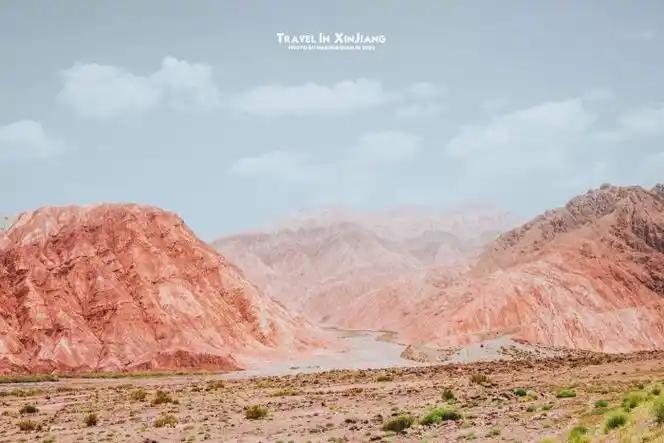
Day one: leave Kashgar at first light, stop at Baisha Lake and Karakul, sleep in a yurt. Day two: a morning eagle hunt with the Kyrgyz family, then an afternoon at Karakul with Muztagh Ata behind you, and back to Tashkurgan for the evening bazaar. Day three: a slow morning, then the drive north, or a longer stay at Oytagh if you want red cliffs and glacier before the highway home.
Photographing the hunt
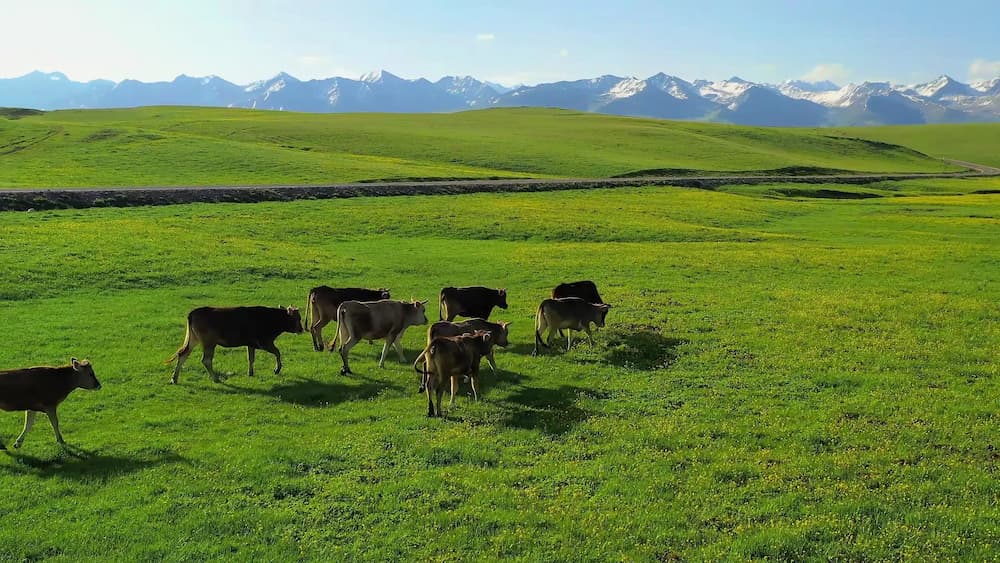
This is the one place on the trip where I would beg you to slow down and watch before you raise the camera. When you do shoot, you need a fast shutter, 1/1000 or quicker, because the eagle’s launch is explosive and she is gone before you have framed her. The cleanest frames come at the Karakul flats with the snow peaks behind, in the flat light just after sunrise. For the wider plan across the region, the Xinjiang photography guide covers the rest of the season and the spots.
Frequently asked questions
Is eagle hunting in Xinjiang only a Kyrgyz thing?
No. The famous eagle festivals are Kazakh, held up in the Altay. The Kyrgyz of the Pamir keep the tradition too, but usually as a family practice rather than a public event with entries and judges.
Can I just turn up and watch a hunt?
Not really. It is arranged privately through a herder family, normally via your guesthouse. Budget ¥400–800 per person for a half-day that includes the horse, the eagle demonstration and milk tea.
Do I need a permit?
Yes, for Tashkurgan. Sort it in Kashgar a day ahead, or let your hotel handle it when you book the room.
Is it cruel to the eagles?
The families I met treat their birds as partners and release them to hunt, not to die. The fox or hare taken is food for the household. It is a working relationship with a wild animal, not a circus act.
What if I cannot make the Pamir but still want eagles?
Go to Altay in winter for the festivals, where many hunters gather. The Pamir experience is the quieter, family-based version, and the two are worth telling apart before you book.
Disclaimer
I joined these hunts as a paying guest of herder families; nothing in this article is sponsored. Prices, road conditions and permit rules change, and the G314 can close on short notice after snow. Confirm current conditions with your Kashgar hotel before you set out, and treat the eagle and the family with the respect a working tradition deserves. This is travel writing, not an official source, and you should verify border and permit requirements with the relevant authorities before travelling.
About the author
Liam Foster has spent eight seasons travelling Xinjiang by train, bus and borrowed motorcycle. He writes about the places that do not make the postcards, and he still thinks about Talant’s eagle every November.