Published: August 22, 2026 | Author: Karl Huang
Why You Can Trust This Guide
Most “Xinjiang border permit” advice online is either a copy-paste from a 2015 forum thread or a hotel brochure. I have stood in two different PSB offices with my passport on the counter — once in Kashgar in 2019, and again when I helped a French cyclist renew his paperwork in 2023. This guide is built from those trips plus the questions I get from readers who arrive in Kashgar assuming they can just drive to the Pakistan border. You cannot. Here is the actual situation, and where the Xinjiang border permit genuinely matters.
Xinjiang Border Permit: Do You Even Need One?
Xinjiang is a normal province for about 95% of a standard trip. The permit — officially the 边境管理区通行证 (Border Management Area Entry Permit), locally called a 边防证 or bianfangzheng — only applies to a handful of border-management counties. If your plan covers Sayram Lake, Turpan, the Kashgar old town, or the Duku Highway, you do not need it. If your plan includes Tashkurgan County (the Pamir, Muztagh Ata, the Karakoram Highway toward Khunjerab), you do.
To be concrete, the permit counties that actually affect a tourist itinerary are few. Taxkorgan Tajik Autonomous County is the main one, and it is the gateway to the entire Pamir. A handful of other border-management areas sit along the Kazakhstan and Kyrgyzstan lines, but those are international crossing towns where you would already be arranging a visa, not a casual detour. The checkpoint system exists for national-border security, and in practice it means a calm document glance rather than any hassle for someone with the right paper. We never felt unwelcome; the officers were professional and quick.
| Area | Permit needed? | Where to apply | Notes |
|---|---|---|---|
| Tashkurgan County / Khunjerab road | Yes | Kashgar PSB Entry-Exit | Foreigners usually apply in person |
| Karakul & Baisha Lake | No | — | Sit before the Bulunkou checkpoint, in Akto County |
| Khorgos / Torugart / Irkeshtam | Visa for neighbor | Consulate | International crossings, different system |
| Ili Valley, Sayram, Urumqi | No | — | Open to all visitors |
| Military / restricted passes | Yes, often denied | PSB | Rarely issuable to independent foreigners |
What We Found at the Bulunkou Checkpoint
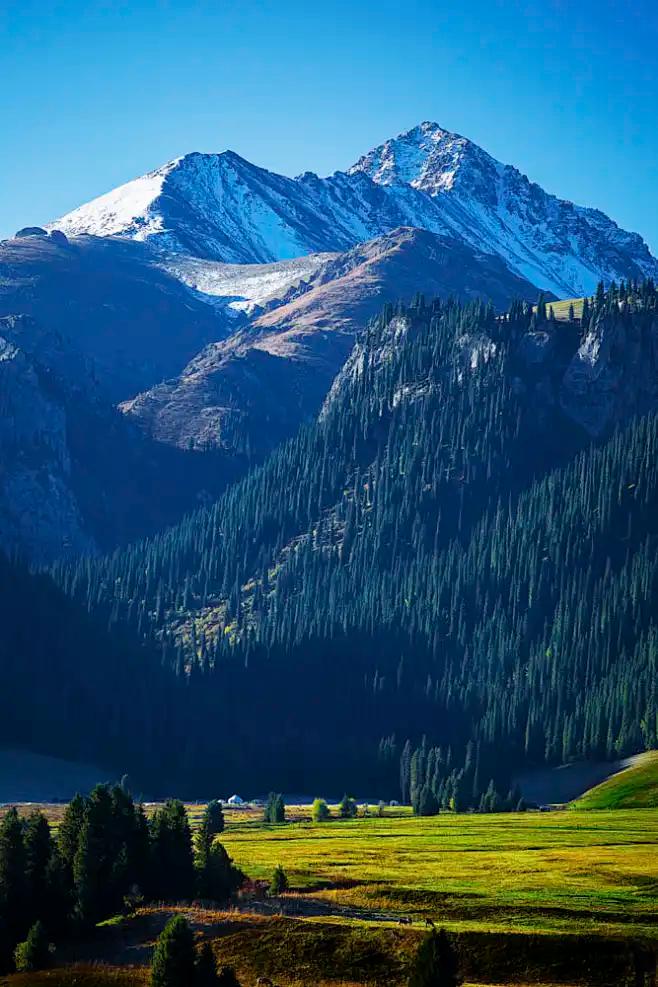
The moment that clears up the confusion is the Bulunkou (布伦口) checkpoint, roughly 140 km southwest of Kashgar. Karakul Lake and Baisha Lake sit before it, in Akto County, so you can photograph those turquoise shores without any paperwork. The gate itself is where officers check your passport and permit before letting you continue into Taxkorgan Tajik Autonomous County. We rolled up around 11 a.m.; the officer glanced at the document and waved us through in under a minute. No drama — but the couple behind us in a rented car without the permit was turned back toward Kashgar. That single scene is the whole rule.
Where Foreign Travelers Actually Apply
For Tashkurgan, the office is the Entry-Exit Administration Division of the Kashgar Public Security Bureau (喀什市公安局出入境管理支队). You bring your passport, your valid China visa, and sometimes a hotel booking confirmation in Tashkurgan. In my 2019 case it was free and processed the same morning; I walked out with a stamped permit valid for the county. A few travelers are told they must join a registered tour or use a local guide — the policy shifts, which is exactly why I tell people to confirm two weeks out. Chinese citizens pick one up just as easily, often at a PSB branch or even through certain hotels.
Bring a small stack of documents: your passport with at least six months’ validity and a valid Chinese visa, one or two passport photos (some offices still want them even when others do not), and a booking confirmation for a Tashkurgan hotel. The form itself takes two minutes. In 2019 the Kashgar office was busy but efficient; I was in and out in under an hour including the wait. A friend who went in 2023 was routed through a registered travel agency instead, so treat the “in person versus through a guide” question as open and confirm it when you book your hotel.
International Crossings Are a Different System
This is the part that trips everyone up. Khorgos, Torugart, Irkeshtam, Alashankou, and the Tacheng crossings are international borders. They do not take the domestic border-zone permit. To cross, you need a valid visa for the neighboring country (Kazakhstan, Kyrgyzstan, or Pakistan) plus your passport, and usually you cross as part of a booked overland tour. The Tashkurgan stretch and the Khunjerab Pass are the headline destinations, but reaching the Chinese side of Khunjerab still requires the Tashkurgan permit for the road past Bulunkou.
One nuance worth knowing: the Khorgos area on the Chinese side has a large cross-border trade and tourism zone you can visit without leaving the country, and many travelers stop there to see the meeting point of the rails and the duty-free shops. Actually crossing into Kazakhstan, though, is a separate visa process. Do not assume the Tashkurgan permit doubles as anything at an international gate — it does not.
Getting There: Transport to the Border Zones
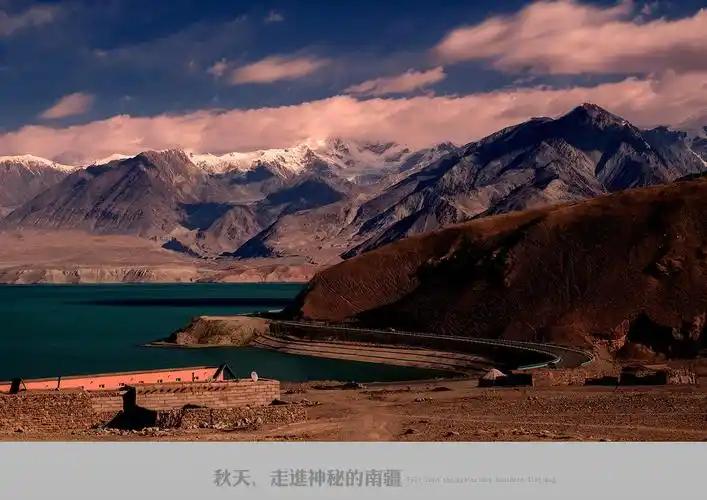
Kashgar is the hub. From the city, the G314 runs south to the Pamir; shared 4WDs and tour vans leave early and take roughly four to five hours to Tashkurgan town. The road itself — past Baisha Lake, up over the 3,700 m passes — is the trip. If you are heading to an international crossing instead, Kashgar also has the long-distance connections, and most people arrange the cross-border leg through an agent. For the wider picture on getting to Xinjiang by air and rail, see our main arrival guide.
Best Time to Go
Late May through September is the window. The high passes are clear of snow, the Karakoram Highway is open, and Tashkurgan’s apricot blossoms and eagle festivals make the Pamir feel alive. October can still work but nights drop hard. Winter closes several mountain roads, and the border posts run reduced hours. If your permit plan hinges on reaching Khunjerab, build in a buffer — weather, not paperwork, is usually what stops you.
Where to Sleep
Tashkurgan town has a workable spread of hotels, from bare-bones guesthouses to a couple of newer mid-range places with heating that actually works. Book ahead in July and August. Importantly, the ID-registration step at check-in is where your permit gets checked again, so keep it on you. The routine ID checks between Kashgar and Tashkurgan are real and frequent, not a one-off at the gate.
Remember the elevation. Tashkurgan sits around 3,200 m, high enough that some visitors feel the thin air on day one. Pack a warm layer no matter the month; the Pamir cools fast after sunset even in July. The better hotels have oxygenators or at least solid heating, which matters more than the thread count.
What to Eat on the Pamir
Up here the menu shifts. Tajik and Kyrgyz households serve hearty laghman, plenty of naan, and dairy — kurt (dried salted cheese balls) and fresh yogurt that resets your palate after days of road food. In Tashkurgan town you will find halal noodle joints and the occasional pilaf stand. Nothing fancy, all filling, and at altitude you will want the calories.
Beyond laghman and naan, look for tongcai (a local greens stir-fry), boiled mutton with onions, and the dairy platters of kurt and fresh cheese. Tea is constant — milk tea with salt is the Tajik default and a genuine comfort at altitude. If you have a sensitive stomach, ease in; the combination of altitude and rich mutton catches a few people off guard on the first night.
Practical Tips Before You Apply
- Carry your passport everywhere in the border zone. The checks between Kashgar and Tashkurgan are routine.
- Photocopy or screenshot your permit. Phones die at altitude.
- Confirm the current rule with the Kashgar PSB or your consulate two weeks before travel — the policy on independent foreigners has tightened and loosened more than once.
- Drones are restricted near the border. Do not risk a confiscation at Bulunkou.
- If you are moving goods or a vehicle across, the customs and border formalities are a separate, heavier process than a tourist permit.
Sample 3-Day Border-Zone Itinerary
Day 1: Kashgar old town, apply for the permit at the PSB, overnight in Kashgar. Day 2: G314 south — Baisha Lake, Karakul Lake, reach Tashkurgan by late afternoon, register at the hotel. Day 3: Drive toward the Khunjerab Pass area (permit required), photograph Muztagh Ata, return to Tashkurgan and back to Kashgar the next morning.
Frequently Asked Questions
Can I get the permit on arrival at the border?
No. You apply in Kashgar (or another designated PSB office) before reaching the Bulunkou checkpoint. Show up at the gate without it and you will be sent back.
Do Chinese citizens need it too?
Yes, but it is free and fast — many get it at a local PSB or through their hotel. The confusion is that foreigners sometimes face extra routing through a guide.
Is the Karakoram Highway open to tourists?
The Chinese side up to the Khunjerab area is open in the warm season with the Tashkurgan permit. Crossing into Pakistan needs a Pakistan visa and is a different procedure entirely.
How long is the permit valid?
Typically the duration of your stay in the county, often a few days to a week, issued at the officer’s discretion.
Disclaimer
This article reflects the author’s personal experience and research at the time of writing. Border-control policy in Xinjiang changes, and enforcement can differ by nationality, season, and local office. Always confirm current requirements with the Kashgar Public Security Bureau Entry-Exit Division, your embassy, or a licensed tour operator before you travel. Nothing here is legal advice.
About the Author
Karl Huang is a travel writer who has spent several seasons on the Pamir and across Xinjiang’s southern routes. He focuses on practical, first-hand guidance for independent travelers and has filed permit paperwork in more than one PSB office. His goal is simple: tell you what actually happens at the checkpoint, not what the brochure claims.