Published: August 22, 2026 | Author: Karl Huang
Why You Can Trust This Guide
Most visitors land in Kashgar and never leave the old city walls. I made that mistake on my first trip in 2019. On later drives through southern Xinjiang I kept hearing the same two names from drivers and market vendors: Jiashi, for the melon, and Yopurga, for a lake that sits in the middle of the desert. So in July 2023 I rented a car in Kashgar and spent two days tracing the G3012 and the smaller county roads between them. I ate melon at the source, watched a farmer load crates onto a G219 roadside stand, and floated in the salt water at Dawakun. Everything below comes from those trips and from talks with people who actually grow the fruit. Where I rely on official figures (planting area, the scenic-area rating), I say so.
Jiashi and Yopurga at a Glance
| Item | Jiashi (伽师) | Yopurga (岳普湖) |
|---|---|---|
| Administrative seat | Jiashi Town, Kashgar Prefecture | Yopurga Town, Kashgar Prefecture |
| Distance from Kashgar city | about 40 km east | about 100 km southwest |
| Famous for | Jiashi melon (伽师瓜), a national-geographic-indication fruit | Dawakun Desert Lake, a 4A scenic area |
| Best season | mid-May to late July (melon harvest) | April to October (lake open) |
| Typical stay | half day, combined with Kashgar | half to full day |
| Entry cost | free to visit farms and markets | Dawakun ticket roughly 40–50 RMB |
What We Found in Melon Country
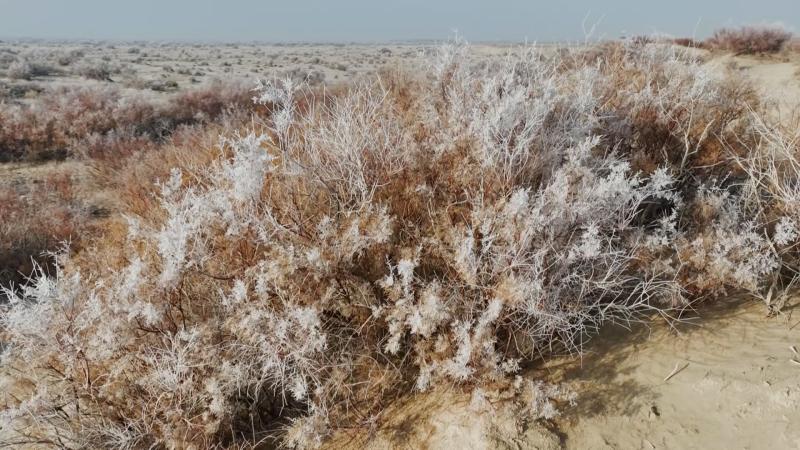
The drive from Kashgar toward Jiashi is flat and dry, and the gobi closes in on both sides of the road long before you reach the first orchards. That contrast is the whole point: a thin green ribbon of farmland pressed against one of the harshest deserts on earth.
In Wolituogelake town (卧里托格拉克镇) I stopped at a roadside stand where a farmer named Perhat was selling melons straight off the back of a pickup. He cut one open with a cleaver and handed me a wedge. The flesh was pale green, crisp, and far sweeter than any Hami melon I had bought in a northern supermarket. He told me the family had grown melons for three generations and that the soil here, with its alkali content and the huge day-to-night temperature swing, is what gives the fruit its density. I believed him after the second wedge.
Jiashi melon carries the label “the best melon under heaven” (天下第一瓜) in local marketing, and the claim is not just tourism talk. The county was named “Hometown of China’s Jiashi Melon” in 2001, and the fruit received national geographic-indication protection in 2005–2006. By 2025 the county was planting around 250,000 mu (about 16,700 hectares) and shipping more than 600,000 tons a year. You can taste why.
The county keeps a melon cultural hall where the history is laid out plainly: cultivation goes back to the Northern and Southern dynasties, the fruit was sent as tribute in the Qianlong era, and the local legend ties the melon to Xiangfei carrying it to the Qing court in Beijing. Inside, samples of the traditional Kalakusai and the 86-series sit next to newer crosses like Feicui and Xueli Cuimi. I tried four in a row and the sweetness climbed with each one.
How to Get to Jiashi and Yopurga
Both counties sit off the G3012 Turpan–Kashgar expressway, so a car rented in Kashgar is the easiest way to reach them. Jiashi is roughly a 50-minute drive east of Kashgar city. Yopurga is further: plan on about 90 minutes southwest, then another 30 minutes from Yopurga town to the Dawakun gate at Tieremu (铁热木镇). A quieter alternative is the G219, which skirts the melon fields south of Wolituogelake; in harvest season you will see entire families selling from the roadside, and pulling over for a wedge costs you nothing but a few minutes.
If you would rather not drive, frequent buses leave Kashgar bus station for both county seats, and shared taxis run when full. From the county towns to the farms and to Dawakun you will need a local cab or your own wheels, because public transport inside the counties is thin. I combined the two into one loop: Kashgar → Jiashi melon stands → back toward Yopurga → Dawakun → return to Kashgar before dark.
Travelers building a longer southern Xinjiang route often pair this with the Kashgar gateway at Tashkurgan to the west or the oasis towns of the Tarim Basin to the east.
Best Time to Visit
For Jiashi, timing is everything, because the melon is the draw. The early greenhouse crop starts coming off the vines in mid-May, and the open-field harvest runs through July. If you go in late June you catch the widest choice and the lowest prices at the roadside stands. By August the main season is over and you will mostly find stored fruit. A cold-chain network now moves the harvest to Guangzhou and Shanghai within about 24 hours, so the fruit you taste in July is the same one on sale down south a day later, though it will not be as crisp as it is here, picked that morning.
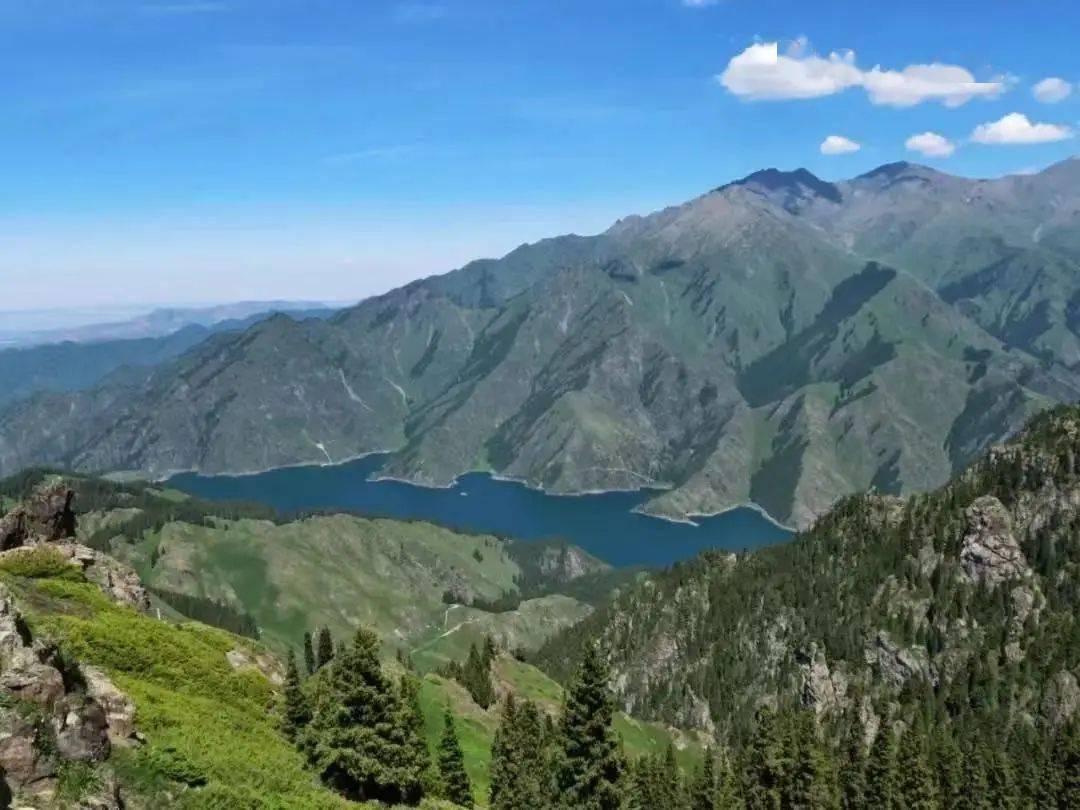
Yopurga’s Dawakun lake is open roughly April through October. Summer days are hot (the desert pushes 40°C), but the water and the evening light are the reward. Spring and early autumn are kinder on the skin and better for the camel ride and the lakeside walk. Winter closes most water activities.
Where to Stay
Neither county has international-standard hotels, and that is fine for a day trip. Most visitors sleep in Kashgar and make the loop as an outing. If you want to stay closer, Jiashi and Yopurga both have clean mid-range hotels near their main squares, usually 150–300 RMB a night, plus the standard roster of Chinese chain hotels. During the July harvest the county fills with fruit traders and live-in buyers, so rooms tighten and prices creep up; book a day ahead if you are traveling then.
Inside Dawakun there are yurt tents and a few villa-style rooms operated by the scenic area; I met a family from Urumqi who had booked a yurt for the night to catch the desert sunset. Book ahead in July and on national holidays, when the place fills up.
What to Eat
Start with the melon, obviously. At a roadside stand a whole Jiashi melon costs a few RMB and the vendor will cut it for you. Eat it cold if you can — the chill brings out the sweetness. Beyond melon, Jiashi town has the usual Xinjiang counter: laghman noodles, dapanji chicken, and fresh nang bread from the corner ovens.
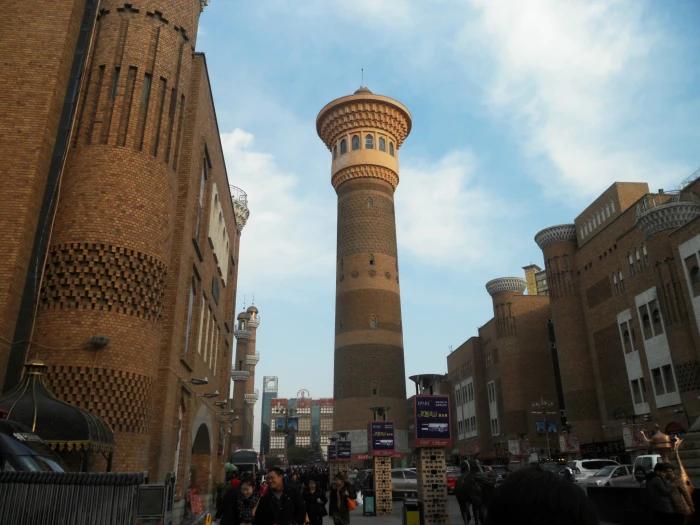
At Dawakun, the scenic-area restaurants serve kaoyu (roast lake perch), jiaziti (oil towers, a layered fried bread), and kaoquanyang (whole lamb roasted over desert wood). A lakeside lunch for two ran me about 120 RMB. Bring cash or a working Alipay link; the smaller stands do not always take foreign cards.
For a wider food frame, the melon stands here are part of the same southern Xinjiang market culture you find at the Kyrgyz country near Aksu and the quiet Tarim oasis towns of Shaya and Xinhe.
Practical Tips
- Go early. The stands open by 9 a.m. and the light on the fields is best before noon.
- Ask before photographing farmers or their stalls; most are happy, some are not.
- Carry water and a sun hat. The gobi wind picks up fast and there is little shade at the stands.
- Dawakun’s lake is salty enough to float you, but do not swallow it and follow the marked swim areas.
- Melons travel badly. Buy a half at a time and eat it the same day rather than hauling a full one across the desert.
- Fill fuel in Kashgar. County gas stations are reliable but sparse once you turn off the expressway.
A 2-Day Sample Itinerary
Day 1 — Kashgar to Jiashi. Leave Kashgar at 8:30 a.m., reach Jiashi by 9:30. Spend the morning at the Wolituogelake roadside stands and a melon cultural hall if open. Lunch on noodles in Jiashi town. Drive to Yopurga town by mid-afternoon and check into a hotel.
Day 2 — Dawakun and back. At 9 a.m. drive to the Dawakun gate (about 30 minutes). Walk the lakeside, ride a camel across the sand dunes, and try the floating spot. Late lunch at a lake restaurant, then return to Kashgar by early evening. If you have a third day, push south toward the hot springs at Wushi or west toward the Pamir.
FAQ
Is Jiashi melon the same as Hami melon? They are cousins. Jiashi melon is its own cultivar grown around Jiashi county and is generally denser and sweeter than the common Hami type sold up north.
Can I visit Dawakun without a tour? Yes. A rented car or a Kashgar taxi gets you there independently. The scenic area sells tickets at the gate.
How long should I budget? A half day each for Jiashi and Dawakun works if you stay in Kashgar. An overnight in Yopurga makes it relaxed.
Is it worth the trip if I only have one day in Kashgar? Probably not. Spend a single day inside Kashgar old city. Save Jiashi and Yopurga for when you have a second or third day in the south.
Disclaimer
This guide reflects my own visits in 2023 and publicly reported figures from Kashgar Prefecture and the scenic-area operator. Prices, opening hours, and road conditions change, and the melon season shifts with the weather. Confirm the Dawakun ticket price and the current harvest window with your hotel or the county tourism line before you go. I was not paid by any farm, hotel, or the scenic area to write this.
About the Author
Karl Huang is a travel writer who has driven more than 8,000 km across Xinjiang, from the Ili valley to the Pamir and the Tarim. He focuses on first-hand, practical guides for independent travelers and contributes to several regional travel publications. He visited Jiashi and Yopurga on his own itinerary and paid his own way.