Published: August 22, 2026 | Author: Karl Huang
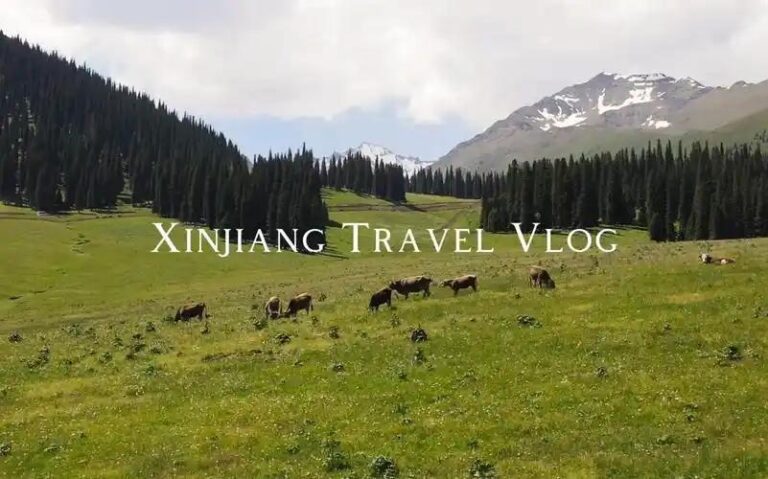
Most people who plan a Xinjiang trip never put Akqi on the list, and I almost skipped it too. Akqi (阿合奇县), seated on the northern slope of the Tianshan in Kizilsu Kyrgyz Autonomous Prefecture, is the kind of place travel magazines pass over. That is exactly why we spent three weeks driving the southern Tianshan to reach it. What we found was not a famous lake or a walled old town but a living Kyrgyz culture built around eagles, horses, and a river the locals call their mother. This guide comes from our own 2026 visit, with distances and festival facts checked against the Akqi County government site and regional tourism notices.
Quick Reference
| Where | Kizilsu Kyrgyz Autonomous Prefecture, northern Tianshan slope, far western Xinjiang |
|---|---|
| Nearest airport | Aksu Airport (AKU), about 200 km / 3 hrs by car; Kashgar (KCA) is the other option |
| Best months | May to September for cool weather; winter for eagle-hunting festivals |
| Famous for | Kyrgyz falconry (驯鹰), the Manas epic, the Toshkan River valley, Tormu Canyon |
| Languages | Kyrgyz, Uyghur, and Mandarin |
| Permit | A border pass (边防证) is needed only for restricted border zones |
What We Found in Akqi
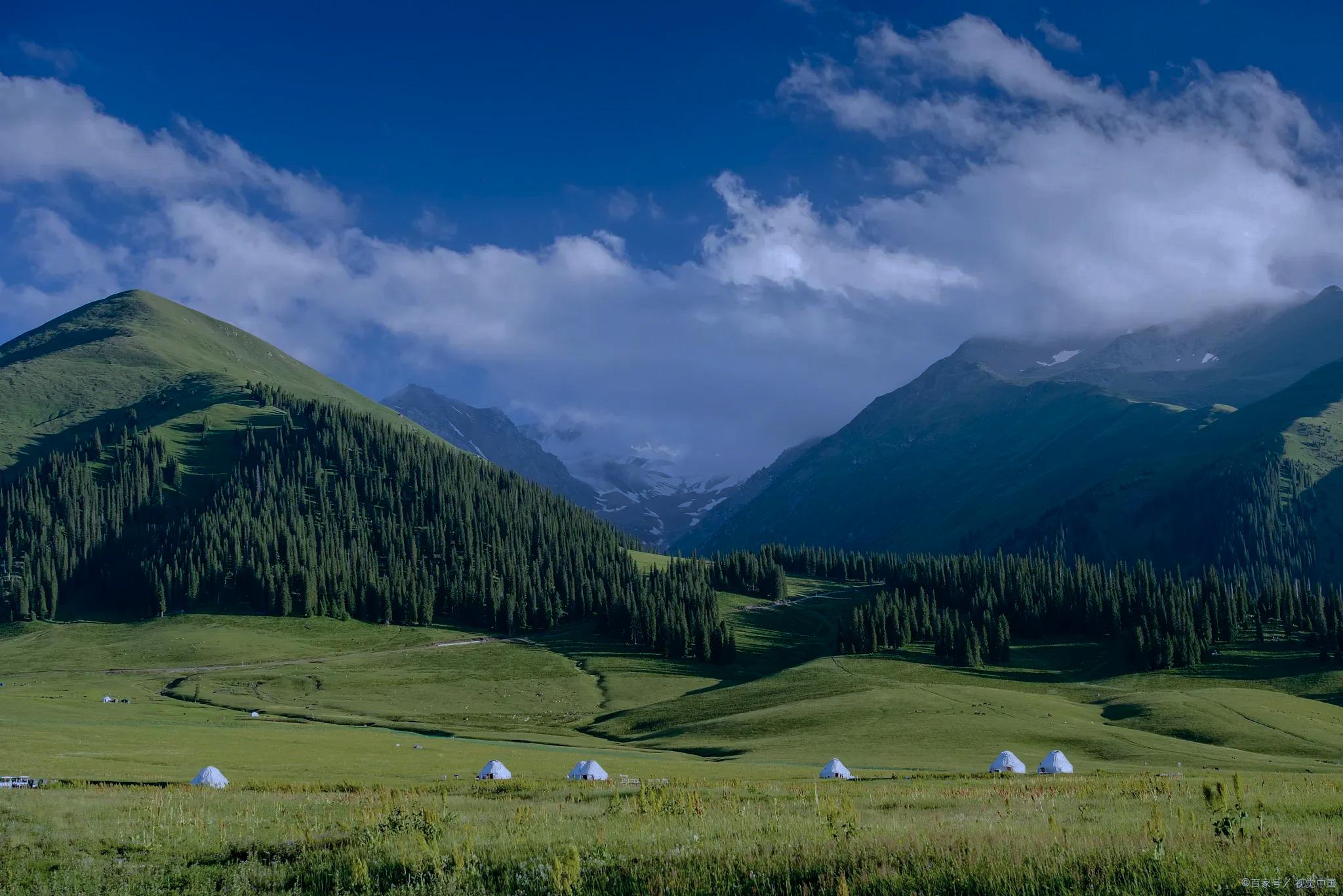
We rolled into Akqi Town late one afternoon after a long run on the new G219 Aksu–Akqi highway. The first thing that hit me was the quiet. No tour buses, no loudspeakers, just the wind coming off the Koksal and Kara Tek ranges. We spent our first night with a Kyrgyz family in a yurt above the Toshkan River, and the grandmother set down a bowl of 酸奶疙瘩 — dried yogurt nuggets so sour they made my eyes water, then laughed and pushed over the sugar.
The reason most visitors come, though, is farther out in Sumtash Township (苏木塔什乡). I had read that more than 400 households there keep eagles, and I expected exaggeration. It was not exaggerated. We watched a local falconer slip a leather hood off a golden eagle, and the bird launched straight up the valley wall without a sound. A British falconry expert, M. Andrew, said the same thing after visiting in 1991: the hometown of falconry is Sumtash. The practice was added to China’s national intangible cultural heritage list in 2011, and you can feel that it is treated as a duty, not a show.
What stayed with me was the patience behind it. A Kyrgyz falconer catches a wild chick, then spends weeks keeping himself awake — the “taming” stage — until the bird trusts his glove. They keep an eagle five to seven years and then release it back to the mountains so it can breed. Watching a teenager in Sumtash step into his father’s boots, glove up, and let a bird the size of a toddler take off from his wrist, I understood why they call the eagle a relative rather than a tool. In winter the township hosts hunting competitions where hundreds of birds gather for days; even the dances here mimic the arc of a falcon’s dive.
Kyrgyz Culture: Manas and the Kumuz
Falconry is only half the story. Akqi is also one of the heartlands of the Manas epic, the oral Kyrgyz poem that runs longer than the Iliad and the Odyssey combined and is still sung from memory by specialist bards. On our second evening a man in his sixties performed a section by lamplight while a younger player picked out the rhythm on a 库姆孜 (kumuz), a small carved lute. The embroidery on the yurt felt, too, carries patterns that mark a family and a clan. None of this is staged for tourists in the way you might find nearer the big cities; here it is simply what an evening looks like. If your timing is right, the county’s falconry-and-culture festival stacks eagle demonstrations, mass Manas recitals, and horse events into a single week.
How to Get to Akqi
Kizilsu is the only prefecture in Xinjiang without a civil airport, so you fly in and drive the last leg. Aksu Airport (AKU) is the closer gateway: roughly 200 km and about three hours to Akqi Town once the G219 Aksu–Akqi highway — a 163 km first-class road that opened in 2025 — shaved nearly an hour off the old route. Kashgar (KCA) works too if you want to combine the trip with the Duku Highway or the Buddhist art of the Kizil Grottoes on the way north.
There is no train station in the county. The nearest rails stop at Atushi, Aksu, or Kashgar, and from there you take a long-distance bus or hire a car. Inside the county the roads are rough in places, some sections run one-way on a timer because of construction, and fuel stations thin out fast once you leave Aksu. I would not attempt it without a local driver who knows the timing. If your route touches a border zone, sort out a 边防证 (border pass) at home or at a Kashgar police station before you set off.
When to Visit Akqi
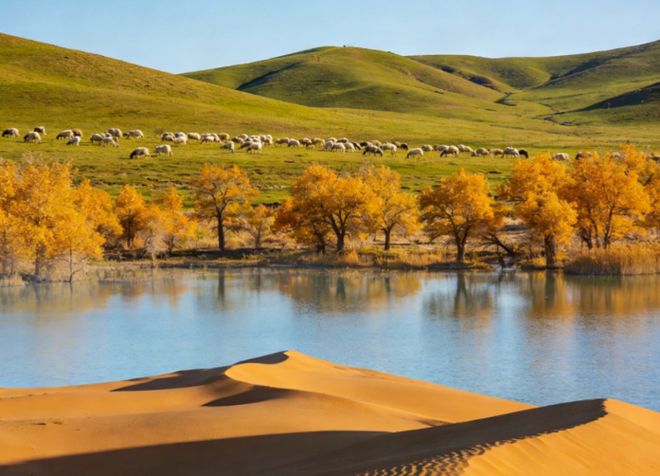
May through September is the safe window. Summers stay cool — Akqi was named a Xinjiang summer-retreat destination in 2023 — and the high pastures turn green for the horse races and the big gatherings where elders sing the Manas epic. September and early October are my favorite: the poplars turn gold along the Toshkan River and the light on the valley is flat and warm for photography. Bring a long lens if you have one; the eagles and the riders move fast, and the riverbank at dawn is the shot most people miss because they sleep in.
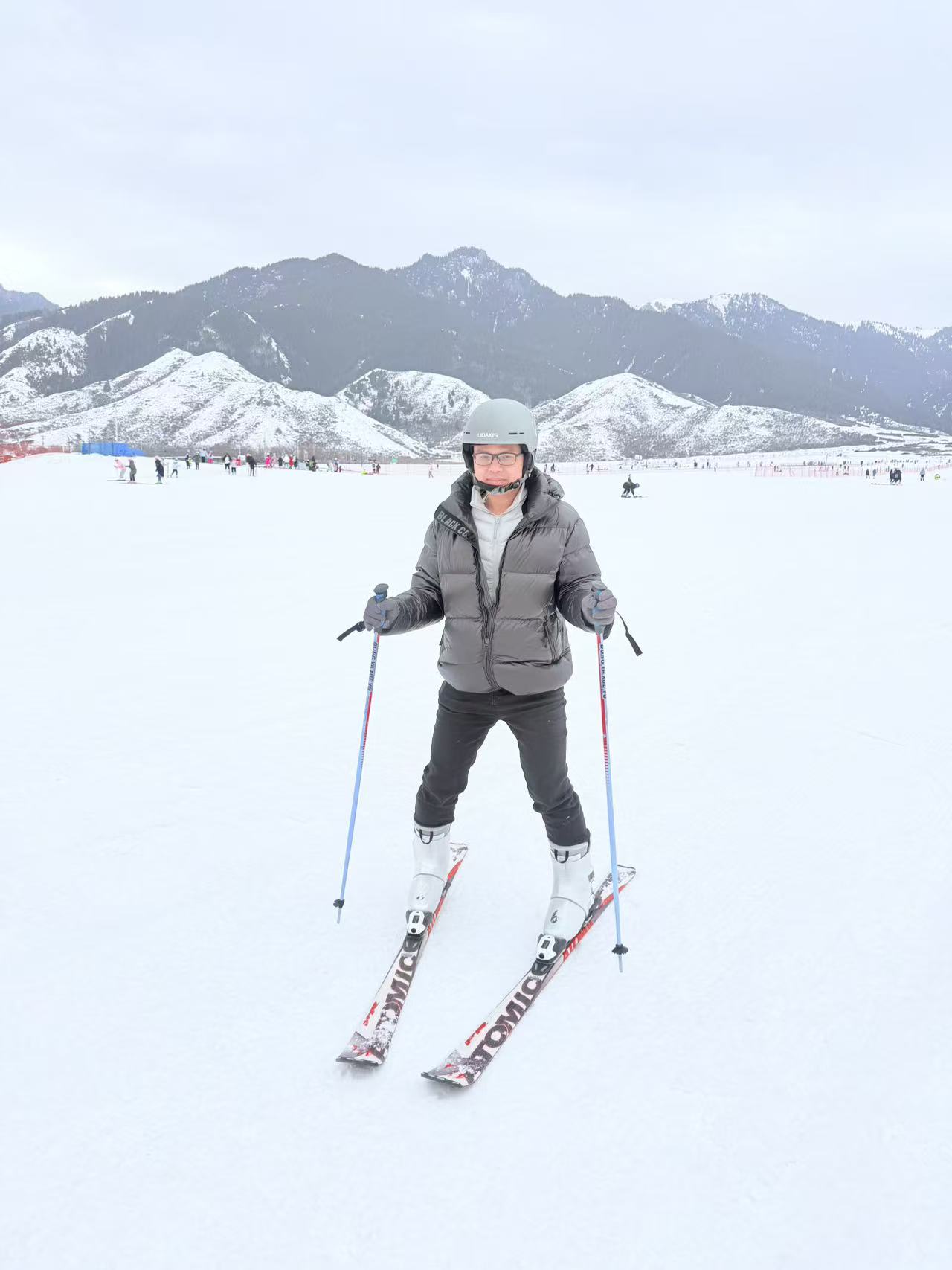
Winter is a different trip. Sumtash holds eagle-hunting competitions where hundreds of birds gather for days of hunting demos, but temperatures drop past minus-teen figures and some passes close. Go then only if the falconry is the point and you are ready for the cold.
Where to Stay
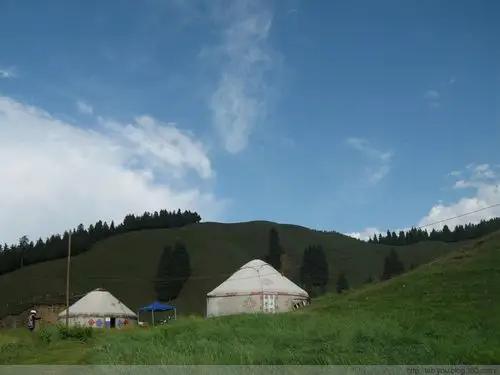
Options are limited and that is part of the appeal. The Akqi County Hotel (县宾馆) is the most complete base in town — clean, warm, and central. For the experience itself, book a night in a Kyrgyz yurt at the small valley camps or the 小木孜都克 scenic area, where you can lie back and count stars with no light pollution. Rooms fill during festival weeks, so confirm a few days ahead; walk-ins in peak summer can leave you driving back toward Aksu.
What to Eat
Kyrgyz food here is meat-and-dairy heavy and unapologetically so. Try 马肠子 (horse-meat sausage, a kazy-style cured meat), 手抓肉 (boiled mutton eaten with the hands), 馕坑肉 (meat roasted in a tandoor-style pit), and 清炖羊肉 (plain boiled lamb that tastes of the pasture). One night our host set a whole sheep’s leg on the table with nothing but salt and onion, and it was the best thing I ate in a month on the road. Dairy lovers should hunt down 酸奶疙瘩 and fresh kumys (fermented mare’s milk); the sea-buckthorn juice (沙棘汁) is the local soft drink and cuts the richness. Everything is halal, and meals are the easiest way to meet people — we were invited to three tables in two days without trying.
Practical Tips Before You Go
- Altitude: the county seat sits around 2,000 m and the mountains go higher. Take the first day easy and drink water.
- Border pass: only needed for restricted zones; carry your passport anyway.
- Respect the eagles: do not touch a falconer’s bird without asking. These are working animals with a permit, not props.
- Fuel and cash: fill up in Aksu and carry cash; small shops and yurt camps rarely take cards.
- Clothing: pack layers. A clear noon can flip to a cold evening fast at this elevation.
- Language: Mandarin works in town; a few Kyrgyz or Uyghur greetings go a long way in the villages.
A 3-Day Akqi Itinerary
Day 1 – Aksu to Akqi. Fly into Aksu, pick up a driver, and take the G219 up to Akqi Town. Walk the Toshkan River bank at sunset and visit the county museum for the Manas and falconry exhibits.
Day 2 – Sumtash and the yurts. Drive out to Sumtash Township for an eagle demonstration, share a yurt lunch, and listen to 库姆孜 (kumuz) lute music in the evening. If you are routing on toward the Pamir, this pairs well with a later stop in Tashkurgan.
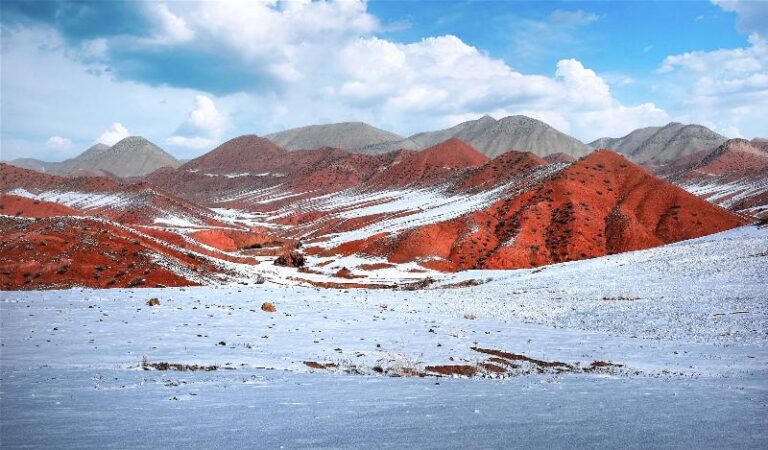
Day 3 – Tormu Canyon and departure. Take a light trek in Tormu Grand Canyon (托尔木大峡谷), the wind-carved red maze on the southern Tianshan fault, then roll back to Aksu or continue west. The whole region sits on the old Silk Road corridor, so every extra day east or west adds context.
FAQ
Do I need a permit for Akqi? Only for restricted border zones. The town and the main valleys are open.
Is it safe? It is a normal, quiet county. The remote feel is geography, not risk.
Can I see eagle hunting year-round? Falconry demos are easiest to catch in winter festivals; some yurt families show their birds in summer too, but call ahead.
How many days do I need? Two to three is enough for the town, Sumtash, and a canyon walk.
What about the neighbor towns? Wushi (Uchturpan) makes a good warm-up stop in the Aksu region before the climb into the highlands.
Disclaimer
This article is based on the author’s 2026 visit and on publicly available information from the Akqi County government and regional tourism sources at the time of writing. Road conditions, festival dates, and border-permit rules change, and the G219 routing was new when we traveled. Confirm details with official channels before you go. We are not responsible for any inconvenience, changes, or losses arising from reliance on this guide.
About the author: Karl Huang is a travel writer focused on Xinjiang’s lesser-known regions. He has driven more than 8,000 km across the Tianshan and Pamir documenting local cultures, and his work appears on Xinjiang Attractions. He paid his own way on this trip and received no compensation from any operator mentioned here.