Published: September 14, 2026 | Author: Karl Huang
If you search for Wujiaqu Shihezi Xinjiang travel advice, most results assume you will pick one city or the other as a quick side trip from Urumqi. We tried that on our last northern Xinjiang run and ended up with a better idea: visit both, back to back, and treat the pair as a short course in the XPCC. Wujiaqu is the young city 32 km north of Urumqi, built around Qinggeli Lake and the 6th Division. Shihezi is the older planned city 150 km to the west, built by the 8th Division on the edge of the Gobi. Together they show how the Bingtuan turned desert and steppe into farms, factories, and garden towns. This guide explains the system, how to move between the two, and what you can realistically see in a day or two.
Quick reference: Wujiaqu and Shihezi at a glance
| Item | Wujiaqu | Shihezi |
|---|---|---|
| XPCC division | 6th Division | 8th Division |
| City status | Founded 2004 | Founded 1976 |
| Distance from Urumqi | About 32 km north | About 150 km west |
| Character | Small lake city, young | Larger planned garden city |
| Known for | Qinggeli Lake, tulip festival | Military Reclamation Museum, Manas River |
| Population (city proper) | Roughly 120,000 | Roughly 600,000 |
| Best stop length | Half day | Half to full day |
| Main transport from Urumqi | Bus or car via S102 | Train, bus, or car on G30 |
What the XPCC means for travellers
The Xinjiang Production and Construction Corps, or Bingtuan, was set up in 1954 as a farming and border-support force made up of demobilised soldiers. It still runs today as a state economic and paramilitary organisation with 14 divisions across Xinjiang. The unusual part for visitors is the shi-shi heyi system: several divisions share the same government as a city. That is why Wujiaqu and Shihezi are officially both cities and military divisions. You will see the double nameplates everywhere: “6th Division Wujiaqu City” and “8th Division Shihezi City”.
For travellers, this matters because the Bingtuan built the towns from scratch. Shihezi was laid out on bare Gobi in 1950 and turned into a grid of tree-lined streets. Wujiaqu grew later around a reservoir dug by the same units. The farms, factories, museums, and even the canteen food you eat all carry that history. Understanding this makes the two cities far more interesting than a quick lunch stop.
Today the same divisions still run large-scale agriculture. The 6th Division area around Wujiaqu produces cotton, maize, wine grapes, and processed tomatoes. The 8th Division around Shihezi is one of Xinjiang’s main cotton and dairy belts, and the city is also a centre for food processing and textiles. Seeing the fields from the road is part of the visit.
Wujiaqu in a half day
Wujiaqu is small enough to see in a morning or afternoon. The city sits on the southern rim of Qinggeli Lake, a 17-square-kilometre reservoir that keeps the place surprisingly green. On our visit we walked the lakeshore promenade, watched families rent pedal boats, and then drove north to the Bayi Reservoir area for a look at the irrigation canals that feed the cotton and maize fields. If you visit in late April or early May, the tulip festival around the lake brings crowds from Urumqi; in July and August the lotus ponds are at their best.
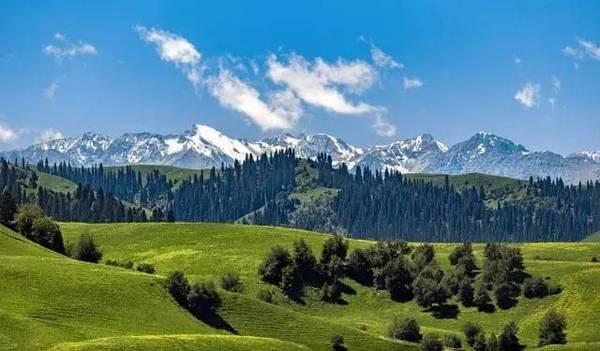
The centre is compact. You can cover the main lakefront, the local museum, and a late-lunch stop in three or four hours. Do not expect an old town: most of the city was built after 2004. If you want detail on the lake itself, see our Wujiaqu Qinggeli Lake guide. For the dam and irrigation system, the Bayi Reservoir page has the practical notes.
Shihezi in a half day
Shihezi feels larger and more established. The Manas River runs along the eastern edge, and the city centre is a neat grid of streets shaded by poplars and flower beds. We started at the Xinjiang Bingtuan Military Reclamation Museum, which opened in 2004 and does a clear job of explaining how soldiers turned Gobi into farmland. From there we walked east to the sculpture of General Wang Zhen and the memorial to Zhou Enlai. In the evening the riverside promenade fills with walkers and the lights reflect off the water, which is the most pleasant time to be in the city centre.
The real appeal is the orderliness. Tree-lined avenues, broad squares, and public parks make Shihezi one of the most walkable cities in northern Xinjiang. If you want a full walking route, our Shihezi on foot guide lays one out. For the history of the planned-city design, read Shihezi: the planned city the Bingtuan built.
Moving between Wujiaqu and Shihezi
The two cities do not sit on the same line. Wujiaqu is due north of Urumqi, while Shihezi is northwest. The simplest combined trip is a triangle: Urumqi to Wujiaqu in the morning, back to Urumqi, then onward to Shihezi. By road the Urumqi to Wujiaqu leg is about 32 km on S102, and the Urumqi to Shihezi leg is about 150 km on G30. A private car or driver makes the triangle easy in one long day.
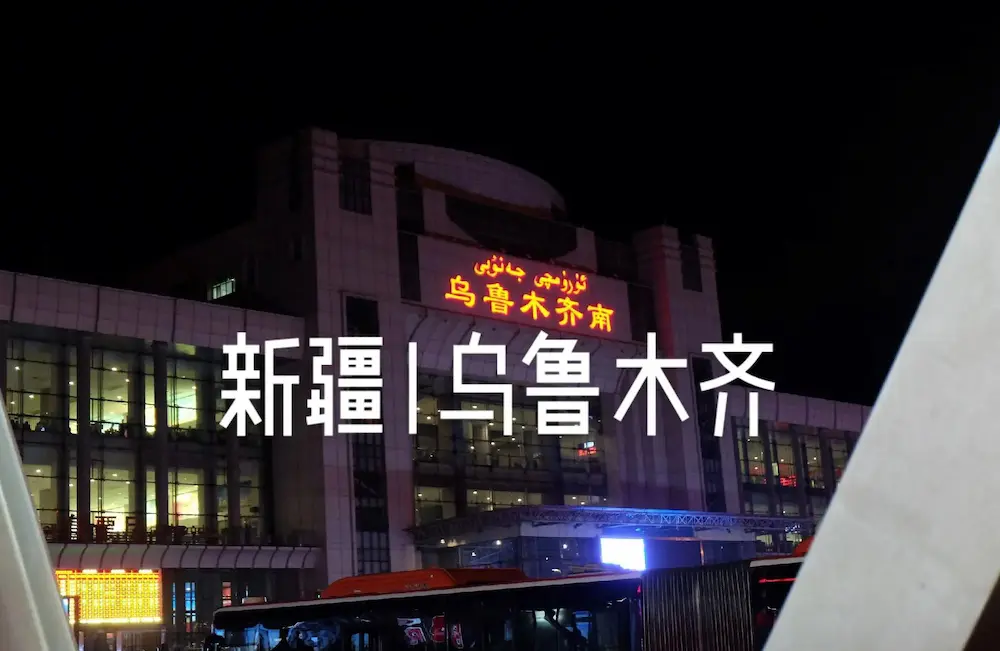
Public transport is also straightforward. Buses leave Urumqi’s north bus station for Wujiaqu every twenty to thirty minutes and take under an hour. To Shihezi, you have a choice of regular trains from Urumqi station, buses from the high-speed rail bus terminal, or shared cars that gather near the station. Trains are the most reliable option and usually take between one and two hours depending on the service.
Best time to visit
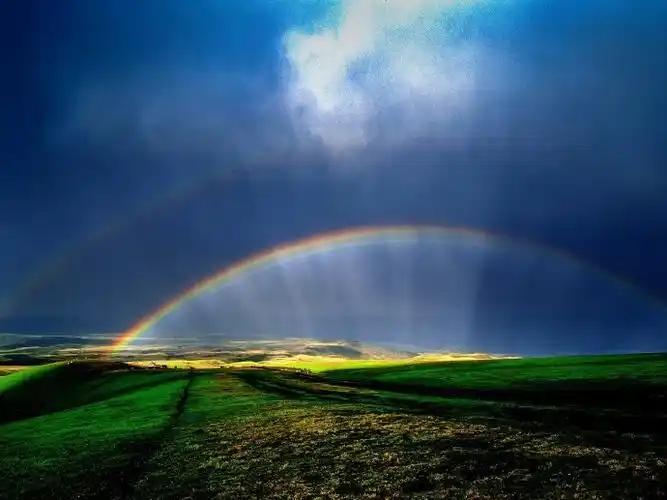
May, June, September, and early October are the most comfortable months. In late spring the tulip festival around Qinggeli Lake turns Wujiaqu into a popular weekend destination for Urumqi residents, so hotels fill up quickly and prices double. June and July are hot and dry, but the lake and the dense tree cover in Shihezi make the heat bearable. Autumn brings golden cotton fields along the roads and reliable sunshine. Winter is cold and quiet; the advantage is clear air and empty sites, but some outdoor restaurants close and lake boats stop running.
Where to stay
Shihezi has the better range because it is larger. You will find mid-range business hotels near the train station, newer chain properties along the main east-west avenue, and a handful of older hotels in the city centre. Wujiaqu has fewer options, mostly small business hotels around the lake and the main road, with a couple of newer properties near the economic zone. We stayed one night in Shihezi and made Wujiaqu a day trip, which is what most travellers do. If you are driving, either city works as a base, but Shihezi gives you more dining choices in the evening.
What to eat on the XPCC corridor
The food is northern Xinjiang fare with a Bingtuan canteen twist. In Wujiaqu we ate grilled lamb skewers and liangpi cold noodles at a lakeside stall. In Shihezi we tried the local version of dapaji, the famous big-plate chicken that originated in nearby Shawan County. Portions are generous, prices are lower than in Urumqi, and the flavours are less refined but honest. The area between Urumqi and Shihezi, around Hutubi, is also known for farm restaurants serving fresh tomatoes, lamb, and hand-pulled noodles.
Practical tips
- Carry cash. Smaller farm restaurants and rural fuel stations still prefer cash or local payment apps.
- Download offline maps. Mobile signal is fine in the cities but can drop on the G30 around industrial zones.
- Book Shihezi trains in advance, especially on Friday afternoons and Sunday evenings.
- Wujiaqu is compact enough to walk, but a taxi or Didi ride to the lake is cheap.
- The Military Reclamation Museum in Shihezi closes on Mondays; bring ID for entry.
- Both cities have lower English visibility than Urumqi, so have names written in Chinese.
- If you visit during the Wujiaqu tulip festival, reserve accommodation at least two weeks ahead.
A two-day Wujiaqu and Shihezi itinerary
Day one: Leave Urumqi early and drive or bus to Wujiaqu. Spend the morning at Qinggeli Lake, then have lunch near the lakefront. In the afternoon, visit the Bayi Reservoir area or the small city museum before driving or training to Shihezi for the night. The evening riverside walk is a good way to recover from the road.
Day two: Start at the Military Reclamation Museum in Shihezi, then walk the central grid to the Wang Zhen statue and Manas River promenade. Lunch on dapaji or noodles, then head back to Urumqi by train or car in the late afternoon. If you have extra time, stop at Hutubi for farm food or Changji for a quieter city walk.
Wujiaqu and Shihezi FAQ
Are Wujiaqu and Shihezi the same kind of city?
Both are XPCC division-cities, but they differ in age and scale. Wujiaqu became a city in 2004 and is smaller and lake focused. Shihezi became a city in 1976 and is larger, more industrial, and famous for its planned garden layout.
Can I visit both in one day?
Yes, but it is a long day. A private car lets you do Urumqi to Wujiaqu in the morning and Urumqi to Shihezi in the afternoon. Public transport makes it rushed; plan for two days instead.
Do I need a permit to visit?
No special travel permit is needed for either city. Foreign visitors should carry passport copies as usual in Xinjiang, and some hotels have extra registration steps.
Disclaimer
This guide reflects conditions as we found them in 2026. Train schedules, road conditions, museum hours, and hotel availability change, so confirm details before you travel. Distances and population figures come from official city and division profiles; where sources disagree we give the range or the most recent published figure.
About the author
Karl Huang researches and writes about travel in Xinjiang for this site. He has travelled the northern corridor between Urumqi, Wujiaqu, and Shihezi by car and train, and works from Chinese-language government profiles, field notes, and heritage listings. Where a claim needs a specialist, the article names its source.