Published: August 12, 2026 | Author: Karl Huang
Most people treat Shihezi as a place to refill the tank. It sits on the G30 expressway about 150 kilometres northwest of Urumqi, squarely on the route north to the Ili valley, and the usual advice is to push straight through. We did that on our first trip. On the second, we stopped for what we thought would be a half-day at the Corps Museum and ended up staying three nights. This Shihezi travel guide comes from that longer stay, plus the mistakes we made getting there and the things we would tell a friend before they book.
I am not going to pretend Shihezi competes with Kashgar or the Kanas lakes for postcard value. What it offers is different and, for a certain kind of traveller, more interesting: a city that was literally planted on the Gobi in the 1950s and turned green. If you are curious about how modern Xinjiang was actually built, this is one of the few places where the story is told straight to your face.
Shihezi travel guide: at a glance
A few facts so the rest of this makes sense:
| Where | Northern Xinjiang, northern foot of the Tianshan, on the rim of the Junggar Basin |
|---|---|
| What it is | A planned city run by the Xinjiang Production and Construction Corps (the 8th Division) |
| Population | roughly 400,000 |
| Distance from Urumqi | about 150 km; 1h20 by high-speed train, around 2 hours by car on the G30 |
| Airport | Shihezi Huayuan Airport (SHF), with flights to Xi’an, Chengdu and a handful of other cities |
| Best window | May through October; September for the cotton and the autumn light |
| Don’t miss | The Xinjiang Corps Museum (free, central, and genuinely good) |
Our Shihezi travel guide stop: what we found
We arrived on the late-morning bullet train from Urumqi and walked out of the station into wide boulevards with real, mature trees. That sounds minor until you have spent two weeks in the region and realise how rare deliberate shade is out here. Shihezi was laid out on a grid by the Corps in the 1950s, and the tree belts they planted to hold back the desert are now the defining feature of the place. In late September the streets smelled of fallen leaves, which is not a sentence I expected to write about a city on the edge of the Junggar.
The single thing worth the trip is the Xinjiang Corps Museum. We went in doubtful and came out having stayed almost three hours. It covers the reclamation of the frontier: the soldiers who became farmers, the first harvests, the machinery, the living conditions. The exhibits are in Chinese, but the photographs and the reconstructed dugout dwellings tell the story without translation. If you read one plaque, make it the one about the hand-made tools in the first gallery.
Two quieter stops also earned their time. The Zhou Enlai Memorial, a short taxi ride from the centre, marks the spot where the premier planted a tree on a 1965 visit; the surrounding woodland is the calmest corner of the city. And the Ai Qing Poetry Museum, dedicated to the poet who was sent to Shihezi during his exile and wrote about the cotton fields, is small, free, and almost never crowded.
Getting to Shihezi
Three realistic ways in.
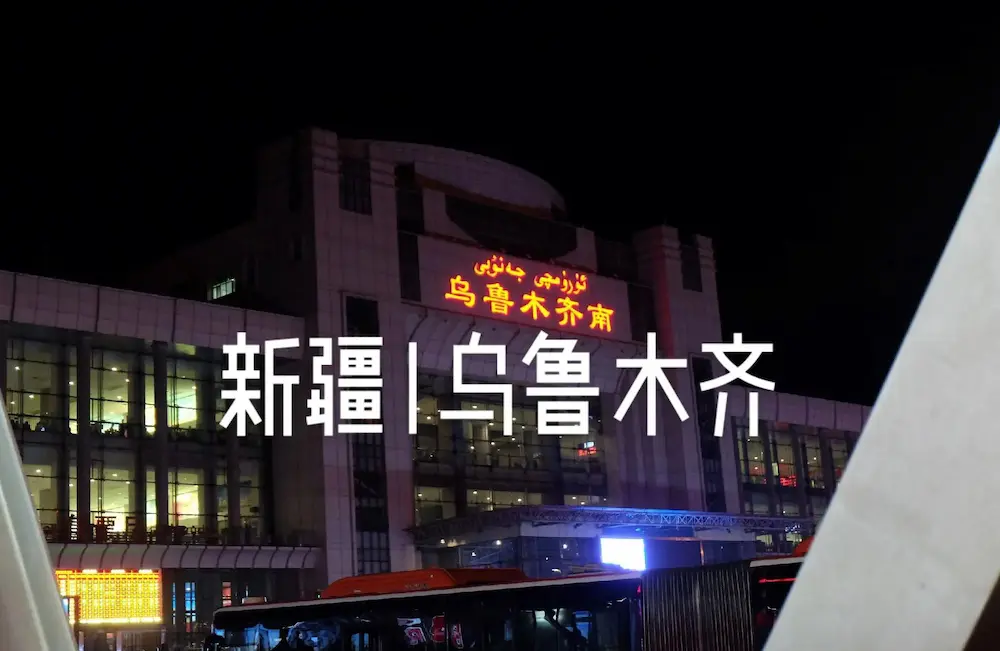
By high-speed rail. Trains from Urumqi run several times a day and take about 80 minutes. This is what we used, and it is the easy default. Book on the 12306 app or at the station; the Shihezi station is north of the city centre, a 15-minute ride to the museum district.
By car. The G30 Lianyungang–Khorgos expressway passes straight through, so Shihezi works as a natural break on a longer loop. If you are piecing together a northern Xinjiang road trip, our self-drive Xinjiang planning guide walks through the G30 segment and where to fuel up.
By air. Shihezi Huayuan Airport (SHF) has limited flights, mostly to Xi’an and Chengdu. Useful if you are starting a Xinjiang trip from those cities, less so as a connection. Most international visitors will fly into Urumqi first; see how to reach Xinjiang by air, rail and road for the wider picture.
Best time to visit
Shihezi has a harsh continental climate: hot, dry summers and cold winters. The comfortable window is May to October.
We went in late September and would pick that month again. The cotton was being harvested across the surrounding fields (you will see the mechanical pickers working in long rows), the nights were crisp, and the city’s trees were turning. Summer, June to August, is green and lively but can hit the high 30s Celsius, and there is little shade once you leave the boulevards.
Winters are quiet and very cold, with the nearby Duku Highway closed over the Tianshan, so plan drives for the warm months. If you are choosing between the two big northern regions, our piece on Ili versus Altai helps you split your time.
Where to stay
The practical choice is somewhere between the railway station and the museum, around the city centre. That keeps you within walking distance of the Corps Museum, the main eating streets, and the tree-lined core we actually liked. International chains and Chinese business hotels both have properties here; we stayed at a mid-range place near the university and paid roughly 250–350 yuan a night in September, which felt fair for the space and the quiet.
If you want a quieter, more local feel, the blocks around Shihezi University have cheap guesthouses and the best low-key food. Book ahead in the October holiday period, when domestic travellers fill the city.
What to eat
Shihezi eats like the rest of northern Xinjiang, with a Corps twist: big portions, wheat-heavy, and heavy on lamb and tomato. We ate well and cheaply.
Da pan ji (big plate chicken). The signature, and the version here is solid: chicken, potato, pepper and wide noodles in a dark, savoury sauce. Order it for two and you will have leftovers.
Laghman and naan. Hand-pulled noodles and the flatbread are everywhere; the university-area stalls do both for a few yuan.
Melon. The land around the city grows Hami and other melons, and in season they are the sweetest thing we carried back on the train.
For a classic alpine add-on before or after Shihezi, Heavenly Lake (Tianchi) above Urumqi is an easy half-day trip and a different kind of scenery entirely.
Practical tips
- Carry cash and a translation app. English signage is limited outside the museum, and smaller restaurants may be card-only or WeChat-only.
- Check museum days. The Corps Museum is free but follows Chinese holiday and maintenance closures; confirm before you go so you don’t travel across the city for a locked door.
- Dress for the swing. Days can be warm and nights cold in spring and autumn. A layer you can shed covers most situations.
- Don’t skip the tree belts. The green grids look ordinary from a car but are the whole point; walk one boulevard block on foot to get it.
- Permits. Foreign travellers should confirm current entry and permit rules for Xinjiang before departure, as requirements have changed and vary by area.
A two-day sample itinerary
Day 1. Morning train from Urumqi. Drop bags, then the Corps Museum (allow 2–3 hours). Late lunch of big plate chicken near the centre. Afternoon walk through the boulevards and the Zhou Enlai memorial woodland. Dinner at a university-area stall.
Day 2. Morning at the Ai Qing Poetry Museum and the cotton-field edges (September only). Early afternoon train or car onward toward the Ili valley or Sayram Lake. If driving, the G30 north is fast and dull in the best way.
Frequently asked questions
Is Shihezi worth visiting on its own? As a standalone destination, probably not for most travellers. As a half-day or overnight stop on a northern Xinjiang loop, yes, especially if the modern history of the region interests you.
How long do I need? Half a day covers the museum and a walk. An overnight stay lets you see the city at a normal pace and catch a second sight.
Can I get there without speaking Chinese? Yes, with a translation app. The train is straightforward, and the museum is visual. Smaller restaurants are where you will feel the language gap most.
What is nearby for a longer trip? Urumqi and Heavenly Lake to the southeast, the Ili valley and Sayram Lake to the west, and the Duku Highway south over the Tianshan.
A note on accuracy
Train times, flight routes, hotel prices and opening hours change. The details above reflect our September 2026 travels and were correct when written, but confirm schedules and entry rules with official sources before you commit. This article is independent travel writing, not an official notice, and nothing here should be read as legal or visa advice.
About the author
Karl Huang is a travel writer who has spent multiple seasons driving and riding across Xinjiang, from the Kashgar bazaars to the northern Xinjiang cotton country. He writes practical, first-hand guides for visitors who want the real logistics, not the brochure version. He last travelled through Shihezi in September 2026.