Published: August 12, 2026 | Author: Karl Huang
Why you can trust this Changji travel guide
Most visitors to Xinjiang treat Urumqi as a single overnight stop before the long haul west to Kashgar or north to the Altai. I did exactly that on my first trip in 2019, and I missed something. On a later trip, in late September, I parked myself in Changji City for four nights and used it as a base. The result was the calmest, cheapest, and logistically easiest stretch of any Xinjiang trip I have done. This Changji travel guide is built from those days on the ground, not from a brochure.
What I learned the hard way: the Tianchi shuttle sells out by mid-morning in peak season, the best Hui noodle shop in town closes at 3 p.m., and the bus from Urumqi takes 40 minutes if you avoid the 8 a.m. crush. I have folded those details in below so you do not repeat my mistakes. If you want the polished version, the official Changji tourism board lists opening hours and ticket prices, but the small stuff that actually shapes a trip is what I write about here.
Changji at a glance
| Item | Detail |
|---|---|
| Full name | Changji Hui Autonomous Prefecture |
| Distance from Urumqi | 35 km west; 30-50 min by bus or car |
| Headline sight | Heavenly Lake (Tianchi) at Bogda Peak, in Fukang |
| Best months | June-September for lake and grassland; January for ice |
| Local character | Hui Muslim culture, halal food, low hotel prices |
| Budget | Mid-range room from Y180; meals Y25-45 |
Living in Changji City for four nights
Changji City is not a postcard town. It is a working Chinese city of wide boulevards, low-rise apartment blocks, and a long night-market strip that wakes up after 9 p.m. That is precisely the point. After the price and pace of Urumqi, the slower rhythm felt like a reset. I walked the main pedestrian street each evening, bought roasted sunflower seeds from a cart, and watched families circle the fountains.
One morning I walked north past the empty exhibition halls to a municipal park where retired men played xiangqi on stone tables and a woman practiced tai chi with a rusted sword. Nobody looked at me twice. That ordinary scene, more than any viewpoint, told me I was somewhere real rather than staged for tourists. The single best decision of the trip was eating at a small Hui-run laghman shop two blocks from my hotel. On the second night the owner, a cheerful woman in her fifties, remembered I liked extra garlic and pushed a plate of pickled chillies across the counter without asking. That kind of small, unremarkable hospitality is the real product here, and you will not find it written up in glossy travel magazines.

Getting to and around Changji
Changji sits on the main corridor that runs Urumqi-Changji-Shihezi-Karamay, so transport is easy. Long-distance buses leave Urumqi’s south bus station for Changji every 20-30 minutes and cost around Y15. A Didi or taxi from central Urumqi runs Y80-120 depending on traffic. Trains also stop at Changji on the line toward Kuitun, though the bus is faster for this short hop. If you are flying in, read our guide on how to reach Xinjiang first.
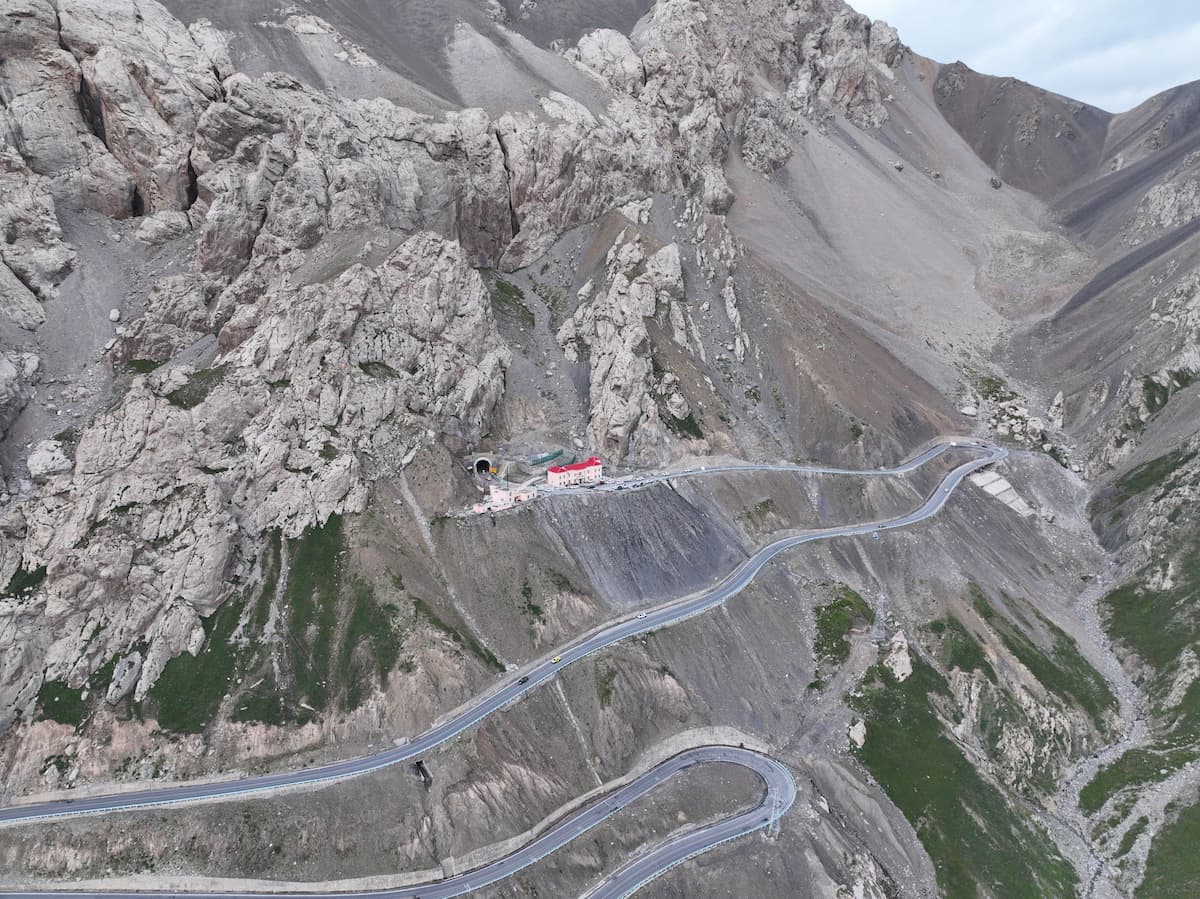
Within the prefecture, getting to the sights takes planning. Tianchi is 70 km from Changji in Fukang; Jiangbulake is 200 km east in Qitai; the northern gate of the Duku Highway is reached via Dushanzi, about an hour south. Many travellers prefer a car, and our self-drive Xinjiang guide covers permits, fuel stops, and road conditions in detail. Public buses reach Fukang and Qitai, but the last connections of the day leave early, so start before noon.
When to go
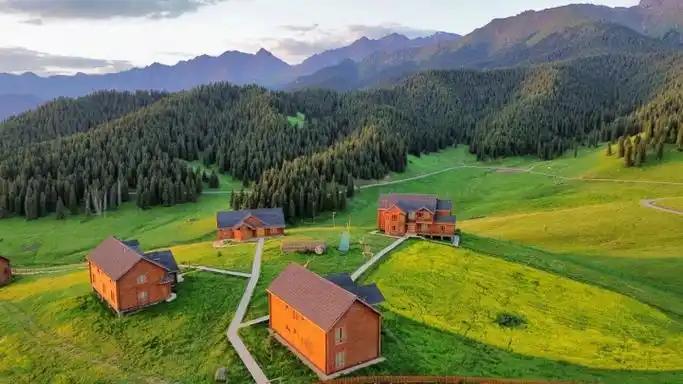
Late June through September is the safe window. Tianchi thaws fully by early June and the surrounding spruce stay green through September. I went in late September and had clear views of Bogda Peak with snow on the summit while the lake was still unfrozen, near-ideal light and thin crowds. The Jiangbulake grassland in Qitai turns gold in early October, a week or two after the lake crowds thin out, which makes a late-September to early-October visit the sweet spot if you can time it.
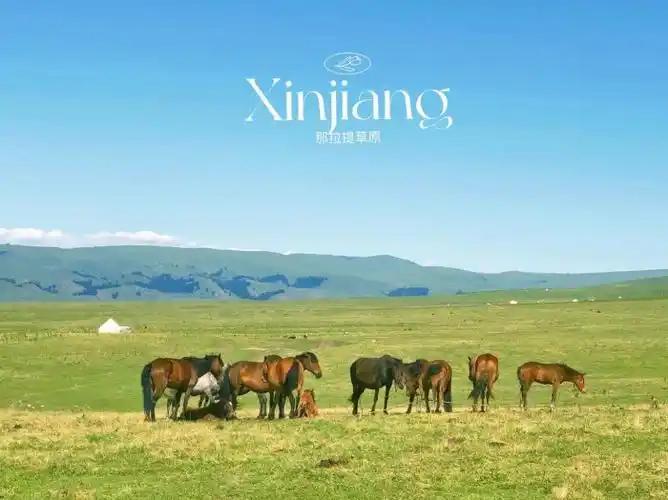
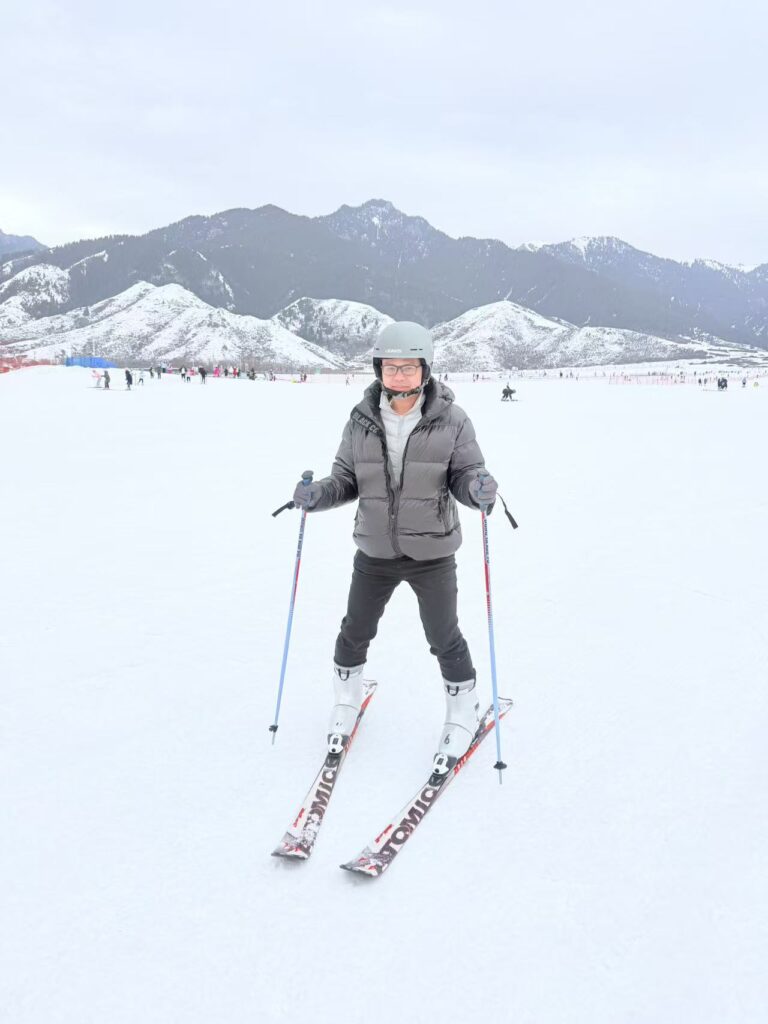
Winter is a different trip. Tianchi freezes into a skating and ice-festival venue, and hotel prices drop by half. Pack real cold-weather gear; the wind off the Tianshan cuts through a normal jacket. Spring is short and muddy, so I would not plan a first visit around April or May.
Where to sleep
Changji City has the usual range: national-chain hotels near the bus station from Y180, and quieter business hotels a few blocks inland from Y260. I stayed at a mid-range place on Beijing Road, ten minutes’ walk from the night market, and it was spotless and silent at night. Book ahead only for the July-August peak; otherwise you can walk in. For Tianchi, most people day-trip from Changji or Urumqi, but if you want dawn on the lake, there is a resort hotel at the shore with rooms from Y700 in season. It sells out weeks ahead in July, so reserve the moment your dates are fixed.
What to eat
Hui halal cooking defines the local table. Start with laghman (hand-pulled noodles), then a bowl of zichuan, a peppery beef soup that clears a cold night. The night market does samsa (baked buns), grilled mutton skewers, and sweet fried dough dusted with sugar. A full plate and a drink rarely cost more than Y40. On my last evening I ordered the same beef noodle soup three nights running and the cook finally laughed and added an extra spoon of chilli oil “for the regular.”
One practical note: alcohol is not served at Hui-run spots, so if you want a beer with dinner, look for a Han-run restaurant or buy from a shop. Nobody minds, but do not expect it on the premises. Fruit is excellent and cheap here, melons in particular, and a roadside hami melon in September tastes nothing like the imported ones back home.
Practical tips before you go
- Buy Tianchi tickets online the night before. The shuttle bus up the mountain fills by 10 a.m. in July and August.
- Carry cash. Small noodle shops and market stalls often do not take foreign cards, and Alipay can fail for short-stay visitors without a Chinese bank account.
- Register at your hotel front desk with your passport. It is routine and takes two minutes; just hand it over.
- Altitude at Tianchi is about 1,900 m. Most people are fine, but take the first day easy if you have just flown in from sea level.
- Download an offline map. Signal is solid in the city but patchy on the Duku approach and inside the canyon.
- Start day trips early. The last Tianchi downhill shuttle leaves around 6 p.m., and missing it means an expensive taxi or a cold wait.
A three-day Changji basecamp itinerary
Day 1. Arrive from Urumqi, check in, and walk the night market after dark. Buy seeds, watch the fountain, early night.
Day 2. Bus or car to Fukang, then the Tianchi shuttle to Heavenly Lake. Walk the western shore, photograph Bogda Peak, and be on the last downhill bus by 5 p.m. I missed it once and do not recommend the alternative, a Y200 taxi negotiated in the cold.
Day 3. Long day east to Qitai’s Jiangbulake terraces, or south to the Dushanzi gate of the Duku Highway if the road is open, typically late May to early October. Return to Changji for a final night-market dinner.
If you have a fourth day, our Urumqi travel guide pairs well as a follow-on before you head deeper into the region.
Frequently asked questions
Is Changji worth visiting on its own? As a standalone destination, no. As a calm, cheap base to reach Tianchi, Jiangbulake, and the Duku northern gate, yes, especially if Urumqi prices pinch.
Do I need a permit for Tianchi? No special permit for foreign visitors beyond normal Xinjiang entry. Buy the ticket and shuttle pass at the base visitor centre.
Can I do Tianchi as a day trip from Urumqi? Easily. It is closer to Urumqi than to Changji City, so if you only want the lake, base in the capital. Changji makes sense when you add Qitai or the Duku gate.
Is English spoken? Rarely. Translation apps handle menus. Learn “thank you” (rahmat) and “how much” (qanche) in Uyghur, and “ni hao” in Chinese. Locals respond warmly to the effort.
Disclaimer
This guide reflects personal travel experience and was accurate at the time of writing (August 2026). Opening hours, shuttle schedules, prices, and road access on the Duku Highway change with season and weather. Confirm key details with your hotel or the official visitor centre before you travel, and check current entry requirements for Xinjiang with the relevant authorities. We are not responsible for changes beyond our control or for any inconvenience arising from them.
About the author
Karl Huang is a Xinjiang-based travel writer who has spent several seasons exploring the region’s prefectures by bus, train, and rented car. He focuses on practical, first-hand guidance for independent travellers and contributes regularly to XinjiangAttractions.com.