Published: July 12, 2026 | Author: Karl Huang
Most people who plan a southern Xinjiang route stop at Kashgar and call it done. They treat the rest of the Tarim basin as a blur seen from a train window. A real Hotan travel guide has to begin with a pale stone, because jade is the reason this low, dry oasis ever mattered. I have crossed the Taklamakan to reach Hotan twice now, once by the southern highway and once on the new desert-loop railway, and the city keeps pulling me back for different reasons each time.
Why you can trust this Hotan travel guide
I am not quoting a brochure. The details below come from those two trips and from a Uyghur driver named Memet who has run the Kashgar–Hotan run for fourteen years. He corrected half of what I thought I knew about jade on the first afternoon. Where I give a price or a timetable, it is what I paid or saw in 2024 and 2025. Things shift, so treat the numbers as a starting point and verify before you book. For the wider historical frame, my Xinjiang Silk Road history guide covers how these oasis towns fit together.
Hotan at a glance
| Region | Southern Xinjiang (Tarim Basin), on the southern edge of the Taklamakan Desert |
|---|---|
| Famous for | Hetian jade (nephrite), Atlas silk, hand-knotted carpets, pomegranates |
| Closest gateway | Kashgar, about 500 km west by road (6–7 hours) |
| Getting there | Hotan Airport (HTN); Kashgar–Hotan railway; G3012 expressway |
| Best months | April–May and September–October |
| Avoid | July–August (40°C+ and dust storms) |
| Typical stay | 2–3 days |
| Language | Uyghur widely spoken; Mandarin in hotels and stations |
What Hotan actually feels like
We rolled into Hotan just before sunset on the second trip, coming off the G3012 as the light went flat and orange across the fields. The first thing that hits you is not a monument but a smell: woodsmoke and roasting lamb fat from the night stalls, mixed with the dry cotton-gin scent that hangs over the whole southern basin. The city itself is unshowy. Low buildings, wide dusty avenues, and a core old town where the lanes are just wide enough for a single cart.
Memet parked near the jade market and we walked in. I had expected glass counters and spotlights. Instead it was a sprawl of folding tables under a tin roof, each piled with grey-green river stones, and old men with loupes arguing over which ones were real Hetian material. That afternoon taught me the single most useful fact for any visitor: real mutton-fat jade (yangzhi yu) has a waxy, warm feel in the hand and a price that makes cheap “bargains” laughable. If someone offers you a flawless white pendant for twenty dollars, it is not jade.
The next morning we drove out to the Yurungkash, the White Jade River, one of the two Kunlun-fed streams that join to form the Hotan River. People still wade the shallows looking for stones, though permits and rules have tightened and you are more likely to meet a friendly old man showing you his finds than to strike it rich yourself. Standing there with the cold water up to my knees, I finally understood why a whole city grew up around a rock.
How to get to Hotan
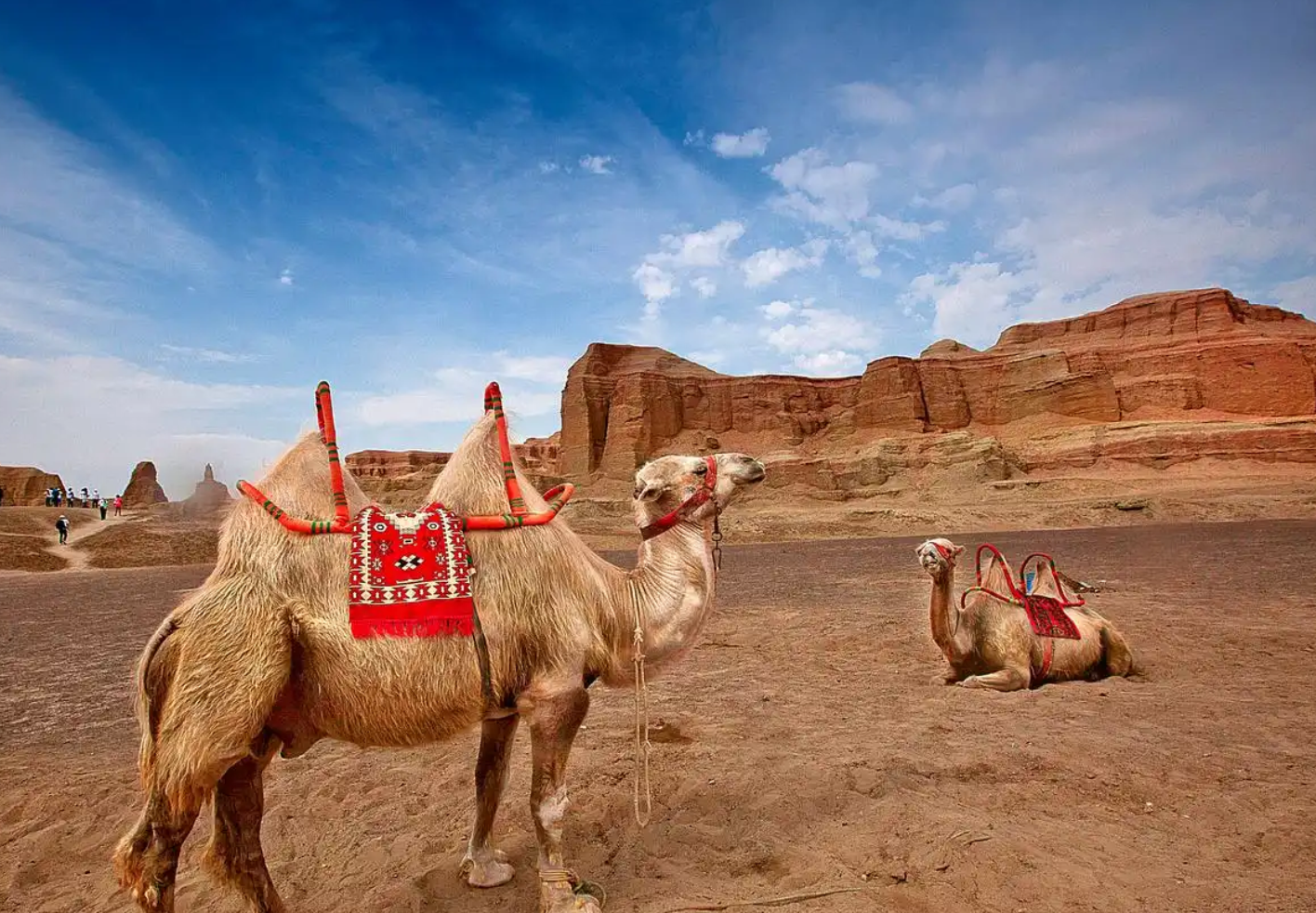
Hotan sits at the far southern end of the Taklamakan, so every route is long. From Kashgar you have three real options. The fastest is the flight: roughly 50 minutes on a small turboprop, and it is the choice I recommend if your time is tight. Most travelers base themselves in Kashgar’s old city first, then hop over. The railway takes six to eight hours but it is comfortable and you watch the desert scroll past the window; the line was extended into a full loop around the Taklamakan in 2022, which is a feat of engineering worth seeing from the carriage. By road, the G3012 expressway runs the 500 km in about six or seven hours with one or two truck-stop breaks for laghman and tea.
If you are coming from Urumqi, fly direct (around two hours) rather than attempting the 1,500 km drive. The city is open to foreign visitors; you do not need a special permit to enter Hotan itself, though heading south toward the Kunlun passes is a different matter and needs paperwork.
Best time to visit Hotan
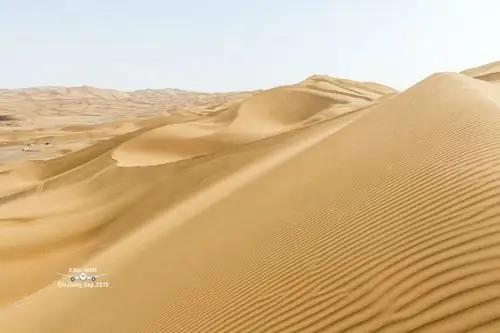
Spring and autumn are the only windows I would plan around. In April and May the apricot trees in the oasis villages are in bloom and the heat has not yet arrived; the night bazaar is at its most comfortable. September and October bring the pomegranate harvest, cooler air, and the clearest light for photography. Summer is genuinely punishing: daytime temperatures sit above 40°C and the basin fills with dust storms that turn noon the colour of weak tea. Winter is cold but quiet, and hotel rates drop, though some workshops close for the holidays.
Where to stay in Hotan
Hotan is not a luxury destination. You will find solid mid-range Chinese hotel chains in the city centre, the kind with a tiled lobby, a buffet breakfast, and rooms from about 250 to 450 yuan a night. Book ahead if you land during National Day week or the Spring Festival travel rush, because the city fills with domestic tourists then. I stayed once near the People’s Square and once closer to the old town; the old-town side wins for atmosphere and the early-morning bread smell, the square side wins for taxi access and reliable heating.
What to eat in Hotan
The food alone is a reason to come. Start with laghman, the hand-pulled noodles tossed with tomato, green pepper, and mutton, eaten at a plastic table while the cook slaps the dough against the counter behind you. Samsa, the baked buns stuffed with onion and lamb, come out of the tandir ovens hot enough to burn your fingers. In autumn, buy a cup of fresh pomegranate juice from a cart and watch the vendor crush the seeds by hand. Hotan’s pomegranates are small, dark, and sour-sweet in a way the supermarket versions never reach. Round it off with naan and a stick of chuanr, and you have eaten like a local for well under 50 yuan. Save room for youtazi, a steamed oil-layered pastry that sounds plain and is not.
Practical tips before you go
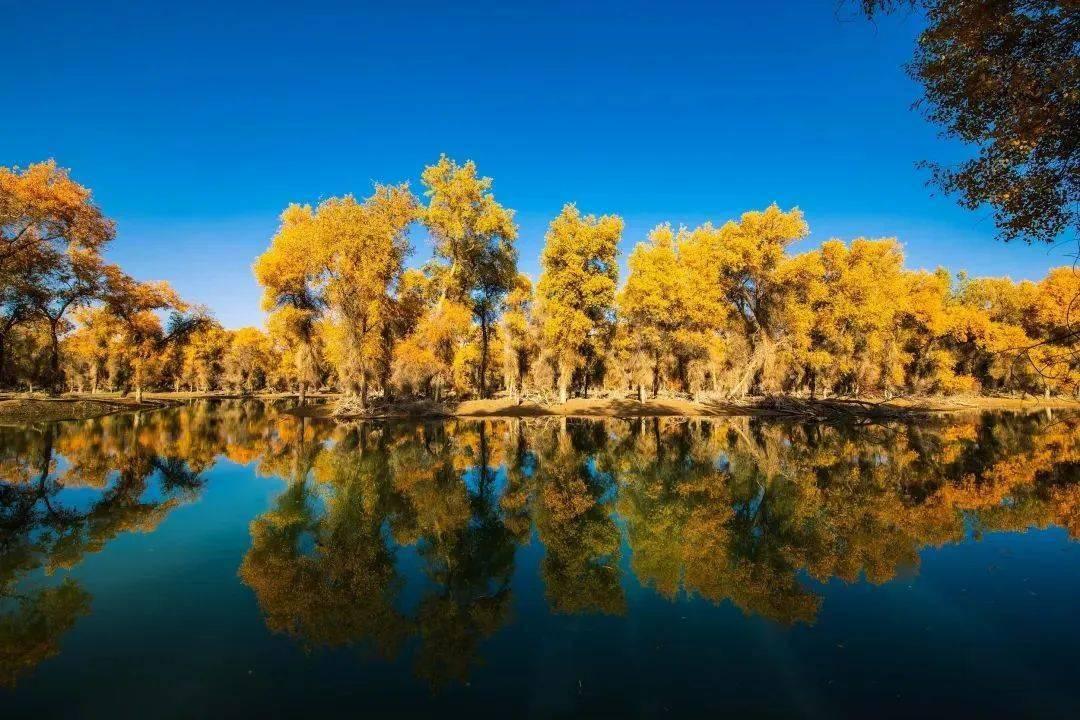
- Bring cash. The jade market and the small old-town workshops often do not take cards or Alipay, and haggling in notes is expected.
- Learn five words of Uyghur. A greeting in the local language opened more doors for me than any map app.
- Protect against dust and sun. Sunglasses, a scarf for your face, lip balm, and a real sunscreen. The desert air strips moisture from your skin in a day.
- Buy jade from established shops, not roadside “I just found this in the river” pitches. Ask for a certificate and walk away from pressure.
- Toilets in the bazaars are basic. Carry your own paper and a small bottle of hand sanitiser.
A 3-day Hotan sample itinerary
Day 1. Fly or train in, drop bags at the hotel, then walk the old town and the jade market before dinner at the night bazaar. Keep it light; the dryness tires you faster than expected.
Day 2. Morning at the Hotan Museum to see the jade and Silk Road pieces, then an Atlas silk workshop where you can watch the tie-dye silk being woven. Afternoon along the Hotan River and the poplar belt, then the carpet cooperative on the city’s east side.
Day 3. Day trip west to Yarkand (Shache) for its faded Silk Road grandeur, or north to the Dawakul Desert for a camel ride and a dune sunset, then back to Hotan to catch your outbound connection.
Frequently asked questions
Is Hotan safe for tourists? Yes. The city is calm and used to visitors. Take the usual big-city precautions with your wallet and your water bottle, and you will be fine.
Can foreigners visit Hotan? The city itself is open. Only the remote southern border areas toward the Kunlun passes require special permits, and those are not part of a normal visit.
How many days do I need? Two full days covers the city and one day trip. Three is comfortable if you want to add Yarkand.
What is Hotan most famous for? Jade above all, then Atlas silk, hand-knotted carpets, and pomegranates.
Hotan or Kashgar? They are different trips. Kashgar has the famous old city and the mountain road to the Pamirs; Hotan has jade, silk, and a deeper desert feel. If you have time for only one, read my Hotan vs Kashgar comparison and decide by interest, not by distance.
Disclaimer
This guide reflects my personal travel experience and was written in July 2026. Prices, train and flight schedules, opening hours, and permit rules change, sometimes with little notice. Always confirm transport times and any entry requirements with official sources before you travel, and judge any jade purchase with professional advice. I am not a gemologist and nothing here is buying advice.
About the author
Karl Huang is a travel writer focused on Xinjiang and the Silk Road. He has spent several seasons on the southern Tarim routes, from Kashgar to Hotan and out to the desert’s edge, and writes practical, first-hand guides for independent travelers. His other Xinjiang pieces cover Kashgar, the Pamirs, and the region’s food and markets.