Published: September 14, 2026 | Author: Xinjiang Attractions Editorial Team
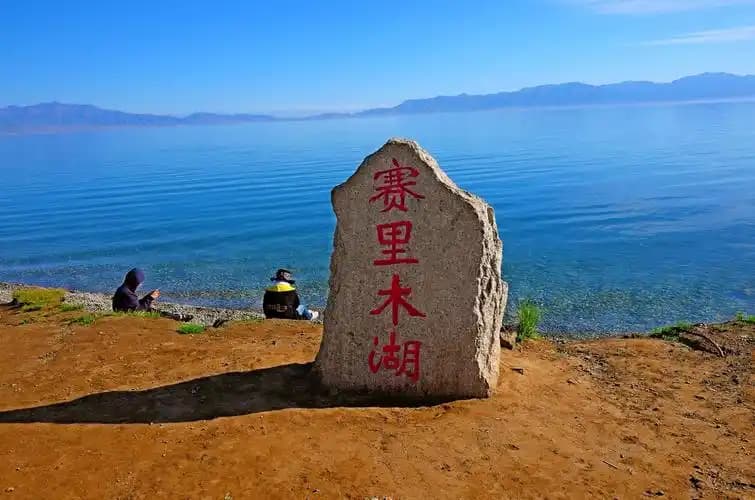
Most travelers reach Karakol Lake Xinjiang the same way we did the first time: as a long day out of Kashgar. The lake sits about 196 km southwest of the city on the Karakoram Highway, a high, thin-air world of snow peaks and Kyrgyz yurts. We have now driven this road three times across different seasons, and the thing nobody tells you is that Karakol works best as a quick stop rather than a big production. This guide is built around that single idea — how to see the lake, the Muztagh Ata reflection, and the plateau culture in one daylight window without burning your whole trip.
Karakol Lake Day Trip: The Essentials
| Detail | What to expect |
|---|---|
| Location | ~196 km southwest of Kashgar, Akto County, Kizilsu Kyrgyz Prefecture |
| Altitude | About 3,600 m — higher than most people expect |
| Drive time (one way) | 3.5–4.5 hours by private car |
| Best window | May to early October; July–August is warmest but busiest |
| Gate fee | Around ¥40–50 per person at the north-shore checkpoint |
| Why go | Muztagh Ata (7,546 m) reflected in still water, Kyrgyz yurts, zero city noise |
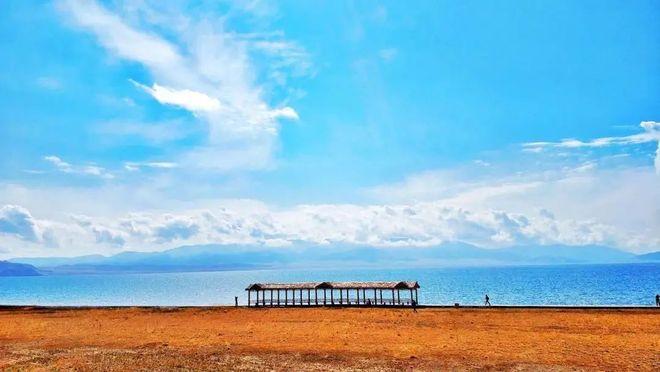
Karakol is also spelled Karakul — both come from the Kyrgyz word for “black lake,” a name you understand the moment cloud cover flattens the water into slate. The lake is the highest of the Pamir’s big lakes and sits right where the Pamir, Tian Shan, and Kunlun ranges shoulder each other.
Why a Day Trip Beats an Overnight (for Most People)
We stayed the night once, in a yurt with a Kyrgyz family, and we are glad we did it — but we would not repeat it on a first visit. The reason is simple: at 3,600 m, sleep is shallow, the cold comes fast after dark, and the guesthouses are basic. A day trip lets you catch the best light (early morning and late afternoon), eat a proper dinner back in Kashgar Old City, and sleep low. If you are already heading to Tashkurgan or the Khunjerab Pass, then an overnight at the lake makes sense as a break in the drive. For everyone else, dawn-to-dusk out of Kashgar is the smarter play.
The other advantage of the day format is control. You set the departure, you decide when the wind gets unpleasant, and you are not stuck if the weather turns. On our March trip the lake was half-frozen and the road had patches of ice; a day-tripper simply turned back. An overnighter would have lost a paid yurt night.
Leaving Kashgar: The Drive on the Karakoram Highway
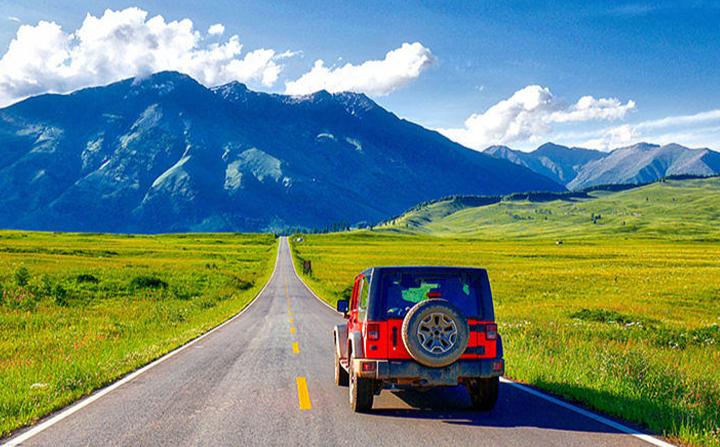
The route is the Karakoram Highway (the G314), and it is the point of the trip as much as the lake. The first hour is flat desert and irrigation canals, then the road starts to climb and the geology changes every twenty minutes. You pass the white-stone shore of Baisha Lake, the dunes at Bulunkou, and finally crest the Subash Pass at about 4,010 m, where the whole Pamir opens up.
By car, plan 3.5 to 4.5 hours each way with stops; the checkpoints and photo breaks eat time. A private car or driver from Kashgar runs roughly ¥800–1,200 round trip, which for two or three people is not much more than the shared options and far more flexible. Shared vans leave Kashgar’s long-distance station for around ¥150–200 per person but run on their own clock and often deliver you to the lake with less than two hours to spare. We have done both; the private car is worth it if your hours are limited.
How Many Hours You Actually Get at the Lake
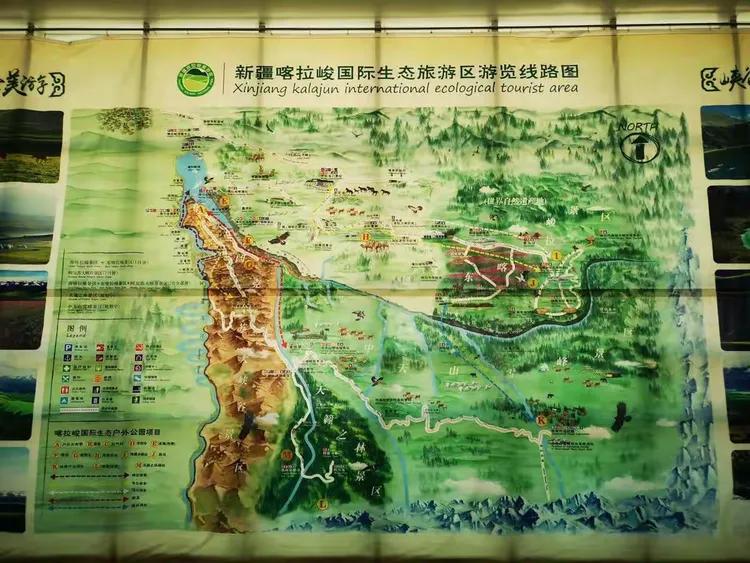
This is the part most itineraries get wrong. A “day trip” from Kashgar is really 8–9 hours of driving and 2–4 hours at the water. Budget accordingly. The shoreline trail is mostly flat and takes 2–3 hours at a slow walk; the north shore gives the classic Muztagh Ata mirror. Get there before 10 a.m. for calm water, or stay toward late afternoon when the light turns the peaks gold.
Season changes everything. In the best months to visit Xinjiang, May and September give you crisp air and thin crowds; June through August is warmest (daytime 12–20°C at the lake) but packed with domestic tour groups. Winter is not a day-trip proposition — passes ice over and guesthouses close.
Where to Sleep If You Push Past Sunset
If you do stay, you have two choices. The first is a Kyrgyz yurt on the shore: basic, wood-stove warmed, around ¥100–150 per person with dinner and a bed. The second is the simple stone-house guesthouse on the western shore. Neither has reliable heating beyond the stove, and neither takes cards — bring cash. We have slept in both; the yurt wins on atmosphere, the guesthouse wins on a real roof when the wind rises.
Either way, altitude is the real constraint. Spend a night in Kashgar (1,280 m) before climbing to 3,600 m, drink water on the drive, and do not plan a hard hike the same day you arrive.
Food on the Plateau: What’s Realistically on Offer
Do not expect a restaurant strip. At the lake you eat what the yurt families cook — laghman noodles, flatbread, boiled sheep, and milk tea — usually ¥30–60 per person if you arrange it on arrival. In Kashgar you can load up on naan, fruit, and water before you leave; we always pack a day’s food because the only “shop” at the lake is a roadside stand with instant noodles and warm soda. The Kyrgyz hospitality is genuine, and a bowl of salty milk tea handed over a woven rug is the most honest meal on the whole plateau.
If you want the fuller picture of mountain life, our write-up on Kyrgyz culture on the Pamir Plateau covers the herding year, the felt crafts, and the eagle traditions you might catch at the lake in season.
Permits, Checkpoints, and the Altitude
The road runs close to the Pakistan border, so checkpoints are routine and your passport is mandatory — carry it, do not leave it at the hotel. Foreign travelers should expect to show documents two or three times between Kashgar and the lake. There is no special permit for the lake itself beyond what the border-zone checks already cover, but rules shift, so confirm with your Kashgar hotel or a local agency the morning you leave.
Altitude sickness is the more common problem than paperwork. The Subash Pass hits 4,010 m; the lake itself is 3,600 m. Walk slowly, skip the alcohol, and turn back if you get a pounding headache or cannot sleep. We have seen fit travelers flattened by the thin air simply because they ran the shore trail too hard on arrival.
Half-Day vs Full-Day: Two Plans From Kashgar
Tight half-day style (if you must): Leave Kashgar at 7 a.m., photo stops only at Baisha Lake and the Subash Pass viewpoint, 90 minutes at Karakol, back by early evening. You see the lake but miss the slow part.
Full-day we recommend: Leave at 8 a.m., stop at Baisha and Bulunkou, arrive late morning, walk the north shore for two hours, eat with a yurt family, then drive back with a stop at Oytag or the red canyon if light allows. This is the version that actually feels like a trip rather than an errand.
Questions We Get About the Day Trip
Is Karakol Lake worth the long drive?
For a first Xinjiang trip, yes if you like mountains and quiet. If your time is under four days total, prioritize Kashgar itself and save the Pamir for next time. The lake is spectacular but it is a full day spent mostly in a car.
Can I do it by public bus?
The Kashgar–Tashkurgan bus passes the lake but on its own schedule and with limited stop time, so it works only if you are continuing south anyway. For a round-trip day stop, a private car or shared van is the practical choice.
What should I pack that people forget?
Sunscreen and sunglasses (UV is fierce at altitude), a wind layer even in summer, cash in small bills, and a power bank because phone coverage is patchy past Bulunkou.
Is it safe?
We have driven it three times without incident. The checks are bureaucratic, not threatening. Common sense — full tank, water, tell your hotel your plan — covers the real risks, which are altitude and weather, not security.
Planning Note and Disclaimer: This guide reflects our team’s own drives to Karakol Lake between 2023 and 2026. Gate fees, van prices, and checkpoint rules change, and some details shift with the season or with border policy. Verify the current fee and any permit requirement with your Kashgar hotel or a licensed agency before you set off, and do not treat this article as a substitute for official advice.