Published: August 22, 2026 | Author: Karl Huang
Most visitors who plan a trip to Xinjiang stop at the famous names first: Kashgar, Turpan, the lakes up in Kanas. Nilka almost never makes that opening list, and that is exactly the reason we keep returning. Set into the Kash River valley of the Ili region, this county turns out some of the best black bee honey in China and hides one of the quietest grassland drives we have found anywhere in the northwest. If you want Xinjiang without the tour-bus crowds, Nilka is worth the detour.
Why You Can Trust This Guide
We have driven the Kash River corridor three times between 2021 and 2025, twice in a rented 4×4 and once with a Kazakh driver who grew up in Nilka town. The distances, road numbers, and honey details below come from those trips and from talking with local beekeepers and the county tourism office. We do not sell tours and we do not run a guesthouse here. Our only aim is to hand you information that matches what you will actually find on the ground, not a brochure.
| Item | Detail |
|---|---|
| Where | Nilka County, Ili Kazakh Autonomous Prefecture, northwest Xinjiang |
| Famous for | Xinjiang black bee honey; the Tangbula grassland gallery |
| Nearest hub | Yining city, about 150 km / 2.5 to 3 hours by road |
| Best months | June to August for wildflowers and green pasture |
| Key road | Provincial S315, known locally as the “Hundred-Li Gallery” |
| Typical stay | 1 to 2 nights (yurt camp or town hotel) |
| Altitude | 800 to 1,500 m in the valley; peaks above 3,000 m |
What We Found in Nilka’s Bee Valley
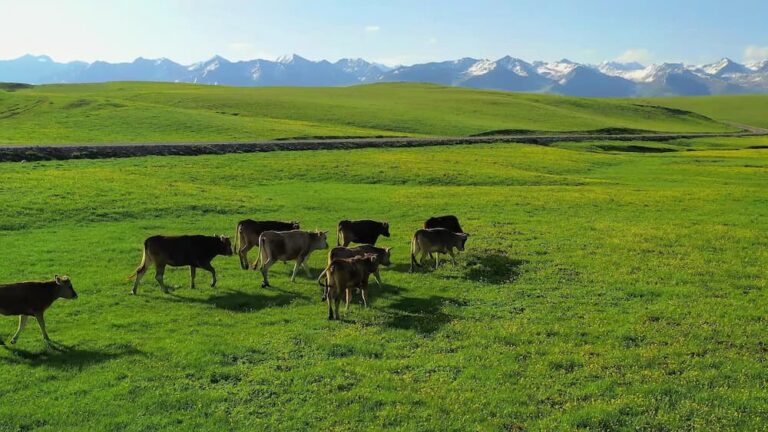
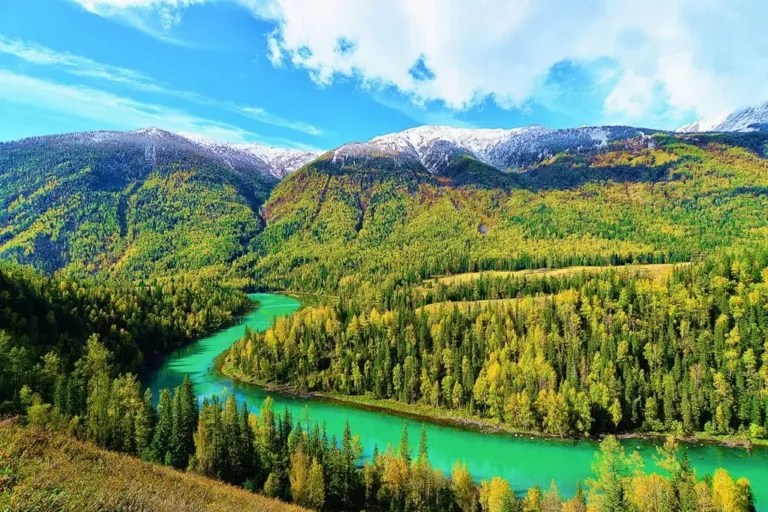
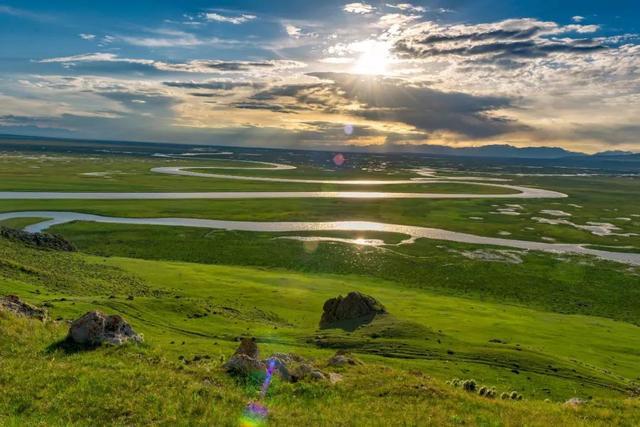
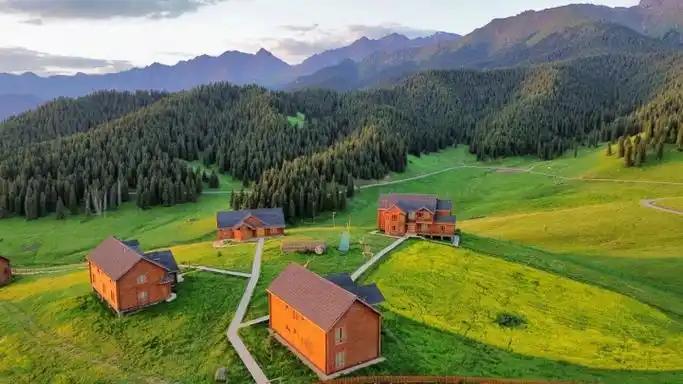
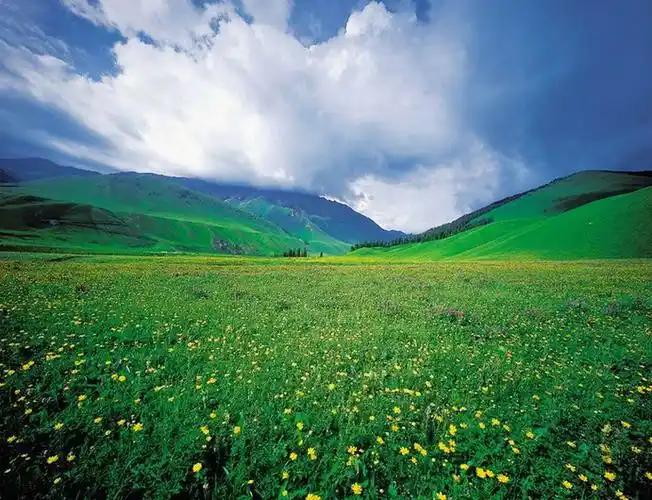
The first time we rolled into Nilka it was a Tuesday in early July, and the air smelled of cut hay and something sweeter underneath. We had come off the G218 from Yining and were pointed east along the Kash River toward Tangbula. Within a few kilometers the farmland gave way to a braid of meadows, poplar belts, and a river so clear it looked painted. This is the Tangbula grassland, and the road that follows it, the S315, is the part people mean when they talk about the “Hundred-Li Gallery.”
We stopped at a roadside bee yard where an older man in a sun-faded cap waved us over. He lifted a frame from a stacked hive and showed us the comb still warm from the morning. “Black bees,” he said, grinning, “they work the wildflowers, not the crops.” We bought two jars of raw honey for less than we would pay in any city shop, and he threw in a piece of comb for free. That single stop tells you more about Nilka than any map.
Later that afternoon we followed a side track to the Frog Spring (Wa Quan), a cold limestone spring the locals say never freezes. Around it, families from Yining had parked their cars and spread cloths for picnics. Nobody was hurrying. That is the rhythm of Nilka: slow, agricultural, and quietly beautiful in a way that does not photograph as dramatically as a snow peak but stays with you longer.
How to Get to Nilka
The practical gateway is Yining, the main city of the Ili Valley and the place most travelers fly or train into. From Yining it is roughly 150 km east to Nilka town, a straight run on the G218 that takes about two and a half to three hours with a fuel and tea stop. Buses leave Yining’s long-distance station several times a day; a private car or hired driver gives you far more freedom once you reach the Tangbula side roads.
If you are coming from Urumqi, you can take the train to Yining on the Jinghe-Yining-Khorgos line and continue by road, or drive west and cut south through the northern end of the Duku Highway region before heading into the valley. Either way, plan Nilka as a loop with Yining rather than a one-way stop, because public transport inside the county is thin once you leave the town.
Best Time to Visit Nilka
June through August is the window we recommend. The meadows turn deep green, the wildflowers along S315 open in waves, and the weather stays mild enough that you sleep under a blanket even in July. By mid-August the Ili Valley’s flower season is winding down elsewhere, but Nilka’s higher meadows still hold color, and the honey harvest is in full swing, so fresh comb is easy to find.
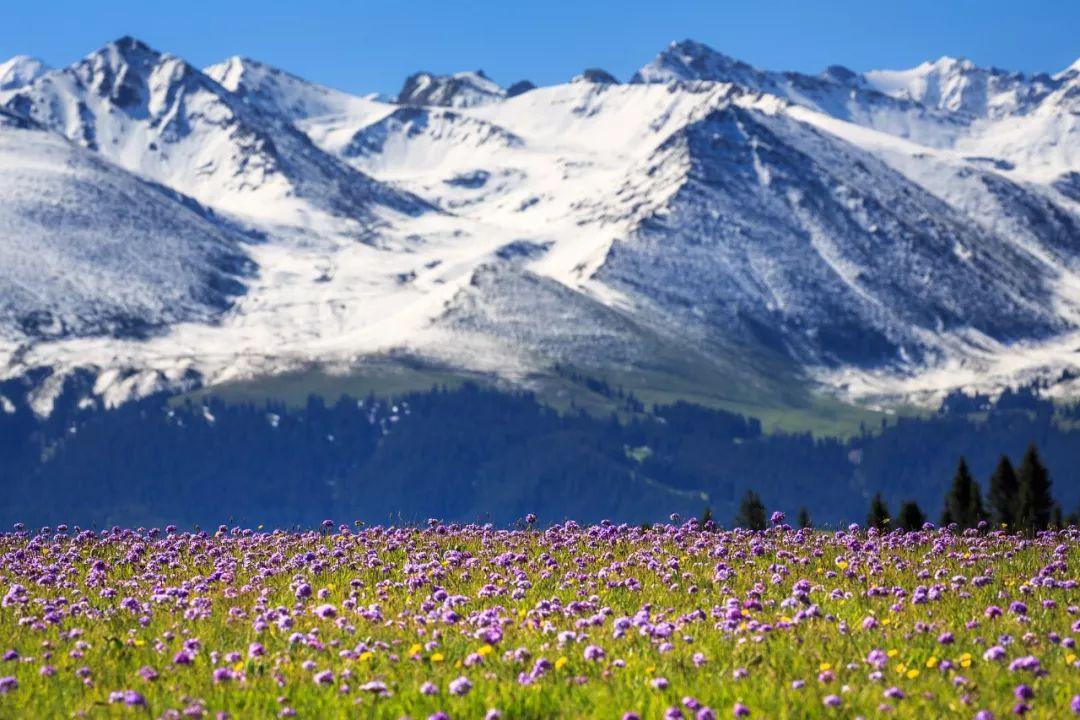
We would skip November through March. Snow closes the smaller passes, several yurt camps shut, and the valley turns into a cold, empty place with little to do except drive carefully. If you specifically want snow and ice scenery, save it for a dedicated winter trip with proper tires.
Where to Stay in Nilka
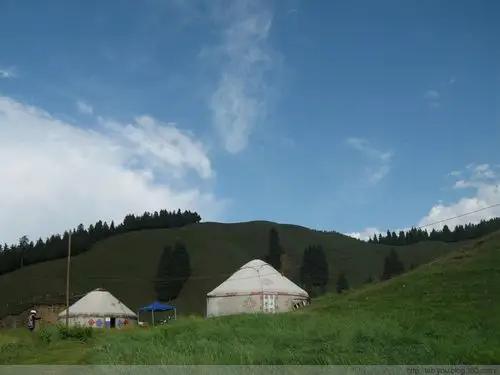
Nilka town has a handful of small hotels and guesthouses that are clean and cheap, usually under 200 yuan a night, but do not expect international chains or English signage. The more memorable option is a yurt (zhangfang) camp inside the Tangbula gallery. We spent one night in a herder’s yurt for about 150 yuan per person including dinner, and woke to sheep bells and river mist. Book ahead in July, because the better-run camps fill with domestic holidaymakers.
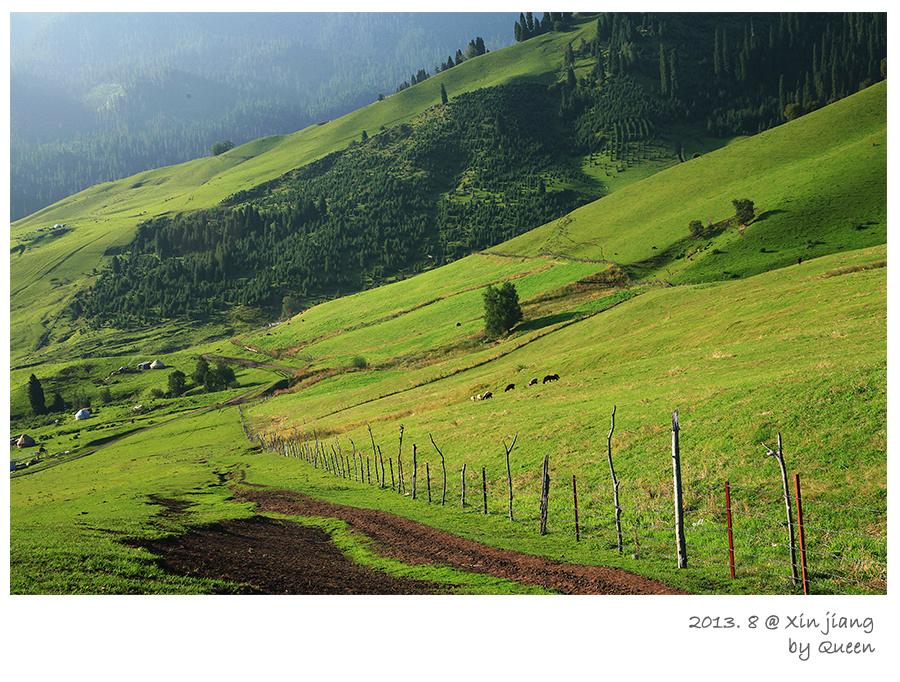
Choosing between Nilka’s pasture and the famous Nalati and Bayanbulak grasslands comes down to mood: Nalati is developed and busy, Bayanbulak is vast and remote, and Nilka’s Tangbula is the low-key middle, best for people who like to wander without a ticket gate every few kilometers.
Food and Honey You Should Not Miss
Eat like the valley eats. Breakfast is naan torn into a bowl of milk tea, sometimes with a spoon of black bee honey melted on top. At lunch you will find laghman noodles, grilled lamb skewers, and the occasional plate of horse meat sausage. Kurt, the dried sour curds Kazakh families make in summer, is an acquired taste we grew to like on the third try.
The honey is the headline. Look for “Xinjiang black bee” (Xinjiang hei feng) raw honey sold in glass jars, not the uniform plastic bottles at highway rest stops. The real stuff is thick, faintly floral, and slightly tangy. We also picked up a jar of Xinyuan-area apricot honey on the drive back, which the beekeeper insisted pairs better with yogurt than the wildflower version. He may have been right.
Practical Tips for Visitors
- Altitude is mild in the valley, so altitude sickness is rarely a problem, but the UV is strong. Bring sunscreen and a hat even on cool days.
- Carry some cash. Roadside beekeepers and small yurt camps often have no card reader or working mobile payment.
- Get a Chinese SIM or eSIM before leaving the city; signal thins out along S315.
- Ask before photographing herders or their livestock. A smile and a hello in Uyghur or Kazakh goes a long way.
- Pack out your trash. The gallery has almost no bins, and the locals are proud of how clean it stays.
A Simple 2-Day Nilka Itinerary
Day 1: Leave Yining after breakfast, drive the G218 east to Nilka town for a quick lunch, then follow the Kash River east on S315 into the Tangbula gallery. Stop at the Frog Spring, walk a meadow, and check into a yurt camp before dinner.
Day 2: Wake early for river-light photos, visit a bee yard to buy honey, then either loop back to Yining or continue south through the Gongnais forest road toward Nalati if your route allows. Two relaxed days covers the essentials without rushing the valley.
Frequently Asked Questions
Is Nilka worth it if I only have a week in Xinjiang?
If your week is already packed with Kashgar and the lakes, probably not. But if you have any flexibility in the Ili side, Nilka is an easy half-loop from Yining and a genuine change of pace from the headline sights.
Can I see Tangbula without a car?
It is possible by local bus to Nilka town and then a hired van for the gallery, but a car gives you the freedom to stop wherever the light is good. We do not recommend hitching; waits can be long.
When is the honey harvested, and can I buy it fresh?
The main harvest runs from late July into September. Visit in August and you can often buy comb straight from the hive, which is as fresh as honey gets.
Is Nilka safe, and will the altitude bother me?
The valley is safe and populated, and the altitude is low enough that most people feel fine. The only real risk is sun and the occasional rough side road after rain.
How is Nilka’s grassland different from Nalati?
Nalati is a ticketed, well-built scenic area with shuttle buses. Tangbula in Nilka is a free-flowing road corridor with yurts and almost no infrastructure, which is precisely its appeal.
Disclaimer
This guide is based on our own visits and informal conversations; it is not an official source, and prices, road conditions, and opening times change. Always confirm current details with the Nilka County locality or the Ili tourism office before you travel, and check weather and road status the day you go. We do not receive payment from any hotel, beekeeper, or camp mentioned here.
About the author — Karl Huang
Karl has spent eight seasons driving Xinjiang’s back roads, from the Pamir Highway to the Ili Valley. He writes the Xinjiang Attractions travel guides with a focus on places that reward slow travel, and he has yet to meet a jar of black bee honey he did not like.