Published: 20 August 2026 | Author: Karl Huang
Most visitors plan their Ili Valley trip around the summer grasslands, yet the Xinjiang wild tulips that surface in April may be the region’s most underrated sight. We missed them on our first attempt, arriving in late March to bare hills, then returned the next spring and finally stood on a slope dotted with small red and yellow cups. This guide pulls together what we learned about catching that narrow window, how to reach the patches, and where to point a camera. Everything below comes from two separate April trips and from herders and hotel owners we questioned along the way, not from a brochure.
Xinjiang Wild Tulips at a Glance
| Item | What to know |
|---|---|
| Best window | Late March to mid-April, lower valleys open first |
| Main area | Ili Valley floor and western Tianshan foothills |
| Nearest city | Yining (Ili), with airport and rail links |
| Permits | None for valley travel; border zones need separate permits |
| Effort | Easy walks, no climbing required |
| Combine with | Sayram Lake, Narat, apricot blossom valleys |
The April we finally got it right
Our first trip was a lesson in impatience. We drove out of Yining on 28 March expecting colour and found grey pasture still crusted with frost. A herder we stopped near the Gongliu grasslands laughed and said we were three weeks early. He was right, and he waved us toward his yurt for a bowl of milky tea while he explained, in a mix of Uyghur and gestures, that the flowers follow the snow line down the hill as it melts.
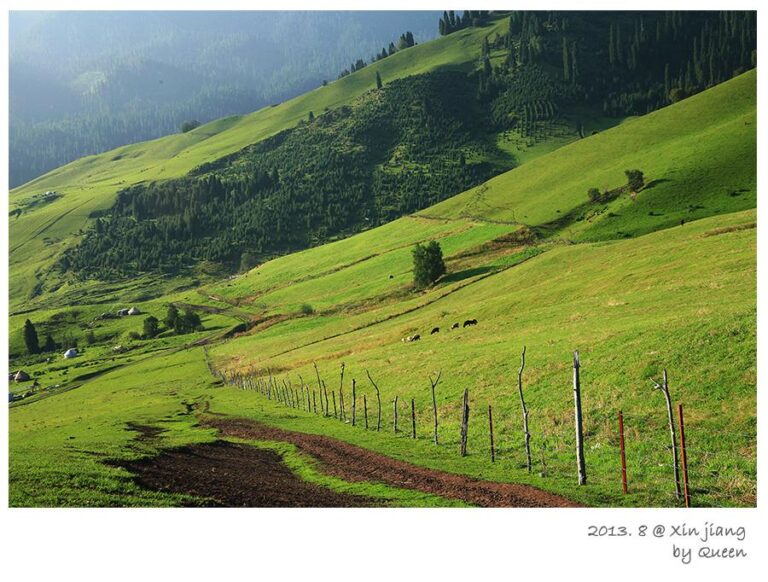
We came back twelve months later and gave it until the second week of April. This time, about twenty kilometres east of Yining on a south-facing slope, the ground was scattered with tulips no taller than our ankles – deep maroon outside, yellow inside, closing each evening as the wind dropped. There was no fence, no ticket office, no sign. Just a few sheep and a lot of patience needed to spot them against the dry grass.
What stayed with me was how easy it is to walk straight past them. The cups only open fully in midday sun, and on the cold, overcast morning we arrived most were shut tight, looking like nothing. We made the mistake of showing up at eight o’clock, shivering, and saw almost nothing. By noon the hillside had changed completely, the western Tianshan behind it white with late snow, the wind rattling the dry stems.
Getting to the Ili Valley
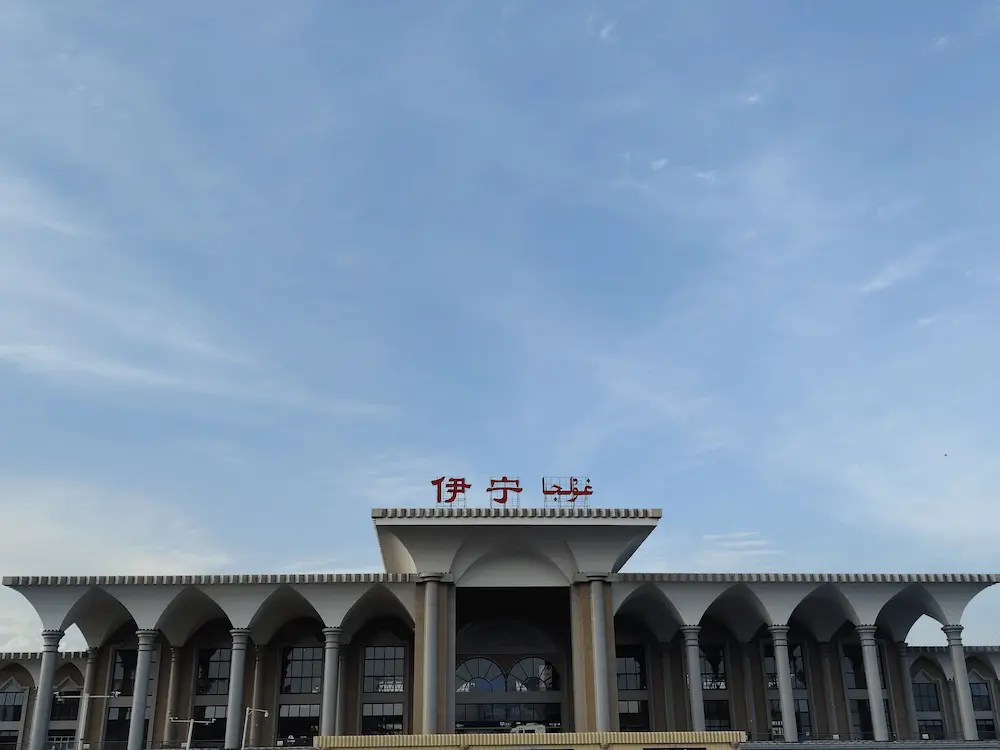
Yining Airport receives flights from Urumqi (about an hour) and, in season, from a few larger hubs; the train from Urumqi takes most of a day but costs far less and runs through remarkable scenery near the end as it climbs toward the valley. From Yining itself you will want wheels: the tulip patches sit on open grassland well outside town, and public transport does not reach them.
If you are comfortable behind the wheel, our renting-a-car guide for Xinjiang walks through the licence, insurance, and offline-map steps that matter out here. Hiring a driver for a day from Yining is the lower-stress alternative and costs less than many expect for a small group. One practical note for April: the high mountain roads such as the Duku Highway are still closed this early, but the valley-floor roads are open, and a few higher passes can still be icy in the morning, so start late and drive gently.
When the tulips actually open
The honest answer is that it depends on the snow. In a warm spring the first cups appear in late March on the lowest, most south-facing ground; after a cold winter you may wait until mid-April. Elevation does most of the work – the valley floor blooms first, and any patch above 1,500 metres follows weeks later.
The Ili Valley is unusual for Xinjiang. It sits at the far west of the region, open to moist air that travels inland from the distant oceans, and that humidity is why the valley stays green and why wild tulips and fruit forests thrive here while the deserts an hour south are bone dry. It also means the bloom window slides with the weather more than in arid areas, so treat any fixed date as a guess.
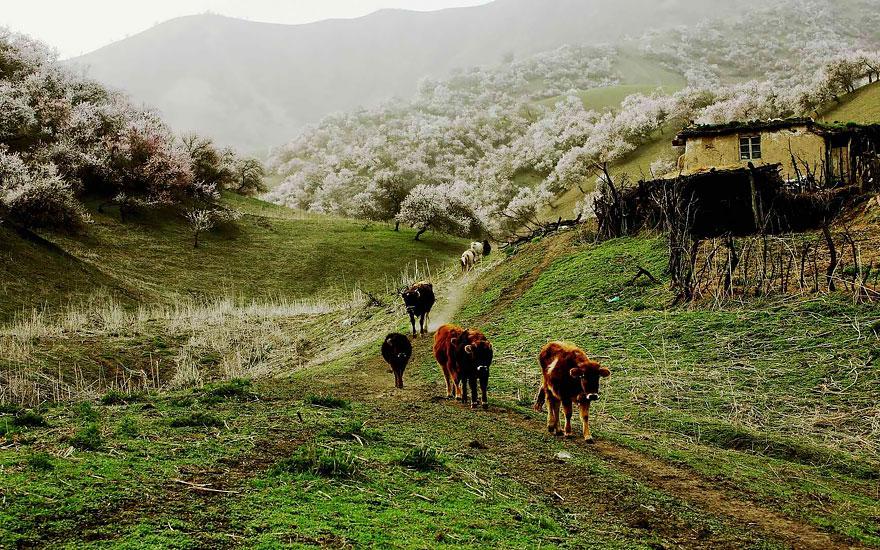
Do not plan a trip around one fixed date. Build in a ten-day cushion, watch the local forecast, and treat the bloom as something you chase rather than something that waits. If you are already coming for the Xinyuan grasslands or the apricot blossom valleys, the wild tulips sometimes overlap with the early apricot show, which is a lucky bonus.
Where to base yourself
Yining is the obvious base: decent hotels, a real food scene, and a two-hour radius that covers most of the good tulip country. We stayed in town and made a different loop each morning, which kept us flexible as the weather shifted. The areas near the main square and the river are walkable and close to the night market; the newer hotel blocks out by the airport are quieter but need a taxi for everything.
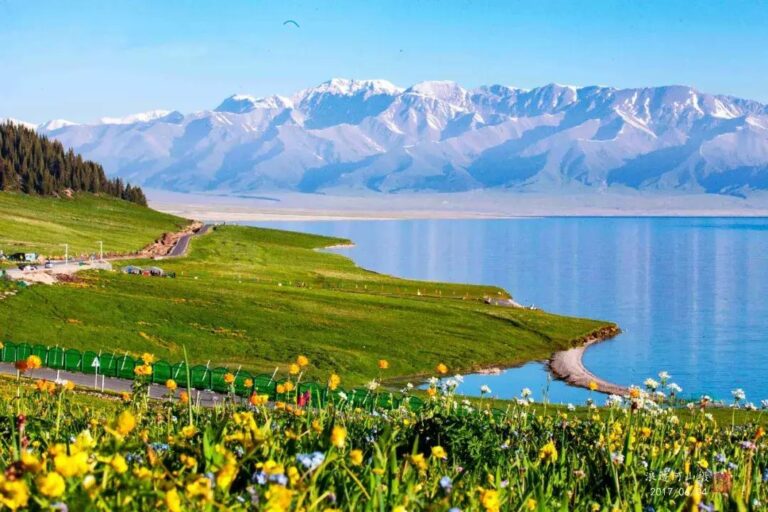
If you want quieter surroundings, the smaller county towns such as Gongliu put you closer to the southern valley grasslands, though hotel quality drops off quickly once you leave Yining. For a longer stay, pairing the tulip hunt with a few nights near Sayram Lake works well, since the lake’s own spring thaw and returning birds extend the season.
What to eat in Yining
Ili food leans dairy-heavy and sweet compared with the rest of Xinjiang, and April is a good time for it. We ate our weight in warm naan pulled fresh from the tandoor, bowls of laghman, and the local honey the valley is known for, drizzled over thick kaymak-style cream at breakfast. The night market off the main square runs year-round and is where we had the best grilled kebabs of either trip, plus piles of roasted nuts and the dried apricots that the region ships across China.
Pack a little patience for menus in Chinese or Uyghur only – pointing and smiling got us further than any translation app. Vegetarians will find the dairy and bread easy, but most meat dishes arrive mixed, so state the requirement clearly if it matters to you.
Practical tips before you go
Bring layers even if the forecast looks mild. We started one morning near freezing and ended the afternoon in shirtsleeves, and the wind on an open hillside cuts straight through a light jacket. A telephoto or a close-up setting on your phone is more useful than a wide lens – the flowers are small, and a landscape shot from fifty metres simply will not show them. The sun at this altitude is stronger than it feels, so a hat and sunscreen earned their place in the bag.
Stay on existing tracks. The grasslands recover slowly, and the patches we loved most were exactly the ones other visitors had left alone. Drones are restricted across much of Xinjiang without registration, so check the rules before you pack one. For payments, Alipay and WeChat Pay cover most shops in Yining but cash still helps at roadside stalls, and a local SIM makes the offline maps and translation far smoother.
A four-day Ili spring loop
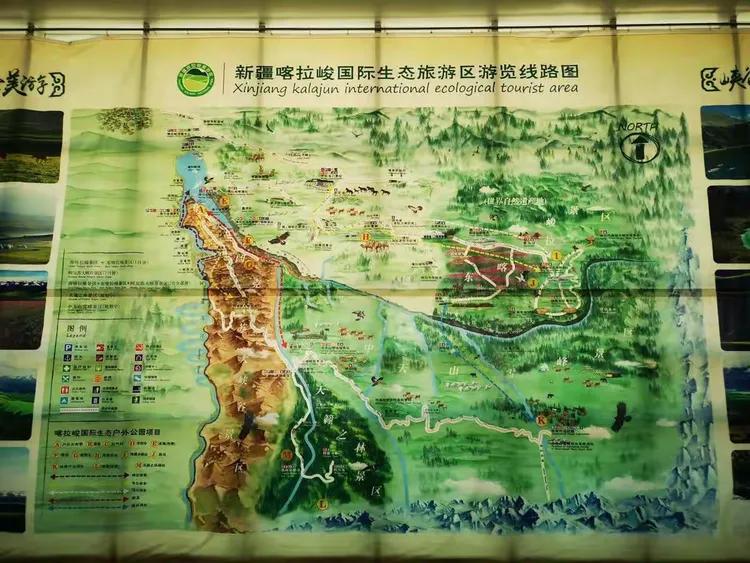
This is the route we would repeat. Day one: fly or train into Yining, settle in, and scout the southern outskirts for early bloom while you shake off the travel. Day two: drive the lower Gongliu and Gongliu grasslands, picnic where you find colour, and return to Yining before dark. Day three: head north to Sayram Lake for the thaw and birdlife, staying overnight if the weather holds. Day four: if the timing lines up, add the Tuergen apricot blossom valleys on the way out – a different flower, but the same spring logic – then roll back to Yining for the night market.
Frequently asked questions
Are the tulips easy to find on my own?
Not always. There is no marked site. Ask at your hotel in Yining, watch local posts in March and April, and be ready to explore side roads. Hiring a Yining-based driver who has gone looking before saves hours.
Do I need a permit?
No permit for the Ili Valley floor and its grasslands. Only the border zones near Khorgos and the international crossings require separate paperwork, and those are well away from the tulip areas.
Can I see them and the apricot blossoms together?
Sometimes. In warmer years the wild tulips and the early apricot show in the Tuergen area overlap in early to mid-April. In colder years they fall a week or two apart, so do not bank on both.
Is April a good time to visit Ili generally?
For wildflowers and small crowds, yes. For hiking the high pastures or the Duku Highway, no – those open later. Think of April as the gentle, green, pre-season month.
What should I pack for an April trip?
Layers, a windproof jacket, a hat, sunscreen, sturdy shoes for damp grass, and a power bank. A small tripod helps for low-light flower close-ups, and a refillable bottle saves buying plastic on the road.
Is it crowded in April?
Not really. The summer coaches have not arrived, so you will often have a hillside to yourself. The one exception is the well-known apricot valleys on a warm weekend, which can draw local picnickers.
Disclaimer
Bloom timing described here is based on our two spring visits and on local advice; it shifts every year with snow and temperature and is not guaranteed. Always confirm current road, weather, and permit conditions with official sources such as the Xinjiang tourism authority and the China Meteorological Administration before you travel. This article is independent and contains no sponsored content.
About the author
Karl Huang is a travel writer who has spent several seasons documenting Xinjiang for foreign visitors. He prefers slow, first-hand reporting over borrowed descriptions and has driven most of the routes mentioned above himself. Questions and corrections are welcome.