Published: July 26, 2026 | Author: Elena Marsh, Central Asia grassland & horse-culture writer
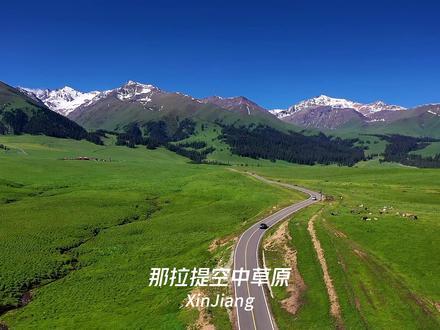
The first time someone told me Xinyuan was “the heart of Ili,” I assumed it was tourism-board talk. Then I spent a June there, watching the Kunes River braid across a valley floor while herders moved sheep up toward the high meadows, and I understood. This Xinyuan travel guide is my attempt to give the county its due: it holds Nalati Grassland, one of the four great grasslands of China, plus apricot valleys that turn pink for barely two weeks a year. I have been back three times since 2019, in spring and in high summer, and I still find corners I missed.
Xinyuan County (Künes) sits in the eastern arm of the Ili Kazakh Autonomous Prefecture, wedged between the Tian Shan ridges. It is farming country, horse country, and increasingly a base for travelers who want alpine meadow scenery without the crowds you get at more famous stops.
Why Xinyuan is worth the detour
Most people who reach Xinyuan come for Nalati, and fair enough. But the reason I keep returning is the layering: you can ride a horse across a “sky grassland” in the morning, drop back down into the valley for a lunch of hand-pulled noodles, and still make it to a Kazakh family’s yurt for tea by dusk. It is one of the few places in Xinjiang where the postcard scenery and everyday nomadic life sit right next to each other.
Quick reference: Xinyuan at a glance
| Detail | What to know |
|---|---|
| Location | Ili Kazakh Autonomous Prefecture, eastern Ili valley |
| Star attraction | Nalati Grassland (alpine meadow, ~1,800–2,200 m) |
| Getting there | Nalati Airport (NLT) from Urumqi; or drive ~4.5 hrs from Yining |
| Best grassland season | Mid-June to early September |
| Apricot bloom | Late March to early April (roughly two weeks) |
| Typical stay | 2–3 nights |
| Language | Mandarin and Kazakh; little English |
| Rough daily budget | ¥400–700 per person, mid-range |
What it was actually like
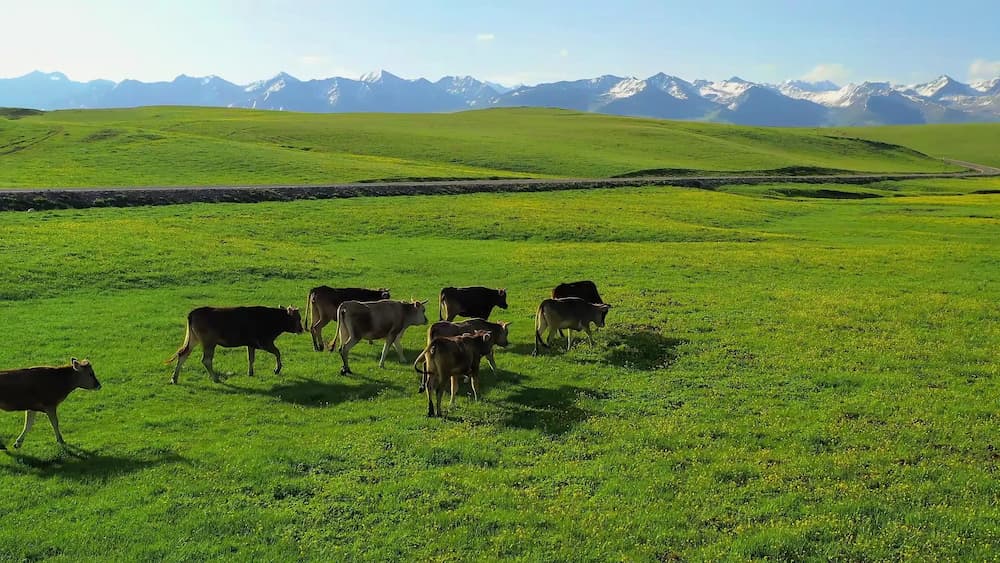
My clearest memory is of the Nalati “sky grassland,” the upper terrace you reach by park shuttle. When we visited in late June, the lower meadows had already gone a tired yellow-green, but up top the wildflowers were still going strong, and the temperature dropped enough that I was glad I had packed a fleece in what was otherwise a hot week. A young Kazakh guide named Aset rented us horses for an hour. I am not a confident rider, and he simply walked alongside for the nervous first ten minutes without making a thing of it. That small courtesy is the sort of detail no brochure captures.
A word of honesty: Nalati is a managed scenic area now, with ticket gates and shuttle buses, so do not expect untouched wilderness at the main entrance. The trick I learned is to go early, take the first shuttle up, and walk away from the boardwalk clusters. Within twenty minutes of the drop-off you can usually find quiet slopes where the only sound is wind and the occasional horse.
Getting to Xinyuan
There are two sensible routes. The fast one is flying: Nalati Airport receives daily flights from Urumqi in season, and it puts you within about an hour’s drive of the grassland gate. Book early, because seats sell out fast around the June opening festival. The scenic one is driving from Yining, the Ili prefecture capital, roughly four and a half hours east along the valley, passing orchards, cornfields, and small Kazakh and Uyghur towns.
If you are stitching together a bigger loop, Xinyuan pairs naturally with the grasslands just west of it. I would point you to my notes on Gongliu and the wider Xinyuan grasslands and the quieter Tangbula Grassland, both an easy add-on. From the Nalati side, an adventurous crossing runs south toward Bayanbulak; see my write-up on Hejing as the gateway to Bayanbulak if you want to keep heading into the mountains.
When to go
Timing makes or breaks a Xinyuan trip. For the classic green-meadow scene, aim for mid-June through early September; late June is my personal favorite, when the flowers peak and the herds are up high. July and August bring more domestic visitors and higher room prices, so book ahead.
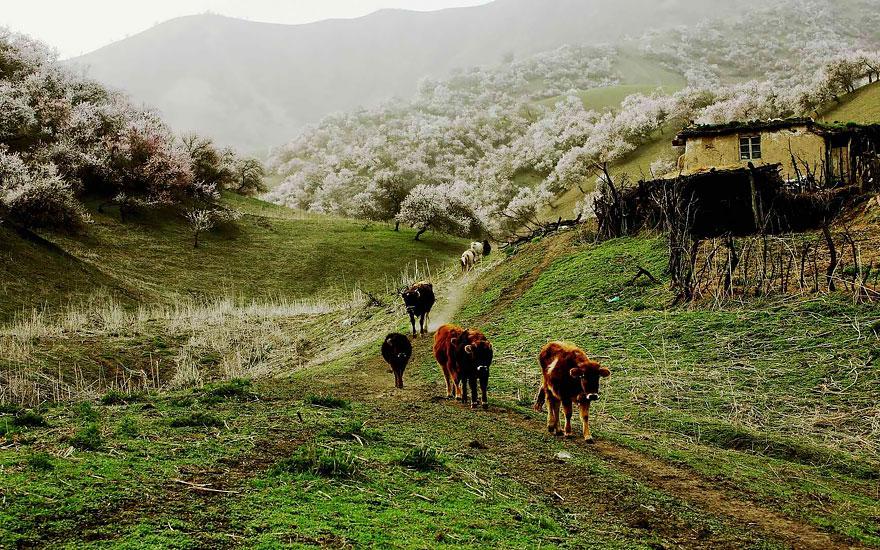
The other window is spring, and it is short. In late March into early April the wild apricot valleys around Tulasu (Tuergen) flush pink for about two weeks. I chased that bloom in 2022 and got lucky by three days; a friend who came the following weekend found bare branches. If apricot season is your goal, watch local weather updates and keep your dates flexible. Winter, by contrast, is very quiet, cold, and mostly for hardy travelers who want empty snow-covered hills.
Where to stay
You have three broad choices. Inside or right beside the Nalati scenic area sit a cluster of hotels and holiday resorts, convenient but pricier and often booked out in peak weeks. Nalati town, a short drive from the gate, has simpler guesthouses and a few mid-range hotels at more honest prices; this is where I usually base myself. The most memorable option is a Kazakh yurt or family homestay on the grassland fringe, where dinner is whatever the family is cooking and breakfast comes with fresh milk tea.
If a homestay appeals, read my longer piece on the Kazakh homestay experience first, so you know what to expect around bedding, bathrooms, and etiquette. Book the popular grassland stays a week or two ahead in July and August.
What to eat
This is Kazakh and Ili food at heart. Expect big platters of hand-cut noodles, mutton in various forms, and dairy you will not find elsewhere. Do try the nasharap-style laghman and the fermented mare’s milk (kumis) if your stomach is up for it; I liked it more than I expected, though it is an acquired taste. Nalati town has small restaurants where a filling meal runs ¥30–60 a head. On the grassland itself, meals are pricier and simpler, so I usually carry fruit, nuts, and water for the daytime.
Practical tips from three visits
- Altitude and weather: the upper grassland is cool even in summer. Pack a warm layer and a light rain shell; mountain weather turns quickly.
- Cash and payment: mobile pay works in town, but carry some cash for grassland vendors and small homestays.
- Permits and ID: bring your passport for hotel check-in and any checkpoints; rules in border prefectures can change, so confirm current requirements before you travel.
- Horse riding: agree the price and the exact route before you mount. Ask for a helper if you are inexperienced.
- Sun protection: the meadow sun is fierce at altitude. I burned my neck badly on day one before I wised up.
- Respect the land and people: ask before photographing herders, and do not walk through fenced grazing areas.
A sample 3-day itinerary
Day 1: Arrive via Nalati Airport or drive from Yining. Settle into Nalati town, walk the local bazaar, and eat an early dinner of laghman.
Day 2: Full day at Nalati Grassland. Take the first shuttle to the sky grassland, ride a horse or hike the higher slopes, then descend for lunch. Spend the afternoon on the river-terrace meadows and, if you can, arrange a yurt dinner.
Day 3: Slow morning, optional short hike, then either fly out or continue your Ili loop toward Gongliu, Tekes, or south to Bayanbulak. For the wider region, my overview of north versus south Xinjiang helps you decide where to head next.
Frequently asked questions
How many days do I need in Xinyuan? Two nights is enough for Nalati at a relaxed pace; three lets you add a homestay or a spring apricot detour.
Is Nalati worth it if I have already seen Bayanbulak? Yes. They are different landscapes: Bayanbulak is a vast flat wetland with the famous river bends, while Nalati is rolling alpine meadow. I would happily do both.
Can I visit without a car? Yes. Fly into Nalati Airport and use shuttles and taxis, or join a small-group tour from Yining. A car helps for the apricot valleys, which are more spread out.
When exactly do the apricots bloom? Usually late March to early April, but the peak lasts only about two weeks and shifts with the weather each year.
A quick disclaimer
Prices, flight schedules, ticket rules, and entry requirements in Xinjiang change often, and border prefectures like Ili can update regulations at short notice. Everything here reflects my own visits between 2019 and 2024; please confirm current details with official sources and your accommodation before you travel. I have tried to keep this honest rather than glossy, including the crowds and the managed feel of the main scenic area.
About the author: Elena Marsh has spent more than a decade writing about Central Asian grasslands and horse cultures, from the steppes of Kazakhstan to the Tian Shan meadows of Ili. She has traveled to Xinyuan and the wider Ili valley three times, most recently in 2024, staying in both Nalati town hotels and Kazakh grassland homestays. She writes to help independent travelers set realistic expectations and travel respectfully.