Published: July 26, 2026 | Author: Jonas Weber | Reading time: about 9 minutes
Most people who travel between Aksu and Kashgar never notice Kalpin. The county sits north of the main highway, tucked behind a wall of low red mountains, and nothing on the road signs suggests a reason to turn off. I turned off anyway, twice, and this Kalpin travel guide is the result. I studied geology for three years before switching careers, and the Kalpintag range is the kind of place that appears in structural geology textbooks: parallel ridges of folded rock running across the desert like ripples frozen in stone. Geologists fly here from other continents to look at it. Tourists, almost never. That imbalance felt worth correcting.
Everything below comes from two visits, one in April 2023 with a hired driver from Aksu and one in October 2025 when I came by bus and stayed two nights in the county town. Prices and schedules were accurate when I checked them, but this is a small county that changes slowly and then all at once, so verify anything critical before you commit.
Quick reference: Kalpin at a glance
| Item | Details |
|---|---|
| Location | Aksu Prefecture, southern Xinjiang, roughly 160 km southwest of Aksu city |
| Known for | Kalpintag folded mountains, red rock gorges, salt-fed lamb, qamgur (turnip) dishes |
| Getting there | Bus or car from Aksu (2.5 to 3 hours); no railway station in the county |
| Best months | April to May, September to October |
| Time needed | 1 to 2 days |
| Accommodation | Basic county-town hotels; confirm foreigner registration before arriving |
| Budget | 250 to 400 CNY per day including a hired car |
Why I went to Kalpin twice
The first trip was a half-accident. In April 2023 I was in Aksu with a free day and a driver named Memet who asked what I wanted to see. I said rocks, the older the better. He laughed and drove me southwest for two hours, past cotton fields that gave way to gravel plains, until the Kalpintag ridges rose ahead of us in bands of rust and grey. We spent the afternoon walking into a dry gorge where the strata stood almost vertical, layer after layer tilted by forces that stopped acting millions of years ago. I found a slab of limestone with marine fossils in it, small shelled creatures from a time when this desert was a sea floor. I left it where it lay, which is both the law and the right thing to do, but I photographed it from every angle like a man possessed.
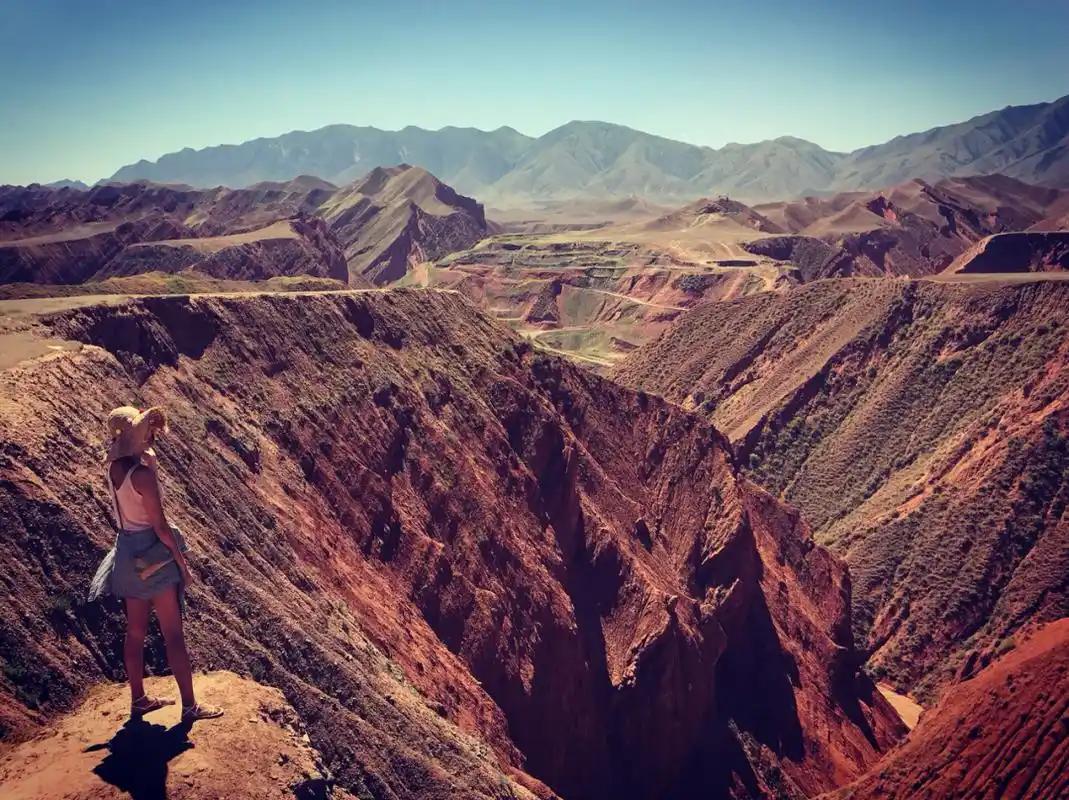
Folded red strata are the signature of this corner of Xinjiang. The gorges near Kalpin are narrower and far less visited than the famous canyons further east.
The second trip, in October 2025, was deliberate. I wanted to see the ridges in autumn light and to eat the lamb properly this time, sitting down, without a driver checking his watch. Both goals were achieved. October gave the mountains a low golden light that made the red bands glow around 6 pm, and the lamb deserves its own section, which it gets below.
What the canyon country actually looks like
Set your expectations correctly: Kalpin is not a developed scenic area. There are no ticket gates, boardwalks, or shuttle buses in the gorges I visited, and that is precisely the appeal. The Kalpintag is a thrust belt, a stack of rock sheets pushed over one another, and erosion has carved the exposed edges into ranks of sawtooth ridges separated by gravel valleys. From the county road the effect is strange and a little hypnotic, like driving past the same mountain again and again.
If you have been to the Kuqa Grand Canyon, the rock colours will look familiar, but the experience is different. Kuqa gives you a single dramatic slot canyon with an entrance fee and other visitors. Kalpin gives you an entire county of folded rock and, in my two visits combined, exactly zero other tourists. The trade-off is that nothing is signposted. You need a local driver who understands what you want, or a lot of patience with offline maps.
One caution I mean seriously: do not wander deep into unnamed gorges alone. There is no mobile signal in many of them, flash floods are a real hazard after rain anywhere in this terrain, and nobody will walk past and find you. I kept to gorges within sight of the road and told my hotel where I was going on the day I hiked without Memet.
Getting to Kalpin
There is no railway station in Kalpin county. The Kashgar line runs well to the south, so the practical approaches are by road:
- From Aksu: Buses leave from the main Aksu bus station for the county town; when I took one in October 2025 it cost around 45 CNY and took just under three hours with stops. A private car cost me 350 CNY for the full day in 2023, arranged through my Aksu hotel.
- From Kashgar: It is a longer haul, around four to five hours by car. Doable, but Aksu is the more sensible base.
- Self-driving: The county road from the Sanchakou junction is paved and in decent condition. If you are planning a bigger loop, my notes on self-driving in Xinjiang cover paperwork and fuel logistics.
Expect a checkpoint or two on the county road. Foreign passports get a longer look than local ID cards, which in my experience meant ten extra minutes and some friendly curiosity, nothing worse. Carry your passport, not a photocopy.
Best time to visit
April and May bring mild days in the low twenties Celsius and the brief green flush on the gravel plains. September and October are my preference: stable weather, cool mornings, and that long amber light on the ridges. Summer is punishing here, regularly above 38 degrees, and the gorges turn into ovens with no shade. Winter is possible and the low sun angle flatters the rock, but county services shrink and some drivers refuse the gorge tracks. For a broader picture of regional conditions, see the month-by-month Xinjiang weather guide.
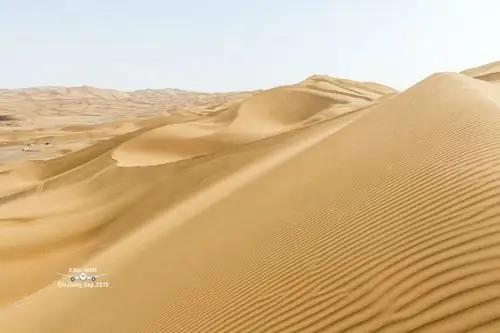
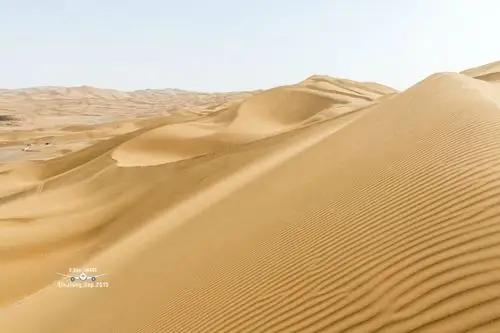
South of the ridges the land flattens toward the Taklamakan. The transition from folded mountain to open desert happens within a few kilometres.
Where to stay
Be honest with yourself here. Kalpin county town has a handful of simple hotels, and on my October 2025 visit only one of the two I tried would register a foreign passport. The one that did charged 168 CNY for a clean twin room with reliable hot water and a boiler that sounded like a small aircraft. Book nothing in advance through apps; the listings I saw online did not match reality on the ground. Instead, arrive before dark, ask directly, and have a fallback plan of returning to Aksu, where foreigner-friendly hotels are plentiful. If your itinerary is tight, the day-trip model from Aksu is genuinely the lower-stress option.
What to eat: the lamb is the point
Kalpin lamb has a reputation across southern Xinjiang, and after eating it in its home county I understand why. The sheep graze on salt-tolerant plants growing in naturally brackish ground, and locals insist this is what gives the meat its clean, faintly mineral flavour with none of the muttony heaviness. Whatever the mechanism, the boiled lamb I ate at a family-run place near the bazaar in October 2025 was the best plain meat I have eaten in China. No marinade, no cumin crust, just salted water, an hour of patience, and a knife. A generous plate with naan and onion cost 55 CNY.
The other local staple is qamgur, the turnip that Kalpin farmers grow in quantity. It turns up in lamb soup, roasted beside the meat, and dried as a snack that tastes better than it sounds. Try the soup version first; the turnip absorbs the broth and outperforms the meat some days. If food is a major reason you travel, the bazaars further west near Maralbeshi pair well with Kalpin in a two-day eating loop.
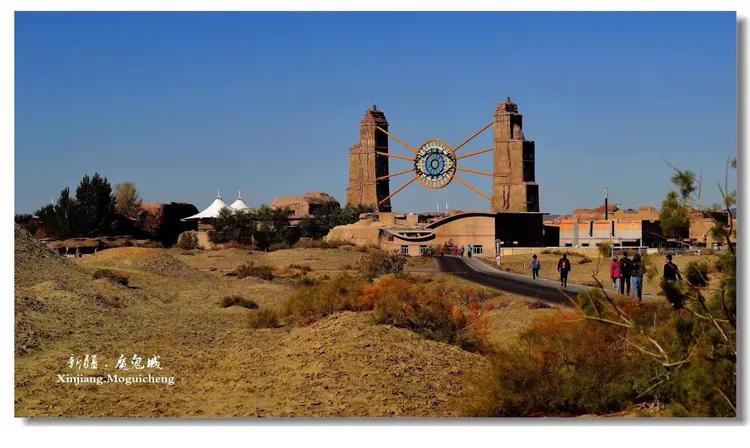
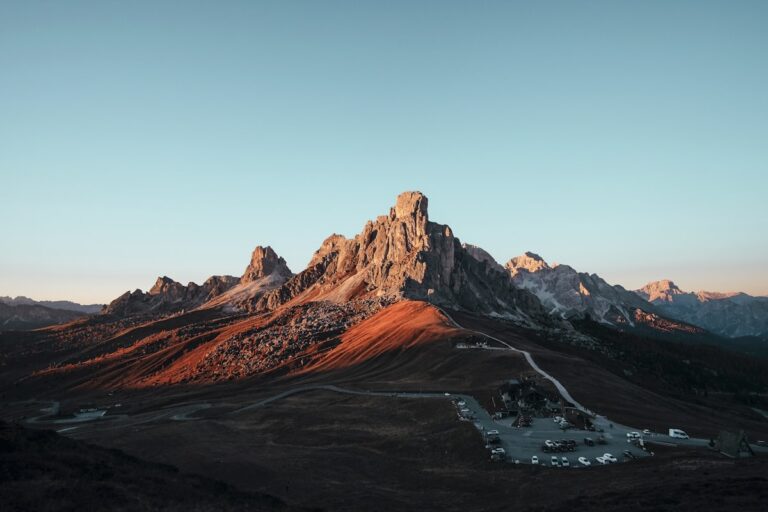
Wind and water erosion shape rock across Xinjiang. This formation is from a different part of the region, but the same forces carved the Kalpin gorges.
Practical tips from two visits
- Carry more water than feels reasonable. I drank four litres on a mild October day of walking.
- Fuel up in Aksu or at the county town; there are no stations out by the gorges.
- Download offline maps before leaving Aksu. Signal in the valleys is patchy to nonexistent.
- Do not collect fossils or rock samples. Photograph them and leave them. Fines aside, stripping a site ruins it for the next curious person.
- Cash still matters in small eateries here. I paid for lamb with paper money in 2025 because the owner’s payment QR code was out of order.
- If your route continues west, Artux makes a logical next stop before Kashgar.
- Unsure whether this quiet corner suits your trip at all? My comparison of northern and southern Xinjiang may help you decide.
A one-day itinerary that worked
07:30 Leave Aksu with a hired car, breakfast naan in hand.
10:00 First stop at the roadside viewpoint where the parallel ridges come into view; walk the low rise north of the road for the full panorama.
11:00 Two hours in a dry gorge, walking as far as the light and your water allow.
13:30 Late lunch of boiled lamb and qamgur soup in the county town.
15:00 Second gorge or the southern desert-edge viewpoint, depending on energy.
17:30 Golden hour on the ridges; this is the photograph you came for.
19:00 Drive back to Aksu, arriving before 21:30.
FAQ
Is Kalpin worth visiting for non-geologists?
If you like empty landscapes, honest food, and places without ticket gates, yes. If you measure a destination by its facilities, no. It is a raw county, not an attraction.
Do I need a permit?
No special permit was required on either of my visits, just a passport for checkpoints and hotel registration. Rules can shift, so ask in Aksu before setting out.
Can I visit without speaking Chinese?
It is harder here than in tourist towns. A translation app, patience, and a driver arranged through an Aksu hotel solve most problems.
How does it compare with the famous canyons near Kuqa?
Kuqa’s canyons are taller, tighter, and set up for visitors. Kalpin offers breadth instead of drama: dozens of kilometres of folded rock and complete solitude.
Disclaimer
Prices, transport details, and registration policies in this article reflect my visits in April 2023 and October 2025 and conversations with local drivers and hotel staff. Small-county logistics in Xinjiang change without notice. Confirm bus schedules, hotel policies for foreign guests, and road conditions locally before you travel. I paid for all transport, food, and accommodation myself and have no commercial relationship with any business mentioned.
About the author: Jonas Weber is a travel writer from Leipzig, Germany, and a former geology student who never quite recovered from switching careers. He has spent five trips exploring the rock landscapes of western China, from the Tianshan foothills to the edge of the Taklamakan, and writes practical guides for travellers who prefer maps to brochures. All journeys are self-funded.