Published: July 21, 2026 | Author: Liam Foster
Most travelers treat southern Xinjiang as a straight line between Urumqi and Kashgar. I did the same on my first drive through in 2019, and I regretted it for years afterward. When I finally went back to build a proper Aksu travel guide from the ground up, I found the one oasis town that still keeps the rhythm of the land instead of the timetable of the bus. Aksu sits where the last irrigated fields meet the Taklamakan, under the northern wall of the Tianshan. It is quiet, it is useful, and it is the base that most itineraries skip for no good reason.
Why you can trust this Aksu travel guide
I earn my living writing about Xinjiang, and Aksu is not somewhere I checked off in an afternoon. I stayed two separate times, late September 2023 and again in April 2025, and used the city as a launch point for the canyon, the grottoes, and the river poplars. The prices, the times, and the road notes below are things I actually paid for or saw with my own eyes. I have marked the bits that shift, train times, desert road status, permit rules, so you can recheck them before you pack.
Aksu at a glance
| Detail | What to know |
|---|---|
| Location | Aksu City, northern rim of the Taklamakan Desert, southern foot of the Tianshan |
| Altitude | About 1,100 m, no altitude adjustment needed |
| Best months | April to June, and September to October |
| From Urumqi | Roughly 1,000 km; 1h40m flight or an overnight train |
| Don’t miss | Wensu Grand Canyon, Kizil Grottoes day trip, Tarim poplar forest |
| Try the food | Sugar-heart apples, walnut cake, laghman, ququra soup |
What Aksu actually felt like
I arrived the first time on the late train from Korla, stepping out at six in the morning into air that smelled of wet earth and woodsmoke. Aksu wakes early. By the time the sun cleared the Tianshan, the riverfront was already busy with people walking the green belt along the Aksu River, the “white water” that gives the city its name in Turkic. My driver Ablet, a quiet man who has run the Urumqi to Aksu run for twelve years, told me the name before I’d even asked. He grew up where the oasis ends.
He took me straight to the morning market. That is where Aksu tells you what it is. Stalls of walnuts and red dates, piles of the local apples that later get shipped across China as “sugar-heart” fruit, and women pulling fresh naan from the tandoor while it was still too hot to hold. We ate laghman at a plastic-table place where the cook stretched the noodles by hand in the window. It cost 18 yuan. I have paid four times that for worse in Shanghai.
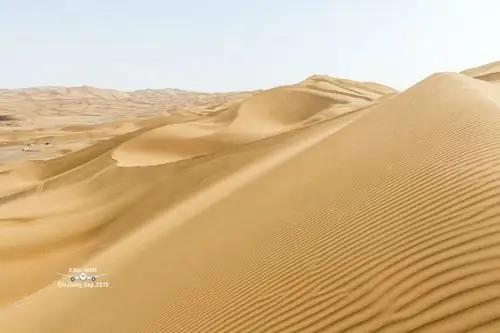
What stayed with me was the silence at the edge of town. A ten-minute drive and the poplars stop, the irrigation channels dry up, and the Taklamakan begins. Standing there I understood why Aksu calls itself a gateway. It is not a slogan. The oasis is a thin line holding back a sea of sand.
Getting to Aksu
Aksu has both an airport and a railway station, so you do not need to charter a car just to arrive. Flights from Urumqi land in about one hour and forty minutes; in spring and autumn a few direct flights from other provincial cities appear, but the Urumqi hop is the reliable one. Book early if you travel in October, when the apple harvest fills the planes.
The train is the cheaper story. Aksu sits on the Southern Xinjiang Railway, with overnight sleepers from Urumqi and daytime services from Kashgar that take four to five hours. If you want the full picture of how the region connects, read our Xinjiang high-speed rail guide before you buy tickets, because the schedule and the station names shift more often than the guidebooks admit.
From Aksu city you will need a car or a driver for everything outside the center. The canyon, the grottoes, and the poplar forest are all 60 to 120 km out, and the public buses are slow and infrequent. I used Ablet for the whole stay and paid around 400 yuan a day, fuel included.
Best time to visit
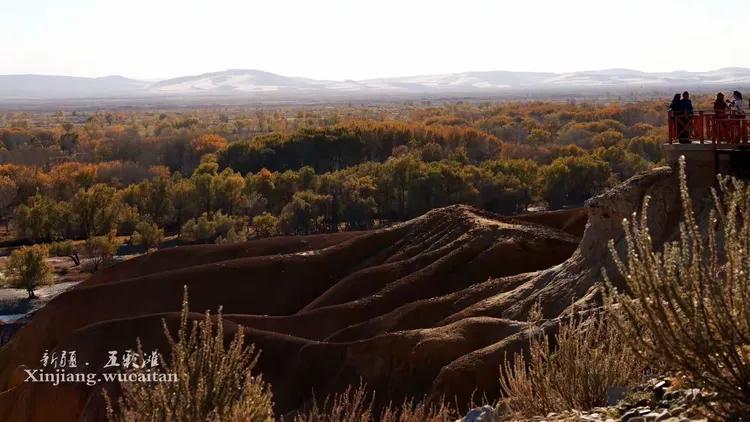
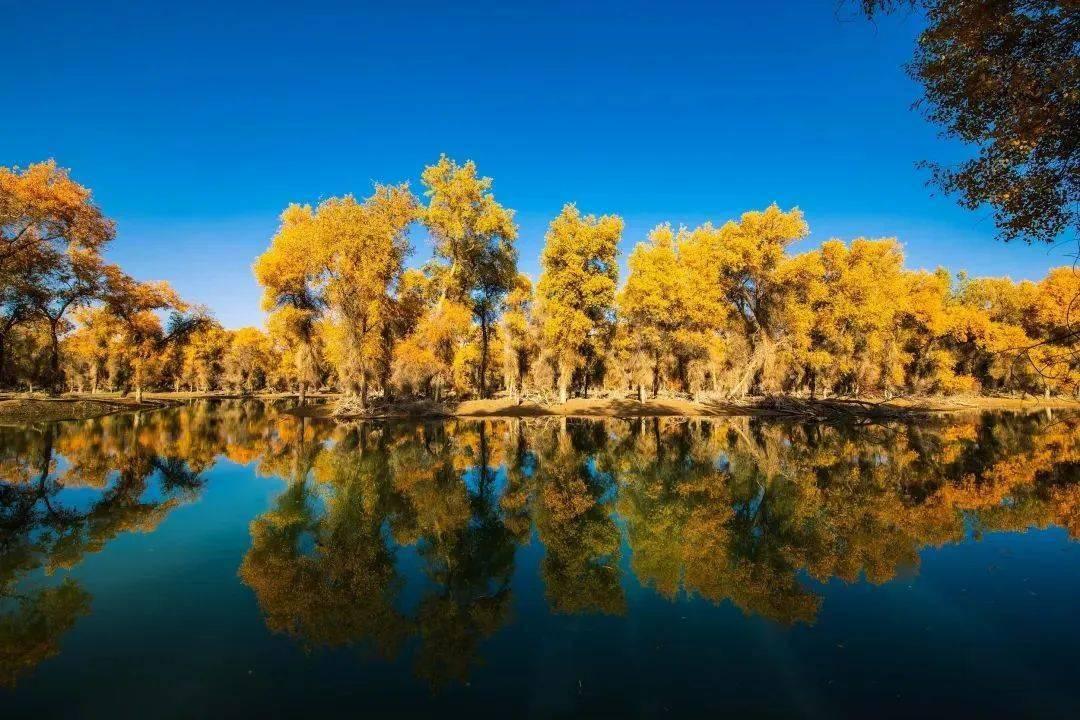
Skip July and August if you can. The heat on the desert rim pushes past 35°C and the poplars sit a flat, dull green. Spring, April to June, is gentle: the orchards bloom, the river runs full from the Tianshan snowmelt, and the crowds have not arrived. Autumn is the prize. From late September the apples ripen, and by late October the Tarim poplars turn the color of a struck match. That window is short, two or maybe three weeks, and it is the only time the forest is worth the long drive.
Where to stay
Aksu is not a resort town, and that is fine. The city has a solid mid-range strip of hotels near the railway station and along the main Beijing Road, where a clean double runs 220 to 350 yuan a night. I stayed once at a generic business hotel and once at a smaller place my friend Dilnur recommended near the river; both were quiet and had working heating, which matters in April when the nights drop near freezing. Book through the usual apps rather than walking in, the front desks rarely speak English and the online price is usually lower.
What to eat
You come to Aksu to eat the fruit. The sugar-heart apple, with its translucent honey core, is the headline, and in October you can buy them by the sack at the roadside for a few yuan each. Beyond that, the Uyghur table is the same one you find across the south: naan hot from the tandoor, samsa baked meat buns, pilaf with yellow carrot, and ququra, a small wonton soup I had never tried before Aksu and now order every chance I get. Walnut cake and a glass of milk tea make a cheap, filling breakfast. Portions are large; one main between two people is usually enough.
What to do around Aksu
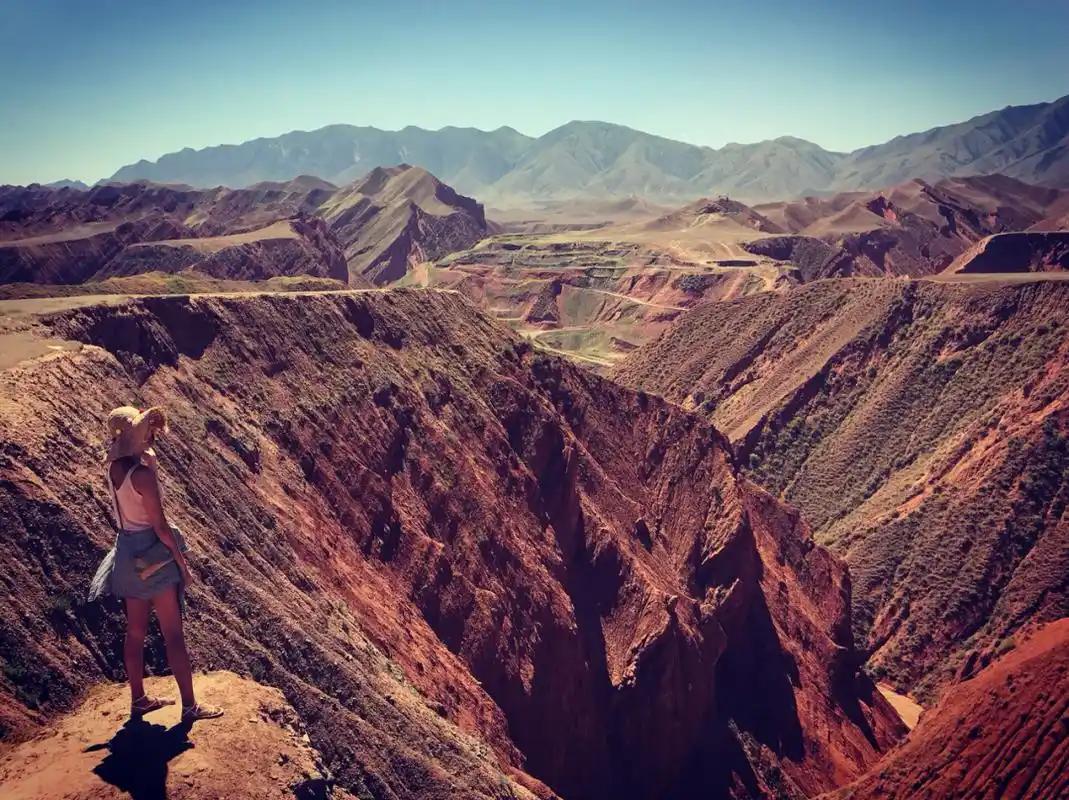
The single best excursion is the Wensu Grand Canyon, about 60 km north of the city into Wensu County. The road climbs into red sandstone walls that close in until you are driving through a wound in the earth. There is a basic ticket, around 45 yuan when I went, and a jeep track that only opens when the weather is dry. Go in the morning; by noon the canyon floor bakes. The rock is old red sandstone, layered like a dropped deck of cards, and the wind has polished the walls into shapes locals name after animals and old gods.
For history, Aksu is the back door to the Qiuci kingdom. Our Kuqa and Qiuci culture guide covers the city an hour east, but the real treasure is the Kizil Grottoes, the oldest major Buddhist cave complex in Xinjiang, cut into a cliff in Baicheng County. It is a long day trip from Aksu, closer to base yourself in Kuqa, but if you care about the Silk Road it is the reason to be in this part of the province at all. Our Korla guide explains the wider Taklamakan gateway if you are building a southern loop.
Closer in, the Shenmuyuan, a walled garden of ancient trees in Wensu County, and the riverside poplar belt make easy half-days. And if you want the profound version, time your trip for late October and drive out to the Tarim poplar forest, where a single species of tree turns an entire riverbank gold. Aksu also keeps the memory of the 359th Brigade, the unit that reclaimed this wasteland into farms in the 1950s; there is a small museum in the city if that history interests you.
Practical tips
- Carry your passport. Southern Xinjiang runs security checks at the station, the airport, and random roadblocks. Keep it on you, not in the hotel.
- Download maps offline. Signal thins out fast once you leave the city, and the canyon roads are not well marked.
- Cash still helps at markets. The big hotels and trains take cards and Alipay, but the apple sellers do not.
- Respect the grottoes. No flash, no touch, and hire the site guide, the murals make no sense without the stories.
- Pack a layer even in September. The desert cools hard after dark and the canyon wind cuts.
For the broader region, our 20 things to know before visiting Xinjiang covers documents, payments, and the small rules that catch first-time visitors off guard.
A 3-day sample itinerary
Day 1: Arrive by train or flight, walk the Aksu River green belt, eat laghman at the morning market, stock up on apples. Sleep in the city.
Day 2: Driver to Wensu Grand Canyon in the morning, cooler and better light, Shenmuyuan in the afternoon, back for a poplar-belt sunset walk. Sleep in the city.
Day 3: Long day to Kizil Grottoes via Kuqa, or, if you skip the grottoes, a slow morning at the riverside poplar forest before your departure. If the poplars are gold, swap Day 2 and Day 3 so the forest lands on the best light.
FAQ
Is Aksu worth visiting on a first trip to Xinjiang? If your time is short and it is your first visit, Kashgar and the Tianshan deserve the slot first. Aksu rewards a second trip, or a southern loop where you already have Kuqa and Korla on the map.
Do I need a permit for Aksu? The city and the canyon do not need a special permit beyond the normal Xinjiang entry rules. The desert crossing toward Hotan is a different matter. That is an expedition, not a day out, and needs real planning.
How many days do I need? Two full days covers the city and the canyon. Add a third if you want Kizil Grottoes without rushing.
Is English spoken? Barely. The hotel apps, translation on your phone, and a driver who speaks some Mandarin will get you through. Learn “rahmet,” thank you, and you will be treated well.
Disclaimer
This guide reflects my own visits in 2023 and 2025. Prices, train times, entrance fees, and road access in Xinjiang change without notice, and seasonal weather can close the canyon or the desert roads. Confirm all bookings, permits, and conditions with official sources and your accommodation before you travel. This article is for planning only and is not a substitute for current official advice.
About the author
Liam Foster is a travel writer based in Northwest China who has covered Xinjiang’s oasis towns, deserts, and Silk Road heritage for six years. He prefers slow trains, morning markets, and asking the driver where the good laghman is. He last updated this Aksu guide in July 2026.