Published: August 18, 2026 | Author: Karl Huang
Most travellers who fly into Hotan come for the jade market and the Sunday livestock bazaar, then leave without ever hearing the name Rawak Stupa. We almost did the same. It was a curator at the Hotan Museum who changed our plan, sliding a faded black-and-white print across the table: a clay Buddha wall half-eaten by sand, with the note “This is ours, and almost no visitor makes it back from seeing the real thing.” Rawak Stupa is a Buddhist temple complex that once stood at the eastern margin of the Taklamakan Desert, and it still sits there today, fenced and mostly closed, a place that rewards curiosity more than convenience. This guide explains what Rawak actually is, why it matters, and how a careful traveller can get close to it without crossing any line.
Rawak Stupa at a Glance
| Item | Detail |
|---|---|
| Location | Roughly 40–50 km northeast of Hotan city, on the desert fringe |
| Period | Built around the 2nd–6th century, thriving under the Kingdom of Khotan |
| What remains | A central stupa plus a rectangular shrine hall lined with molded Buddhas and bodhisattvas |
| Access | Not a developed ticketed site; closed to casual tourism, visited by permit or research arrangement |
| Best proxy visit | Hotan Museum and the Xinjiang Museum in Urumqi hold the recovered sculptures |
| Nearest base | Hotan city, with flights and the Kashgar–Hotan railway |
Our Day Out at the Edge of the Sand
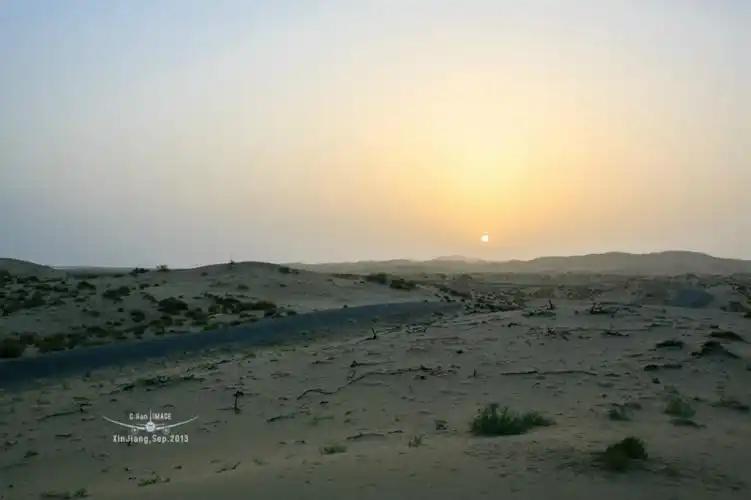
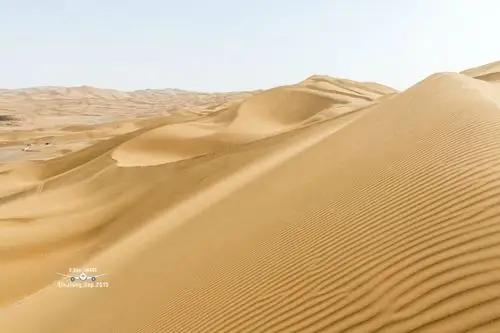
We hired a driver in Hotan at dawn, telling him only that we wanted to see “the old temple in the desert.” He understood immediately — locals call it Luoke fo si, the desert Buddha temple. The paved road ends about twenty minutes out of town, and after that it is hard-pack track between fields of mulberry and the first dunes. What struck us first was the silence. No wind farm, no highway hum, just the low hiss of tyres on sand and the occasional call of a hoopoe from a roadside poplar.
When we reached the fenced enclosure, a caretaker waved us to a stop. He does not speak much Mandarin, but he pointed at the ground and drew a circle in the air: the stupa is still there, under the cover. We were not allowed inside, and we did not push. What we could see through the mesh was a low earthen mound, the kind of thing you would walk past without a second glance if a fence were not around it. That ordinariness is exactly why Rawak stays protected — the treasure is in the wall sculptures, not the skyline. Our driver later told us that in a strong wind you can sometimes see fragments of plaster poking through the drift, which is precisely why the site is kept off-limits to foot traffic.
Back in town the same afternoon, we went to the museum and finally understood what we had been looking at. Behind glass were the clay heads and torsos lifted from Rawak’s shrine walls: rows of serene Buddhas, each one slightly different, with the long ears and rounded shoulders typical of Khotan-school Buddhist art. Seeing them indoors, lit and labelled, made the desert mound feel ten times larger. If you only do one thing in Hotan, make it this room.
How to Get There
Rawak sits northeast of Hotan, off the route that loosely follows the old southern Silk Road toward the desert interior. There is no bus, no signpost, and no parking lot. Realistically you need a private car or a willing taxi driver for the round trip, and you should tell your accommodation the night before so they can ring ahead. Expect to pay for a half-day hire rather than a metered fare; agree the price before you leave the city limits, and carry cash because the few fuel stops on the edge of town do not always take cards.
The site falls under local cultural-relics management, and the caretaker’s permission is the only gate that matters. We found that approaching it as a respectful request, not a tourist entitlement, opened more doors than any official letter would have. If a full visit is not possible, do not be discouraged. The Silk Road history of Xinjiang is told far more comfortably in the museums, where the Buddhas pulled from Rawak’s walls are displayed under proper light rather than drifting sand.
Best Time to Visit
Hotan is brutal in summer; June through August regularly tops 38°C and the desert track bakes hard enough to blur the horizon. We went in early April, when daytime highs sat around 22°C and the apricot trees along the road were flowering, their petals landing on the windscreen as we crawled past orchards. Autumn, from September to mid-October, is the other sensible window — clear skies, manageable heat, and the mulberry and grape harvest in full swing. Winter is calm and cheap but the wind off the Taklamakan and its neighbouring deserts can close roads without warning, and the museum keeps shorter hours.
Where to Stay
Hotan has the only real lodging worth considering. The city centre, within walking distance of the bazaar, has mid-range hotels with reliable heating and English-light front desks. We stayed two nights and found that a second day let us slow down: museum in the morning, bazaar in the afternoon, and a quiet evening walk along the river channel the locals use for evening exercise. If you are moving on toward Kashgar, it makes sense to treat Hotan as a one- or two-night pause rather than a base camp — the desert sites are day trips, not destinations you build a week around.
What to Eat in Hotan
Hotan’s kitchens lean into the southern Xinjiang style: hand-pulled laghman, mutton roasted over charcoal, and flat naan pulled fresh from the tandoor. The bazaar food row is where we ate best — a bowl of pigeon naan soup cost less than a coffee back home and warmed us through after the cold desert morning. Try the local mulberry juice in spring; the trees line whole streets and the press-stands appear overnight, run by families who have done this for generations. One caveat we learned the hard way: spice levels at the open grill can be fierce, so ask for “az lab” (mild) if your stomach is still adjusting to travel, and keep a packet of plain naan handy for the drive out to the site, where there is no food at all.
Practical Tips Before You Go
- Carry your passport. Checkpoints around Hotan are routine, and the desert perimeter is no place to be without ID.
- Bring water and a hat even in spring. Shade at the site is nonexistent, and the dry heat dehydrates you fast.
- Do not attempt to climb the fence or remove anything. The site is actively monitored and the penalties are real.
- Download offline maps. Signal drops the moment you leave the paved road, and your driver’s own navigation may fail.
- Manage expectations. You may only see a mound through a fence. The deeper story lives in the museum cases, so plan the museum first.
- Tell someone your plan. Leave your hotel the rough time you expect to be back, since the route has long empty stretches.
A Suggested Two-Day Plan
Day 1: Arrive in Hotan, drop bags, and walk the bazaar while the light is soft. Eat grilled mutton for dinner and confirm your driver for the morning, settling the half-day price in cash.
Day 2: Museum first (the Rawak sculptures are the highlight, and seeing them before the site gives the visit context), then the desert run to the fenced site with your driver. Back in town for a late lunch, and an evening train or flight onward. If you still want more ruined temples, the Mor Pagoda near Kashgar makes a strong companion stop on a longer southern loop, and pairs naturally with a Kashgar-versus-Hotan routing decision if you are building a two-week southern itinerary.
Frequently Asked Questions
Can I just turn up and walk around Rawak Stupa?
No. It is not a ticketed attraction. Access is controlled, and most visitors only see the enclosure from the fence. The recovered sculptures are in museums.
Is it worth going if I cannot enter?
If you care about Buddhist art and the Silk Road, yes — the drive itself and the museum collection are worthwhile, and the contrast between a bare mound and a lit gallery is its own lesson. If you need a polished photo op, plan your Hotan versus Kashgar stop around the cities instead.
How long from Hotan city?
About an hour each way by car, plus waiting time, so budget a half day and keep the rest for the museum.
Is it safe?
The area is calm and well-policed. The only real risk is the heat and the lack of services once you leave the road, both of which are easy to prepare for.
Can children visit?
The drive and museum are fine for families, but there is nothing to do at the fenced site itself, so we would save the desert run for travellers who already know they want it.
Disclaimer
This article reflects the authors’ visit and research as of 2026. Access rules, opening status, and road conditions at Rawak Stupa can change without notice, and the site may be closed entirely for conservation. Verify the current situation with the Hotan cultural-relics authority or your hotel before travelling, and always follow on-site instructions. We are not responsible for any changes to access or for decisions made on the basis of this guide.
About the author
Karl Huang is a travel writer focused on Xinjiang’s southern routes, from the Pamirs to the Taklamakan fringe. He has driven the Karakoram and the desert highways, and prefers small museums to crowded viewpoints. His work on this site aims to give independent travellers honest, first-hand information rather than brochure copy.