 Turpan): Complete Travel Guide ” class=”wp-image-1718″/>
If you’ve read Journey to the West (西游记), China’s most famous novel, you’ll remember the episode where the Monkey King (Sun Wukong) battles the flames of the Flaming Mountains to continue his journey. While you won’t encounter any demons or need to borrow a magical fan, visiting the real Flaming Mountains (火焰山) in Turpan is still one of Xinjiang’s most unique and memorable experiences.
Located in the Turpan Depression – the hottest and driest place in China – the Flaming Mountains are a striking range of red sandstone hills that seem to glow and “burn” under the intense sun. With summer temperatures regularly exceeding 45°C (113°F) and the ground temperature reaching 70°C, this is truly one of the most extreme environments on Earth.
This comprehensive guide covers everything you need to know before visiting this legendary landscape.
Where are the Flaming Mountains?
The Flaming Mountains are located in Turpan Prefecture, eastern Xinjiang, about 30 km east of Turpan city.
Geographic context:
- Part of the Tianshan Mountain range
- Length: Approximately 100 km
- Width: 5-10 km
- Highest peak: 851 meters
The mountains form a natural barrier that traps heat in the Turpan Depression, creating the extreme temperatures that give the mountains their name.
How to Get to the Flaming Mountains from Turpan
Option 1: Chartered Car (Recommended)
- Price: ¥150-250 (round trip from Turpan city)
- Duration: 45 minutes each way
- Pros: Flexible schedule, can combine with other Turpan attractions
Option 2: Taxi
- Price: ¥80-120 one way (¥160-240 round trip with waiting time)
- Duration: 45 minutes each way
Option 3: Tour Group
Many travel agencies in Turpan offer day tours that include Flaming Mountains, Grape Valley, and other attractions.
- Price: ¥200-350/person
- Pros: Hassle-free, guide provides historical context
Option 4: Public Bus
- Take bus from Turpan city to Shanshan (鄯善) and ask to be dropped off at Flaming Mountains scenic area
- Price: ¥15-20
- Duration: 1 hour
- Note: Buses are infrequent; check the schedule in advance
Best Time to Visit the Flaming Mountains
Avoid Summer (June to August) – EXTREMELY HOT
- Temperature: 40-50°C (104-122°F), ground temperature can reach 70°C (158°F)
- Danger: Risk of heatstroke, dehydration
- Not recommended unless you’re specifically seeking extreme heat experience
Spring and Autumn (April-May, September-October) – RECOMMENDED
- Temperature: 20-35°C (68-95°F)
- Weather: Pleasant, manageable
- Best time: April-May or September-October
Winter (November to March)
- Temperature: -10 to 10°C (14-50°F)
- Pros: Cool, comfortable, no crowds
- Cons: Mountains may be less colorful (less “flaming” appearance)
Our Recommendation: Visit in April, May, September, or October for comfortable temperatures and the best experience.
Best time of day: Early morning (7:00-10:00 AM) or late afternoon (5:00-8:00 PM) to avoid the intense midday heat.
Entrance Fees and Tickets (2024 Prices)
- Peak Season (April 1 – October 31): ¥75/person
- Off Season (November 1 – March 31): ¥45/person
Additional Activities:
- Donkey cart ride: ¥30/person (fun way to explore the area)
- Camel ride: ¥50-80 (depending on duration)
Where to Buy Tickets:
- On-site ticket office
- Online (various Chinese travel websites)
Top Things to Do at the Flaming Mountains
1. Photograph the Red Sandstone Mountains
The Flaming Mountains’ most striking feature is their color – a deep, fiery red that intensifies under the sun. The best viewpoints are:
- Main viewing platform: Offers panoramic views
- Along the walking paths: Closer views of the rock formations
Photography tips:
- Best light: Early morning or late afternoon (golden hour)
- Use a polarizing filter to enhance the red color
- Include people in photos for scale
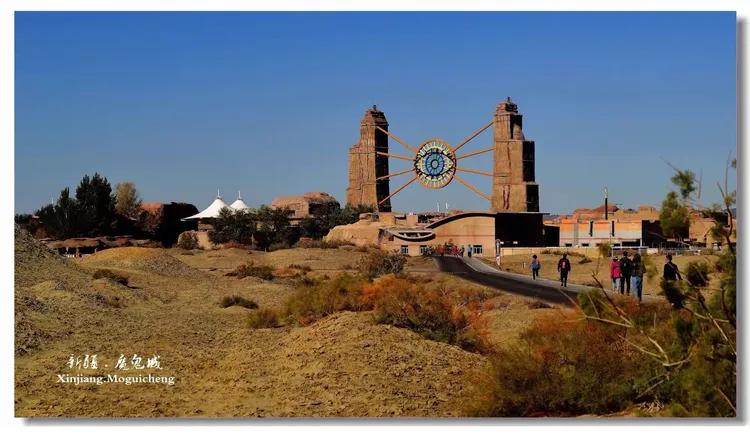
2. Visit the Journey to the West Theme Area
The scenic area has several statues and displays related to Journey to the West, including:
- A giant statue of the Monkey King (Sun Wukong)
- Exhibits explaining the novel’s connection to the Flaming Mountains
- Bronze statues of other characters
This is particularly fun if you’re familiar with the story.
3. Check the Thermometer Display
There’s a large thermometer display at the scenic area showing the current temperature. On hot summer days, it’s a popular (if daunting) photo spot.
4. Walk Along the Designated Paths
Several walking paths allow you to get closer to the mountains and appreciate the unique rock formations.
- Duration: 1-2 hours
- Difficulty: Easy to moderate
- Bring: Plenty of water, sun protection
5. Visit the Nearby Attractions (Same Day)
The Flaming Mountains are usually visited as part of a Turpan day trip that includes:
Grape Valley (葡萄沟):
- Lush oasis with grape vineyards
- A stark contrast to the barren Flaming Mountains
- Entrance fee: ¥75
Karez Wells (坎儿井):
- Ancient underground irrigation system
- Ingenious engineering, UNESCO recognized
- Entrance fee: ¥40
Sugong Tower (苏公塔):
- Beautiful Islamic tower and mosque
- Entrance fee: ¥45
Jiaohe Ancient City (交河故城):
- Ruins of an ancient city dating back 2,300 years
- UNESCO World Heritage Site
- Entrance fee: ¥75
Where to Stay When Visiting Flaming Mountains
Most travelers visit the Flaming Mountains as a day trip from Turpan city.
Accommodation in Turpan City
Turpan has a range of accommodation options:
- Budget: ¥80-150/night (hostels, guesthouses)
- Mid-range: ¥150-350/night (3-4 star hotels)
- Luxury: ¥350-800/night (5-star hotels)
Recommended hotels:
- Tuha Petroleum Hotel (mid-range, good location)
- Turpan Hotel (mid-range)
- Local guesthouses (budget)
Booking: Use Ctrip, Booking.com, or contact hotels directly.
What to Eat in Turpan
Turpan is famous for its grapes, melons, and Uyghur cuisine.
Must-Try Foods
- Turpan Grapes (吐鲁番葡萄): The sweetest grapes in China, available in many varieties
- Hami Melon (哈密瓜): Juicy and sweet
- Laghman (拉面): Hand-pulled noodles
- Kebabs (烤肉): Grilled meat skewers
- Naan (馕): Traditional flatbread
- Polo (抓饭): Rice pilaf
Where to Eat
- Turpan city: Numerous restaurants serving Uyghur and Chinese cuisine
- Grape Valley: Several restaurants and food stalls
- Night market: Opens after sunset, great atmosphere
Essential Packing List
Clothing
- Lightweight, loose-fitting clothing: Breathable fabrics (cotton, linen)
- Wide-brimmed hat: Essential sun protection
- Sunglasses: Strong UV reflection from the red rocks
- Comfortable walking shoes: Sand can be hot
- Light jacket: For early morning or evening visits
Sun and Heat Protection
- Sunscreen (SPF 50+): Critical – the sun is extremely strong
- Lip balm with SPF
- After-sun lotion
- Umbrella or parasol: Provides shade while walking
Hydration
- Water bottle (2-3 liters): Bring more than you think you’ll need
- Electrolyte packets: To replace salts lost through sweating
- Watermelon or other water-rich fruits: Refreshing and hydrating
Other Essentials
- Wet wipes: To cool down
- Portable fan: Battery-operated, helpful in the heat
- Cash: Small vendors may not accept cards
- Fully charged phone/camera: Heat drains batteries faster
Important Travel Tips
1. Heat Safety – EXTREMELY IMPORTANT
The Flaming Mountains are dangerously hot in summer. Follow these precautions:
- Never visit in the middle of the day (12:00-5:00 PM) in summer
- Drink water constantly, even if you don’t feel thirsty
- Watch for signs of heatstroke: dizziness, nausea, headache, rapid pulse
- If you feel unwell, stop immediately, find shade, and drink water
2. Best Time of Day to Visit
Early morning (7:00-10:00 AM) or late afternoon (5:00-8:00 PM) – avoid the midday sun.
3. What to Expect
The Flaming Mountains scenic area is not a “hike” – it’s more of a sightseeing area with viewing platforms and walking paths. It’s not as large or as spectacular as some other Xinjiang attractions, but it’s unique and worth visiting if you’re in Turpan.
4. Combine with Other Turpan Attractions
The Flaming Mountains are usually visited alongside other Turpan attractions in a day trip. This makes sense because:
- The Flaming Mountains alone don’t justify a separate trip
- Turpan has many interesting attractions close to each other
- Day tours are convenient and affordable
5. Cultural and Historical Context
Understanding the significance of the Flaming Mountains enhances the experience:
- Literary significance: Central to Journey to the West
- Geological significance: Unique red sandstone formations
- Historical significance: Part of the ancient Silk Road
Consider hiring a guide or reading about the area beforehand.
6. Photography
The mountains are most photogenic in the golden hours (sunrise and sunset). The red color is most intense then.
7. Facilities
The scenic area has:
- Parking
- Restrooms
- Small shops selling water, snacks, and souvenirs
- Shade structures (limited)
Sample 1-Day Turpan Itinerary (Including Flaming Mountains)
7:00 AM
Depart from Turpan city (to avoid midday heat)
8:00 AM
Arrive at Flaming Mountains, explore and photograph
10:00 AM
Depart for Grape Valley
10:30 AM
Explore Grape Valley, enjoy the shade and grapes
12:30 PM
Lunch at Grape Valley or back in Turpan city
2:00 PM
Visit Karez Wells (underground, cool temperature)
4:00 PM
Visit Sugong Tower
6:00 PM
Dinner in Turpan city
8:00 PM
Optional: Visit the night market
Frequently Asked Questions
Are the Flaming Mountains worth visiting?
Yes, but with caveats. They’re not as spectacular as Kanas Lake or Heavenly Lake, but they’re unique, culturally significant (Journey to the West), and worth visiting if you’re already in Turpan. Don’t make a special trip to Xinjiang just for the Flaming Mountains.
How hot are the Flaming Mountains?
In summer (June-August), air temperature regularly exceeds 45°C (113°F), and ground temperature can reach 70°C (158°F). It’s one of the hottest places on Earth.
Can I visit in summer?
Technically yes, but it’s extremely dangerous. If you must visit in summer, go at dawn (6:00-8:00 AM) and leave immediately after. Bring lots of water and take heat safety seriously.
How much time do I need at the Flaming Mountains?
1-2 hours is sufficient to see the main sights and take photos.
What should I wear to the Flaming Mountains?
Lightweight, light-colored, loose-fitting clothing. A wide-brimmed hat, sunglasses, and comfortable walking shoes. Cover as much skin as possible to avoid sunburn.
Are there facilities at the Flaming Mountains?
Yes, basic facilities including parking, restrooms, and small shops. However, it’s not a fully developed tourist attraction like some others in Xinjiang.
Can I combine Flaming Mountains with other attractions?
Absolutely – and you should. The Flaming Mountains are usually visited as part of a Turpan day trip that includes Grape Valley, Karez Wells, and other attractions.
Conclusion
The Flaming Mountains may not be Xinjiang’s most spectacular natural wonder, but they offer a unique and memorable experience. The combination of extreme heat, striking red rock formations, and cultural significance (thanks to Journey to the West) makes them worth visiting if you’re in Turpan.
The key to enjoying the Flaming Mountains is timing: visit in spring or autumn, go early in the morning or late in the afternoon, and take heat safety seriously. Combine your visit with other Turpan attractions for a full and rewarding day of sightseeing.
As you stand before the glowing red mountains, imagine the Monkey King battling the flames, and appreciate the raw, elemental power of this extreme landscape. Just don’t forget your water bottle – and your sunscreen!
Related Articles:
—
Last updated: August 2026