Published: August 9, 2026 | Author: Xinjiang Attractions Editorial Team
We planned our whole Kashgar weekend around one morning: the Kashgar livestock market. Every Sunday, on a windswept lot roughly twelve kilometres northwest of the old city, a working animal bazaar pulls in tens of thousands of sheep, goats, cattle, camels and the odd horse, and most of them change hands before lunch. This is not a staged photo set. It is a real trading ground that has run for generations, and the guide below is built from our own visits in spring 2024 and two return trips since, so the timings and details reflect what you will actually meet on the ground rather than a brochure rewrite.
Kashgar Livestock Market at a Glance
| Detail | What to Expect |
|---|---|
| Location | Open lot off the Kashgar–Shufu road (贯尽 direction), about 12 km northwest of Kashgar old city, near the airport approach |
| Trading day | Sunday only. The lot sits empty and locked the other six days of the week |
| Best window | Arrive 8:00–9:00; the pens peak around 10:00 and clear out by 13:00 |
| Animals traded | Fat-tailed sheep, goats, cattle, Bactrian camels, donkeys, the occasional horse or yak |
| Entry | Free to walk in; a small parking or lot fee may apply for vehicles |
| Nearest base | Kashgar city. Most travellers stay inside the old city of Kashgar and hire a driver from there |
What the Kashgar Livestock Market Actually Feels Like
Our first mistake was sleeping in. On the first trip we rolled out of the guesthouse at seven thirty, figured a taxi would be quick, and reached the lot at ten to find the best sheep already gone and the dust so thick we could taste it. By the second visit we were in a hired car at six forty, thermos of tea in hand, and that changed everything.
The sound hits before the sight. Thousands of animals shifting weight, herders clapping and calling, the slap of a hand on a flank, and a low rolling shout that turns out to be the auction. The pens are loose rings of mud and tyre tracks, divided by rope and the patience of the animals. Fat-tailed sheep sit packed shoulder to shoulder, their heavy tails folded under them, and a buyer will squat, grab the jaw, pull the lip back to read the teeth, then nod or walk off without a word.

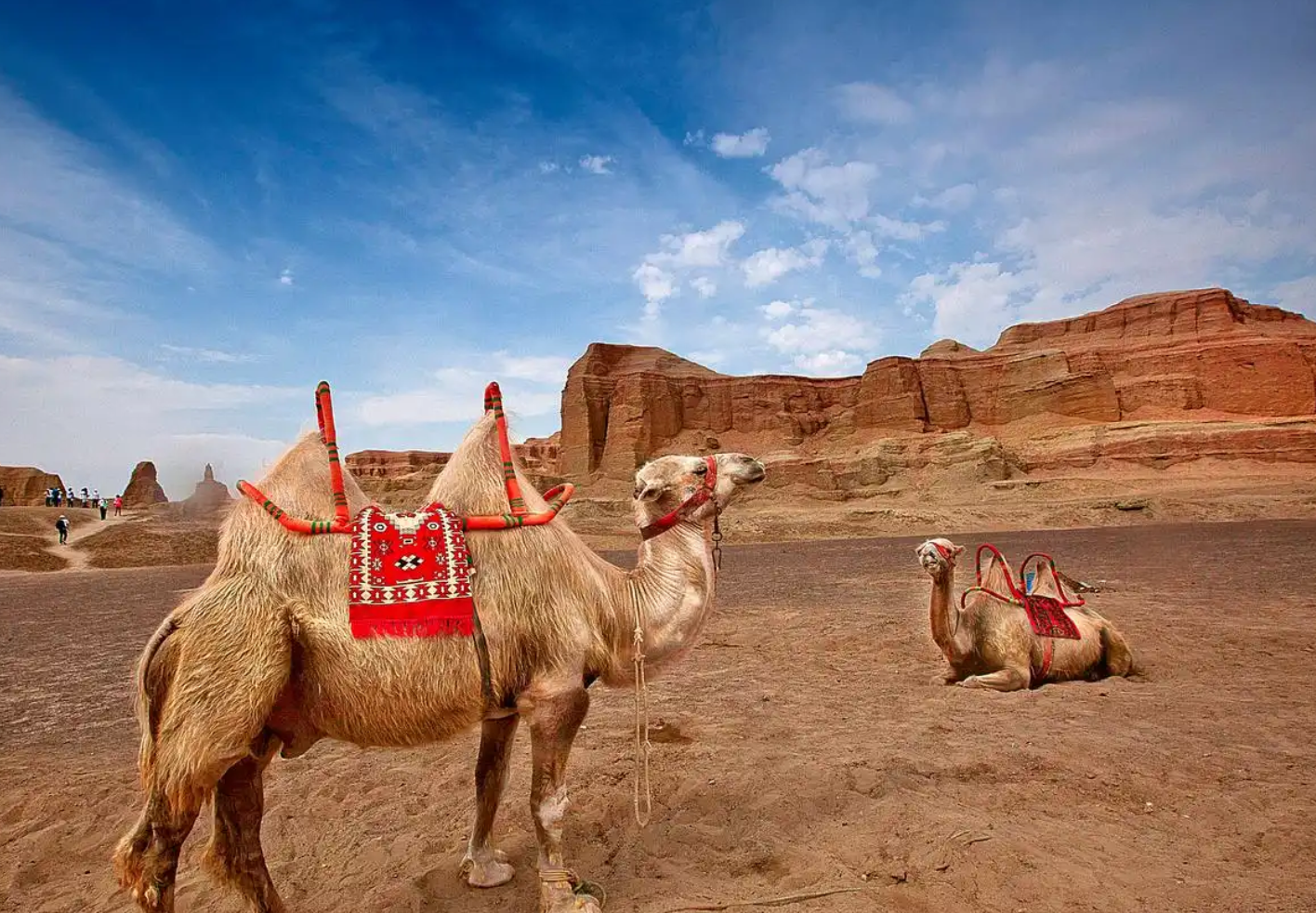
The centre of the action is a bare circle where a seller walks a sheep on a rope while a ring of men call out prices. There is no numbered paddle, no screen. Someone claps twice, a price is shouted, a wad of cash changes hands, and the sheep is dragged off by the back legs. We watched a Kyrgyz herder lead two Bactrian camels through the gate at nine, both kneeling on command, and sell them inside twenty minutes for a sum he counted twice before pocketing. That kind of calm competence is the part no photo captures.
Between the pens, food vendors run on propane and coal. We paid three yuan for a cup of milk tea and five for a still-warm naan, then shared a plate of mutton kebabs that had been skewered minutes earlier. By eleven the sun was hard, the dust had settled into our socks, and the lot was already thinning. We left knowing we had seen the real thing.
Getting to the Kashgar Livestock Market
The market is not on a tourist shuttle route. Ride apps will often refuse the trip or drop you short, because the lot sits past the last reliable landmark on the airport road. The dependable move is to hire a car and driver for a half day through your hotel; in 2024 that ran about 150 to 200 yuan and let us set our own departure time. If you are mapping it yourself, it is northwest of the city on the road toward Shufu, and the Kashgar airport sits close enough that some drivers route past it.
For the wider picture on rail, road and air into the region, our guide to reaching Xinjiang covers the long-haul side, including the flights that land you in Kashgar the night before market day. Build your Sunday around an early arrival and you will beat both the heat and the sold-out pens.
Best Time to Visit the Kashgar Livestock Market
The market is Sunday only, so your first choice is which Sunday. Spring (April to early June) and autumn (September to October) are the comfortable windows: cool mornings, clear light, and the animals at their healthiest after the grazing season. We went once in late July and the noon heat pushed the whole trade two hours earlier, so we nearly missed it.
Within the day, timing matters more than the season. Arrive by eight thirty. The pens fill through nine, the auction circle peaks around ten, and by one the lot is largely empty, swept and locked. Winter visits are colder but quieter and wonderfully atmospheric if you dress for it; just confirm the day has not shifted around a holiday before you set the alarm.
Where to Stay
Sleep in Kashgar, not out at the market. The old city of Kashgar puts you among the mud-brick lanes, the mosques and the night food stalls, and most hotels there can arrange a market driver at short notice. Budget travellers will find hostels and courtyard guesthouses a short walk from Id Kah Mosque; mid-range hotels cluster near the city ring road with easier car access at dawn. Book the driver the night before, because at six in the morning the desk is thinly staffed.
What to Eat at and Near the Market
Inside the lot, eat simply and eat early. The kebab stalls, naan ovens and milk-tea pots open before the animals do, and the meat is as fresh as it gets. Bring small cash; the vendors do not run card readers and the nearest ATM is back in the city. Back in Kashgar, round out the day with samsa from a roadside oven, hand-pulled laghman, and qurook (fried dough) from a cart. If you want a fuller food plan, our souvenir and food guide lists what is worth carrying home.
Practical Tips Before You Go
A few things we learned the hard way:
- Cash in small bills. Ten and twenty yuan notes move fastest at the food stalls and for the occasional photo tip.
- Closed shoes and a mask. The lot is dust and straw. A lightweight mask saved our lungs on the windy visits.
- Sun protection. There is no shade. Hat, sunglasses and cream, even in spring.
- Ask before you photograph people. A smile and a gesture works; offer five to ten yuan if you take a close portrait of a herder. It is appreciated and expected.
- Do not touch the animals. They are someone’s livestock and someone’s income. Watch the teeth-checking from a step back.
- Mind your wallet. Big crowds, easy distraction. Keep it front-pocket.
- Haggle with respect. If you buy anything, the same rules from our piece on how bargaining works at a Xinjiang bazaar apply: friendly, patient, and never performative.
A Half-Day Itinerary
This is the loop we now recommend to friends:
- 06:30 – Leave your Kashgar hotel with a hired driver.
- 07:15 – Arrive as the pens open; walk the outer rings of sheep and goats first.
- 08:30 – Position at the auction circle for the peak trading.
- 09:30 – Head to the camel and horse pens at the far end.
- 10:30 – Breakfast at the stalls: kebabs, naan, milk tea.
- 11:30 – Drive back toward the city, with a stop in Yengisar, the knife-making town 15 km west, if your driver has time.
- 13:00 – Back in the old city for a slower afternoon among the lanes.
Frequently Asked Questions
Is the Kashgar livestock market real or staged for tourists?
Real. It is a working wholesale animal market that locals rely on. Tourists are welcome but are a small part of the crowd.
How much does it cost to enter?
Walking in is free. A vehicle may pay a small lot or parking fee. There is no ticket booth for people.
Can I actually buy an animal?
Yes, if you have a way to transport and care for it. Most visitors watch and photograph; buying a sheep you cannot ship home is a story, not a plan.
Is it safe?
The market is busy and orderly. The main risks are pickpockets in the crowd and the dust and sun, not the animals or the people.
When exactly is it held?
Every Sunday. If a public holiday falls on a weekday, check locally, as the schedule can shift.
Disclaimer
The details above come from our own visits in 2024 and follow-up notes since, but opening hours, fees, road access and the market’s exact location can change. Confirm the current day and direction with your hotel or the Kashgar tourism desk before you go. This article is for trip planning only and is not official advice. Respect local customs, ask before photographing people, and trade at your own judgement.
About the Author
The Xinjiang Attractions Editorial Team is a small group of travel writers who have spent a combined several months across the region, from the Pamir Plateau to the Ili Valley. We visit the places we write about, keep our notes from the ground, and update guides when schedules or roads change. When we say arrive by eight, it is because we once did not.