Published: August 18, 2026 | Author: Karl Huang
Most people who fly into Kashgar never hear of Mor Pagoda. I almost didn’t. On my second trip to the city I asked a local guide what he’d show someone who had already walked the Id Kah Mosque and the old town wall to wall, and he shrugged and said “go north, past the orchards, there’s a stupa in the sand.” That offhand tip is why I now tell every serious Mor Pagoda Kashgar searcher the same thing: this is not a polished museum. It is a wind-scoured Buddhist ruin at the edge of the desert, and that is exactly why it earns the drive.
I wrote this guide from notes taken on the ground — the ticket desk, the slow walk out to the two stupas, the heat, the complete lack of shade, the strange quiet of standing where monks chanted more than a thousand years ago. Where I am guessing or where things shift season to season, I say so. Read the practical numbers below as a starting point and confirm the current details with your hotel before you leave.
What Mor Pagoda Actually Is
Mor Pagoda (莫尔寺遗址, sometimes written Mo’er Temple or Mor Stupa) is the remains of a Buddhist monastery that stood on the southern Silk Road from roughly the 3rd to the 10th century, when this part of the Tarim Basin was still Buddhist and long before the region’s faith turned elsewhere. Two structures survive well enough to read clearly. The first is a round stupa built from sun-dried brick and packed mud, perhaps twelve or thirteen meters tall, sitting on a low square base. The second is a square, tower-like stupa a short walk to the side. Between them you can still pick out the low rectangles of monk cells and a faint perimeter wall, though most of the complex has melted back into the earth.
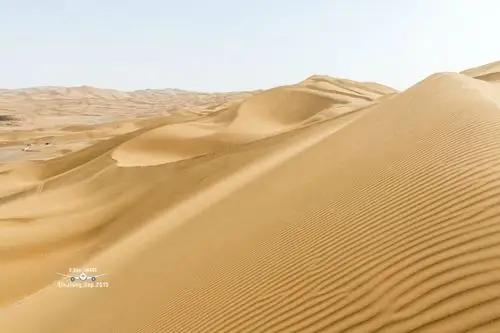
What caught me was not the scale — these are not monuments on the order of Bamiyan — but the setting. You stand in open scrubland with the Pamir foothills a soft smudge on the horizon, and you realize this was a working temple when Kashgar was already a crossroads of languages, caravans, and belief. The site is protected and fenced, with a small guard post and a ticket window, but do not expect railings, English signs, or a gift shop. None of that exists. Unlike the painted caves at Bezeklik or Kizil farther east, Mor Pagoda shows you the bones of the religion rather than its art: raw construction, exposed to weather, left mostly as the desert dropped it.
Our Visit: A Morning at the Stupa
We left Kashgar at about 8:30 in the morning in a hired car. The road runs northeast through farmland first — apricot orchards, then melon fields, then the green simply stops and the grey desert takes over. The turnoff is easy to miss; our driver, who had done the trip before, slowed at a dirt track with a faded marker, and from there it was another ten minutes of careful driving on hardpack.
The light that early was flat and kind, which matters more than you might think if you plan to photograph the place. By eleven the sun was already hard and the round stupa threw almost no shadow. We had the whole site to ourselves for the full hour we stayed. A caretaker waved us through the gate and pointed, without words, at the path. No tour group, no noise except wind moving through the dry grass.
I had brought two liters of water per person and finished most of it. There is no shade at the site itself — the stupas stand open, the ground reflects heat, and the only tree is a lone poplar by the guard post. If you go any time after June, go early or wait for October. I also wished I had brought a small cloth to wipe the brick dust off my shoes before getting back in the car; the loose surface gets everywhere.
How to Get to Mor Pagoda
There is no public bus that drops you at the gate, and the last stretch of road is unmarked, so plan the return as carefully as the outbound. Realistically you have three options, and I have tried two of them.
| Option | Time from Kashgar | Cost (rough) | Notes |
|---|---|---|---|
| Hire a car with driver | 45–60 min each way | ¥200–300 | Easiest. Ask the hotel to arrange it; the driver waits and knows the turnoff. |
| Ride app to the turnoff | 40 min | ¥60–90 | May refuse the final dirt track; you walk or renegotiate on the spot. |
| Self-drive | 45 min | Fuel only | Paved road until the last ~2 km of unpaved track; fine in a normal car when dry. |
If you are building a southern Silk Road route, pair this with a day in the old town — our Kashgar city guide covers where to start and what sits within walking distance. The Silk Road history timeline also helps put the stupa in context, because Mor was one of several Buddhist sites around Kashgar before the area’s faith shifted. And if you want a second ancient stop on the same morning, the Apak Khoja Mausoleum sits on the city’s east side and opens early.
The Best Time to Visit
Spring (April to May) and autumn (September to October) are the only windows I would personally recommend. Summer in Kashgar can sit above 35°C and the site has no shelter, so midday visits are miserable and, for older travelers, risky. I went in late September and would repeat it without hesitation: cool mornings, clear light, and almost no other visitors.
Break it down by month and the pattern is clear. April and May bring apricot blossom in the orchards on the drive out, which is a bonus you do not get later. June through August is simply too hot for the open ground; if you must travel then, arrive at the gate before 9 a.m. September and October are ideal. November turns cold fast, and while winter gives you crisp, clean photographs and total solitude, some access roads ice over after Pamir snow and the ticket office keeps short hours. I would not plan a winter trip around this site alone.
Where to Stay
Sleep in Kashgar, not near the site — there is no lodging out at the stupa and no reason to be that far from dinner. The city now covers the full range. Restored homestays inside the old town have wooden courtyards, a decent breakfast, and put you a five-minute walk from Id Kah; international-chain hotels by People’s Square have reliable heating and English-speaking desks if that matters to you. We stayed in the old town and liked being able to step out at 7 a.m. before the streets filled. Book ahead during the October holiday period, when rooms tighten and prices climb.
What to Eat Nearby
You will eat in Kashgar, before or after the drive. Two things are worth the detour. Kuche — roast pigeon, a Kashgar specialty done better here than anywhere else I tried in the region — and laghman, the hand-pulled noodles with a tomato-and-meat sauce. The Sunday market is also where you see the raw ingredients — live sheep, dried apricots, the nuts — that end up on your plate, and it pairs naturally with a morning at the stupa if you time it right. For a quieter religious-history angle while you are in town, the Id Kah Mosque guide explains the etiquette before you step inside.
Practical Tips Before You Go
- Bring more water than you think. Two liters per person, minimum, outside of winter.
- Wear closed shoes. The ground is loose sand and broken brick; sandals are a mistake.
- Carry your passport. Site entry and occasional road checks both ask for it.
- Download offline maps before you leave the city. Signal drops on the final stretch.
- Go with a driver who knows the turnoff, or budget extra time to get lost on the farm tracks.
- There are no toilets at the site. Use the facilities in Kashgar before you set out.
A Half-Day Itinerary from Kashgar
This is the loop we actually ran, and it filled a relaxed morning without rushing:
- 7:30 — Leave the old town by car; grab warm naan from a street oven on the way out.
- 8:30 — Arrive at Mor Pagoda, walk both stupas, spend a full hour, no crowds.
- 10:00 — Drive back and stop at the Apak Khoja Mausoleum on the east side (it is on the return route and opens early).
- 12:00 — Late breakfast of roast pigeon and noodles back in the old town.
Frequently Asked Questions
Is Mor Pagoda worth it if I only have two days in Kashgar?
If you have already covered the old town, the mosque, and the Sunday market, yes — it is the one genuinely ancient site within easy reach and it stays quiet. If this is your first visit and time is tight, do the city first.
Can I visit without a guide or driver?
Technically you can ride-hail to the area, but the last two kilometers are unmarked dirt and you will waste time. A driver who knows the spot costs little and removes the stress.
How long does the site take?
An hour is enough to see both stupas and walk the grounds. Budget two hours round-trip from Kashgar once travel is included.
Is it accessible for older travelers?
The ground is uneven sand with no pavement. Someone with mobility limits can see the near stupa from the gate, but the full walk is not wheelchair-friendly.
Is there an entry fee?
There is a ticket window and a small charge, but the amount changes, so confirm the current price with your hotel rather than trusting any number you read online, including mine.
Disclaimer
This guide reflects a single visit in late September 2026. Conditions at sites across this region change — opening hours, ticket prices, and even road access shift with the season and with local management. The numbers above are approximate and meant as planning aids, not guarantees. Confirm the current ticket price and access with your hotel or the Kashgar tourist service before you set out, and follow any instruction from site staff on the day. I am a traveler writing for other travelers, not an official source, and I have no affiliation with the site or its operators.
About the Author
Karl Huang has spent four seasons traveling Xinjiang by train, hired car, and on foot, with a focus on the less-visited Silk Road sites between Kashgar and the Pamirs. He writes practical, first-hand guides for Xinjiang Attractions and checks every fact against his own notes from the road. Corrections from fellow travelers are always welcome.