Published: August 21, 2026 | Author: Karl Huang
Why you can trust this guide
Most travel blogs treat Aral as a dot on the map between bigger names. We spent four days there in late October, driving in from Aksu and out across the desert toward Hotan, and what we learned does not fit the usual “off the beaten path” clichés. Aral is a working city built by the Xinjiang Production and Construction Corps on reclaimed land beside the Tarim River. This guide is based on that trip, on conversations with locals at the riverside bazaar, and on information from the city and regional tourism offices. Where we are unsure about a figure, we say so instead of guessing.
Aral City at a glance
| Item | Detail |
|---|---|
| Region | Tarim Basin, southern Xinjiang (Aksu Prefecture) |
| Administered by | Xinjiang Production and Construction Corps, 1st Division |
| City status | Granted in 2002, one of Xinjiang’s youngest cities |
| Nearest airport | Aksu Airport (AKU), about 120 km north |
| Elevation | Roughly 1,000 m above sea level |
| Best season | April to May, and September to October |
| Known for | Tarim River poplar forests, desert highways, red jujube |
What it actually feels like to arrive in Aral
We rolled into Aral around dusk after a long drive down from Aksu. The first thing that struck us was not a monument but the grid: wide, straight streets laid out by people who planned a city from scratch rather than grew one. The air carried the smell of roasted chili and dry cotton fields. Locals call the place Alar, a name that in the local Turkic languages points to a place surrounded by water or a river confluence, and you understand why once you reach the Tarim River on the city’s edge.
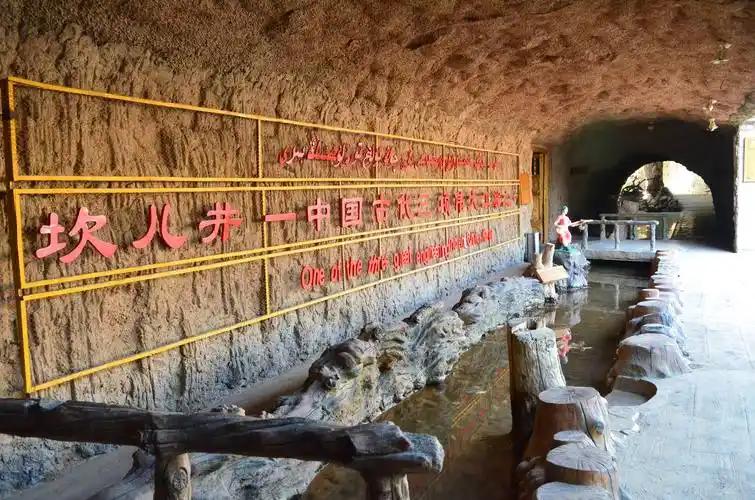
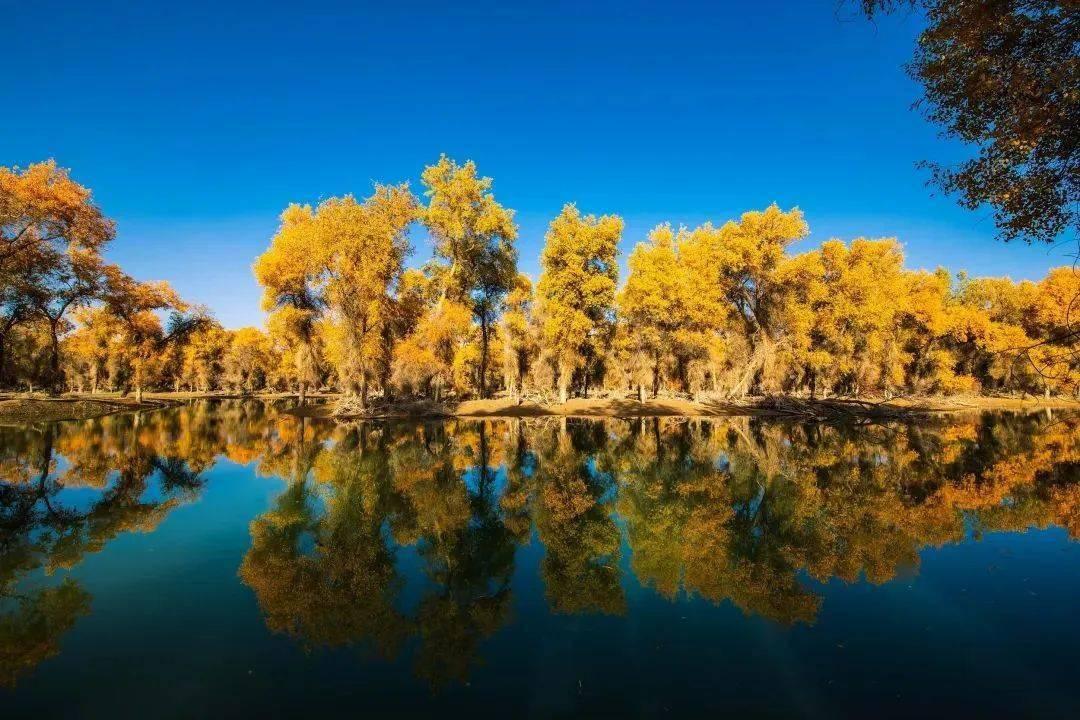
The Tarim is China’s longest inland river, and near Aral it is fed by the meeting of the Aksu, Yarkand and Hotan rivers. We walked the riverside the next morning and found a band of old poplar trees, their leaves already turning. That single grove explains more about the region than any brochure. The city also keeps the 359 Brigade reclamation memorial, which tells the story of how the Corps turned wilderness into farmland. We went in expecting propaganda and left with a real sense of how recent and deliberate this place is.
How to get to Aral
The practical gateway is Korla, the regional capital two hours north by road, but most visitors fly into Aksu Airport and hire a car or take a bus south. We flew to AKU, picked up a rental at the airport, and reached Aral in about 90 minutes on good pavement. A railway now links Aksu and Aral as well, which we did not ride but watched load freight cotton at the station.
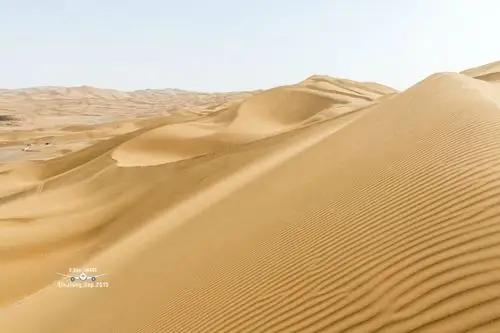
The drive that made the trip for us was the Tarim Desert Highway. Aral sits at the northern mouth of the Aral–Hotan desert road, a roughly 420 km crossing of the Taklamakan that opened in 2007. You do not need a 4×4 for the paved section, but you do need a full fuel tank and water. We treated it as a day expedition, not a casual jaunt.
The best time to visit
Skip the depth of summer. The Tarim Basin cooks, and we saw roadside thermometers past 40°C on a June visit to the region a different year. Late September and October are the sweet spot: the poplars along the river go gold, the jujube harvest is on, and the light is flat and photographic. Spring, especially April and May, is mild and green if you catch the irrigation flows; we covered the shoulder season in our Xinjiang in May notes. If poplar color is your goal, time it to the first cold snap of October and check with a local before committing, because the window moves with the weather.
Where to stay
Aral is a small city, so the hotel map is compact. We stayed at a mid-range chain on the main boulevard for about 320 RMB a night, clean and warm, with breakfast built around naan and tea. Budget guesthouses run under 200 RMB and business hotels climb past 400. Book ahead only during the October poplar rush and the National Day week, when rooms tighten. Everything you need is within a short taxi ride, and taxis here are cheap and metered.
What to eat in Aral
The city eats like the agricultural base it is. Red jujube (gray jujube) is the local pride, sold by the kilo at the bazaar, and we ate walnuts and Aksu apples that tasted of cold mountain water. For hot food, laghman and naan are everywhere, and the Corps canteens serve hearty noodle and potato dishes at low prices. If you want to order without Mandarin, our guide to ordering food in Xinjiang walks through the phrases that actually worked for us. One tip we wish we had known: the bazaar near the river closes early, so eat before sunset.
Practical tips for the Tarim edge
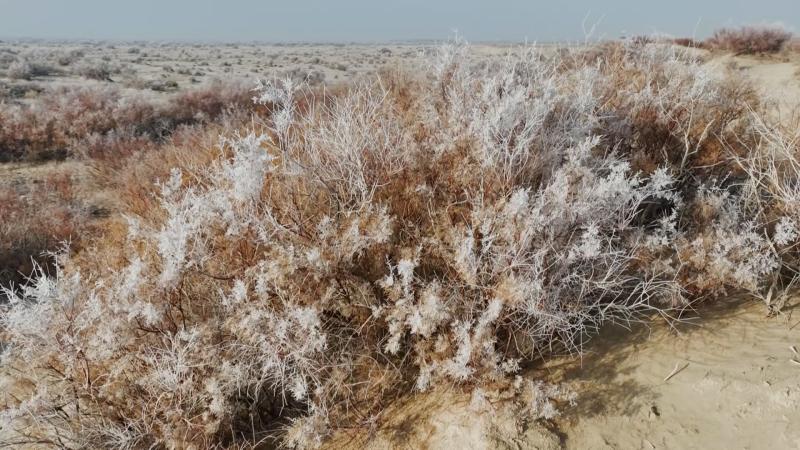
Bring more water than you think you need. The dry air and strong sun took us by surprise even in October, and a day on the desert highway multiplies the math. Fuel up in the city before any crossing. Carry some cash for the smaller bazaar stalls, because card readers fail out here. No special permit is required to visit Aral or to drive the paved desert road, but the weather and road condition notices change, so ask at your hotel the morning you leave. A trip to the Yuli poplar forests can be paired with Aral if you are already in the area and want more river-side woodland without backtracking north.
A 3-day sample itinerary
Day 1. Fly into Aksu, drive to Aral, check in, and spend the evening at the riverside bazaar. Eat naan and grilled meat, buy jujube for the road.
Day 2. Morning at the 359 Brigade memorial, then a slow walk along the Tarim poplar groves. Afternoon drive to the northern mouth of the desert highway for photos at the dunes, back for an early dinner.
Day 3. Choose your exit. We drove the Aral–Hotan desert road as far as we were comfortable before turning back, then returned to Aksu. If you prefer paved comfort, loop back to Korla and connect onward.
Frequently asked questions
Is Aral worth visiting? If you want famous sights, probably not. If you want to understand how southern Xinjiang actually works, the river, the reclamation story, and the desert road, it earns a stop.
Do I need a permit? No permit for the city or the main desert highway. Remote desert tracks are a different matter, so ask locally first.
How many days? Two full days covers the city and the riverside; three lets you attempt the desert road calmly.
Can I cross the Taklamakan by car? Yes, on the paved Aral–Hotan road, with fuel and water. Do not freelance off the pavement without experience and a satellite phone.
What food should I not miss? Local red jujube, Aksu apples, and a riverside laghman breakfast.
Disclaimer
This article reflects our visit in late October and information available at publication. Prices, flight schedules, train times, and road conditions in Xinjiang change, and extreme weather can close desert routes without notice. Confirm all travel logistics with official sources, your hotel, or the carrier before you rely on them. We are not responsible for any loss, injury, or disruption arising from use of this guide. Respect local customs, carry identification as required by regional rules, and travel within your ability.
About the author
Karl Huang is a travel writer focused on Xinjiang and western China. He has driven and ridden across the Tarim Basin, the Pamir, and the Tianshan over multiple trips, and writes practical, first-hand guides for independent travelers. He is not a licensed tour operator; the advice here comes from personal experience and public information.