Published: August 15, 2026 | Author: Karl Huang
When people picture Xinjiang’s Muslim communities, the blue dome of Id Kah in Kashgar or a Kazakh yurt on the grassland usually comes to mind. We spent years overlooking a third thread that runs through nearly every town in the region: the Hui (回族), Chinese-speaking Muslims whose noodle pullers, halal diners and green-roofed mosques form part of the daily backdrop. Understanding Xinjiang Hui culture changes how you read a menu here, and how you walk into a Friday prayer. This is a travel account built from our own visits, not a textbook, and we have kept the practical bits you actually need on the road.
Quick Reference
| Item | What to know |
|---|---|
| Who they are | Hui, a Mandarin-speaking Muslim ethnic group descended from Silk Road traders and local converts |
| Where in Xinjiang | Urumqi, Changji, Ili valley towns, and pockets of Kashgar and Shihezi |
| Language | Mandarin Chinese (no separate ethnic language) |
| Religion | Sunni Islam; halal (清真) dietary law observed strictly |
| Signature foods | Hand-pulled beef noodles, nang, three-cannon tea, fentang, youxiang |
| Best time to meet locals | Year-round; festivals follow the Islamic lunar calendar (Eid al-Fitr, Eid al-Adha) |
Understanding Xinjiang Hui Culture
The Hui are easy to misunderstand because they look, dress and speak like their Han neighbours. The line that separates them is faith and the kitchen. Hui trace their roots to Persian and Arab merchants who settled along the Silk Road more than a thousand years ago, then married into local families. Over centuries they became culturally Chinese while keeping Islam. In Xinjiang they number close to a million and are the Muslim group you are most likely to chat with in Mandarin.
That mix shows up in their buildings. Walk into a Hui mosque and you may think you have entered a Chinese temple: timber halls with swept, green-tiled roofs, carved beams, and a courtyard layout. It is a different visual language from the Central Asian domes of Uyghur mosques. Both are Muslim, but the architecture tells you which community built it.
What We Found in Urumqi
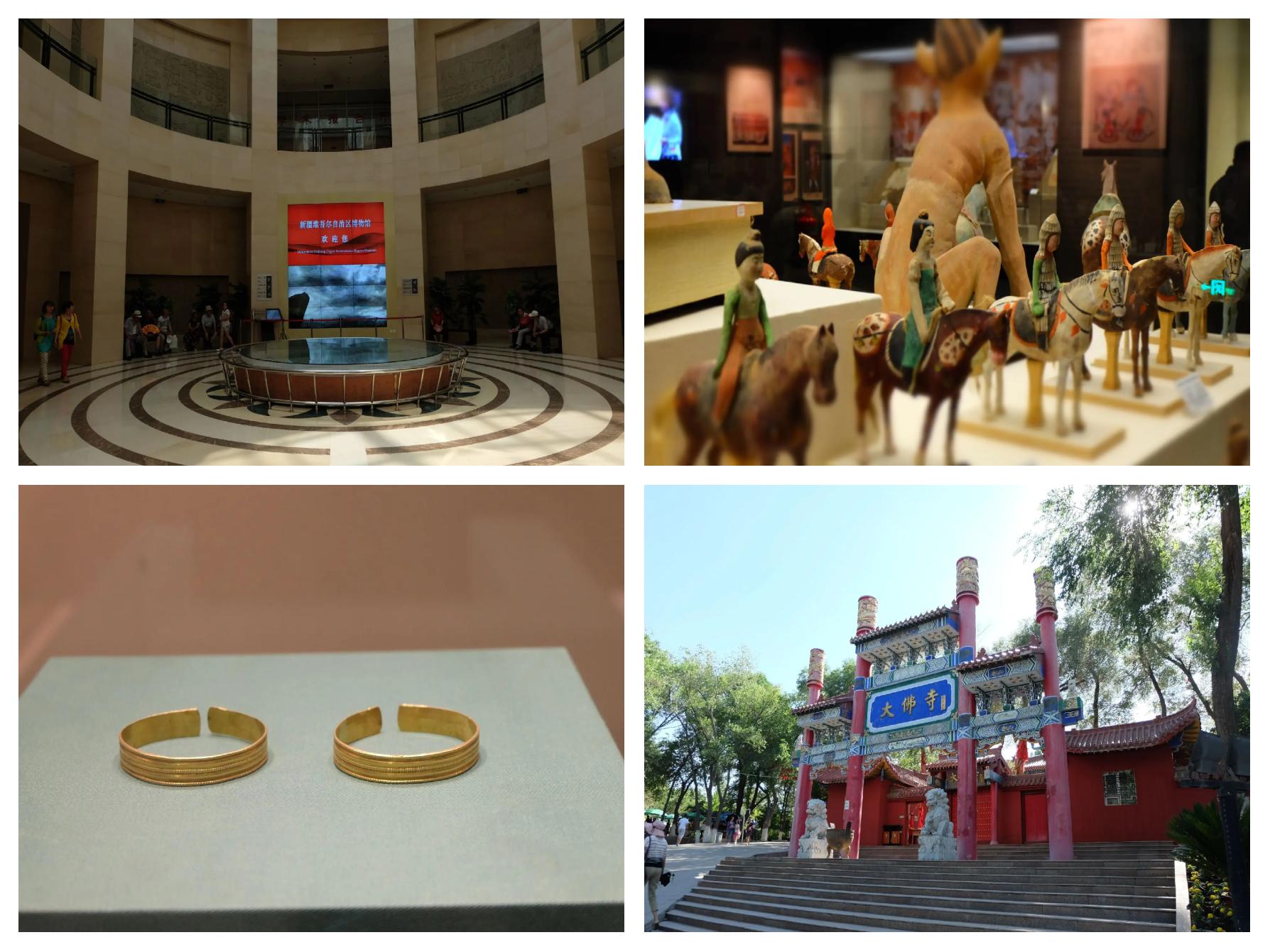
We based ourselves in Urumqi and headed straight for the Erdaoqiao (二道桥) district, the old Muslim quarter south of the city center. The Shaanxi Great Mosque (陕西大寺) sits here, one of the oldest and largest Hui mosques in the city. Its prayer hall is built like a Qing-dynasty wooden pavilion rather than a dome, and the smell of lamb skewers from the surrounding stalls drifts into the courtyard. We timed our first visit for a Thursday evening and watched worshippers arrive on foot from the surrounding blocks; the call to prayer was soft, almost private, nothing like the loudspeakers I had braced for.
A few streets north, the Hantengri Mosque near the International Bazaar draws bigger Friday crowds. We joined the edge of the courtyard, kept quiet, and left before the sermon peaked. Nobody stopped us, but the etiquette matters: shoes off, phone down, no photos of people at prayer. If you want the rules spelled out, our guide to Islam in daily life in Xinjiang covers the do’s and don’ts in more depth.
How the Hui Shaped Xinjiang’s Food
If you eat noodles in Xinjiang, a Hui cook probably made them. The Hui run a large share of the region’s halal diners, and hand-pulled beef noodle soup (牛肉拉面) is their signature. We stood at the counter of a tiny shop near the Hongshan bus hub and watched the chef fold, stretch and snap a single strand of dough into a thin rope of noodles in under a minute. Order “er xi, xi, xi” and you will get a narrower cut; most staff understand the shorthand.
The halal rule is strict and visible. Look for the 清真 character on the door. Inside, you will not find pork or alcohol, and you should not bring either in. That made planning easy for us as non-Muslim travellers: every Hui place was a safe, delicious bet when we were unsure about a kitchen.
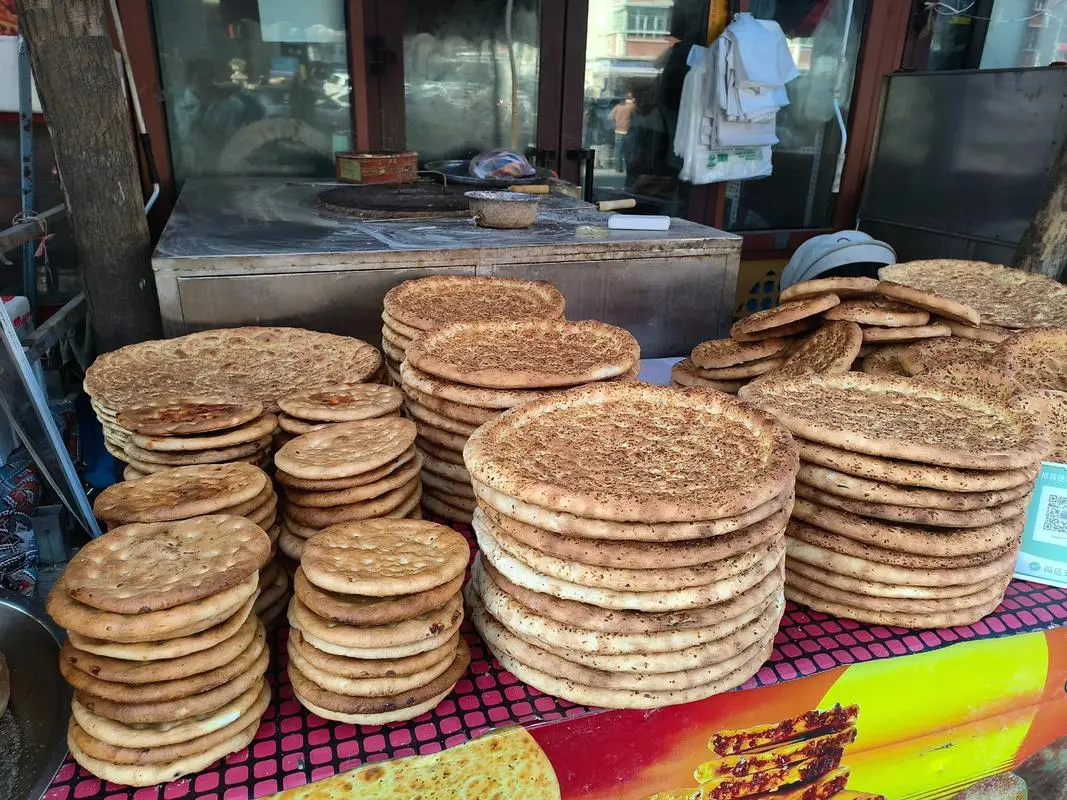
Beyond noodles, a few dishes are worth seeking out. Fentang (粉汤) is a Hui specialty, a clear mutton broth with handmade vermicelli and radish, served at weddings and on cold days. Youxiang (油香) are fried dough discs for festivals, and sanzi (馓子) are crisp fried strands given at Eid. Our favourite discovery was three-cannon tea (三炮台): a gaiwan of green tea with rock sugar, jujube, goji and dried longan, poured repeatedly and shared for an hour. It is the Hui version of a long conversation. For a wider look at the region’s staples, see our piece on Xinjiang big plate chicken and the local breakfast table.
One night in Changji we followed a neighbour’s tip to a courtyard kitchen where a grandmother rolled youxiang at an iron wok while her grandson stacked sanzi for the next morning’s Eid delivery. They waved us to a bench, poured three-cannon tea, and let us watch without a hint of a sales pitch. That half hour taught us more about Hui hospitality than any museum panel. The food here is not a show; it is simply how a family feeds whoever happens to walk in.
Getting to the Hui Quarters
Urumqi is the hub. Diwopu International Airport has direct flights from most major Chinese cities, and the high-speed rail links Lanzhou, Xi’an and Turpan. The Hui areas sit inside the city, so a taxi or the metro gets you to Erdaoqiao in twenty minutes from the center. Changji, a Hui-dense county-level city, is about 35 km west; a regional train or bus takes under an hour, and the old town there is calmer than Urumqi’s. We treated Changji as a half-day side trip and wished we had budgeted a full one.
Best Time to Go
Hui life runs on the Islamic lunar calendar, so the big gatherings shift about eleven days earlier each year. Eid al-Fitr (开斋节) ends the Ramadan fast; Eid al-Adha (古尔邦节, Corban) is the larger one, with communal meals and open mosque courtyards. If you want to catch the food at its most generous, aim for those weeks, but call ahead because some shops close on the first day of the festival. Outside the holidays, May to October is the comfortable season for walking the quarters. Winter is cold and quiet, with fewer stalls but a better chance to sit down with locals over tea.
Where to Stay
Urumqi has the full range, from international hotels near the People’s Square to smaller halal-certified guesthouses around Erdaoqiao. We stayed two nights in a family-run inn a block from the bazaar; the owner left warm milk tea at our door each morning. In Changji, a county hotel or a booked minsu (homestay) keeps you close to the morning noodle trade. Book the bigger names through the usual platforms, and confirm “halal breakfast” if that matters to you.
Tips That Saved Us Trouble
- Carry small cash. Many noodle shops and tea houses are cash or local-payment only.
- Ask before photographing people, especially near a mosque. The nang pit roast tradition is fair game to shoot, but worshippers are not.
- Learn two words: qingzhen (halal) and salaam (a greeting). Both open doors.
- Friday midday is busy at every mosque. Go early or late if you only want to look around.
- Dress with covered shoulders and knees when you step into a prayer hall.
A Simple Two-Day Sketch
Day 1: Land in Urumqi, drop bags, walk Erdaoqiao, visit the Shaanxi Great Mosque courtyard, dinner on beef noodle soup. Day 2: Morning three-cannon tea at a Hui tea house, bus to Changji for the old town and a fentang lunch, back to Urumqi for a Hantengri Mosque walk at dusk. It is light, walkable, and cheap.
FAQ
Are the Hui the same as the Uyghur? No. Both are Muslim, but the Hui speak Mandarin and share Han Chinese culture apart from religion and diet, while Uyghurs speak a Turkic language and have a distinct Central Asian heritage.
Can non-Muslims eat at Hui restaurants? Yes. Hui halal diners welcome everyone; just respect the no-pork, no-alcohol rule and you will be fed well.
May tourists enter a Hui mosque? Often the courtyard, yes, outside prayer times. The prayer hall is for worshippers; ask and step back if unsure.
What is the one dish to try? Hand-pulled beef noodle soup. It is the clearest taste of Hui craft in the region.
Do I need to speak Chinese? Helpful, not required. Pointing at the pot and smiling got us fed in every town.
Disclaimer
This article is a travel account, not a religious or scholarly source. Mosque visiting hours, festival dates and shop closures change, and some sites limit tourist entry during prayers or holidays. Confirm times with your hotel or the venue before you go, and follow local customs and any posted rules on the day. Food and price details reflect our visits and may shift.
About the Author
Karl Huang is a travel writer focused on Xinjiang and the wider Silk Road. He has spent several seasons on the road across the region, from the Ili valleys to the Taklamakan edge, and writes practical, first-hand guides for independent travellers. He can be reached through the Xinjiang Attractions editorial desk.