Published: August 15, 2026 | Author: Karl Huang
Most travel writing about Xinjiang food starts and ends at the grill. That misses the meal which actually shapes the day here. A real Xinjiang breakfast is quiet, early, and built around bread pulled hot from a clay oven. Between 2023 and 2025 our team ate morning meals in Urumqi residential blocks, Kashgar old-town lanes, and Ili villages, usually before the streets filled up. This guide comes from those mornings, not from a restaurant press kit. Where we mention prices or hours, read them as what we paid and saw, not a promise.
What a Xinjiang breakfast looks like
The center of the table is almost always naan, the round flatbread baked in a tandir (the domed oven you will see on every corner). Alongside it comes samsa, a meat or vegetable pastry cooked stuck to the oven wall, and a bowl of milky tea. In the north, around Yining and Tacheng, Russian and Kazakh habits add butter, honey, jam and fresh cheese. In the south, around Kashgar and Hotan, the plate is simpler: naan, tea, maybe a boiled egg, and sometimes leftover polo (pilaf) from the night before.
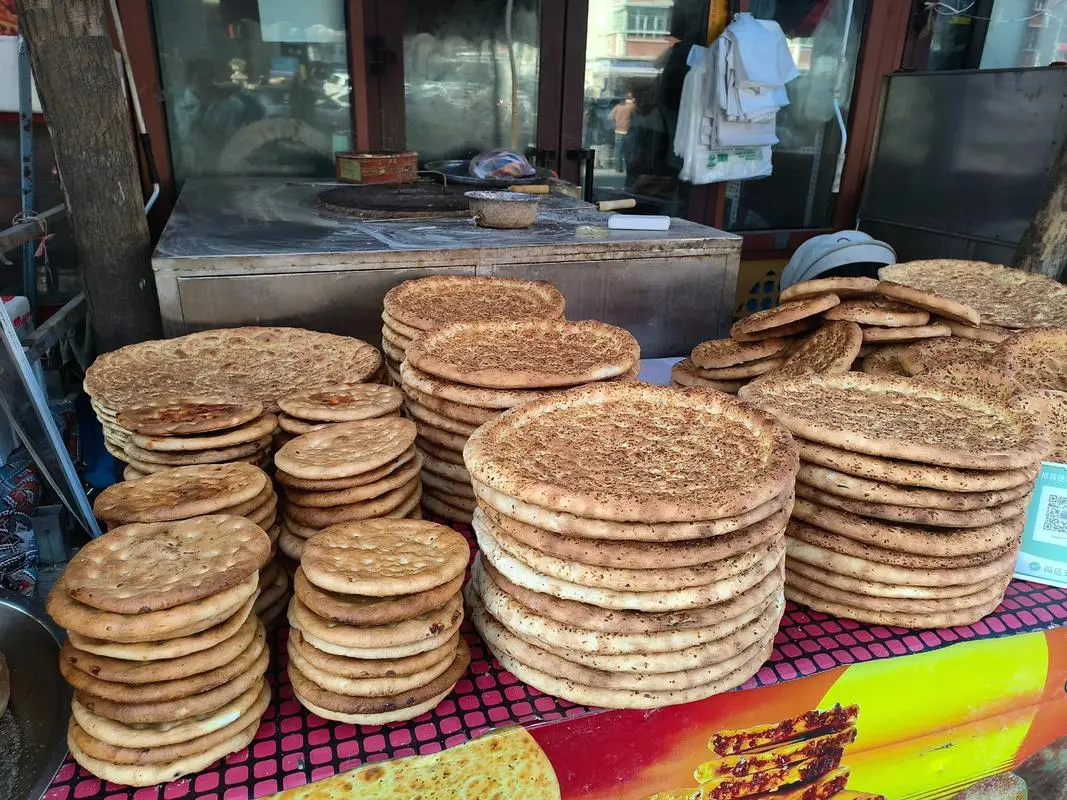
One thing that caught us off guard: breakfast is not always a sit-down affair. In many neighborhoods you buy your naan warm from the baker, your tea from a stall, and eat standing or walking. It is fast, cheap, and completely normal.
| Item | Local name | What it is | Typical price (RMB) |
|---|---|---|---|
| Flatbread | 馕 (naan) | Clay-oven baked round bread, plain or with onion or sesame | 2–5 |
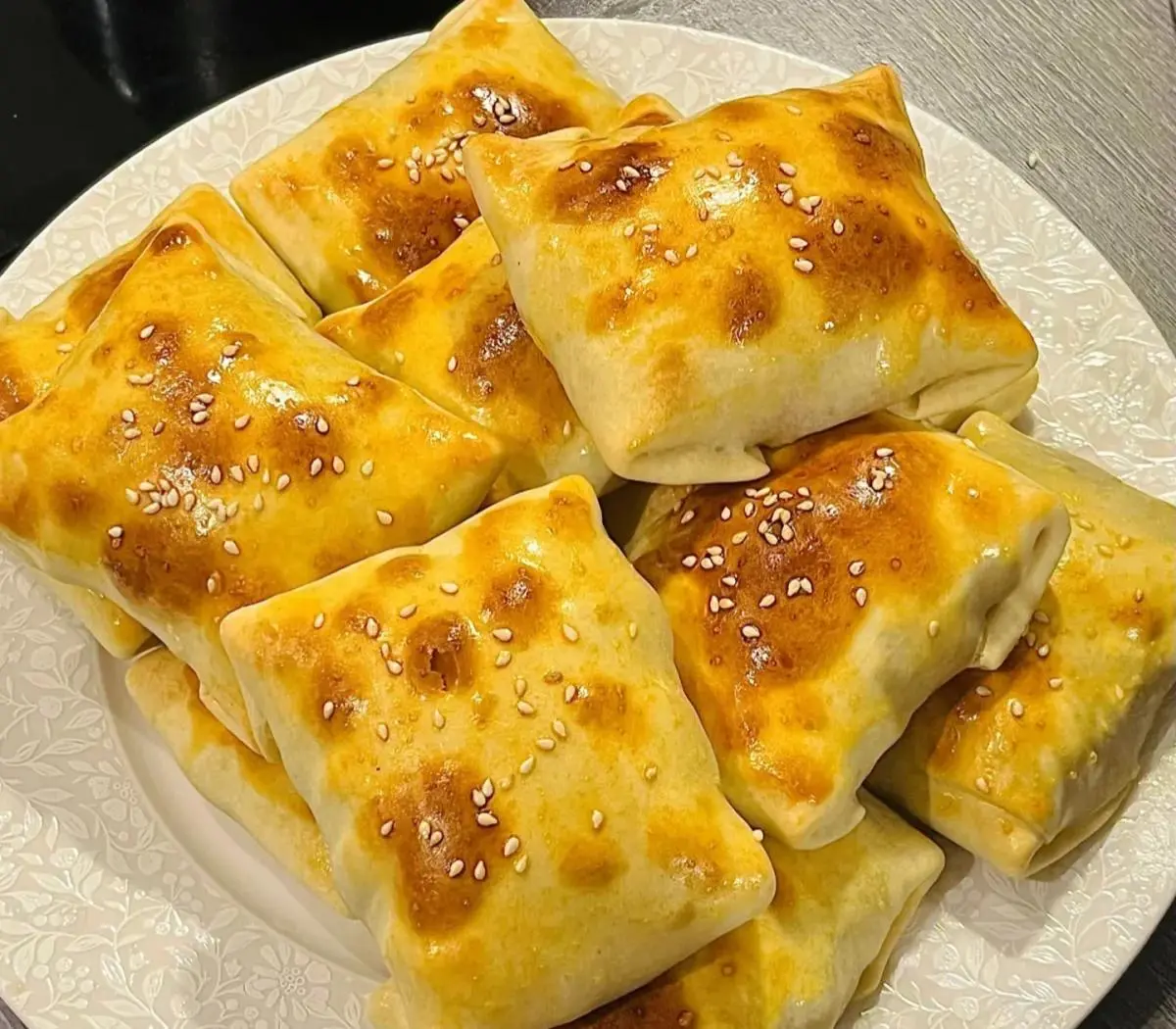
| Baked pastry | 烤包子 (samsa) | Meat or pumpkin filling, baked on the oven wall | 3–6 each |
| Tea | 奶茶 (milk tea) | Black or brick tea with milk and a little salt | 3–8 |
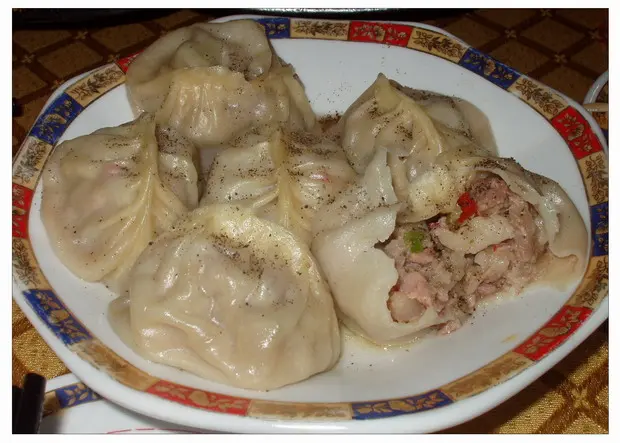
| Steamed bun | 薄皮包子 (manty) | Thin-skinned steamed dumpling with meat | 15–25 per portion |
| Boiled egg | 煮鸡蛋 | Standard, often from the tea stall | 2 |
| Yogurt | 酸奶 | Thick, plain, sometimes with nuts | 5–10 |
| Watermelon | 西瓜 | Summer only, eaten alongside the bread | seasonal |
Our mornings in a Kashgar neighborhood
We arrived in Kashgar’s old town at about 7:40 one October morning. The air was cold enough that we could see it. A few steps from the guesthouse, a baker was pulling naan off the tandir with a long metal hook, slapping each round onto a pile. The smell was plain and good: wheat, smoke, a little salt. We pointed at two, paid four yuan, and walked to a tea stall where an older man poured us milk tea from a dented thermos. He added a pinch of salt without asking. That cup cost three yuan and warmed our hands more than our mouths.
What we remember is not the food itself but the rhythm. By 9 a.m. the best naan was gone. The stall closed. People had gone to work. If you sleep late, you miss the version of breakfast that locals actually eat.
A winter morning in Yining felt different. The bakeries were smaller and the tea was heavier, with more milk. At one table a family pushed a plate of bread, butter and a jar of rose-hip jam toward us without a word. That Russian-border habit, honey and cream with bread, shows up all through the north and is worth seeking out if you like sweet mornings.
Getting to the breakfast spots
The good morning food is rarely in the tourist core. It is in the residential blocks a ten-minute walk from it. In Urumqi, the areas around the southern bus station and the older districts near Hongshan have bakeries that open before 7 a.m. In Kashgar, step just outside the renovated old town and follow where residents queue. Taxis and ride apps handle the first leg, but the last hundred meters are usually on foot. Morning markets (早市) run only until mid-morning, so plan to be out early. If you want the bigger picture of the city’s food halls, they open later and reward a separate visit.
Ask your guesthouse host the night before where they buy their own bread. We did this in Hotan and were sent to a bakery we would never have found alone, three lanes behind the main road, where the naan came out smaller and denser than in the north. Locals know which oven loads first, and that small detail is the difference between warm bread and yesterday’s. A two-minute conversation at reception beat any map app we tried.
Best time of year (and day) for breakfast
Any season works, but they taste different. In summer, watermelon appears on the table and tea is lighter. In winter, milk tea gets heavier and the bakeries become small warm rooms you do not want to leave. The time of day matters more than the month. Aim for 7:30 to 8:30 a.m. That window is when bread is freshest and the tea stalls are open. In smaller towns the window is even tighter, sometimes closing by 9.
Where to stay if breakfast matters to you
Pick lodging within walking distance of a working neighborhood, not a hotel island next to the highway. In Kashgar, guesthouses inside or next to the old town put you steps from the early bakeries. In Urumqi, stay south of the center near a real market. Waking up already among residents means you reach the tandir while it is still loaded, rather than after the good rounds are sold.
Dishes worth trying
Start with Xinjiang naan. There are dozens of shapes: the plain onan naan, the onion-flecked piyazliq, and the larger girde with a hole in the middle. Samsa comes with lamb, chicken, or pumpkin; the pumpkin version is the one vegetarians actually enjoy. In the north, ask for naren on festival mornings, wide noodles under boiled meat. Manty (薄皮包子) are steamed rather than baked and show up more in restaurant settings than on the street.
Do not skip the tea. Chai here is not the sweet milk tea of elsewhere; it is brick or black tea with milk and a small salt. It cuts the bread’s dryness and keeps you warm. In Ili we were given honey and thick cream with bread instead, a habit carried from across the border.
In Kashgar and the south, the default is salty milk tea, sometimes so pale it looks like weak coffee. Move north to Ili and the same cup turns richer, often sweetened with the honey we mentioned. In Urumqi you will also find plain black tea (红茶) at cafe-style spots that open later and cater to office workers. None of it is hard to like, but the salty version divides visitors, so try a small cup before committing to a full thermos.
If you see sangza (油馓子), thin fried strands of dough coiled into a nest, buy it. It keeps for days and makes a good travel snack, though it is more of a holiday item than an everyday one. Leftover polo from the previous evening also turns up at the breakfast table in some homes, reheated with a fried egg on top.
Practical tips for ordering
Most breakfast stalls take cash or phone payment, but small bakeries in remote towns may only take cash, so carry some. All Uyghur and Hui food here is halal; our halal food in Xinjiang guide explains the signs to look for. A few words help: naan (bread), chai (tea), bir (one), qimay (meat). Pointing at what the person in front of you is eating works just as well. Eat what you take, and if you are offered tea by a family, accept it; refusing reads as rude.
Breakfast is only the first meal. Later in the day you will meet laghman noodles at lunch and Xinjiang kebab on the evening grill, both from the same food culture that starts at dawn.
A sample breakfast day
07:30 — Leave the guesthouse, walk to the nearest tandir bakery.
07:45 — Buy two naan and a pumpkin samsa, still hot.
08:00 — Sit at a tea stall, order milk tea, add a boiled egg.
08:30 — Walk the morning market while it is busy.
09:15 — Head back before the best bread sells out.
10:00 — Start the day’s sightseeing on a full stomach.
Frequently asked questions
Is Xinjiang breakfast spicy?
No. Morning food is plain: bread, tea, eggs, dairy. Heat shows up later in the day in noodle and kebab dishes.
Can vegetarians eat breakfast here?
Mostly yes. Naan, plain samsa (ask for pumpkin, qavaq), tea, eggs, yogurt and fruit are meat-free. Always confirm the filling, since lamb is common.
How much does it cost?
A filling breakfast of naan, one samsa and tea runs about 10–20 RMB per person at 2023–2025 prices. City cafes charge more.
Do I need to speak the language?
Not really. Pointing and a few words cover it. Cash helps in small towns.
Is street breakfast safe to eat?
We ate at neighborhood stalls across multiple trips without a problem. Look for busy stalls, since high turnover means fresh food, and choose bottled or boiled drinks if your stomach is sensitive. As anywhere, use your judgment and trust the crowded places over the empty ones.
Disclaimer
This article is based on our own visits between 2023 and 2025 and is meant as practical travel context, not a substitute for official advice. Prices, opening hours, and even which dishes a stall sells change with the season and the owner. Confirm details locally, carry cash as backup, and respect religious and cultural customs, especially around halal food and photography of people. We are not affiliated with any restaurant mentioned.
About the author
Karl Huang is a travel writer who has covered Xinjiang across multiple trips, focusing on everyday food culture rather than headline sights. He works with a small team that verifies details on the ground. When he is not writing, he is usually arguing about which city makes the better naan.