Published: August 15, 2026 | Author: Karl Huang
Most visitors come to Xinjiang for the deserts and the high mountains. The Xinjiang Russian heritage is easier to miss, because it hides in plain sight: a blue-painted gate in a Yining alley, a timber house with carved eaves in Tacheng, the sour-sweet smell of kvass rising off a street cart. I have now made two separate trips through these neighborhoods, knocked on doors, and tried to pull the real story out from under the postcards. This guide is what I found, and where I think your own feet should go.
The Roots of Xinjiang Russian Heritage
Russian presence in what is now northern Xinjiang runs deeper than most travel writing admits. After the 1851 Treaty of Kuldja, Imperial Russia won the right to trade in Ili (Yining) and Tacheng, and merchants, clerks, and a steady trickle of settlers followed. Some were traders chasing the tea and fur routes. Others were Old Believers who had drifted east across the steppe to escape religious pressure back home. They built Orthodox churches, opened bakeries, and married into local families. Their descendants are counted today among the ethnic groups of Xinjiang, where the Russ (俄罗斯族) make up one of the smaller recognized communities, concentrated almost entirely in Ili Prefecture.
Through the early Soviet years the cross-border tie stayed alive through trade and family visits, and the Russ were formally recognized as one of China’s ethnic groups in 1953. That legal status is a big reason their churches and festivals survived when similar communities elsewhere faded. It also explains why, in Tacheng especially, you still meet people who remember a grandmother who spoke only Russian at home.
What survives is not a museum piece. It is a working layer of everyday life: bread baked in round loaves, surnames that end in “-ov”, wooden window frames painted the same powder blue you see across the Balkans. In Yining and Tacheng that layer is still thick enough to touch.
| Quick facts | Details |
|---|---|
| Best for | Travelers who like old towns, wood architecture, and slow street food walks |
| Key towns | Yining (Gulja) and Tacheng, both in Ili Prefecture |
| Russian community today | Small but visible; most concentrated in these two cities |
| Famous for | Timber houses, Orthodox church spires, kvass, round loaves, blue doors |
| Nearest airports | Yining Airport (YIN); Tacheng Airport (TCG) |
| Best season | May to early June (apricot bloom) and September (cool, clear) |
| Language tip | Learn “rah-mat” (thanks) and a few Russian words; many elders still use them |
Walking the Russian Quarters of Yining and Tacheng
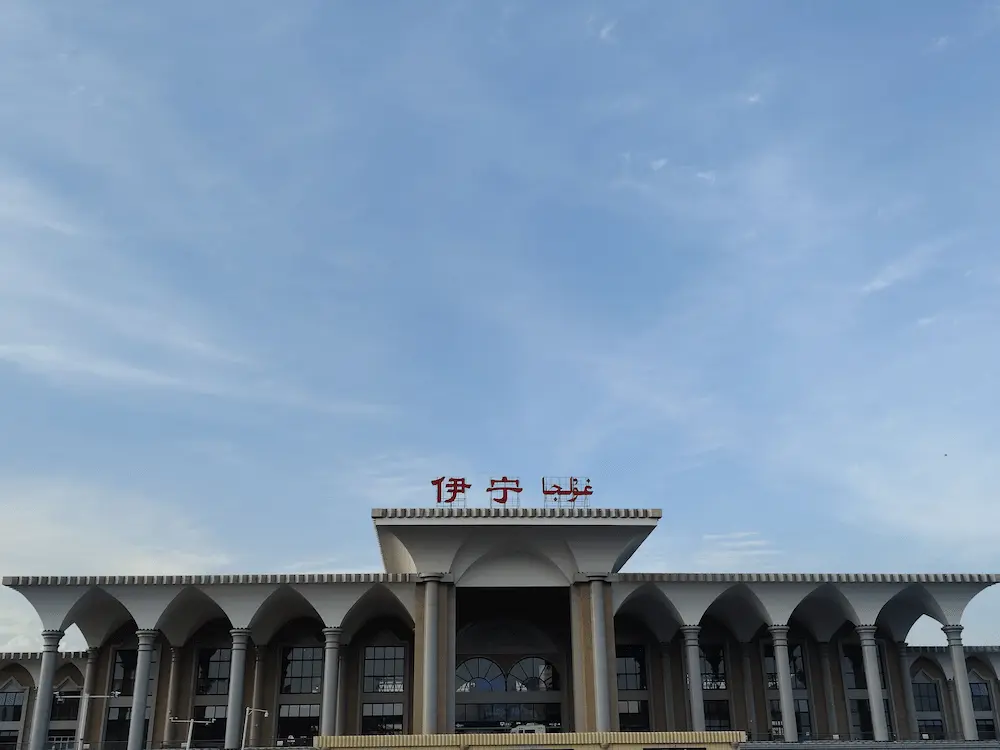
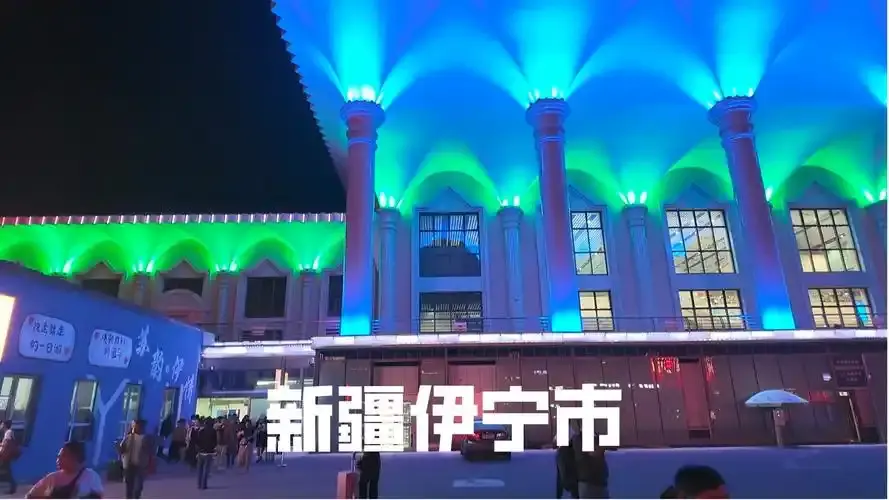
When we first arrived in Yining, I expected a single marked “Russian street” and instead found the influence spread thin across the Kazanqi quarter of Yining. The lanes there are a mix of Uyghur courtyard homes and older timber buildings with the pitched roofs and fretwork that Russian settlers brought with them. On a Tuesday morning the place was quiet. An old man in a flat cap nodded at us from a doorway, and a woman was scraping dough off a round tin to bake what locals call lepioshka, the Russian cousin of the Uyghur nan.
Tacheng felt different. It sits closer to the border, and the Russian mark is heavier in the bones of the town itself. We walked past the old red-brick consulate building that locals simply call the “Red House,” and a low Orthodox church whose green dome we could see from two streets away. A shopkeeper told us, in a mix of Chinese and what sounded like Russian counting words, that his grandfather had been a watchmaker who came from across the line. That kind of story is the real inheritance here.
If you want the cleanest single walk, start in the Russian-flavored town of Tacheng around the old church, then loop through the residential blocks north of the main square. The houses with carved gables are the ones worth slowing down for.
Getting to Yining and Tacheng
Yining is the easier gateway. Flights land at Yining Airport from Urumqi year-round, and the train from Urumqi takes most of a day but is comfortable and cheap. From Yining, Tacheng is about a five-hour drive north on decent highway, or a short hop by regional flight. We took the bus once and regretted it only for the early start; the road itself crosses open pasture where you will see more horses than cars.
Within both towns, everything Russian-heritage related sits inside a short taxi ride. Neither city has a metro, and you would not want one. The joy is in the walking.
When to Go
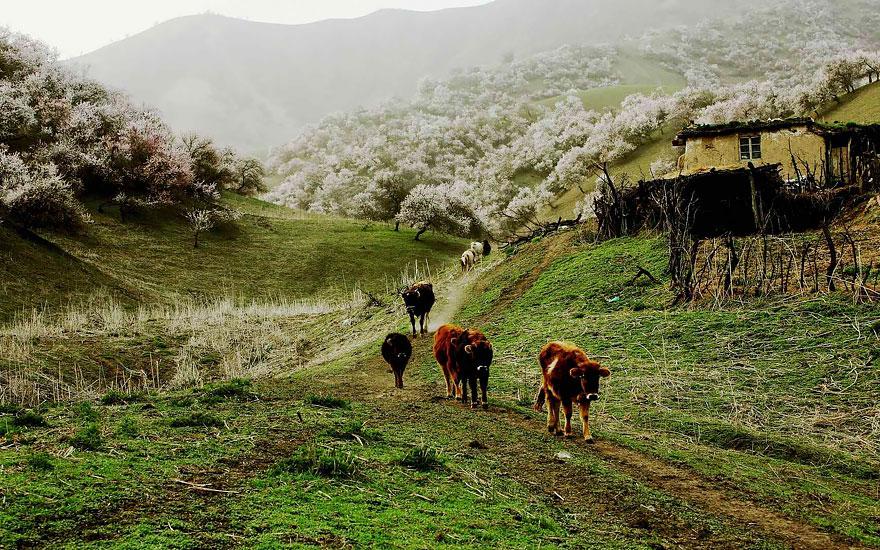
Late May and early June are my pick. The apricot trees across the Ili Valley come into bloom, the light is soft, and the streets are not yet crowded with summer tour groups. We caught a single afternoon in early June when the whole Ili region smelled of blossom and baking. September is the backup window: cool, clear, and good for photography without the mud that spring can bring.
Winter is harsh and many small museums close, so I would skip December through February unless you specifically want frozen silence.
Where to Stay
In Yining, stay inside or next to the Kazanqi area if you can. Family-run courtyard guesthouses there put you within a two-minute walk of the best bread and the bluest doors. In Tacheng, the center near the old square keeps you close to the church and the Red House. Expect simple rooms, strong heating, and hosts who will press food on you whether you ask or not. Book ahead only in peak summer; otherwise you can usually find a room the same afternoon.
What the Russian Table Left Behind
This is where the heritage tastes best. Kvass, a lightly fermented barley and bread drink, is sold from carts across both cities and costs almost nothing. Round loaves come out of the same ovens as nan but lean softer and plainer. Look also for smoked river fish, sour cream dolloped onto pierogi-style dumplings, and the local take on borscht, which here swaps some of the beet for tomato and lamb. None of it is fancy, and that is the point. Sit at a plastic table, order two things you cannot name, and let the bill stay under the price of a coffee back home.
Two dishes deserve a special mention. Pirozhki, small fried or baked buns, show up stuffed with potato, cabbage, or sweet jam at the morning markets. Tvorog, a soft farmer cheese, gets eaten with honey or folded into pancakes at the Russian-run cafes we found tucked behind the main roads in Tacheng. Neither appears on the big tourist menus, which is exactly why they are worth the search. We once followed a grandmother’s wave into a courtyard kitchen and left with full stomachs and a lesson in why food outlasts borders.
Practical Tips Before You Go
Carry cash. The small bakeries and kvass carts often do not take cards or foreign apps, and the nearest ATM that likes foreign cards can be a walk. Dress modestly around the church, and ask before photographing anyone through their own gate. Learn a few words: “zdravstvuyte” (hello) got more smiles in Tacheng than any phrase book promised. Give yourself at least two full days, one per town, and resist the urge to bolt for the bigger sights. The Russian layer of Xinjiang rewards patience more than speed.
A 3-Day Sample Itinerary
Day 1, Yining: Land, drop bags in Kazanqi, and walk the lanes until the light goes flat. Dinner on lepioshka and kvass from a cart.
Day 2, Yining to Tacheng: Morning bus or flight north. Afternoon loop from the Red House past the Orthodox church and back through the gabled residential streets. Evening bread-and-fish dinner.
Day 3, Tacheng: Slow morning at the local history museum (check opening days), last walk, then onward to Urumqi or back to Yining. We kept day three light on purpose; by then the details start to blur if you rush.
FAQ
Is the Russian heritage still visible, or just in museums?
Both, but mostly in the streets. The living layer, houses, food, and surnames, is stronger than any display case.
Do people in Yining and Tacheng speak Russian?
Elders often know words and counting; young people mostly do not. Chinese and Uyghur (in Yining) are the working languages.
Can I visit the Orthodox church?
You can see it from outside any day. Services are held, but as a visitor you should keep a respectful distance and avoid disrupting worship.
How long should I budget?
Two to three days covers both towns at a calm pace. Add more only if you want to explore the wider Ili Valley.
A Note on Accuracy
This guide reflects my own visits and conversations, not an official record. Opening hours, flight schedules, and museum days change without warning, and some buildings mentioned here are private homes, not attractions. Confirm details locally before you travel, and treat any historical claim as a starting point for your own reading rather than settled fact. I have done my best to be precise, but I am a traveler, not an archivist.
About the Author
Karl Huang is a travel writer who has spent several seasons exploring Xinjiang on his own schedule, from the Pamir Plateau to the Russian-flavored lanes of Ili. He focuses on first-hand observation and practical detail, and he pays his own way so the advice stays honest. He has contributed guides to this site covering food, transport, and off-the-map towns across the region.