Published: July 24, 2026 | Author: Farida Hasan, travel writer
Ask ten travelers why they want to see Xinjiang and at least half will mention the people before the scenery. Fair enough. The Xinjiang ethnic groups you meet on the ground — Uyghur bakers, Kazakh herders, Tajik farmers at 3,000 meters, Hui restaurant families, Xibe archers in the Ili valley — shape a trip far more than any single lake or pass. I have spent parts of six years traveling this region, usually alone, sometimes with my sister, and the honest truth is that I plan my routes around people now, not viewpoints. This overview is the article I wish someone had handed me before my first trip: who lives where, what each community is known for, and how to visit without being a nuisance.
One note on scope. Thirteen ethnic groups have lived in Xinjiang for generations, and the 2020 national census counted roughly 26 million residents. I cover the communities a visitor is most likely to encounter. For deeper dives, I link to full guides on each group throughout.
Quick reference: Xinjiang ethnic groups at a glance
| Group | Approx. population in Xinjiang | Language family | Where you’ll most likely meet them |
|---|---|---|---|
| Uyghur | ~11.6 million | Turkic | Kashgar, Hotan, Turpan, Aksu, Urumqi |
| Han | ~10.9 million | Sinitic | Urumqi, Korla, Shihezi, most cities |
| Kazakh | ~1.6 million | Turkic | Ili valley, Altay, Nalati, Sayram Lake |
| Hui | ~1 million | Sinitic (Chinese-speaking Muslims) | Urumqi, Changji, food streets everywhere |
| Kyrgyz | ~200,000 | Turkic | Kizilsu, the road to Karakul Lake |
| Mongol | ~180,000 | Mongolic | Bayanbulak grassland, Bortala |
| Tajik | ~50,000 | Eastern Iranian | Tashkurgan and the high Pamir |
| Xibe | ~35,000 | Tungusic (Manchu branch) | Qapqal county, near Yining |
Population figures are rounded from the 2020 national census; treat them as orientation, not gospel.
Why you can trust this guide
My first trip, in 2019, was a mess of wrong assumptions. I greeted a Kazakh grandmother in the few Uyghur words I had memorized and got a polite blank stare — the languages are related but not interchangeable, and she answered me in fluent Mandarin anyway. Since then I have crossed the region five more times, stayed in yurts and courtyard homes, sat through a three-hour Xibe genealogy explanation in Qapqal (my own fault, I asked), and learned to tell a Kyrgyz felt shyrdak from a Kazakh syrmak by the stitching. I am not an academic. I am a traveler who takes notes, checks facts against museum plaques and census data, and goes back to correct my own mistakes.
The big picture: who lives where, and why it matters for your route
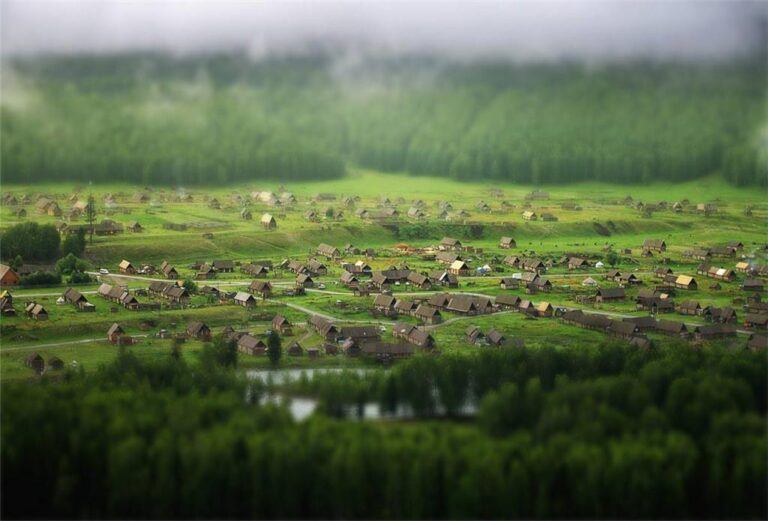
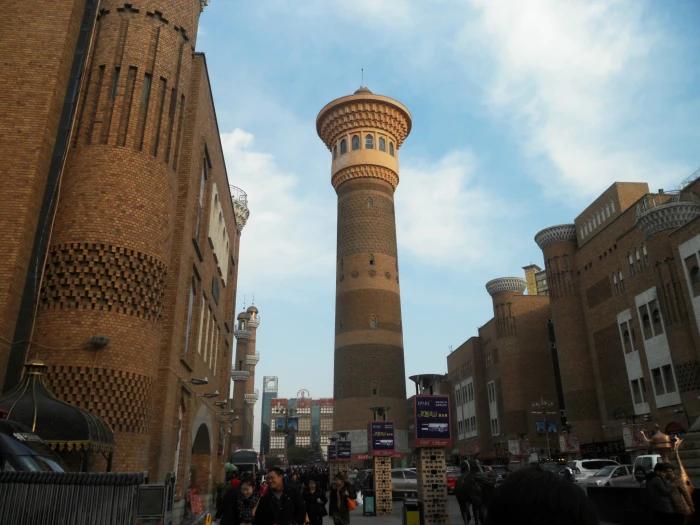
Geography does most of the sorting. South of the Tianshan range, oasis towns ringing the Taklamakan desert — Kashgar, Hotan, Yarkand, Turpan — are historically Uyghur farming and trading communities. North of the mountains, the grasslands of Ili, Altay and Tacheng belong to the herding cultures: Kazakh above all, with Mongol communities around Bayanbulak. Push west into the Pamir plateau and you enter Tajik and Kyrgyz country, where villages sit at altitudes that make wheat a gamble. Cities are the mixing bowls; Urumqi in particular is where every group runs into every other group, usually over food.
This means your route decides your encounters. A southern loop is an oasis-culture trip. A northern loop is a nomad-culture trip. The Karakoram Highway gives you the mountain peoples. Most first-timers try to sample two of the three, which is exactly what I suggest in the itinerary further down.
Uyghur: the oasis civilization
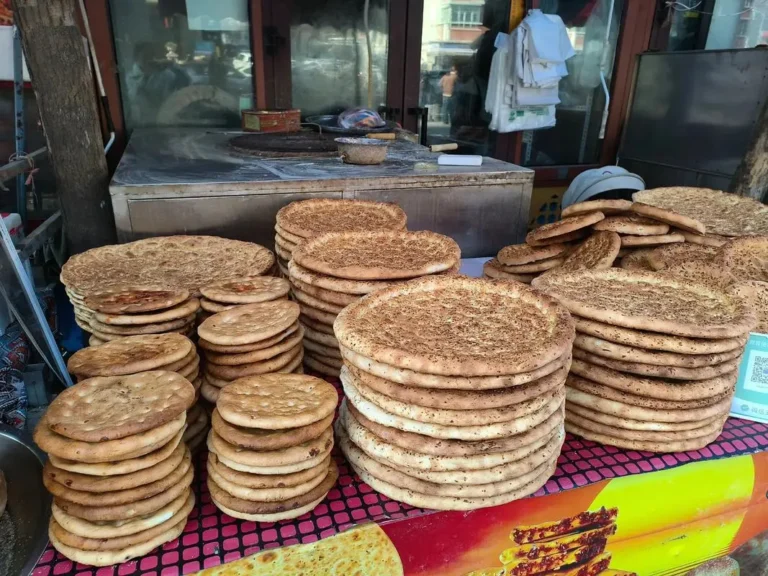
The largest group in the region, with a settled oasis culture built on irrigation farming, bazaar trade and a deep musical tradition — the Twelve Muqam song cycles are on the UNESCO intangible heritage list. My strongest memory is not a performance, though. It is a 7 a.m. naan oven in Kashgar’s old town in 2022, where the baker, Ablimit, let me slap one misshapen loaf onto the tonur wall. It stuck, barely. He charged me nothing and laughed for a week’s worth. Start with our full guide to Uyghur culture, music and daily life if the south is on your list.
Kazakh: the transhumance masters
Kazakh families still move herds between winter and summer pastures across the Ili valley and Altay, and the summer zhailau (high pasture) is where visitors meet them — usually over a bowl of salty milk tea inside a yurt. I once watched a twelve-year-old ride down a slope near Sayram Lake at a speed I would not attempt on a bicycle. Horsemanship is not a show here; it is a chore. The full picture is in our guide to Kazakh culture in the Tianshan.
Kyrgyz and Tajik: peoples of the high Pamir
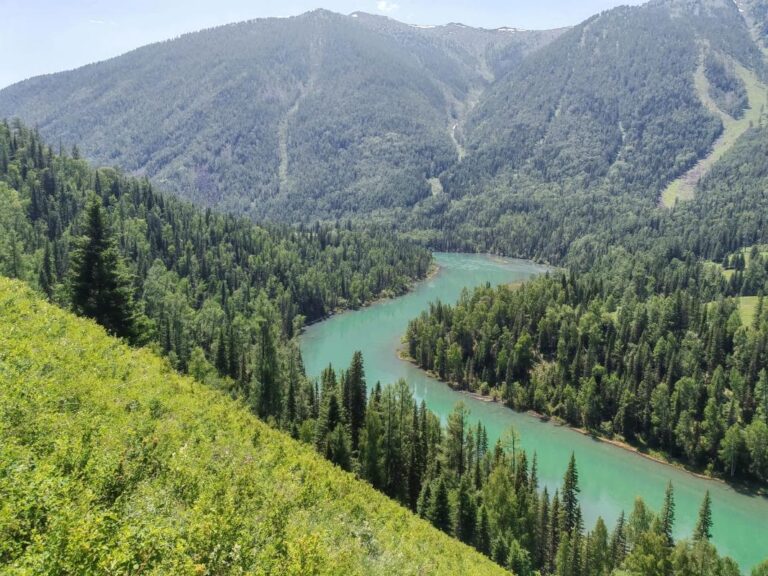
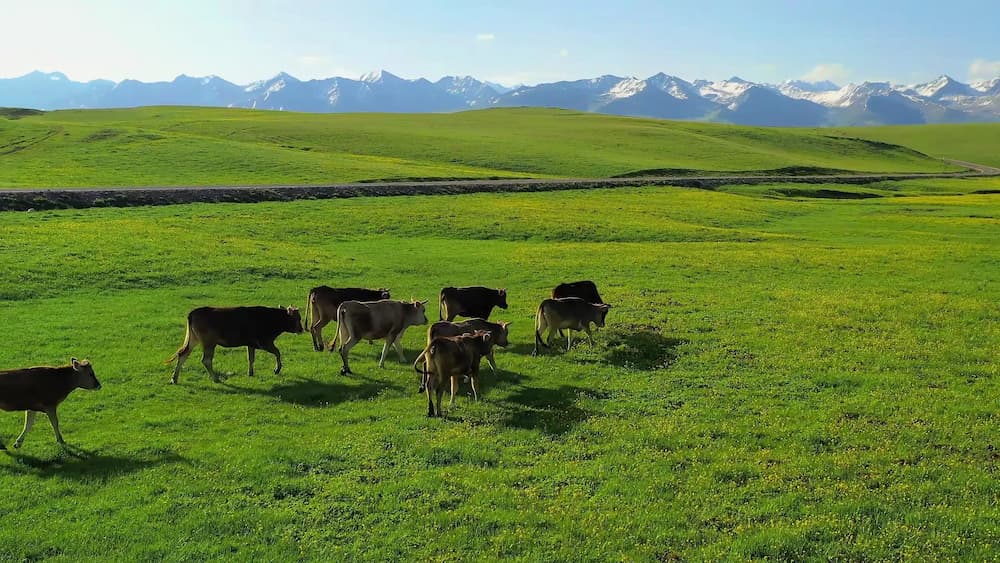
Drive the Karakoram Highway from Kashgar and you climb into their world in a single afternoon. Kyrgyz herding communities cluster around Karakul Lake and the Kizilsu prefecture; their epic poem Manas, hundreds of thousands of lines long, is another UNESCO-listed tradition. Higher still, around Tashkurgan, live the Tajiks — the only Eastern Iranian-speaking people in China, known for stone-and-poplar houses and for a wedding season that turns whole villages out in red. I was waved into a Tajik wedding courtyard in 2023 purely because I was standing there looking curious. We have separate deep dives on Kyrgyz culture on the Pamir plateau and Tajik culture around Tashkurgan.
Hui: the Chinese-speaking Muslims
The Hui run a disproportionate share of the region’s best cheap restaurants. Chinese-speaking and Muslim, they bridge culinary worlds: their beef noodle shops, big-plate chicken joints and morning tea houses are where I end up whenever I am tired and hungry in a city. There is no single Hui heartland in Xinjiang — Changji has a large community — so think of them as the thread running through every urban food street.
Xibe, Mongol and others
The Xibe are the region’s most surprising story: descendants of Manchu garrison soldiers marched west in 1764, still keeping a written script in Qapqal county that mainland Manchu culture largely lost, along with a serious archery tradition. Mongol communities herd around the Bayanbulak grassland and keep epic-singing and wrestling traditions alive at summer naadam gatherings. Russians, Tatars, Uzbeks and Daur round out the thirteen resident groups, mostly in small urban communities. The Xibe story is told properly in our Xibe culture guide.
Best time to go if people, not peaks, are your priority
June through September is when nomadic life is visible: families are up on the summer pastures, yurts are pitched, and horse games happen most weekends somewhere in the Ili valley. Spring belongs to festivals — Nowruz around March 21 in Tajik, Uyghur, Kazakh and Kyrgyz communities alike — and to apricot blossom in the valleys. Winter concentrates everyone back in villages and towns, which has its own appeal: I spent a January evening in a Qapqal farmhouse eating pickled vegetables and learning card games, and it beat any summer festival for warmth of welcome. Match your dates against our Xinjiang festivals calendar before you book.
Where to stay for real contact
Hotels insulate you. The alternatives that worked for me: Kazakh yurt stays around Nalati and Sayram Lake (book through your driver or guide, roughly 150–300 CNY per person with meals), Uyghur courtyard guesthouses in Kashgar and Turpan old towns, and Tajik family homestays in villages around Tashkurgan. Standards vary wildly — expect outdoor toilets on the pastures — but breakfast conversations are the entire point.
Eating your way through the groups
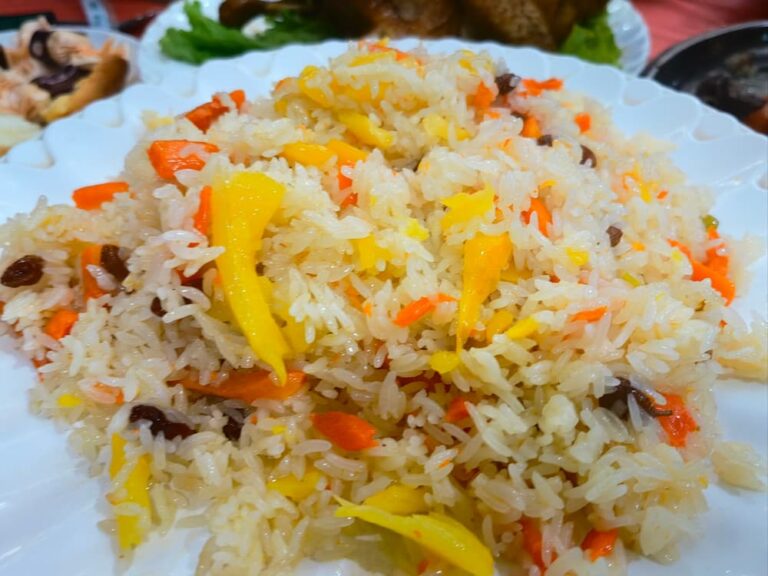
Each community has a signature you can chase: Uyghur polo (carrot-and-lamb rice) and fresh naan, Kazakh besbarmak (hand-pulled noodles under boiled meat) and kumis if you are brave, Hui beef noodles at dawn, Tajik butter tea, Xibe flatbread with a chili-and-egg spread that I still think about. Urumqi’s Grand Bazaar area lets you sample most of these within three blocks, which is cheating, but efficient cheating.
Practical tips that save embarrassment
- Do not assume language. Uyghur, Kazakh and Kyrgyz are related Turkic languages, but they are not the same, and Tajik is not Turkic at all. Mandarin works almost everywhere as a bridge; a greeting in the local language earns smiles precisely because you tried.
- Ask before photographing people. Especially elders and women. A raised camera and a questioning eyebrow is understood universally; so is a head-shake.
- Accept tea. Refusing outright reads colder than you intend. Touch the bowl, take a sip, and you have done your part.
- Right hand for giving and receiving. Standard courtesy across the Muslim communities.
- Dress modestly around mosques and villages — shoulders and knees covered does the job. Our etiquette guide goes through the details.
- Consider a local guide for pasture and village visits. Doors open differently when someone vouches for you; here is how to hire a local guide without overpaying.
A 10-day route that meets four groups
- Days 1–2, Urumqi: Grand Bazaar, regional museum (the ethnic-groups hall is the best single primer in the region), Hui breakfast street.
- Days 3–5, Ili valley: fly or train to Yining; Kazakh yurt stay near Sayram or Nalati; half a day in Qapqal for Xibe archery and the temple.
- Day 6, fly to Kashgar: old town evening walk, naan ovens at dusk.
- Days 7–8, Kashgar: Sunday livestock market if the day fits, Id Kah area, craft workshops.
- Days 9–10, Karakoram Highway: Karakul Lake (Kyrgyz country), overnight in Tashkurgan (Tajik country), return.
FAQ
How many ethnic groups live in Xinjiang?
Thirteen groups have historic resident communities, and members of most of China’s 56 recognized groups can be found in the cities. Travelers realistically encounter six to eight communities on a two-week trip.
Is it appropriate to visit villages and pastures independently?
Generally yes on public roads and marked scenic areas. For home visits, an introduction — through a guide, driver or homestay host — is both more polite and more rewarding.
Do I need different etiquette for each group?
The basics overlap heavily: modest dress, right-hand courtesy, ask before photos, accept tea. Specific customs (like not stepping on a yurt threshold) are covered in each group’s dedicated guide.
Which single city shows the most diversity?
Urumqi, without question. Yining is a close second and feels less hurried.
Can I attend festivals as an outsider?
Public celebrations — Nowruz fairs, naadam games, harvest festivals — welcome visitors. Family religious occasions are invitation-only; if you receive one, consider it the highlight of your trip.
Disclaimer
This article describes cultures as I encountered them between 2019 and 2025 and keeps to travel-relevant, apolitical ground. Population figures are rounded census numbers. Customs vary by family, village and generation; when in doubt, follow your hosts’ lead. Verify festival dates and site opening hours locally, as lunar-calendar events shift each year.
About the author: Farida Hasan is a Singapore-based travel writer who has made six extended trips through Xinjiang since 2019, with a focus on food, crafts and community-run tourism. Her work draws on homestays, market conversations and museum archives across the region.