Published: July 24, 2026 | Author: Julien Maret, documentary photographer
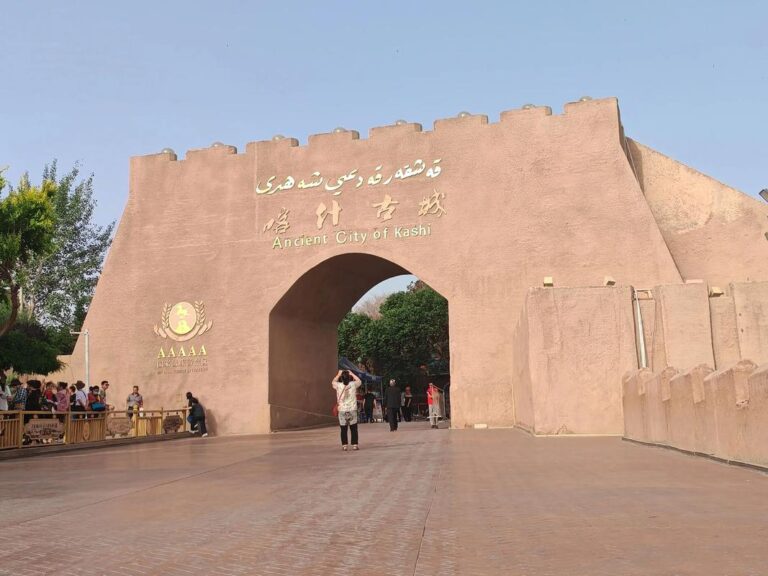
Most travelers meet Tajik culture in Xinjiang for exactly forty minutes: the tour bus stops at the Stone City viewpoint in Tashkurgan, everyone photographs a woman in a red pillbox hat, and then the convoy rolls on toward the Khunjerab Pass. I did that too, on my first trip in 2019. It bothered me enough that I went back three more times — for the apricot blossom in April 2021, for a village wedding in September 2023, and for Nowruz in March 2025. This guide is what those return visits taught me. Where I quote festival dates or permit rules, I have checked them against the Tashkurgan county cultural bureau’s public notices and the Kashgar prefecture tourism office, but customs vary from valley to valley, so treat everything here as a starting point rather than a script.
Tajik culture in Xinjiang: key facts before you go
| Question | Short answer |
|---|---|
| Who are they? | Roughly 50,000 people, mostly in Tashkurgan Tajik Autonomous County on the Pamir Plateau |
| Language | Sarikoli and Wakhi — Eastern Iranian languages, unwritten, unrelated to Uyghur or Mandarin |
| Faith | Ismaili branch of Shia Islam, practiced quietly and mostly at home |
| Signature art | The eagle dance and the three-holed eagle-bone flute (nay) |
| Dress | Women: embroidered kulta hat with white veil; men: black lambskin tumaq |
| Best cultural season | Late March (Nowruz and sowing festivals), April (apricot blossom), September (weddings) |
| Permit needed? | Yes — a border permit for Tashkurgan county, arranged in Kashgar in half a day |
| Altitude | Tashkurgan town sits at 3,100 m; acclimatize before you go |
The wedding that changed how I photograph people
In September 2023 a driver named Yusuf, who had ferried me around the plateau for two seasons, asked if I wanted to attend his cousin’s wedding in a village south of Tashkurgan town. Tajik weddings run three days. On the second day the groom rode in on a horse with red and white cloth knotted around his shoulders, and his mother-in-law dabbed flour on his shoulder at the threshold — a blessing for a white-haired old age together, Yusuf explained. Two women stood on the flat roof playing a daf drum in a fast interlocking rhythm while an older man played the nay, a short flute carved from the wing bone of a golden eagle. Its sound is thin and reedy and carries much further in the mountain air than you expect.
Then the dancing started, and I finally understood why every description of Tajik culture leads with the eagle. Men dance with arms spread and shoulders tilting, circling each other the way raptors ride a thermal. Nobody teaches it formally; kids copy their uncles. When a grandfather in his seventies joined, wrists turning slowly, the whole courtyard went quiet except for the flute. I put my camera down for that one. Some things you photograph, and some things you owe your full attention.
One custom to know before you visit: greetings are physical. Women kiss each other on the cheek; a younger man may kiss the back of an elder’s hand. As a foreign guest you will usually get a handshake and a hand pressed to the chest. Match the gesture and you have made a friend.
Getting to Tashkurgan
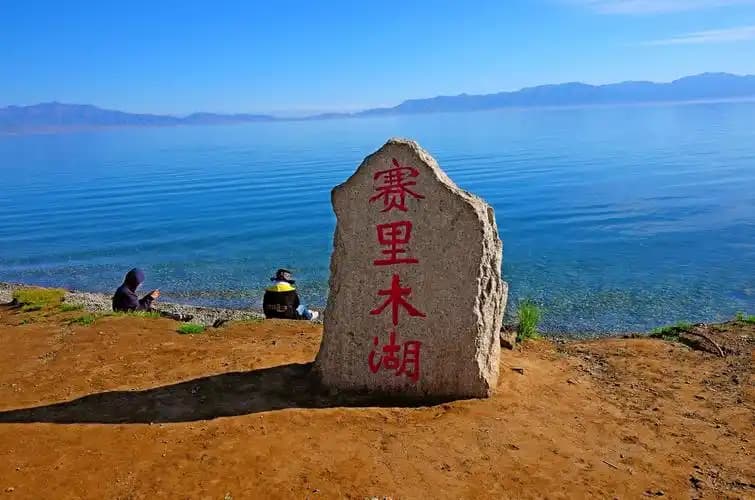
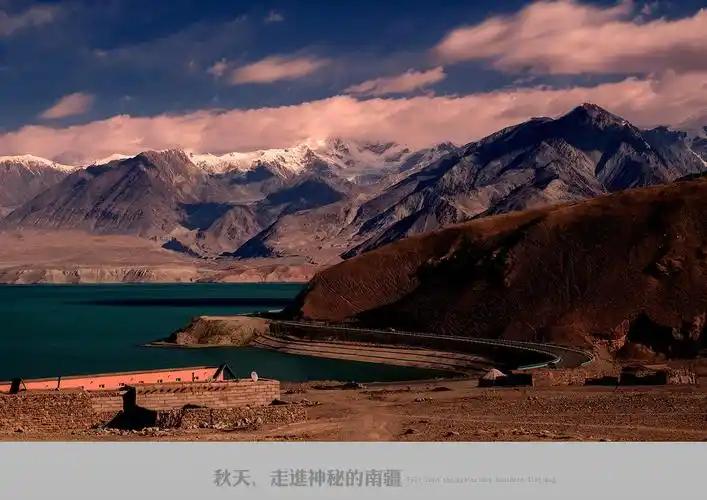
Everything starts in Kashgar. From there the Karakoram Highway climbs 290 km to Tashkurgan town, passing Baisha Lake and Karakul Lake on the way — plan five to six hours with photo stops. Options:
- Shared or chartered car: The standard choice. A chartered car from Kashgar runs 800–1,200 RMB per day depending on season; drivers who know Tajik families are worth the premium.
- Public bus: A daily bus leaves Kashgar’s international bus station most mornings (around 120 RMB). Fine for reaching town, useless for exploring valleys.
- Flying: Tashkurgan’s small airport opened in 2022 with flights from Urumqi via Kashgar. Handy, but you skip the most scenic road in China.
You need a border defense permit for the county. Your hotel or driver in Kashgar can point you to the permit office; bring your passport and allow half a day. My guide to Tashkurgan and the Pamir Plateau gateway covers the paperwork in detail, and if you are continuing to Pakistan, read the Xinjiang border crossings overview first.
When to go for culture, not just scenery
The plateau is open year-round, but Tajik cultural life follows the farming calendar, and timing your trip to it changes everything.
- Late March: Nowruz, the spring new year, plus the sowing festival in the fields — villagers scatter the first seed while neighbors splash each other with water for luck. I attended in 2025 and was pulled into three separate homes for tea and fried wheat cakes in one afternoon.
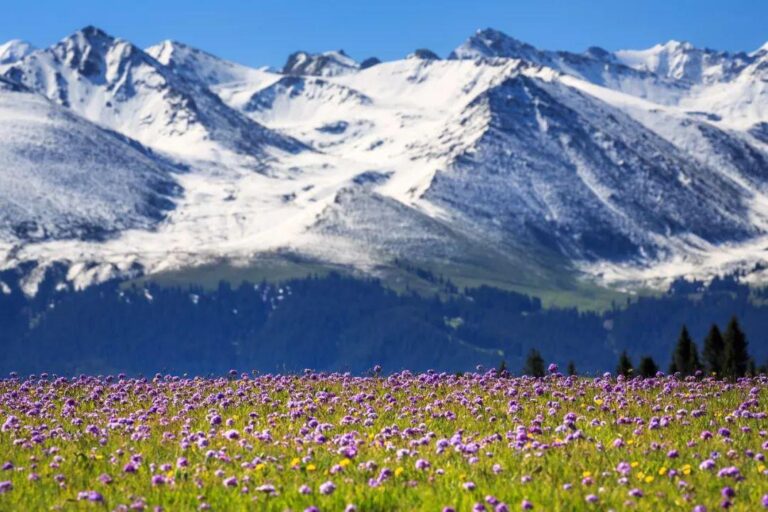
- April: The apricot villages along the river gorges toward Datong bloom white and pink against bare rock. This is the plateau at its most photogenic and still cold at night.
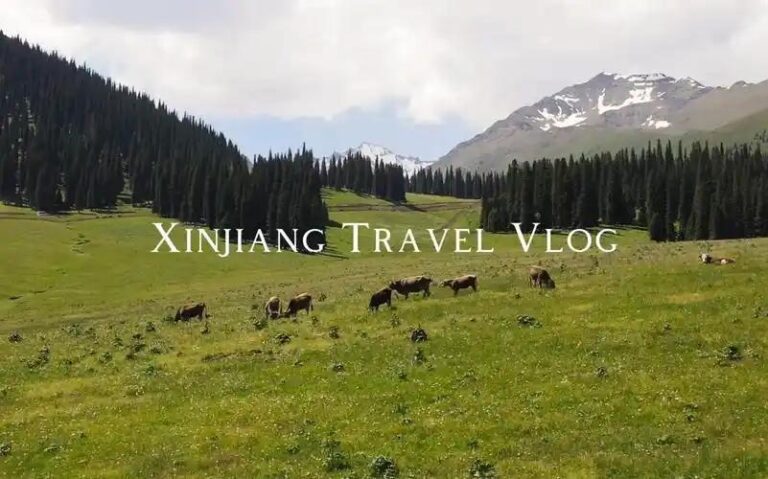
- June–August: The Golden Grassland wetland outside town glows green, yaks come down to graze, and daytime weather is kindest. Peak tourist buses too.
- September–October: Wedding season, clear skies, golden pastures. My favorite month on balance.
- Winter: Brutally cold and quiet. Only for the committed.
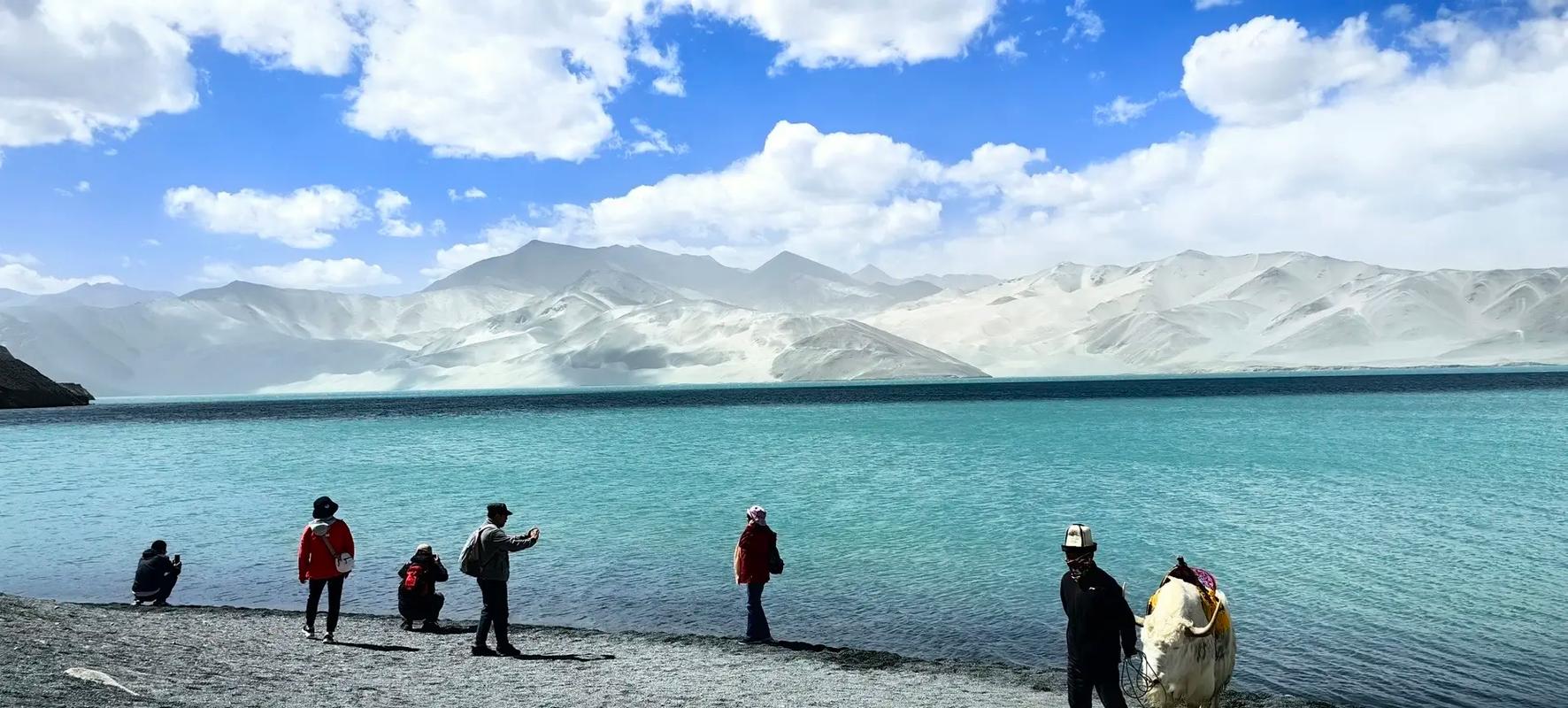
Whatever the season, remember you are sleeping above 3,000 m. Take the first day slowly and read our altitude sickness prevention guide before you travel — headaches ruin more Pamir trips than bad weather does.
Where to stay
Tashkurgan town has proper hotels — the Crown Inn and several newer three-star places (250–450 RMB) — and they make a sensible base. But the cultural experience is in the homestays. A traditional Tajik house, called a chid, is built around one large room with a raised sleeping platform on three sides and a skylight in place of windows; the five wooden pillars holding the roof each carry a symbolic meaning in local tradition. Several families in town and in the Golden Grassland area now take guests for 150–250 RMB including dinner and breakfast. Book through your driver or guesthouse rather than apps; most family homestays never appear online. In high season reserve two or three days ahead.
What you will eat
Tajik food is highland food: wheat, dairy, apricots, and yak. Expect thick milk tea poured refill after refill (tip the cup on its side when you have had enough), fresh yak-milk yogurt with a skin of cream on top, and flatbread baked slightly denser than the Uyghur naan of the lowlands. The dish I still think about is a wedding plov cooked with yellow carrots and yak meat, richer and fattier than the versions in Kashgar Old City. Dried apricots from the Datong valleys are the local pride — buy them from the source. One note: as Ismaili Muslims, Tajik hosts do not serve pork and generally do not drink; follow their lead at the table.
Practical tips from four visits
- Ask before photographing people. Most Tajik villagers are relaxed about cameras, but the woman in the kulta hat at the market is a person, not a prop. A smile and a raised camera with a questioning look works in any language.
- Hire a local connector. A Tajik or long-resident driver opens doors no itinerary can. Mine cost 1,000 RMB a day with the car and earned every fen.
- Faith is private. Ismaili practice happens mostly at home rather than in large mosques. Do not press religious questions on new acquaintances; let hosts raise the subject.
- Carry cash in small notes. Mobile payment works in town but not at village stalls or for homestay tips.
- Respect the threshold. Shoes off at the door of a chid, always, and accept at least a sip of whatever tea appears.
- Compare cultures. The plateau is shared with Kyrgyz herders whose traditions differ sharply — my companion piece on Kyrgyz culture on the Pamir Plateau explains who you are meeting where.
A four-day Tajik culture itinerary
- Day 1 — Kashgar to Tashkurgan: Karakoram Highway with stops at Baisha Lake and Karakul Lake. Early night, light dinner, altitude adjustment.
- Day 2 — Stone City and Golden Grassland: Sunrise from the Stone City fortress ruins, then the boardwalk through the wetland. Afternoon in the county museum’s small but honest ethnography hall. Homestay dinner.
- Day 3 — Village day: Drive toward the Datong apricot valleys or a village your driver knows. This is the day the eagle flute might come out. Ask about weddings if traveling in September.
- Day 4 — Return or continue: Back to Kashgar, or south toward the Khunjerab Pass if your paperwork allows.
FAQ
Are Xinjiang’s Tajiks the same people as in Tajikistan?
Not exactly. Chinese Tajiks speak Sarikoli and Wakhi, Eastern Iranian mountain languages, while Tajikistan’s majority speaks Tajik Persian. The cultures are cousins rather than twins.
Can I visit without a tour group?
Yes. Independent travel is straightforward once you hold the border permit; a hired car simply makes village visits far easier.
Is there an entrance fee for cultural sites?
Stone City and the Golden Grassland use a combined ticket, around 60–100 RMB depending on season and shuttle options. Villages are simply villages — no tickets, so behave like a guest.
Will language be a problem?
Younger Tajiks speak Mandarin from school; English is rare. Translation apps work in town where there is signal. In villages, gestures and patience do the job.
Can I see the eagle dance without a wedding invitation?
Cultural performances happen at the Stone City scenic area in summer and during festivals. Staged, yes, but the dancers are local and the flute is real.
Disclaimer
This article reflects personal visits between 2019 and 2025 plus information from Tashkurgan county and Kashgar prefecture public tourism sources. Permit rules, ticket prices and festival dates change; confirm current requirements before traveling. Cultural descriptions are offered respectfully and make no political commentary.
About the author: Julien Maret is a documentary photographer who has worked across Central Asia since 2015. He has made four extended visits to Tashkurgan Tajik Autonomous County, including Nowruz 2025 and a village wedding in 2023, and publishes guides that pair photography with cultural context.