Published: July 22, 2026 | Author: Marcus Reed
Most travelers treat Xinjiang as a destination with a finish line, somewhere the trip ends. I have come to think of it as the opposite: a starting line for eight different countries. When people ask me about Xinjiang border crossings, they usually mean one thing — can I actually leave China here by land? The answer is yes, at several points, but the details matter and they change. Between 2017 and 2023 I crossed three of these ports myself, by car, by bus, and once on foot through a snowdrift, and the space between the brochure version and the real version turned out to be wide.
Why you can trust this overview
I am not a diplomat and I do not work for any border authority. I am an overland writer who has spent roughly four months total along Xinjiang’s western edge. My information comes from those trips, from the consulate websites I read before each crossing, and from drivers and guesthouse owners in Kashgar and Yining who do this weekly. Border rules shift without much notice, so I have marked every spot where you should verify the current situation before you pack a bag.
Quick reference: the main Xinjiang border crossings
| Port | Country | Crossing type | Open to foreign travelers? | What to know |
|---|---|---|---|---|
| Khorgos (Horgos) | Kazakhstan | Road and rail | Yes, with a Kazakh visa | Largest dry port in the region; free-trade zone on the Chinese side; about 90 km from Yining |
| Alashankou (Alataw) | Kazakhstan | Rail (mostly freight) | Rarely used by tourists | Second rail port; extremely windy; passenger use is limited |
| Torugart | Kyrgyzstan | Road | Yes, with a Kyrgyz visa | High pass at 3,752 m; closes during heavy snow; slow even in good weather |
| Irkeshtam (Erkeshtam) | Kyrgyzstan | Road | Yes, with a Kyrgyz visa | Lower and more dependable than Torugart in winter |
| Kulma | Tajikistan | Road | Yes, with a Tajik visa and GBAO permit | Summer only, roughly May to November; Karakul Lake sits nearby |
| Khunjerab | Pakistan | Road | Yes, with a Pakistani visa | Highest paved border in the world at 4,693 m; the Karakoram Highway |
| Wakhan | Afghanistan | — | No | Closed to travelers; a sensitive military zone |
Which Xinjiang border crossings are open to tourists?
Six ports handle international traffic, and four of them are realistic for a foreign visitor who already holds the neighbor’s visa. Khorgos is the workhorse: a wide, paved, well-lit crossing with a free-trade zone you can walk through on the Chinese side. I wrote about the Torugart Pass separately because it deserves its own post, but the short version is that it is beautiful and slow, and you should not plan a tight connection on the other side.
For Kazakhstan, Alashankou exists as a second option, though almost nobody crosses there as a tourist. The Tajik crossing at Kulma is the quietest of all and only runs in the warm months. And then there is Khunjerab, which I will come back to, because standing at 4,693 meters on the roof of the Karakoram is unlike any other border I have used.
What it feels like at the Khunjerab
We left Tashkurgan at first light in October 2023. The road climbs steadily through a grey, wind-scoured valley, and the Chinese exit formalities happen at a checkpoint well before the actual line, around 4,200 meters. By the time we reached the steel gate painted with both flags, my chest was working harder than it should have been, and it was snowing sideways even though it was early autumn down in Kashgar. The Pakistani side is a different world: a long descent into green, with army posts every few kilometers and a sense that you have genuinely crossed a continent. If you go, give yourself a day to adjust on the Chinese side first, because the altitude does not care about your itinerary.
How to reach each crossing
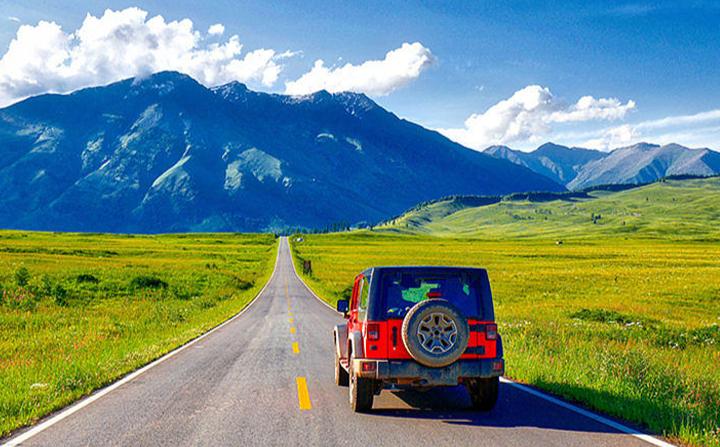
Most crossings start from one of two cities. Kashgar is the hub for the south: Khunjerab, Torugart, Irkeshtam, and Kulma all fan out from there, though distances are long and the mountain roads are not quick. Yining, in the Ili Valley, is the base for Khorgos, about 90 minutes by car. If you want to drive yourself, my self-drive route guide covers the permits and road conditions in detail. For the southern passes, many travelers choose to hire a local guide, partly for the language help and partly because a guide can smooth the Tashkurgan border permit process that Kashgar requires.
Best time to cross
Timing is the part first-timers get wrong. The high passes are weather driven, not calendar driven. Khunjerab and Torugart can close for days when snow hits, roughly December through March. Kulma does not open until late spring and may shut again with the first serious cold. The dependable window is late May to September, with July and August being the safest but also the busiest. I crossed Khunjerab in early October and got lucky; a friend who tried two weeks later was turned back by a snowfall.
Where to sleep near the borders
You do not camp at the line, and you should not try. Each crossing has a town or a nearby city with real beds. For Khorgos, stay in Yining and make it a day trip; the town at the port itself is functional but dull. For the southern passes, Tashkurgan has guesthouses at around 3,100 meters, which is high enough that some people wake up with a headache. Kashgar is the comfortable base camp for everything south, with proper hotels, good food, and the permit office you will need. Khorgos town has a few basic hotels if you must stay, but I would rather sleep in Yining and drive up fresh.
What you will eat at the edge
The food near the borders tells you which country you are about to enter. At Khorgos the free-trade zone cafeterias serve a mix of Chinese and Kazakh plates, and I ate a bowl of laghman there that tasted like it had teleported from Almaty. In Tashkurgan, the Tajik influence shows up in hand-pulled noodles and yak meat cooked plain, with none of the cumin-heavy flourishes you find further east. Before any southern crossing, spend one evening at the Kashgar night market and load up on grilled meat and fresh naan, because the mountain stretch is long and the options thin out fast.
Practical tips before you go
A few things I wish someone had told me. Carry paper copies of your passport and every visa; the scanners at the smaller ports go down more often than they work. Bring small cash in the neighbor’s currency if you can get it before the line, since the exchange windows on the Chinese side keep limited hours. Do not expect phone coverage or Wi-Fi at the actual border; download your maps and confirm your next accommodation offline. And build buffer days into your plan, because a closed pass does not care about your onward train.
A 4-day southern border loop
If you want to see the most dramatic crossing without leaving China, here is the loop I ran in 2023:
Day 1 — Kashgar. Arrive, collect the Tashkurgan border defense permit from the public security office, and walk the old town. Sleep in Kashgar.
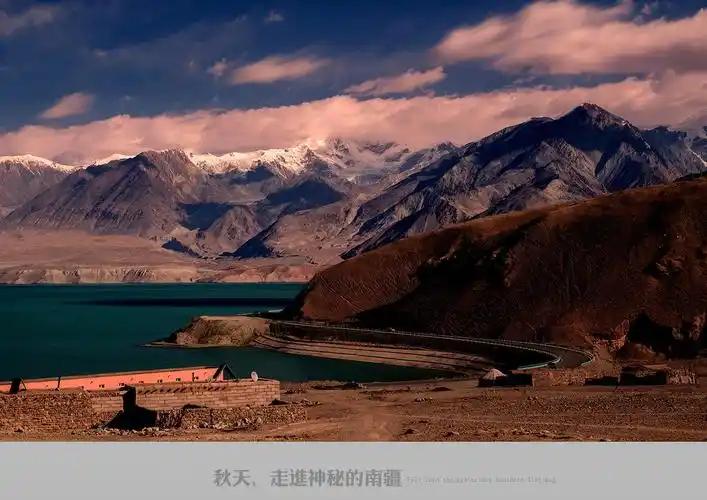
Day 2 — Kashgar to Tashkurgan. Drive about 300 km via Karakul Lake beneath Muztagh Ata. The lake at dawn is the kind of stop you remember. Sleep in Tashkurgan and let your body adjust to the altitude.
Day 3 — Khunjerab day trip. Leave early, clear the Chinese checkpoint, stand at the gate, then return to Tashkurgan the same day. Do not try to cross fully without a Pakistani visa and a plan on the other side.
Day 4 — Tashkurgan to Kashgar. Drive back, or continue east if your permits allow.
Frequently asked questions
Can I cross into Pakistan without a tour? You need a Pakistani visa in advance, and while the crossing itself is open to individuals, the logistics on the far side (transport, permits for Gilgit-Baltistan) make a guided trip the easier path for most.
Do I need a special permit for Tashkurgan? Yes. Foreign travelers need a border defense permit issued in Kashgar, separate from your Chinese visa. Allow a day to obtain it.
Is the Wakhan Corridor open? No. The Afghanistan-facing stretch is closed to travelers and is not a practical route.
Can I use the 144-hour visa-free transit and leave by land? The 144-hour visa-free transit applies to air arrivals at qualifying airports such as Urumqi, and the rules around a land exit are strict. Read the policy carefully and confirm with your airline before you rely on it.
Which crossing is easiest? Khorgos, by a wide margin, for anyone holding a Kazakh visa. It is paved, organized, and close to Yining.
Disclaimer
This article is based on the author’s personal travel between 2017 and 2023 and on publicly available consular information at the time of writing. Border policies, visa requirements, permit rules, and road conditions in Xinjiang change frequently and without notice. Nothing here is legal or immigration advice. Always confirm current requirements with the relevant Chinese exit-entry authority, the destination country’s embassy or consulate, and your airline before you travel. Crossing high-altitude passes carries real health risks; consult a doctor and heed altitude warnings.
About the author
Marcus Reed is an overland travel writer who has driven, bussed, and walked across several of Asia’s land borders, including three Xinjiang ports (Khunjerab, Torugart, and Khorgos). He writes practical, first-hand guides for independent travelers and has contributed to several regional travel publications. When he is not on a mountain road, he is planning the next one.