Published: August 27, 2026 | Author: Karl Huang
Most people plan a Xinjiang trip around weather and train tickets. I plan mine around movies. Watching Xinjiang films and documentaries before a trip does something guidebooks cannot: it puts faces, accents, and real light on places you have only seen as dots on a map. By the time I stood in Kashgar’s old town for the first time, I already knew the rhythm of its lanes because I had watched them stand in for 1970s Kabul. This guide collects the films and series that are actually worth your screen time, notes where each one was really shot, and tells you how to stand in those exact spots.
Why Watch Xinjiang Films Before You Go
A two-week drive through this region covers more geography than most countries. You will hit Uyghur tea houses, Tajik herding camps at 3,600 meters, and Han oasis towns that each feel like a different country. Film is the fastest way to absorb that range before you land. It also makes you a better photographer: once you have seen how Karakul Lake looks at dawn in a feature film, you know to set an alarm instead of sleeping in.
I am not a critic. I run a travel site and have spent the last few years driving these routes, and I keep coming back to the same handful of films because they got the details right. Below is the list I give friends who ask what to watch on the flight over.
The Quick Reference: 8 Films and Where They Were Shot
| Title | Year | Where it was filmed or set | Best for |
|---|---|---|---|
| The Kite Runner | 2007 | Kashgar old town, Tashkurgan, Karakul Lake (standing in for Kabul and the Afghan border) | Street life, Pamir light |
| Visitors on the Ice Mountain (冰山上的来客) | 1963 | Pamir Plateau, Tajik communities | Pamir culture, border history |
| NHK The Silk Road (シルクロード) | 1980 | Turpan, Gaochang ruins, Kashgar, Dunhuang | Historical context |
| BBC Wild China | 2008 | Taklamakan, Flaming Mountains, Bosten Lake | Landscapes and wildlife |
| The Story of China (BBC) | 2016 | Kashgar, Silk Road corridor | Human context |
| A Bite of China (舌尖上的中国) | 2012 | Urumqi, Kashgar, Ili (food) | What to eat |
| Crouching Tiger, Hidden Dragon | 2000 | Desert sequences in Xinjiang (Taklamakan and Gobi) | Desert visuals |
| Kashgar’s Century-Old Teahouse (short) | 2023 | The real teahouse on Renmin West Road | A 10-minute primer |
My Own Warm-Up: The Kite Runner in Kashgar
The first time I watched The Kite Runner I had no trip planned. I just liked the book. Five years later, when I finally walked into the century-old tea house on Kashgar’s Renmin West Road, the producer’s claim that this was the film’s Peshawar tea house landed hard. The carved wooden columns, the brass samovars, the old men playing dutar in the corner. It was the same room. I ordered a glass of black tea, sat by the window, and watched the lane fill with schoolkids. That moment was worth every hour of the film.
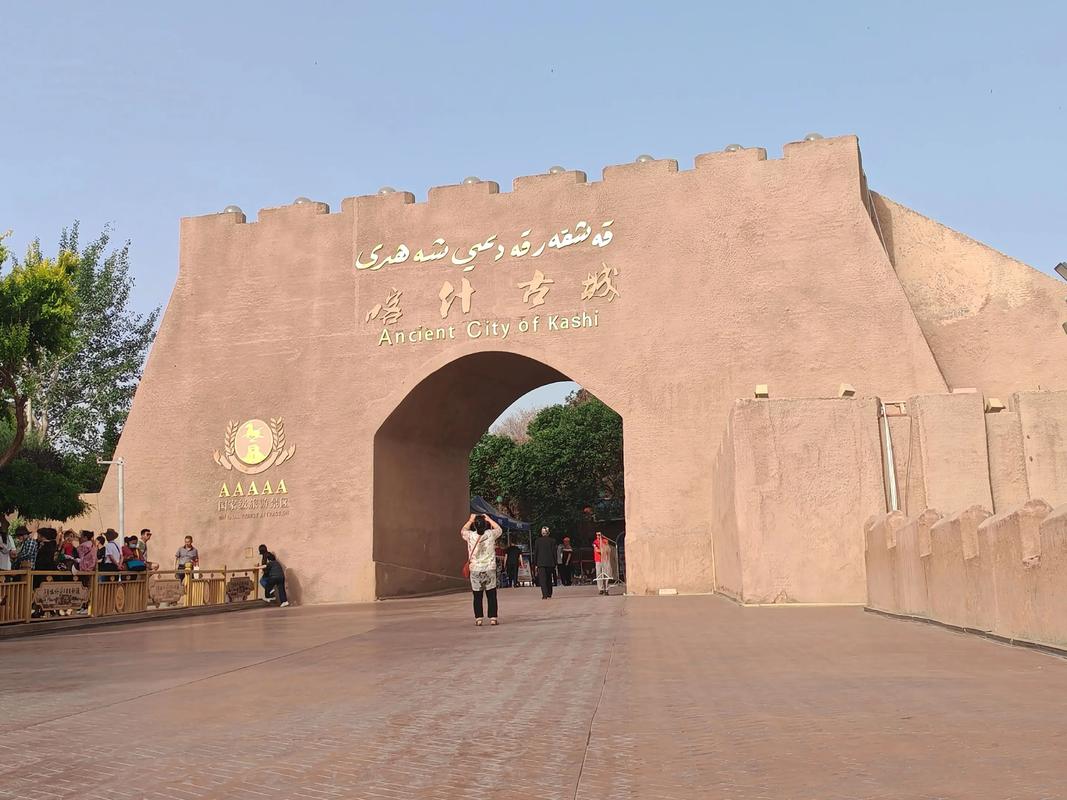
The film shot most of its Kabul scenes in Kashgar’s old city and the streets around the Id Kah Mosque, and its cemetery scenes near Tashkurgan’s Stone City. If you want the same view, read our Kashgar city guide before you go. The teahouse is a five-minute walk from the mosque.
Where to Watch Xinjiang Films and Documentaries
Streaming rights move around, so I will not promise a title is on one specific app this month. As of writing, The Kite Runner turns up on the major rental platforms in most regions. The NHK Silk Road series is easiest on DVD through secondhand sellers and on the broadcaster’s archive clips. BBC Wild China and The Story of China sit on the usual documentary streamers. A Bite of China is on several free platforms with subtitles. The point is to watch before you fly, not to hunt for a single link.
If you only have time for one, make it The Kite Runner for the streets and Visitors on the Ice Mountain for the Pamir. The 1963 film is dated, but its songs are still sung on the plateau. Locals in Tashkurgan lit up when I hummed the theme tune.
Visitors on the Ice Mountain (1963): A Pamir Classic
This black-and-white Chinese film follows a PLA border guard and a Tajik girl on the Pamir, and it is the reason many Chinese travellers make the hard drive south to Tashkurgan. The Flowers on the Ice Mountain theme is a genuine Tajik folk melody arranged for film. When I played it on my phone at a guesthouse near Karakul Lake, the owner’s grandmother sang along without missing a note. That is the kind of detail no guidebook catches.
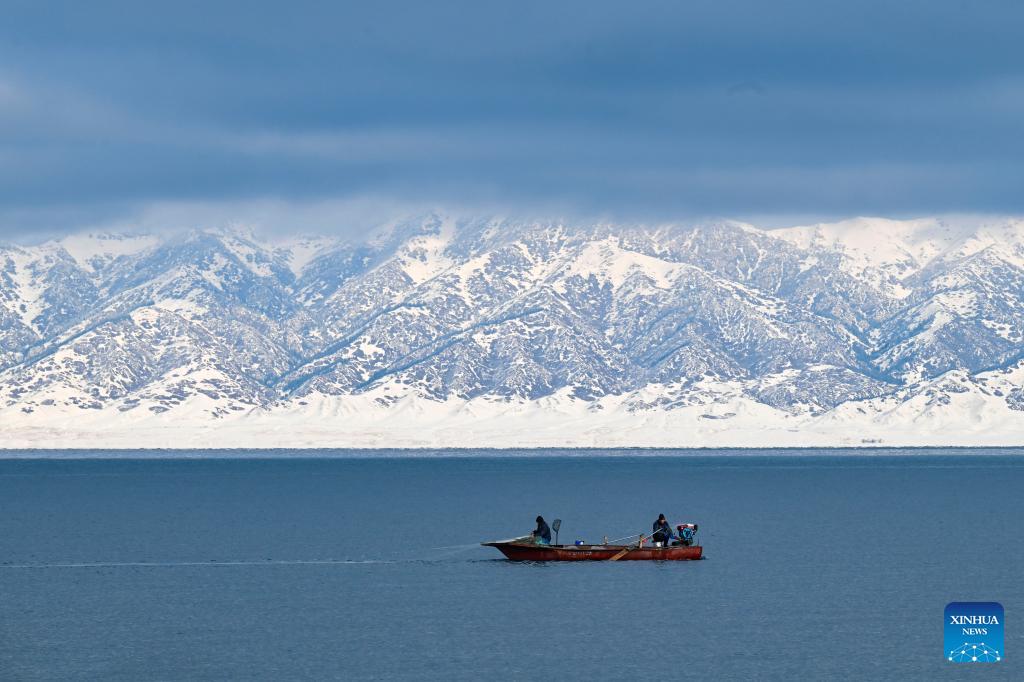
For the real locations, our Tashkurgan travel guide covers the border permit and the drive, and the Karakul Lake page explains where the film’s yurt camp stood.
NHK’s The Silk Road and the BBC Documentaries
The 1980 NHK series was the first foreign crew allowed to film the Silk Road at length, and its Turpan and Gaochang episodes are still the best visual history lesson you will find. Pair it with our Silk Road history guide so you know which ruin is which when you stand in it. BBC Wild China’s Taklamakan segment will prep you for the emptiness. BBC The Story of China’s Kashgar walk is a gentler, more human intro.
A Bite of China: The Food Episode You Shouldn’t Skip
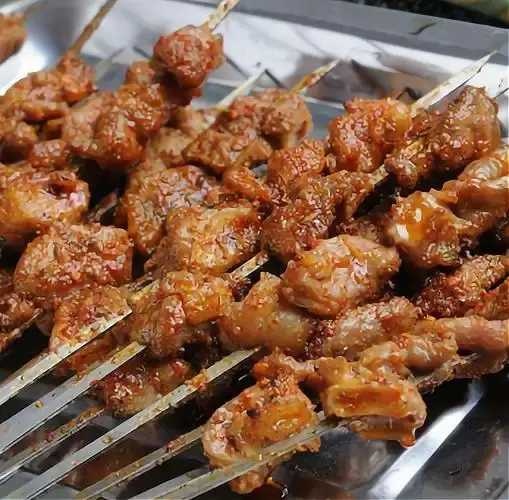
If your trip is about eating, watch season one’s Xinjiang portions: the naan baked in a hole in the ground, the lamb skewers, the big-plate chicken. I watched it the night before a Urumqi food crawl and recognized the tandoor bread the next morning. Watching it changed how I ordered. I started asking for the bread still warm, not the bagged stuff at the station. Small thing, better trip.
Getting to the Real Locations
Kashgar has daily flights from Urumqi and a high-speed rail link, and it is the base for everything below. Tashkurgan is a 4 to 5 hour drive south on the Karakoram Highway (G314). You need a border permit, arranged in Kashgar. Turpan is a fast train from Urumqi, about 90 minutes. None of these are remote by Chinese standards, but the Pamir stretch is high and slow, so build in rest days.
Best Time to Follow the Film Trail
The Pamir and Kashgar look best from May to October. The light in The Kite Runner was shot in autumn. Turpan’s film locations are tolerable in spring and autumn but brutal in July. I wrote a full best time to visit Xinjiang breakdown if you want month-by-month detail. For the desert footage, go in late September when the heat backs off but the light stays golden.
Where to Sleep Along the Route
In Kashgar, stay inside or next to the old town so the teahouse is walkable. Courtyard guesthouses here are the real deal. In Tashkurgan, pick a place with heating because nights drop near freezing even in summer. On the Pamir, the yurt camps at Karakul open roughly June to September. Book the Karakoram stretch as a loop rather than backtracking.
What to Eat After the Credits
Kashgar’s Sunday livestock market doubles as a kebab lesson, and the old town’s naan bakeries sell straight from the tandoor in the morning. In Tashkurgan try the Tajik milk tea and steamed buns. Turpan’s grapes are a summer thing, so time it for August if food is your motive. None of this needs a reservation. It needs you to show up hungry and early.
Practical Tips for Film-Location Travel
Bring a real camera or a good phone, but ask before photographing people. The Pamir permit takes a day, so do not plan to leave the morning after you land. Altitude at Karakul is over 3,600 m, so walk slow the first afternoon. Download the films before you lose signal south of Kashgar because the G314 has long dead zones.
A 7-Day Film-Locations Itinerary
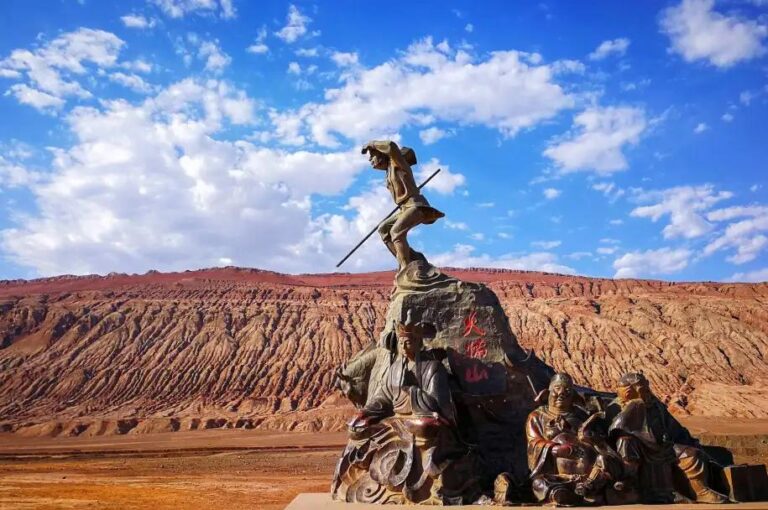
Day 1 to 2 Kashgar: old town, Id Kah Mosque, the century-old teahouse, Sunday market. Day 3 drive the Karakoram Highway to Tashkurgan, stop at Baisha Lake and Karakul Lake for the same reflections you saw on screen. Day 4 Tashkurgan: Stone City, a Tajik village, back to Kashgar. Day 5 fly or train to Urumqi for an evening food crawl. Day 6 high-speed rail to Turpan: Gaochang ruins, Jiaohe, the Flaming Mountains (the Wild China backdrop). Day 7 back to Urumqi and fly out. It is a loop, not a marathon, so leave buffer for the light.
Frequently Asked Questions
Are these films historically accurate? The Kite Runner is a faithful adaptation of the novel but uses Xinjiang as a stand-in for Afghanistan, so the architecture is Central Asian, not Afghan. Visitors on the Ice Mountain is a romance framed by border life, not a documentary. The NHK and BBC series are the trustworthy history watches.
Do I need permits for the film sites? Only the Pamir (Tashkurgan) needs a border permit. Kashgar, Turpan, and Urumqi are open.
Is it worth learning any language? A few Uyghur greetings go far in Kashgar. Tajik is harder but a smile works on the plateau.
Can I visit the exact teahouse? Yes. The century-old teahouse on Renmin West Road in Kashgar is still open and still serving tea by the window.
Disclaimer
This page is a viewing suggestion from a travel writer, not a film distributor. Streaming availability, permits, and opening hours change, so confirm current details with official sources before you book. I have not been paid by any studio mentioned. Distances and altitudes are approximate and based on my own trips. Conditions vary by season.
About the Author
Karl Huang runs Xinjiang Attractions, a travel site built from first-hand drives across the region. He has crossed the Pamir twice, eaten his way through Kashgar’s markets, and believes a good film is the cheapest prep you can buy. If you have a route question, the contact page is open.