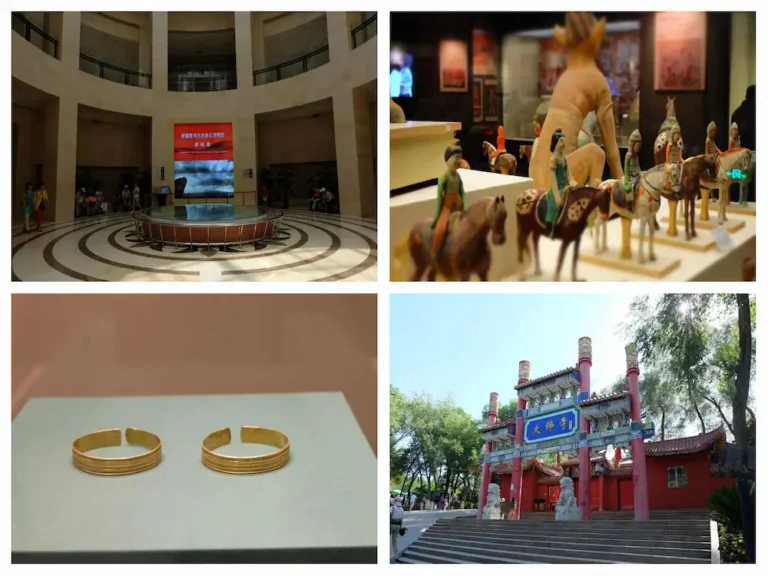
Who the Uyghur People Are
The Uyghur people (维吾尔族) are the largest ethnic group in Xinjiang, with a rich culture blending Turkic, Persian, and Chinese influences. Understanding Uyghur culture will deepen your Xinjiang travel experience tremendously.
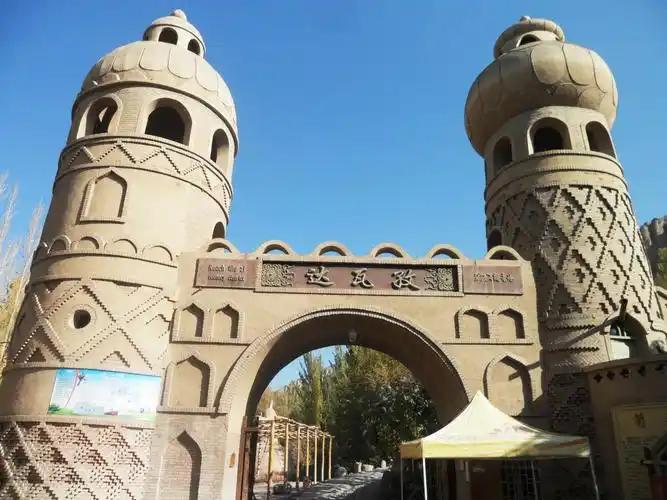
Who are the Uyghurs?
- Population: ~12 million (83% of Xinjiang’s population)
- Language: Uyghur (Turkic family), Arabic script
- Religion: Sunni Islam (practiced for ~1,000 years)
- Origins: Mix of ancient Indo-European (Tocharians), Turkic, and Mongol peoples
Uyghur Language & Greetings
| Uyghur | Pronunciation | Meaning |
|---|---|---|
| Assalamu alaykum | A-sa-la-mu a-lai-kum | Peace be upon you (greeting) |
| Rahmat | Rah-mat | Thank you |
| Khopluk | Khop-luk | Good / OK |
| Yakhshi | Yak-shi | Good |
Tip: Learning these phrases will bring huge smiles and warmer interactions!
Uyghur Cuisine (See Also: Xinjiang Food Guide)
Uyghur food is central to their culture — meals are communal, and hospitality is sacred.
Key Dishes
- Polo (抓饭): Rice pilaf with lamb, carrots, onion — Sunday special
- Laghman (拉面): Hand-pulled noodles — everyday staple
- Kebabs (烤肉): Cumin-dusted lamb skewers — street food king
- Naan (馕): Flatbread baked in tandoor — staple carb
Uyghur Music & Dance
Music and dance are integral to Uyghur identity. The Twelve Muqam (十二木卡姆) is a UNESCO-recognized musical tradition combining poetry, music, and dance.
Instruments
- Dutar (弹布尔): Two-stringed lute, gentle sound
- Rawap (热瓦普): Long-necked lute, brighter sound
- Dap (达甫): Frame drum, used in all celebrations
Uyghur Festivals
| Festival | Time | What Happens |
|---|---|---|
| Corban Festival (Eid al-Adha) | 10th Dhu al-Hijjah (Islamic calendar) | Animal sacrifice, feasting, new clothes |
| Rozi Festival (Eid al-Fitr) | 1st Shawwal (end of Ramadan) | End of fasting, big family meal |
| Nowruz (Persian New Year) | March 21 | Spring celebration, now official holiday |
Uyghur Clothing
- Men: Doppa (square embroidered hat), sometimes jubba (long robe)
- Women: Colorful dresses, headscarves (not mandatory), intricate embroidery
- Etles silk (艾德莱斯绸): Tie-dyed silk, traditional Uyghur fabric
Cultural Etiquette for Visitors
- Greetings: Men shake hands; wait for a woman to extend her hand first
- Shoes: Remove before entering a home
- Left hand: Avoid using left hand for eating or handing objects
- Photography: Always ask permission before photographing people
- Hospitality: If invited to a meal,accept — declining can be seen as rude
Uyghur culture is warm, hospitable, and deeply rooted in Silk Road history. Engage respectfully and you’ll be rewarded with incredible human connections during your Xinjiang journey.