Published: August 30, 2026 | Author: Karl Huang
Most travellers come to Xinjiang for the mountains and the melon stalls, and I did too. But the thing that stuck with me longest was not a viewpoint — it was a thin chapbook of Uyghur literature I bought for 15 yuan in a side lane of Kashgar’s old city, its pages smelling of dust and cardamom. Uyghur writing has a thousand-year arc behind it, and almost none of it requires a museum ticket to meet. This guide is for readers who want to arrive with a little context and leave having heard a poem spoken aloud.
| Writer / Tradition | Known for | Where a traveller can meet it |
|---|---|---|
| Ali Shir Nava’i (1441-1501) | Chagatai Turkic ghazals and epics | Bookstalls in Kashgar; couplets set into tilework |
| Lutpulla Mutellip (1922-1945) | Modern patriotic lyric poetry | Recited in teahouses; memorial in Atush |
| Abdurehim Otkur (1923-1995) | “Oyghan” (Awaken) and civic verse | Quoted in Yining; taught in schools |
| On Ikki Muqam | Twelve suites of sung classical poetry | Live muqam performances, UNESCO-listed |
| Meshrep gatherings | Community nights of song, dance, recitation | Seasonal events in rural counties |
Why a travel guide is talking about poetry
I will be honest about my angle. I am not a scholar of Turkic philology; I am someone who kept bumping into literature on ordinary days out. A waiter in Hotan hummed a couplet while topping up my tea. A schoolgirl on the Urumqi-Kashgar train recited a Mutellip line from memory for a laugh. These moments told me more about the place than any panorama, and they are free to anyone paying attention.
On my first trip I treated literature as homework I would skip. By the fourth trip it had become the reason I came back. The shift happened in a Yining courtyard where a retired teacher read Otkur aloud to a circle of neighbours who already knew every line — they were not performing for me, they were simply spending a Sunday the way they always did. That is the difference between reading about a culture and sitting inside one.
The first book I bought in Kashgar
It was my second morning in the old city. I had wandered past the same blue door three times before noticing a wooden shelf of stapled pamphlets wedged between a knife-sharpener and a nan baker. The shopkeeper, who turned out to be the printer’s cousin, pulled one out: a pocket collection of ghazals, Arabic-script Uyghur on the right page, a Chinese gloss on the left. I could not read the script, but he read the first line aloud — slow, almost singing — and the lane went quiet for a second. That is the encounter I want you to have, and it costs less than a taxi ride.
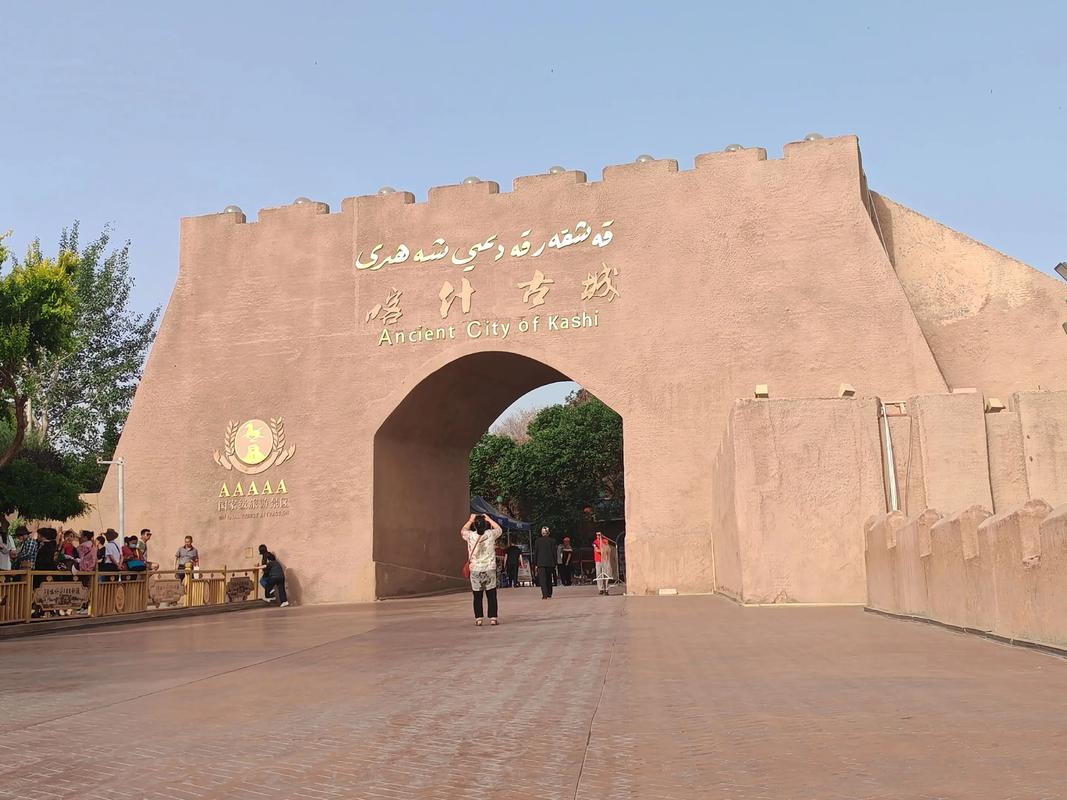
Uyghur literature’s classical roots — Navoi and the Chagatai canon
The deep root is Chagatai, the written Turkic language that flourished from the 15th century and stayed a literary standard for centuries. Its towering figure is Ali Shir Nava’i, a Timurid courtier who argued, in a famous verse debate, that Turkic could carry as much feeling as Persian. His ghazals circulate today in cheap reprints you will see stacked in Kashgar and Urumqi bookshops. You do not need the language to feel the structure: the rhyme lands at the line’s end, and Uyghur speakers still quote him the way English speakers quote Shakespeare.
Modern voices you can quote at dinner
Two 20th-century names come up constantly. Lutpulla Mutellip, who died young, wrote lyrics about youth and labour that older Uyghur people recite without prompting; there is a memorial to him in Artush (Atush), a short hop from Kashgar. Abdurehim Otkur, from Ghulja (Yining), wrote “Oyghan” — “Awaken” — a civic poem so widely taught that a taxi driver in Ili quoted me a line unprompted. If you learn one couplet before the trip, learn a line from either man; it opens conversations that guidebooks do not.
Where the poetry leaves the page
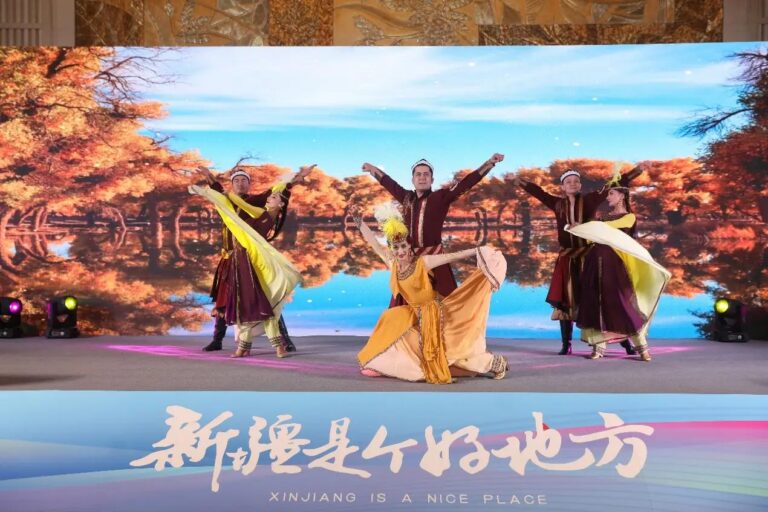
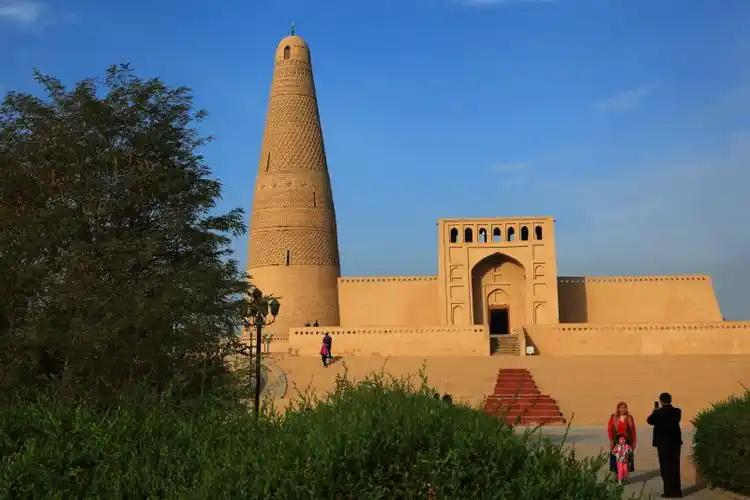
Uyghur writing is unusually musical, and that is your advantage as a visitor. The Twelve Muqam are suites where classical poems are sung over cycles of instruments — you can hear shortened versions at performances in Kashgar and Urumqi, and the full form sits on UNESCO’s list. Walk into any older mosque or mausoleum and look up: Persian and Uyghur couplets run along the tilework and wooden beams, a built-in anthology you would otherwise miss. And at a meshrep — a neighbourhood gathering of music, dance and recitation — poetry is performed, not displayed.

Bookshops, and what to actually buy
You will not find a dedicated “Uyghur poetry” store, but you will find shelves. In Kashgar, the lanes off the main old-city drag and the shops near the Id Kah area carry bilingual chapbooks and anthologies. In Urumqi, the International Bazaar and the blocks around the major publishing houses stock fuller collections, including the Muqam lyric anthologies. Two publishers dominate the shelf — Xinjiang People’s Publishing House and its Kashgar branch — and both issue bilingual series aimed at exactly the curious visitor you are. Look for the thin, stapled pamphlets over the glossy coffee-table books: they are cheaper, easier to carry, and usually closer to what people actually recite. Buy the bilingual editions if your Uyghur is like mine (nonexistent) — the facing translation lets you read along. A small notebook of ghazals makes a better souvenir than a keyring, and it weighs nothing.
Poetry on the smallest surfaces
Once your eye adjusts, you will find verse everywhere. Couplets run along the top of bakery signs. A taxi’s rear-view mirror might hang a printed ghazal. The menu at a nan shop in Atush I visited had a two-line poem printed above the prices, and the owner insisted I read it before ordering. None of this is staged for tourists; it is the written language doing its normal job, and noticing it is its own kind of sightseeing. The trick is simply to slow down and let the script be visible instead of background.
A few words about the script
Uyghur uses a Perso-Arabic script with a handful of extra letters, written right to left. Do not expect to sound out street signs from a Latin-alphabet habit. The practical tip: learn to recognise the shape of a few words — kitab (book), shair (poet), muzika (music) — and you will start spotting them on shop fronts and flyers, which turns the city into a readable place. Language learners should start with our Uyghur and Chinese phrase guide before hunting for verse.
A literary day in Kashgar
If you want one good day built around words rather than viewpoints, try this. Morning: walk the old city lanes east of Id Kah and browse the bookstalls before the heat. Late morning: step into a teahouse, order a pot, and ask (gesture works) if anyone will recite — someone usually will. Afternoon: visit the Kashgar Old City courtyards and read the couplets on the beams. Evening: catch a muqam snippet at a performance space, then dinner at a bazaar where the callers sing their prices. It is a full day with maybe 40 yuan of spending.
Reading list before you fly
Bring context, not homework. A bilingual anthology of Uyghur ghazals is the single best buy. Pair it with a listen to one Muqam suite on the plane — the muqam and daily-life culture overview explains the form. If you want the older frame, skim a Silk Road history chapter so the Chagatai era makes sense on arrival. And for the oral side, our folktales and storytelling piece covers the Afanti tales that live alongside the written canon.
Frequently asked questions
Do I need to read Uyghur to enjoy this? No. Bilingual editions and performances carry you; the script is a bonus, not a gate.
Is the poetry religious? Some is, much is not. Muqam draws on Sufi imagery, but Mutellip and Otkur wrote civic and personal verse. Treat each piece on its own terms.
Can I photograph the bookstalls? Ask first. Most sellers are proud and happy; a few have delicate stock and prefer you do not flash.
Will I hear poetry outside Kashgar? Yes — Yining, Artush, and Urumqi all have living scenes, and rural meshrep events happen through the warmer months.
Disclaimer: This is a traveller’s introduction, not a scholarly survey. Titles, dates and venues change; verify opening hours and event schedules locally before you go, and treat any purchase as a keepsake rather than a collected edition. Respect shopkeepers’ wishes about photography and handling stock.
About the author
Karl Huang is a travel writer who has spent nine seasons moving through Xinjiang by train, coach and rented car. He writes practical, first-hand guides for Xinjiang Attractions and believes the best souvenirs are the ones you can reread.