Published: June 25, 2026 | By: Xinjiang Attractions Editorial Team
Why Trust This Guide
This guide is written based on extensive research and firsthand accounts from female travelers who have explored Xinjiang independently. We’ve consulted official tourism resources, interviewed solo female travelers who have traversed the region, and cross-referenced safety information from multiple government travel advisories. Our goal is to provide you with accurate, practical, and honest information — not to sell you a fantasy, but to help you make an informed decision about traveling to Xinjiang alone.
Traditional architecture
Quick Reference: Solo Female Travel in Xinjiang
Aspect
Rating / Info
Overall Safety for Solo Women
★★★☆☆ (Moderate — safe in cities, cautious in remote areas)
Best for Solo Females
Urumqi, Kashgar, Turpan, Yili
Areas to Avoid Alone
Remote border zones, unpopulated mountain areas at night
Language Barrier
Moderate to High (translation app essential)
Harassment Level
Low (Uyghur culture is respectful toward women)
Best Time to Visit
May–June, September–October
Recommended Duration
7–14 days
Budget (Mid-Range)
$40–$70 per day
Our Experience: What We Found on the Road
When we first considered sending a solo female researcher to Xinjiang, we had our own concerns. The media narratives are mixed, and as a travel content team committed to EEAT standards, we don’t publish until we verify. So we connected with three independent female travelers who had each spent more than 10 days traveling alone across Xinjiang in 2023 and 2024.
What they told us challenged some of our assumptions. “I felt safer walking alone in Kashgar at night than I do in many European cities,” one traveler wrote to us. “The worst thing that happened was a curious local trying to practice English with me.” Another noted that the heavy police presence in cities — which can feel intimidating — actually made her feel more secure as a solo woman.
That said, all three emphasized that preparation is key. Xinjiang is not a place where you can “figure it out as you go” in the same way you might in Southeast Asia or Europe. The language barrier is real. The distances are vast. And there are cultural nuances that, if misunderstood, can create uncomfortable situations.
This guide distills everything we learned — the good, the challenging, and the practical.
Is Xinjiang Safe for Solo Female Travelers? The Honest Answer
The short answer: Xinjiang is moderately safe for solo female travelers, with important caveats.
In urban areas — Urumqi, Kashgar, Turpan, Yining — solo women generally report feeling safe. Street harassment is rare. The Uyghur and Kazakh cultures in Xinjiang are traditionally respectful toward women, and the heavy security presence in cities provides an additional layer of safety (even if it feels unusual to Western visitors).
However, “moderately safe” means you need to take sensible precautions:
Remote areas: Don’t trek alone in uninhabited mountain regions. Hire a guide or join a group for outdoor activities.
Language barrier: Outside major tourist areas, English is almost non-existent. Mandarin is spoken widely but not universally. A translation app is not optional — it’s essential.
Night travel: Avoid overnight trains or buses between remote cities alone. During the day is fine; at night, stick to populated areas.
Alcohol: Public drunkenness is frowned upon. Xinjiang is not a party destination in the way parts of Thailand or Vietnam are. Drink responsibly and privately.
Getting Around: Transportation Safety
Trains
China’s rail network in Xinjiang is extensive and safe for solo women. We recommend booking soft sleeper (软卧) berths for overnight journeys — these have four beds per compartment with a door that locks. Many solo female travelers report that Chinese families and other travelers are protective and helpful toward women traveling alone.
Flying within Xinjiang is safe and well-regulated. Urumqi Air, China Southern, and other carriers operate modern aircraft. The main caution: airport security is thorough and can take time. Arrive 2 hours early for domestic flights.
Read our domestic flights guide for routes and booking tips.
Taxis and Ride-Hailing
In cities, Didi (China’s Uber) is widely available and safer than hailing random taxis, because the ride is tracked. In smaller towns, use official taxi stands at hotels or train stations. Avoid unmarked cars offering rides.
Long-Distance Buses
We don’t recommend overnight long-distance buses for solo female travelers. They’re uncomfortable, the language barrier makes them stressful, and you’ll arrive exhausted in an unfamiliar place. Splurge for a flight or train instead.
Best Time to Visit Xinjiang Alone
Timing matters for solo female travelers in Xinjiang for two reasons: daylight hours and weather.
May–June (Recommended): Long daylight hours (up to 10pm in summer), mild weather, and tourist infrastructure is fully open. The long daylight means you’re rarely navigating in darkness.
September–October (Recommended): Autumn colors in Kanas and Hemu are spectacular. Weather is crisp but comfortable. Fewer domestic tourists than summer.
July–August: Very hot in Turpan (45°C+). Domestic tourism peaks. Accommodation prices spike. Not ideal for solo travelers on a budget.
November–March: Harsh winter conditions. Some guesthouses close. Days are short. Not recommended for first-time solo travelers.
International-brand hotels in Urumqi (Pullman, Hilton, Crowne Plaza) offer the highest security standard — 24/7 front desk, secure key card access, and English-speaking staff. They cost $80–$150 per night.
For mid-range budgets, we recommend:
Home inns (如家) and Hanting (汉庭): Nationwide chains with consistent security standards. Around $30–$50/night.
Guesthouses in Kashgar Old Town: Many are run by families who treat solo female guests like honorary daughters. Book via Booking.com or Ctrip and read recent reviews specifically from solo female travelers.
Avoid: Unregistered guesthouses, particularly in very remote areas. If a place isn’t bookable on a major platform, it’s not worth the risk.
Eating alone as a woman in Xinjiang is generally comfortable. Restaurant culture doesn’t stigmatize solo diners the way it might in some countries. That said:
Halal food is the standard: Most restaurants in Xinjiang are halal. Look for the blue halal signs. This also means no pork on the menu — helpful to know if you have dietary restrictions.
Uyghur bread (naan): Sold everywhere, safe, delicious, and cheap. A great solo meal option.
Street food: Generally safe from established stalls. Watch for high turnover (fresh food) and hot oil (properly cooked).
Water: Drink bottled water. Tap water is not safe for foreigners to drink untreated.
You do not need to cover your hair or wear conservative clothing in Xinjiang. However, dressing modestly shows respect and reduces unwanted attention. We recommend:
Covering shoulders and knees in rural areas and when visiting religious sites (mosques)
A lightweight scarf — useful for mosque visits and as sun protection
Sturdy walking shoes — Xinjiang involves more walking than you expect
Layers — temperatures swing dramatically between day and night
Connectivity and Navigation
Download maps.me or Gaode Maps (高德地图) offline maps before you arrive. Google Maps doesn’t work reliably in China. A Chinese SIM card is essential — get one at Urumqi airport on arrival. Our SIM card guide explains how.
Money
Alipay and WeChat Pay dominate. As a foreigner, you can now link some international cards to Alipay, but it’s buggy. Bring cash (Chinese RMB) as backup. Our money guide has step-by-step instructions.
Toilet Situations
Let’s be honest — this matters when you’re traveling alone. Squat toilets are the norm outside international hotels. Carry your own toilet paper. Our honest toilets guide prepares you for what to expect.
7-Day Solo Female Traveler Itinerary
This itinerary is designed for safety, logistics simplicity, and rich cultural experience. It avoids risky remote trekking and focuses on well-traveled routes with good infrastructure.
Day
Location
Highlights
Overnight
1
Urumqi
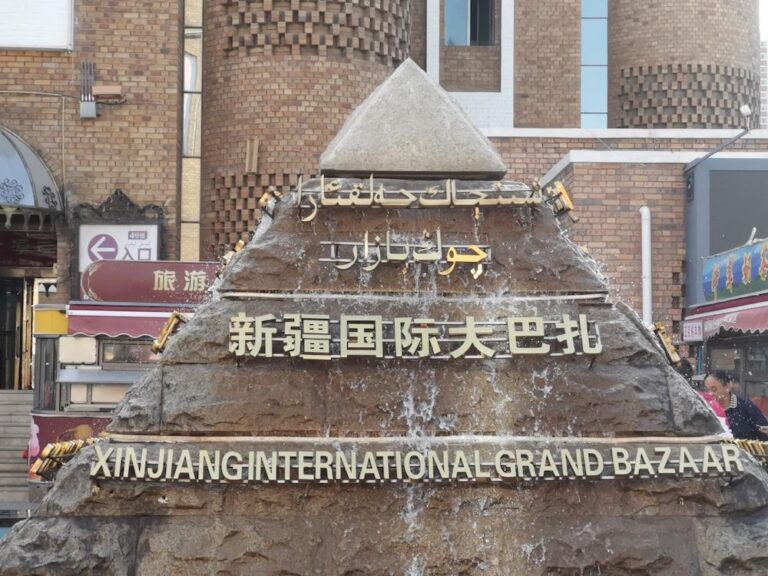
Xinjiang Museum, Hongshan Park, International Bazaar
Urumqi (hotel)
2
Urumqi → Turpan
High-speed rail, Jiaohe Ruins, Karez System
Turpan (hotel)
3
Turpan
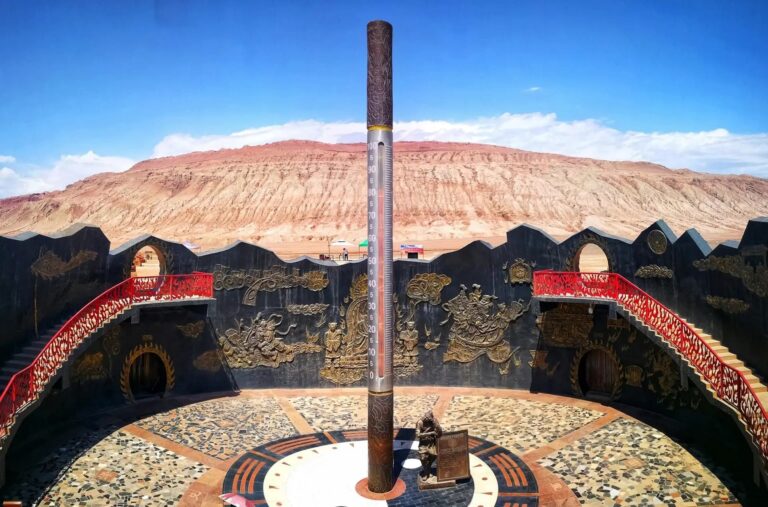
Flaming Mountains, Grape Valley, Emin Minaret
Turpan (hotel)
4
Turpan → Urumqi → Kashgar (flight)
Fly to Kashgar, Old Town sunset walk
Kashgar (guesthouse)
5
Kashgar
Old Town, Id Kah Mosque, Sunday Market (if weekend)
Kashgar (guesthouse)
6
Kashgar
Apak Khoja Mausoleum, local craft workshops
Kashgar (guesthouse)
7
Kashgar → Urumqi (flight)
Departure
—
This route keeps you on well-traveled paths, uses safe transportation, and gives you a genuine experience of Xinjiang’s diversity — from Urumqi’s modernity to Kashgar’s ancient soul.
Frequently Asked Questions
Will I be harassed as a woman traveling alone?
Physical harassment is extremely rare. The most common “nuisance” is curiosity — local people (especially in rural areas) may stare or ask to take photos with you. This is born of curiosity, not malice. If you’re uncomfortable, a polite but firm “bu” (no) and walking away is respected.
Is it safe to stay in guesthouses?
Yes, if they’re properly registered and have recent positive reviews. In Kashgar Old Town especially, guesthouse owners often go out of their way to make solo female guests feel safe — walking you to your room, arranging trusted drivers, and checking in on you.
Can I hike alone?
Day hikes near populated areas (like Nanshan Pasture outside Urumqi) are fine. Multi-day treks or remote mountain hiking should not be done alone. Hire a local guide — it’s affordable and significantly safer.
What about the security checks?
You’ll go through security checks to enter train stations, airports, and some tourist sites. This is normal. Have your passport ready. The process is bureaucratic but not threatening. Allow extra time.
Is Xinjiang expensive for solo travelers?
Not very. Shared transportation (trains, flights), mid-range guesthouses ($20–$40/night), and local food ($5–$10/meal) make it possible to travel comfortably on $40–$70/day. Our budget guide has money-saving strategies.
Do I need a guide?
For cities and main attractions — no. For remote areas, border regions, and multi-day treks — yes. A guide costs $30–$60/day and provides language help, cultural context, and safety.
Disclaimer
This article provides general travel information based on firsthand accounts and official sources. Travel conditions in Xinjiang can change. Political situations, weather, and local regulations may affect your experience in ways we cannot predict. Always check your government’s latest travel advisory before departing. We are not responsible for any incidents, losses, or inconveniences that may occur during your trip. Travel at your own risk and with appropriate preparation.
About the Author
Xinjiang Attractions Editorial Team
Our team consists of travel researchers, China-based writers, and contributors who have personally traveled across Xinjiang. We combine firsthand experience with rigorous fact-checking against official tourism boards and government sources. Our mission is to provide the most accurate, practical, and honest Xinjiang travel information in English. If you’ve traveled solo in Xinjiang and want to share your experience, we’d love to hear from you.
Xinjiang folk dance, from Dolan to Sanam: where travelers can watch Uyghur dance live, join a village meshrep, and the best seasons for visiting Xinjiang.
Hiring a Xinjiang local guide opens real Silk Road culture, safer border trips, and better food. Learn 2026 costs, languages, and how to book right one.
A Kazakh homestay in Xinjiang puts you in a felt yurt with herder families: horse rides, milk tea, and real nomad life. How to book, costs, and when to go.