Published: July 22, 2026 | Author: Xinjiang Attractions Editorial Team
Why you can trust this guide
We have spent three separate trips chasing the night sky across Xinjiang, from the Gobi edge outside Turpan to the frozen shore of Sayram Lake in February. This is not a roundup copied from a tourism brochure. Every location below is a place we have stood under with a camera on a tripod, watching our own breath turn to ice. We also checked our climate notes against the Xinjiang Meteorological Bureau’s public seasonal summaries and the International Dark-Sky Association’s Bortle-scale descriptions. Where we are unsure, we say so plainly. For a daytime version of the same wide horizon, there is also ballooning over the Xinjiang landscape, best in the hour after sunrise.
What makes Xinjiang stargazing so good
Xinjiang stargazing works because the region sits thousands of kilometres from China’s coastal light domes. Much of the Tarim and Junggar basins sees fewer than twenty cloudy nights a year, and at altitude on the Pamir and Tianshan ranges the air is thin, dry, and clean. On a moonless night away from the cities you can pick out individual stars in the Pleiades without effort, and the winter section of the Milky Way is bright enough to throw a faint shadow on open sand.
When we first drove out to the Yadan “Ghost City” near Urho, we figured on a quick look. We left three hours later with stiff fingers and just over four hundred frames. The eroded rock towers made a far better foreground than any forest edge we had shot back in Europe, and the silence was total except for the wind moving through the gullies.
Quick reference: the spots at a glance
| Spot | Region | Darkness (Bortle) | Best season | Foreground strength |
|---|---|---|---|---|
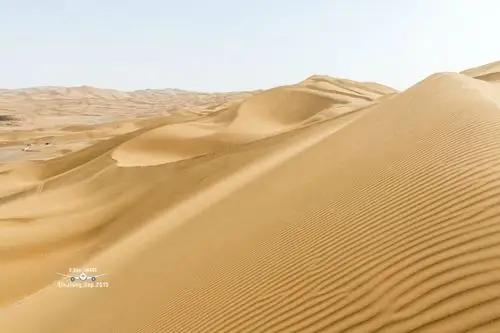
| Kumtagh Desert | Turpan / Shanshan | 1–2 | Oct–Apr | Dunes, no clutter |
| Ghost City (Yadan) | Urho, north Xinjiang | 2 | Apr–Oct | Rock towers (excellent) |
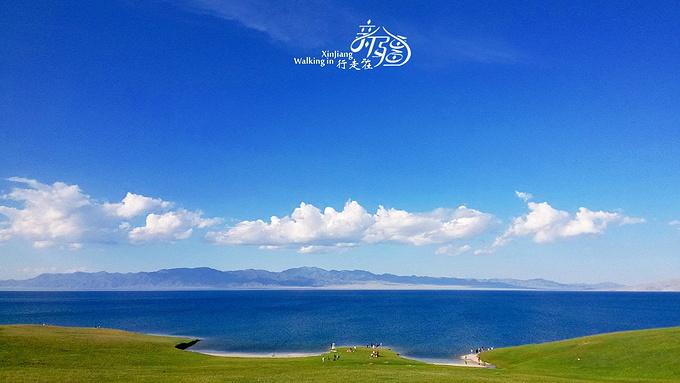
| Sayram Lake | Bortala, Tianshan | 2–3 | Jun–Sep | Alpine water reflection |
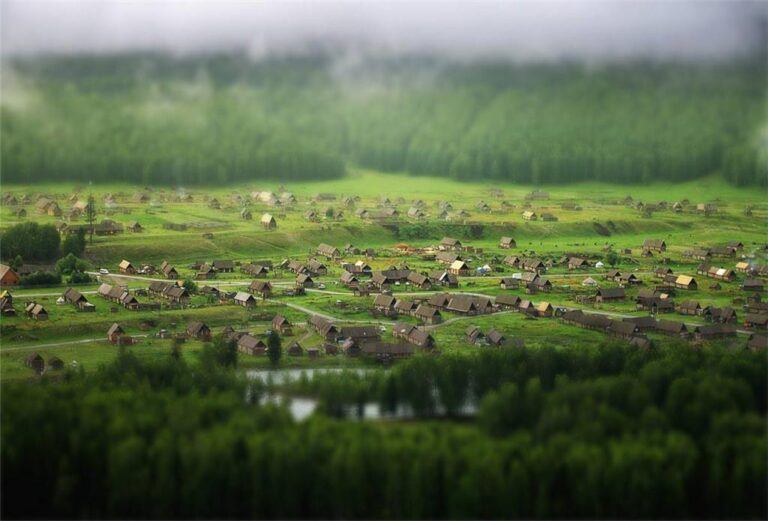
| Kanas / Hemu | Altay, north Xinjiang | 3 | Sep–Feb | Wooden village, birch |
| Pamir Plateau | Tashkurgan | 1–2 | May–Sep | Snow peaks, high altitude |
A night we will not forget
The clearest sky we have personally photographed was in late January at Sayram Lake. The temperature sat around minus 24 Celsius. We set up at 9 p.m., when the galactic core had already set but Orion and the winter clusters were overhead. Within twenty minutes the camera LCD showed stars we could not see with our eyes. The lake was frozen solid and made a flat mirror, so a single long exposure caught the stars twice: once above and once below the ice line. We kept spare batteries inside our coats and swapped them every twenty minutes; cold killed two cells completely before we learned the trick.
Best spots, in plain terms
Kumtagh and the Taklamakan edge. The Taklamakan desert gives you a flat horizon with nothing between you and the stars. Kumtagh is the easy version: it reaches the edge of Shanshan town, so you can shoot and sleep in a hotel the same night. Bring a sand sheet for the tripod legs; fine sand works into every zip.
Ghost City (Yadan landform). Best for people who want a dramatic subject, not just sky. The rock towers catch the last blue light and then frame the stars. Go on a new-moon weekend and arrive before dark so you can scout compositions on foot.
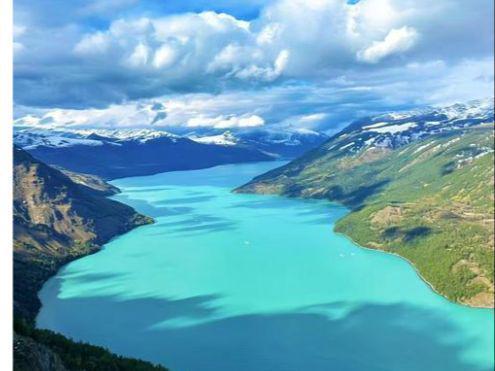
Sayram Lake and Kanas. Water adds a reflection you cannot fake. Sayram is higher and darker; Kanas and Hemu are lower and have more tree cover, but the wooden cabins and birch make a cosy foreground that readers recognise instantly.
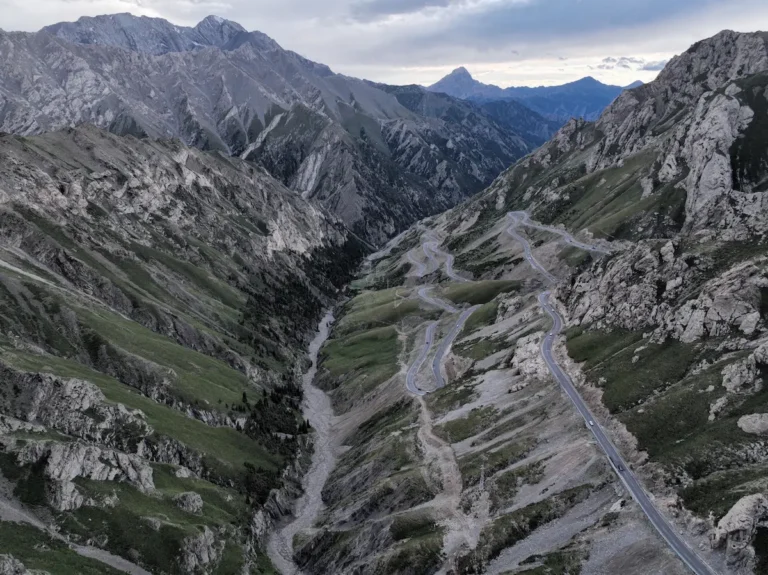
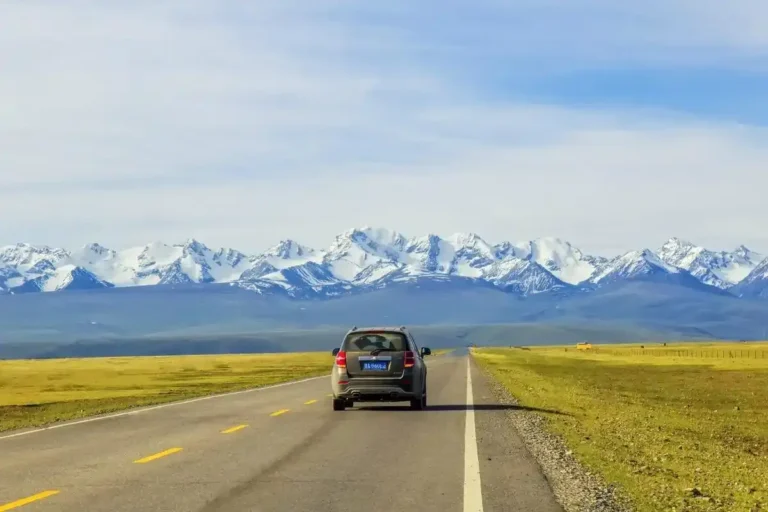
Pamir Plateau. The highest, driest air in the region. Reaching Tashkurgan takes a border permit for foreign visitors, and the road there (the Kashgar–Tashkurgan drive) is itself a long day, so plan a night or two rather than a quick run.
How to get to the dark sites
Most of these places have no public transport after dark, and ride apps do not reach them at all. A self-drive itinerary is the realistic way to shoot on your own schedule, because the best light (and the best dark) lands well after the last bus home. If you would rather not drive, several Urumqi and Kashgar agencies run overnight stargazing tours to Sayram and the Pamir in summer; book through a registered operator and confirm they carry the right permits.
Best time of year
For the bright galactic core, aim for late March through October, with June to August giving the highest and longest arc. Spring and autumn are the most comfortable: dry, mild, and not yet swarming with mosquitoes at the lakes. Winter gives the clearest, most stable air and the fewest tourists, but temperatures at Sayram and on the Pamir drop past minus 20 Celsius at night, which is hard on both people and equipment.
Where to stay
Near the cities (Turpan, Urho, Bortala) you can sleep in a normal hotel and drive out for the shoot. At Sayram, Kanas, and the Pamir, stay inside the scenic areas or in the nearby town and walk or drive a short distance to an open viewpoint. We have found yurt stays and wooden-cabin guesthouses around Kanas surprisingly warm once the stove is lit, and they put you minutes from a dark horizon without a long cold drive back.
Food at 1 a.m.
Night shooting builds a real hunger. In town you can still find chuanr (mutton skewers) and hot laghman noodles at night markets until late, and a flask of milk tea keeps fingers working. Out at the dunes or the lake, pack your own: flatbread, boiled eggs, nuts, and a thermos. There is no shop at a dark-sky site, by definition.
Practical tips for the shoot
- Watch the moon. New-moon weeks are the only time the core shows cleanly. Use a moon-phase calendar and plan around it, not around your flight.
- Gear. A wide fast lens (f/2.8 or faster), a sturdy tripod, a remote or intervalometer, and a headlamp with a red mode. A bright white light ruins your night vision and your neighbour’s frame.
- Settings to start. We usually open at the lens’s widest stop, set 15–20 seconds for a full-frame wide lens (shorter to avoid star trails on tighter focal lengths), and ISO 1600–3200, then check the histogram and adjust.
- Batteries. Cold cuts life sharply. Carry three and keep two in inner pockets. A hand warmer taped to the body helps on long winter nights.
- Safety. Tell someone your plan and return time. Download offline maps; signal disappears fast beyond the oasis towns. Carry extra fuel and water even in winter.
A sample 3-night plan
Night 1 – Urho / Ghost City. Arrive before sunset, scout, shoot the blue hour and the core, sleep in Urho.
Night 2 – Sayram Lake. Drive the G30 or the scenic route, check in near the lake, shoot after astronomical dark, watch for the ice reflection.
Night 3 – Kumtagh Desert (Shanshan). Long drive south, easy dune shoot at the town’s edge, hotel sleep, early start home.
Frequently asked questions
Do I need a special permit to photograph the stars? Not for most sites. The Pamir Plateau around Tashkurgan does require a border permit for foreign visitors, and some scenic areas charge a night-entry or camping fee. Check the current rule with the local tourism office before you go.
Can I shoot with just a phone? Newer phones have a night mode that does a respectable job of the bright Milky Way, but a dedicated camera on a tripod still wins on quality and on foreground detail. Use a small tripod and the phone’s pro or night setting.
Is it safe to be out alone at night? The main risks are cold, getting lost, and running out of fuel, not people. Stay on known tracks, share your plan, and keep the car within reach.
When is the Milky Way core visible? From late March to October in the northern sky, highest and clearest from June to August. In winter you get excellent views of Orion, the Pleiades, and other deep-sky objects instead.
Disclaimer
This guide reflects our own trips and publicly available climate and dark-sky information at the time of writing; weather, access rules, and permit requirements in Xinjiang change, and some scenic areas restrict night entry or camping without notice. Always confirm the current rules with the local tourism authority or a registered operator before you travel, and assess conditions for yourself on the night. We are not responsible for any loss, injury, or missed shot resulting from following this advice. Photograph responsibly and leave every site as dark and clean as you found it.
About the author
The Xinjiang Attractions editorial team is a small group of travellers who have driven, hiked, and camped across all fourteen prefectures of the region. We write from first-hand visits and verify practical details against official sources so that what you read here actually works on the ground. Questions or a spot we missed? Reach us through the contact page.