Published: July 21, 2026 | Author: Liam Foster, Xinjiang travel writer (14 years on the ground in the region)
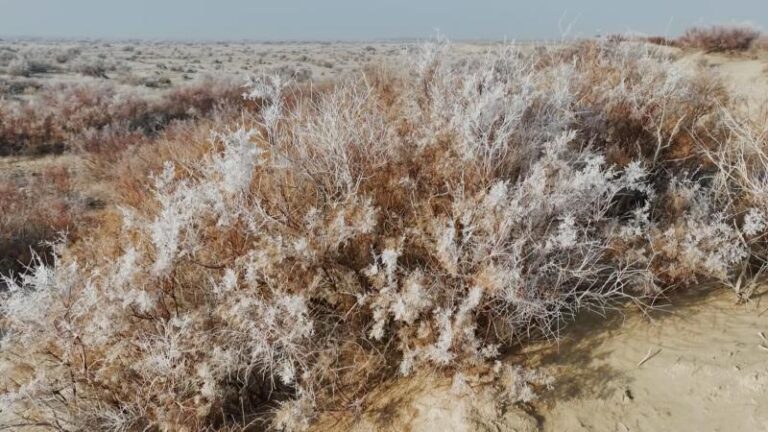
I have driven past a lot of “gateway to the desert” signs in my years covering Xinjiang, and most of them are wishful thinking — the actual sand sits an hour’s drive down a bumpy track. The Shanshan Kumtagh Desert is the exception I keep telling people about. Here the dunes press right up against the last row of houses. You can be eating hand-pulled noodles on a shaded street and, three minutes later, be sinking ankle-deep into sand that runs unbroken toward the horizon. That collision of ordinary town life and raw desert is the whole point, and it is why Shanshan (Piqan) earns a stop on any eastern-Xinjiang route.
This guide pulls together two trips I made to Shanshan — a scorching June run in 2022 and a much friendlier October visit in 2024 with my regular Turpan driver, Ablikim, who grew up in a village just north of the dunes. Everything below is what I saw, paid, and learned the hard way, not brochure copy.
Why you can trust this Shanshan Kumtagh Desert guide
I write about Xinjiang for a living, and I check ticket prices and transport details on the ground rather than copying them from older posts. Prices shift, scenic-area shuttle routes change, and summer heat in the Turpan basin is no joke — so I have flagged where things caught me out. Where I am unsure about a seasonal detail, I say so instead of guessing. For official operating hours and any current entry rules, always confirm with the Shanshan Kumtagh Desert scenic area before you go.
Quick reference
| Location | Southern edge of Shanshan (Piqan) County, Turpan Prefecture, eastern Xinjiang |
| What it is | Sand-dune desert whose edge meets the town — one of very few in the world you can walk into from a street |
| Ticket | Around ¥40 park entry; sandboarding, camel rides, buggies and the shuttle cost extra (¥30–¥180 depending on activity) |
| Best months | April–early June and September–October; avoid midsummer midday |
| Time needed | Half a day for the dunes; a full day if you pair it with Turpan sights |
| Getting there | High-speed rail to Shanshan North, then a ¥15–20 taxi; or ~90 km drive east from Turpan city |
| Altitude | Low — the Turpan basin is one of the lowest, hottest places in China |
What makes the Kumtagh Desert different
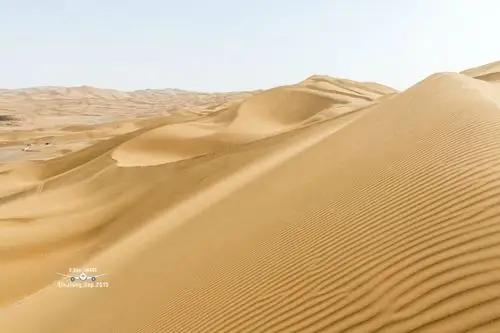
“Kumtagh” comes from the Turkic words for sand (kum) and mountain (tagh), and once you stand at the base of the first ridge the name makes sense — the dunes rise in steep, sculpted walls rather than the low ripples I expected. The scenic area sits at the northern lip of a much larger sand sea that stretches south and east. What tourists actually visit is a manageable pocket right behind Shanshan town, where boardwalks, a shuttle road and activity zones have been built into the dunes.
The selling point locals repeat, and it holds up, is proximity. In most of Xinjiang you commit half a day just to reach sand. Here the transition is abrupt and slightly surreal: poplar-lined irrigation channels and grape trellises on one side, a towering dune field on the other, with almost nothing in between. On my first visit I honestly did not believe it until I saw a woman hanging laundry with a hundred-metre dune filling her back window.
My experience on the dunes
In October 2024 Ablikim dropped me at the gate a little after 4 pm on purpose. Midday, he warned, the sand throws heat back at you and the light goes flat and white. He was right. We rode the little shuttle partway in, then climbed a ridge on foot — slower and sweatier than it looks, because for every two steps up you slide one back. At the top the wind had carved the crest into a knife edge, and the low sun turned the whole slope amber and violet as it dropped. I stayed until the first stars came out; the sky over Shanshan, away from big-city glare, is genuinely good.
The activity menu is broad. I tried sandboarding down a beginner slope (clumsy, fun, sand everywhere for days), watched a group launch on paragliders, and passed on the dune buggies, which are loud and pricey but popular with families. Camel rides plod along a fixed loop near the entrance — fine for a photo, less so if you want quiet. My honest advice: skip the noisy add-ons, pay for the shuttle to save your legs, and spend the saved energy walking out to a quieter ridge for sunset. That is where the desert stops being a theme park and starts being the real thing.
Getting to Shanshan
Shanshan is far easier to reach than its remote-sounding name suggests, because the Lanzhou–Xinjiang high-speed line runs straight through it. From Urumqi it is roughly one and a half to two hours to Shanshan North station; from Turpan it is a short hop. I have taken the Xinjiang high-speed rail on both trips and would do it again — it is comfortable, punctual, and skips the long desert-highway monotony.
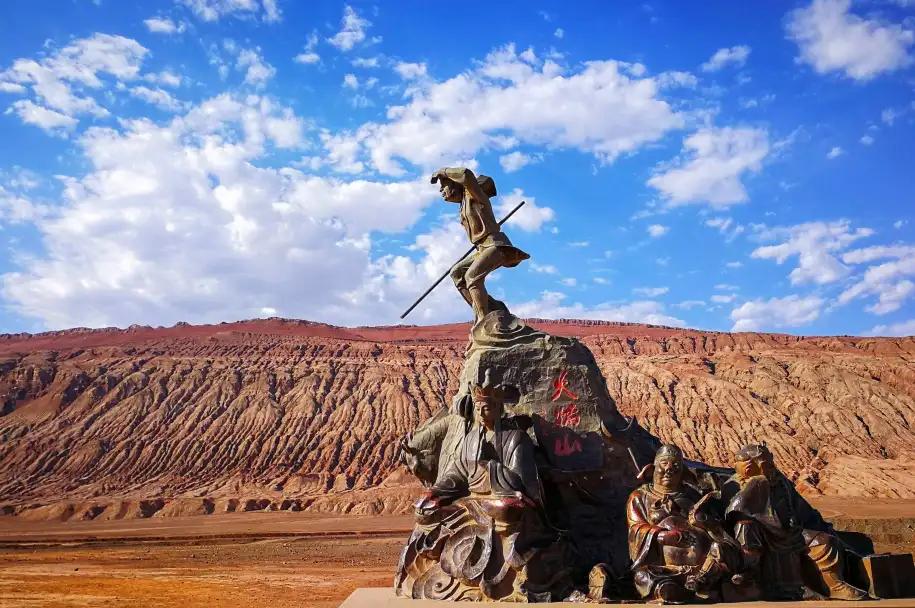
The catch is the last leg. Shanshan North station sits outside town, so budget a ¥15–20 taxi to the scenic area, which is only a few kilometres south of the town centre. If you are driving, Shanshan is about 90 km east of Turpan city on a fast, flat road; the whole eastern arm of the Flaming Mountains runs beside you for part of the way, which is a scenic bonus in its own right.
Best time to visit
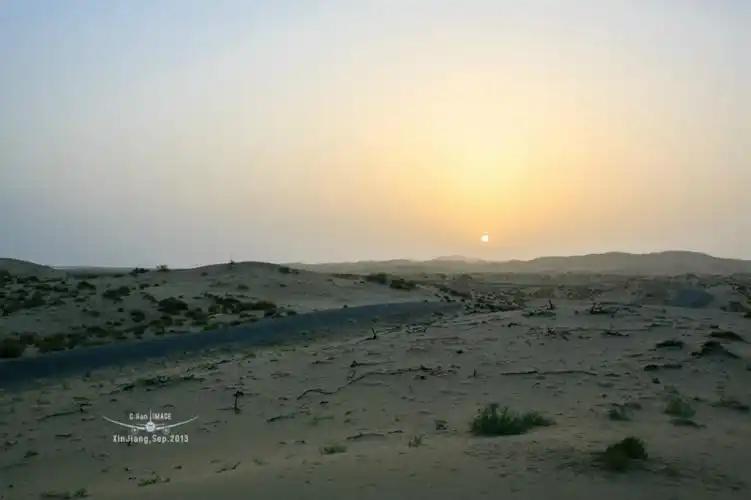
The Turpan basin is the hottest corner of China in high summer, and Shanshan sits right in it. When I came in June the surface sand was too hot to touch by early afternoon and I retreated to a teahouse until the sun dropped. If you can, aim for late April to early June, or September into October, when days are warm but the dunes cool off in the evening. October also lines up with the grape and melon harvest, which is worth timing your trip around.
Whatever month you choose, treat the desert as a morning-and-evening destination. Arrive for sunrise or from mid-afternoon onward, and use the blank midday hours for lunch, a nap, or an indoor sight in Turpan. Winter is quiet and cold; the dunes take on a stark beauty, but many activity operators scale back or close.
Where to stay
Most travellers base themselves in Shanshan town, which has a cluster of clean mid-range hotels and family guesthouses within a short ride of the dunes. I stayed at a simple business hotel near the main square in 2024 for well under ¥300 a night, breakfast included, and it was perfectly comfortable. There are also desert-edge camps and yurt-style lodgings marketed for the “sleep beside the dunes” experience — atmospheric, but check what is actually included, because some are little more than a tent and a shared toilet block.
Plenty of people skip an overnight in Shanshan entirely and visit as a day trip from Turpan, which has a wider range of hotels and more evening life. If your schedule is tight, that works. If you want the sunrise on the dunes, though, staying in Shanshan the night before is the only sensible way to do it.
What to eat
Shanshan is melon country. The surrounding fields grow some of the sweetest Hami melons and grapes in Xinjiang, and in late summer roadside stalls practically give them away. Beyond the fruit, this is classic Uyghur eating territory: chunky laghman noodles, lamb kebabs grilled over open coals, and hand-torn nan straight from the tandoor. Ablikim took me to a family place off the main street where the owner pulled our noodles to order and refused to let us leave without a plate of cold sliced melon. I did not argue.
One practical note: carry water everywhere. The dry heat here dehydrates you faster than you notice, and there is little shade once you are on the sand. I went through two large bottles on a single late-afternoon walk without feeling especially thirsty until afterward.
Practical tips
- Wear closed shoes you do not mind emptying, or go barefoot on the sand — sandals fill instantly.
- Bring a scarf or buff. Wind whips fine sand across the crests and it gets into everything, cameras included.
- Sun protection is non-negotiable: hat, sunglasses, high-SPF cream. The reflected glare off pale sand is intense.
- Pay for the shuttle if you plan to reach the higher dunes; walking in from the gate in heat is a slog.
- Cash is handy for small activity stalls and melon sellers, though mobile payment works at the main ticket office.
- Time your visit for the golden hour. Midday photos of the dunes look flat; low sun brings out every ridge.
A sample day
Here is the rhythm that worked for me. Take an early high-speed train from Urumqi or Turpan to Shanshan North and drop your bag at a town hotel. Have an early laghman lunch, then rest through the hottest part of the day. From about 4 pm, head to the scenic area, ride the shuttle in, climb a ridge, and settle in for sunset and the first stars. Back in town for a late dinner of kebabs and melon. If you have a second day, pair the dunes with Turpan’s Gaochang ruins and the Astana Tombs before heading on.
FAQ
Is the Shanshan Kumtagh Desert really next to the town?
Yes. The dunes reach the southern edge of Shanshan, and you can walk from streets and orchards straight onto the sand. It is genuinely one of the few places in the world where a desert meets a settlement this closely.
How much does it cost?
Park entry is around ¥40 when I visited, with activities like sandboarding, camel rides and buggies charged separately. Confirm current prices at the gate, as they change seasonally.
How long should I spend there?
Half a day is enough for the dunes themselves if you focus on sunrise or sunset. Pair it with Turpan’s Silk Road sights to fill a full, satisfying day.
Can I visit in summer?
You can, but only in the early morning and evening. Midday sand and air temperatures in the Turpan basin are extreme; plan around them rather than fighting them.
Do I need a permit?
No special permit is needed for the scenic area itself. Bring your passport for train travel and hotel check-in, as you would anywhere in Xinjiang.
Disclaimer
Prices, transport schedules and scenic-area operating details were accurate as of my last visit in October 2024 but can change without notice. This article reflects my personal experience and is intended as general travel guidance, not official advice. Always verify current tickets, opening hours and any entry requirements with the scenic area or a licensed local operator before you travel.
About the author: Liam Foster has spent 14 years travelling and writing about Xinjiang, from the Pamir plateau to the Taklamakan fringe. He focuses on honest, on-the-ground reporting — real prices, real logistics, and the small details that make a trip work. For more eastern-Xinjiang planning, see his guides to Jiaohe Ancient City and the wider Turpan region.