Published: July 5, 2026 | Author: Xinjiang Attractions Editorial Team
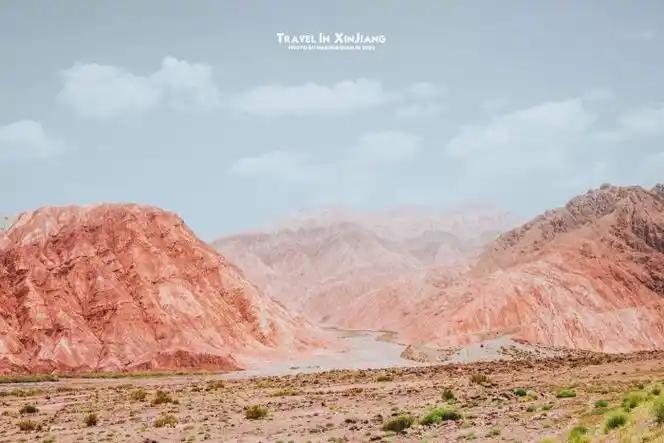
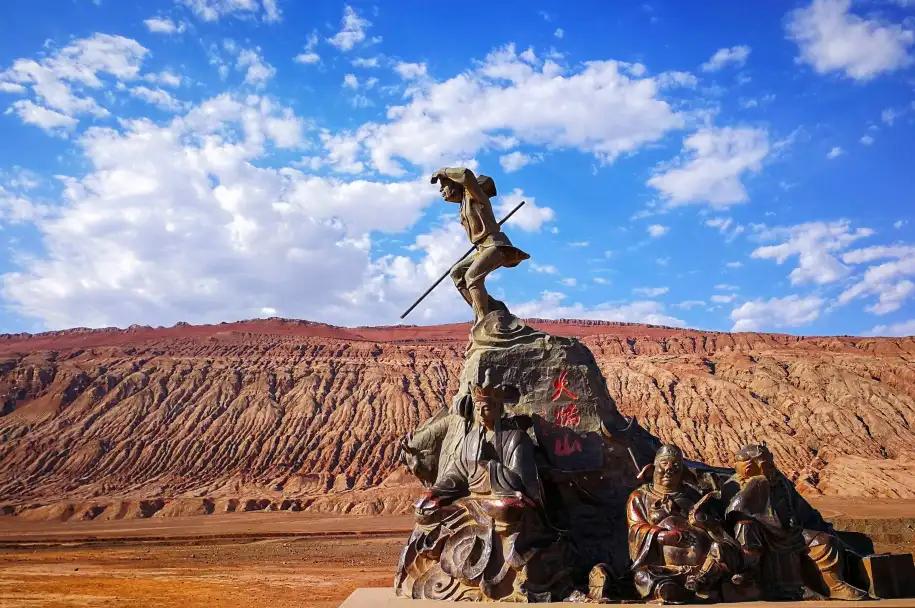
If you’ve ever seen photos of Xinjiang’s Turpan region, you’ve likely seen the Flaming Mountains (火焰山, Huǒyànshān)—a jagged, rust-red mountain range that seems to glow in the intense desert sun. According to legend, this is where the Monkey King (Sun Wukong) fought the Bull King and fanned the flames with a magical palm-leaf fan. In reality, the “flames” are the result of red sandstone and extreme heat—in summer, surface temperatures can exceed 80°C (176°F), hot enough to fry an egg on a rock.
Why you can trust this guide: Our team has visited the Flaming Mountains in July (peak summer heat) and October (cooler, more comfortable). We’ve climbed the wooden walkways to the viewpoint platforms, photographed the landscape at different times of day, and learned about the geology and legend from local guides. This guide combines our firsthand experience with practical, up-to-date information to help you plan your visit.
Quick Reference: Flaming Mountains at a Glance
| Aspect | Details |
|---|---|
| Chinese Name | 火焰山 (Huǒ yàn shān) – “Fire Flame Mountain” |
| Location | Turpan Depression, eastern Xinjiang |
| Length | ~100 km (62 mi) north-south |
| Height | Up to 800 meters (2,625 ft) |
| Best Time to Visit | March–May and September–November (avoid mid-summer if you’re heat-sensitive) |
| Entrance Fee (2026) | ¥40 per person |
| Opening Hours | 08:30–20:30 (Apr–Oct); 10:00–18:30 (Nov–Mar) |
| Nearest City | Turpan – 30 minutes by car |
| Famous For | Red sandstone mountains; Journey to the West legend; extreme heat |
Our Personal Experience: Why the Flaming Mountains Are More Than a Photo Stop
We’ll be honest: when we first visited the Flaming Mountains, we thought it might be a quick photo stop and nothing more. The landscape is dramatic—rust-red cliffs, jagged ridges, and a heat haze that makes everything shimmer—but we weren’t sure how long we’d want to stay.
As it turned out, we spent nearly two hours there. The wooden walkways take you up to several viewpoint platforms, each offering a different perspective on the mountains. From the top platform, you can see the full sweep of the range, and on a clear day, the contrast between the red mountains and the blue sky is stunning.
We visited in October, when the air temperature was a manageable 25°C. Even then, the rocks radiated heat. Our guide told us that in July and August, the surface temperature can reach 80°C, and the air temperature regularly hits 45–50°C. If you visit in summer, bring extra water and limit your time on the walkways.
The cultural angle is what surprised us most. The Flaming Mountains are central to the classic Chinese novel Journey to the West (西游记), in which the Monkey King must cross the mountains to reach India. There’s a large bronze statue of the Monkey King at the entrance, and information boards explaining the legend. Even if you’re not familiar with the story, it adds an interesting layer to the visit.
What we loved most was the light. In the late afternoon, the sun hits the red sandstone at an angle that makes the colors even more intense—deep crimson, burnt orange, and gold. It’s a photographer’s dream, but even casual visitors will find themselves reaching for their cameras.
How to Get to the Flaming Mountains
By Car (Recommended)
The Flaming Mountains are about 30 km from Turpan city, a 30–40 minute drive along the G312 highway. The site is clearly signposted from the highway. A private car or taxi gives you the most flexibility.
A taxi from Turpan costs about ¥80–¥120 round trip (including waiting time). Most hotels in Turpan can arrange a car and driver for the day.
By Bus
Local buses run from Turpan city to the Flaming Mountains scenic area. The journey takes about 1 hour. Buses are cheap (¥10–¥15) but less convenient than a private car.
By Tour
Many travel agencies in Turpan and Urumqi offer half-day or full-day tours that include the Flaming Mountains, often combined with Gaochang Ancient City, the Karez System, and other Turpan highlights. These typically cost ¥150–¥300 per person.
Best Time to Visit the Flaming Mountains
| Season | Pros | Cons |
|---|---|---|
| March–May | Pleasant temperatures (15–30°C); wildflowers in the surrounding desert; fewer tourists | Can be windy (spring sandstorms are possible) |
| June–August | Long daylight hours; dramatic heat (for the experience) | Extreme heat (40–50°C); uncomfortable for hiking; peak tourist season |
| September–November | Comfortable temperatures (10–25°C); clear skies; excellent light for photography | Nights get cold by November |
| December–February | Very few tourists; snow on the mountains (rare but beautiful) | Cold (‑10°C to 5°C); some facilities may have reduced hours |
Our recommendation: Visit in April–May or September–October for the most comfortable experience. If you want to experience the legendary heat, visit in July–August—but bring extra water, sunscreen, and a hat, and limit your time on the walkways.
What to See and Do at the Flaming Mountains
The Main Viewpoint Platforms
A series of wooden walkways leads up to several viewpoint platforms. The highest platform offers the best view of the mountain range. The walk takes about 30–45 minutes round trip, depending on your pace and how often you stop for photos.
Monkey King Statue and Exhibition
At the entrance, there’s a large bronze statue of Sun Wukong (the Monkey King) and an exhibition about the Journey to the West legend. Even if you’re not familiar with the story, it’s worth a quick look—the exhibition explains the cultural significance of the Flaming Mountains in Chinese literature.
Thermometer Sculpture
There’s a giant thermometer sculpture near the entrance that displays the current temperature. On hot days, it’s a popular photo spot—the thermometer has been known to register over 70°C at ground level in summer.
Photography Tips
- Best time: Late afternoon (2–3 hours before sunset) for the best light on the red sandstone.
- Best viewpoint: The highest platform, looking south along the mountain range.
- What to bring: A polarizing filter can help reduce glare; a wide-angle lens is useful for capturing the full sweep of the mountains.
Where to Stay Near the Flaming Mountains
Most travelers stay in Turpan city and visit the Flaming Mountains as a day trip. Turpan has accommodations for every budget:
- Budget: ¥80–¥150/night (guesthouses, basic hotels)
- Mid-range: ¥200–¥400/night (comfortable business hotels)
- Luxury: ¥500–¥1,000/night (high-end hotels with pools and spas)
Staying in Turpan also gives you easy access to other attractions like the Gaochang Ancient City, the Karez System, and the Grape Valley.
Food and Dining Near the Flaming Mountains
There are small restaurants and stalls near the scenic area entrance selling snacks and drinks. For a proper meal, head back to Turpan city.
In Turpan, don’t miss:
- Uyghur laghman noodles: Hand-pulled noodles with vegetables and meat.
- Grilled meat skewers (chuanr): Available from street stalls throughout the city.
- Grapes and raisins: Turpan is famous for its grapes—try the fresh fruit in summer and the dried raisins year-round.
- Naan bread: Fresh from the tandoor oven. Available from bakeries throughout the city.
Practical Tips for Visiting the Flaming Mountains
- Heat protection is essential: Even in spring and autumn, the sun is intense. Use SPF 50+ sunscreen, wear a hat and sunglasses, and bring at least 1–2 liters of water per person.
- Best visited in the morning or late afternoon: Avoid the midday heat (11:00–15:00) in summer. The light is also better for photography in the early morning and late afternoon.
- Wear sturdy shoes: The walkways are well-maintained, but there are stairs and uneven surfaces. Comfortable walking shoes are essential.
- Bring cash: The entrance ticket office accepts cards and mobile payments, but small vendors near the site may only take cash.
- Combine with nearby sites: The Flaming Mountains are often visited together with Gaochang Ancient City (20 minutes away) and the Karez System (30 minutes away). Plan a full day to see all three.
Sample Half-Day Itinerary
- 08:30 – Depart Turpan by car
- 09:00 – Arrive at Flaming Mountains; buy tickets
- 09:15 – Climb to the viewpoint platforms; photograph the mountains
- 10:30 – Visit the Monkey King exhibition
- 11:00 – Depart for Gaochang Ancient City (20 minutes)
- 11:30 – Explore Gaochang Ancient City
- 13:00 – Lunch in Turpan city
- 14:30 – Visit the Karez System
- 16:00 – Return to hotel or continue to Grape Valley
Frequently Asked Questions
Is the Flaming Mountains visit worth it if I’m not interested in Journey to the West?
Yes. Even if you’re not familiar with the legend, the landscape is dramatic and photogenic. The red sandstone mountains are unique in Xinjiang, and the site is well-maintained with good walkways and viewpoints.
How hot does it get at the Flaming Mountains?
In summer (July–August), air temperatures regularly reach 45–50°C (113–122°F), and surface temperatures on the rocks can exceed 80°C (176°F). It’s one of the hottest places in China. If you’re heat-sensitive, visit in spring or autumn.
Can I visit the Flaming Mountains in winter?
Yes, and it’s much more comfortable than summer. Daytime temperatures in winter are usually around 0–5°C (32–41°F). The mountains may have a light covering of snow, which makes for dramatic photos. Some facilities may have reduced hours, so check before you go.
How long should I spend at the Flaming Mountains?
Most visitors spend 1–2 hours. This gives you time to climb to the viewpoints, take photos, and look at the Monkey King exhibition. If you’re a photographer, you might want to stay longer to capture the changing light.
What should I wear when visiting the Flaming Mountains?
In summer, wear light, breathable clothing, a wide-brimmed hat, and sunglasses. Bring a jacket or fleece for the evening. In winter, dress warmly—layers, a down jacket, hat, and gloves. Comfortable walking shoes are essential year-round.
Nearby Attractions to Combine With Your Visit
- Gaochang Ancient City (高昌古城): A UNESCO World Heritage Site and one of the most important ancient cities on the Silk Road. 20 minutes from the Flaming Mountains.
- Karez System (坎儿井): An ancient underground irrigation system that has sustained life in the Turpan Depression for over 2,000 years. 30 minutes from the Flaming Mountains.
- Grape Valley (葡萄沟): A lush oasis where grapes are grown and dried. A nice contrast to the harsh landscape of the Flaming Mountains. 40 minutes away.
- Jiaohe Ancient City (交河故城): Another UNESCO World Heritage Site and ancient city ruins. 1 hour from the Flaming Mountains.
Disclaimer
This guide is based on our team’s personal visits to the Flaming Mountains and information available as of July 2026. Entrance fees, opening hours, and accessibility can change without notice. We recommend verifying current information with the official Flaming Mountains Scenic Area administration before traveling. Summer temperatures in the Turpan Depression are extreme—always bring extra water and sun protection. This article contains affiliate links to booking platforms; we may earn a small commission at no extra cost to you.
About the Author
Xinjiang Attractions Editorial Team
Our team of travel writers and local guides has spent over a decade exploring every corner of Xinjiang—from the deserts of Turpan to the mountains of Tianchi, from the bazaars of Kashgar to the shores of Sayram Lake. We’re committed to providing accurate, experience-based travel information to help you explore this incredible region safely and respectfully.
Have a question about traveling in Xinjiang? Contact us—we’re happy to help.