Published: October 3, 2026 | Author: Xinjiang Attractions Editorial Team
We spent the 2026 climbing season working out of Kashgar, driving the same 204-kilometre stretch of the Karakoram Highway in June, again through most of July, then once more in late October after the camp had shut. Most pages about Muztagh Ata treat the mountain as a fixed object and leave the timing to a single line about the best season. That wastes a great deal of traveller time. The peak barely changes month to month. The track, the camp, the generator and the crew change completely, and those are the things that decide whether a trip works.
This diary is about the calendar. Which weeks the side road to base camp is passable in a hire car, when the mountaineering association has its staff on site, what the weather actually did in 2026 rather than what a brochure claims, and what you can still do in November if you want the mountain without the shoulder-to-shoulder tents.
Quick Reference: The Muztagh Ata Climbing Season
| Item | Detail |
|---|---|
| Peak | Muztagh Ata, 7,546 m, eastern Pamir, on the Akto / Tashkurgan county line |
| Climbing window | June to August, with July the busiest |
| Base camp | About 4,400 m, 8 km up the side road from the G314 |
| Start point | Kashgar, at the 204 km marker on the Karakoram Highway |
| Drive time | 3 to 4 hours Kashgar to Karakul, roughly an hour more to the turn |
| Entry fee | Glacier park ticket around 43 yuan |
| Off-season | November to April: road may stay open, camp shut |
What a Climbing Season Means on This Side of the Pamir
Muztagh Ata stands at 7,546 m on the eastern Pamir, on the line between Akto County and Tashkurgan. The name is Kyrgyz for ice mountain, and Chinese and Soviet climbers put up the first ascent in 1956. Since then it has stayed one of the few 7,000 m peaks an amateur can attempt on a traditional route, which is why the traffic grows every year.
Here is what trips people up. Two calendars run at once. The scenic one covers sightseers who stop at Karakul Lake, three or four hours from Kashgar. The climbing one covers everyone continuing the extra hour up the 8 km side road to base camp near 4,400 m. They overlap for about sixteen weeks and diverge for the rest of the year. Book in May and meet a locked gate and you have landed in the gap between them.
The 2026 Window, Month by Month
May. The G314 clears in the second half of the month once the meltwater ruts on the Gez River bend dry out. The camp stays shut, though the whole north face is visible from Karakul in the morning. We drove up on 18 May 2026 and hit two kilometres of soft ruts past the turn. Two-wheel drive will not manage that.
June. First climbable weather. Roads firm up, the camp opens around the first week, and the yak caravans resume carrying loads upward. Nights still fall below minus ten at base, and morning wind on the moraine can kill a walking day outright. June teams are almost always acclimatising, not summiting.
July. Peak. Every party we counted on 12 July 2026 had the same shape: six to ten climbers, two or three Kyrgyz porters, a cook, a guide from the local association. Daytime at base hit a mild 15 °C while the summit sat in cloud for four straight days. July suits climbers who want company.
August. The window widens. In 2026 the first fortnight gave three clear summit days, and the tent fragments left on the upper glacier told the story of teams turning back at 6,800 m. Best odds per day, and the coldest mornings still.
September. The association winds down, usually by the 20th. The road stays open, the mountain looks better than in July, and the wind turns harder.
October to April. No camp, no climbing, no services.
Leaving Kashgar: Which Road and Which Vehicle
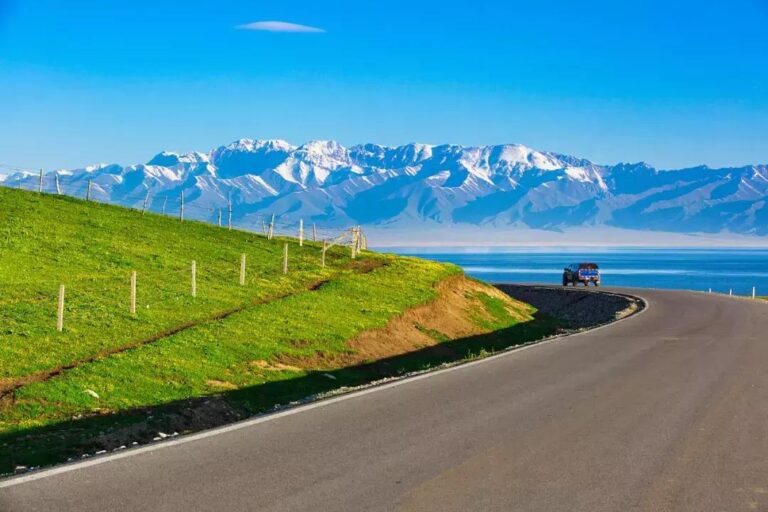
Everything starts at the 204 km marker on the Karakoram Highway, which is why the turnoff is known by that number rather than a name. From Kashgar you run south on the G314 through Upal and down the Gese gorge, past the white dunes at Bulunkou, then climb back to the mirror surface of Karakul. Three to four hours to the lake if you stop, and you should stop.
The side track to base camp is 8 km of gravel and loose rock that eats a hired sedan. We used a lifted diesel pickup and still lost an hour to a repair at the second stream crossing. A high-clearance four-wheel drive with real ground clearance is the honest answer. Fuel in Kashgar before you leave; there is no dependable pump at the turn.
The corridor sits in a border zone, and the paperwork differs from the ordinary scenic ticket. The full picture is in our guide to permits in Xinjiang, and the drive in more depth at Karakoram Highway.
Base Camp at 4,400 Metres: Four Days of Weather Notes
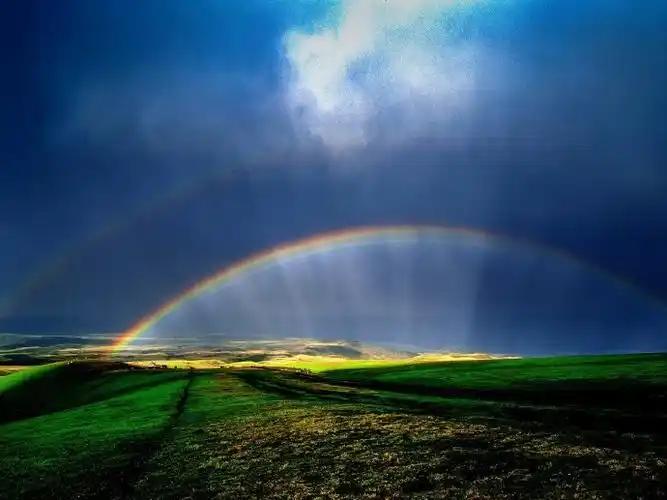
We stayed four nights in August 2026 and the pattern repeated with boring accuracy. Wind died near nine in the morning, light filled the valley by ten, cloud climbed the west ridge by one, and by four the massif had gone. Two of four full days went to reading and walking the moraine in circles.
The rhythm is what matters, not the total. Arrive from Kashgar at 1,290 m and drive straight to 4,400 m and you will feel altitude two days regardless of the guidebook. We sleep low the first night, usually at the Karakul yurts, then move up. That habit fixed more than any supplement.
The glacier edge is a twenty-minute walk from the last tents and is the part most people come for. The ice is old, blue in the crevasses, and drops straight onto loose scree. No ropes needed to reach the snout. Boots with real soles and a windproof layer are needed, because the wind off the ice finds every gap in a soft jacket.
Route, gear and agency questions are answered in our Muztagh Ata and K2 trekking guide. This page adds the calendar underneath all of that.
Where We Slept While the Window Was Open
At base camp you get one of three things: a bunk in the association mess tent, a place in a four-person team tent, or your own tent on the flat ground above the cook tent. None of it is comfortable and the ground freezes at the edges even in August. Bring a proper mat, not the thin foam sheet that comes with most hire setups.
Not climbing? Sleep low and day-trip the base. The Kyrgyz yurts at Karakul hold perhaps forty beds in summer and the families running them cook for guests. We paid roughly 150 to 300 yuan a head for a yurt night with dinner and breakfast in 2026, and the value was in the heating. One large neighbouring massif that almost nobody climbs gets its own write up at Kongur Tagh.
Food on the Hill: What the Kitchens Could Actually Cook
The cook tent runs a short list: boiled noodles with a meat or tomato base, fried potatoes, tinned fish, tea, and occasionally mutton carried up that morning. Nothing is fresh in the ordinary sense. Aim your expectations there and you eat well.
Down at Karakul it improves at once. Yurt kitchens do a lamb soup with hand-pulled noodles that is worth the altitude, and the plateau salt tea arrives in a bowl rather than a cup. Back in Kashgar before or after, the range is enormous and the night market near Jiefang Road does kebab, lagman and pilaf at prices that make the plateau meals look expensive.
From October to May: The Cold Half
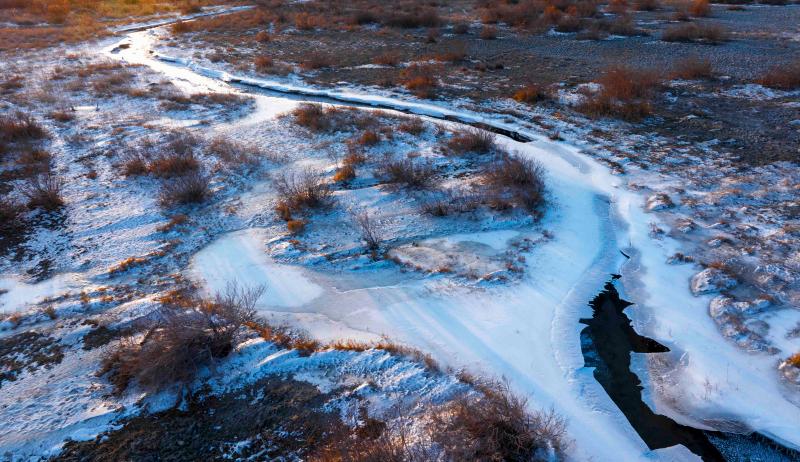
After closing the base camp empties. You can still drive to within a few kilometres if the seasonal snow allows, and stand on the Karakul shore with the whole north face reflected in a windless morning, which is the best the mountain ever looks. What you cannot do is walk onto the snout safely. The moraine tracks are unmarked, the ice is thinner at the edges, and nobody is around to come looking.
The G314 down to Tashkurgan stays open in winter more often than not, though the high passes close for a day or two after a storm. Ask at the last settlement before you commit. Winter here is severe and January afternoons at Karakul sit well below minus twenty, so go for the lake and the road, not the climbing.
What the Season Costs in Cash, Oxygen and Days
The scenic ticket to the glacier park costs around 43 yuan for adults, with concessions near half that. Climbing permits, park fees, association registration and porter costs sit in a different bracket and move with team size. Ask any agency for a written per-person quote before you put down a deposit.
Two practical notes. Carry your own oxygen canister if you drive to base and return the same day, since the camp sells them at a premium and sometimes runs out. And budget four days minimum from Kashgar if you intend to climb, because three means sleeping at altitude before you have adapted, and the day you summit is the day altitude decides for you.
A Four-Day Kashgar Window We Would Repeat
Day one. Rest at 1,290 m. Old town in the afternoon, kebabs at the night market.
Day two. Pickup at six. G314 to Karakul, three to four hours with stops at the sand lakes. Walk the shore, shoot the north face in late light, sleep in a yurt at 3,600 m.
Day three. Early up the 8 km track to base. Glacier snout walk in the morning wind lull, four hours on the moraine, down to the yurts tired.
Day four. On to Tashkurgan if the permits are in hand, or back to Kashgar with the Gese gorge in afternoon light.
Frequently Asked Questions
Can I climb Muztagh Ata without joining a registered team?
No. Every ascent party registers with the Xinjiang Mountaineering Association and the base staff check the roster daily. Solo attempts are not accepted.
When does the road to base camp open?
Usually from the second half of May. A late snowfall can push that back by ten days, so confirm with your agency in the week before you travel.
Is the 7,546 m figure correct?
It is the figure from Chinese surveying and the one on the official signage. Other sources quote 7,541 m or 7,509 m from different campaigns. The gap is academic.
Can a non-climber visit in July?
Yes, and plenty do. The snout walk needs no technical gear, only boots and a windproof shell.
Disclaimer
Prices, opening dates and road conditions on the Pamir change with the season and with decisions made by the mountaineering association and county authorities. Nothing here is a guaranteed schedule. Confirm costs and access with a registered agency before you book flights. Altitude affects every visitor differently; if you have a cardiac or respiratory condition, speak to a doctor before planning any stay above 4,000 m.
About the Author
The Xinjiang Attractions editorial team has driven the Karakoram Highway from Kashgar to the Khunjerab Pass since 2019 and has now taken the Muztagh Ata access road in five different months. This page reflects notes from the 2026 climbing season plus one late-October recheck.