Published: July 22, 2026 | Author: Hannah Cole
Most packing advice for Xinjiang treats the whole region as if it has one climate. It does not. The Xinjiang dress code question lands in my inbox almost every week, and the honest answer is that what you wear in a Turpan summer has little in common with a January dawn on the Pamir. I have now made eight trips into the region between 2018 and 2025, and I got it wrong on the first two: I reached Karakul Lake in October in a coat that was fine for Urumqi but useless once the wind started. This guide comes from those mistakes and from conversations with locals who actually live with the weather, not from a generic checklist.
The short version: dress in layers, show respect at religious sites, and do not assume a heated hotel means you can travel light. Below is a season-by-season breakdown, a packing checklist you can screenshot, and notes on buying clothing once you are there.
Quick Reference: What to Wear by Season
| Season | Base layer | Outer layer | Footwear | Do not forget |
|---|---|---|---|---|
| Spring (Apr–May) | Long-sleeve tee + light fleece | Windbreaker | Closed walking shoes | Dust mask, sunglasses |
| Summer (Jun–Aug) | Breathable cotton tee | Nothing, or a sun shirt | Ventilated shoes | Wide hat, SPF 50, 2 L water |
| Autumn (Sep–Oct) | Tee + mid-weight fleece | Down or insulated jacket | Hiking shoes | Gloves for altitude |
| Winter (Nov–Mar) | Thermal set | Parka rated to −20°C | Snow boots | Hand warmers, balaclava |
The table is only a starting point. The part that surprises newcomers is the daily swing: I have watched the temperature move 18°C between a 9 a.m. departure from Tekes and a 2 p.m. stop in the grasslands. That is why a packable down jacket earns its place even in July.
My Wake-Up Call at Karakul Lake
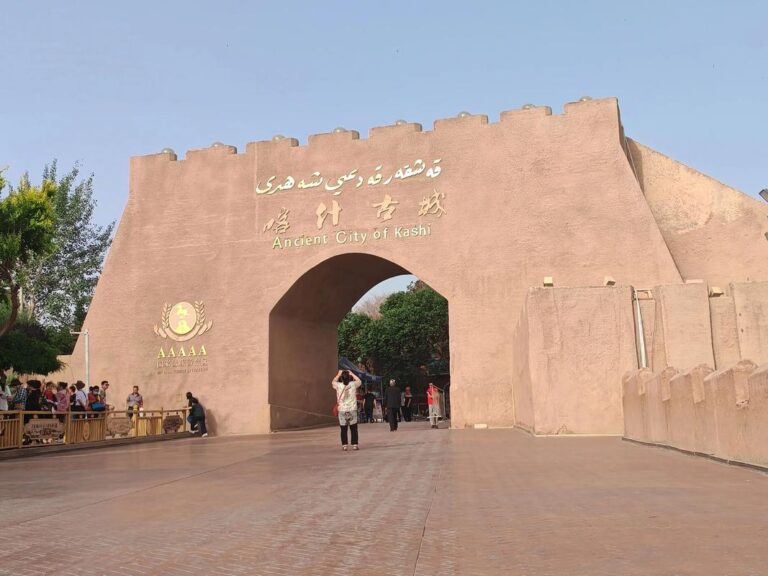
I will not pretend I learned this from a book. On my second trip, in October 2018, I flew to Kashgar and hired a car up the Karakoram Highway toward Tashkurgan. The plan was two nights at Karakul Lake, which sits at about 3,600 metres. I packed for “coldish autumn” and nothing more. The first evening the wind came off the glacier and went straight through my jacket; the guesthouse heating was a single radiator that gave up by midnight. The next morning a Kyrgyz woman at the lakeside yurt sold me a heavy wool keylak (a felt cloak) for the equivalent of a few dollars. I wore it every hour until I left. That cloak is still in my closet, and it is the reason this article exists.
What I took from that night: at altitude in Xinjiang, the clothing that matters is the layer next to your skin and the windproof shell on top. Cotton jeans that soak up sweat will chill you faster than almost anything else. I now travel with a merino base layer and a hard-shell jacket, and I have not been cold since.
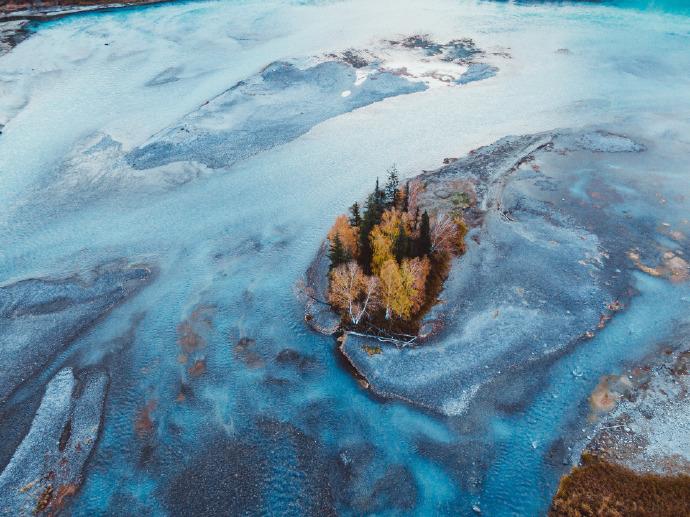
Season-by-Season: What to Wear in Xinjiang
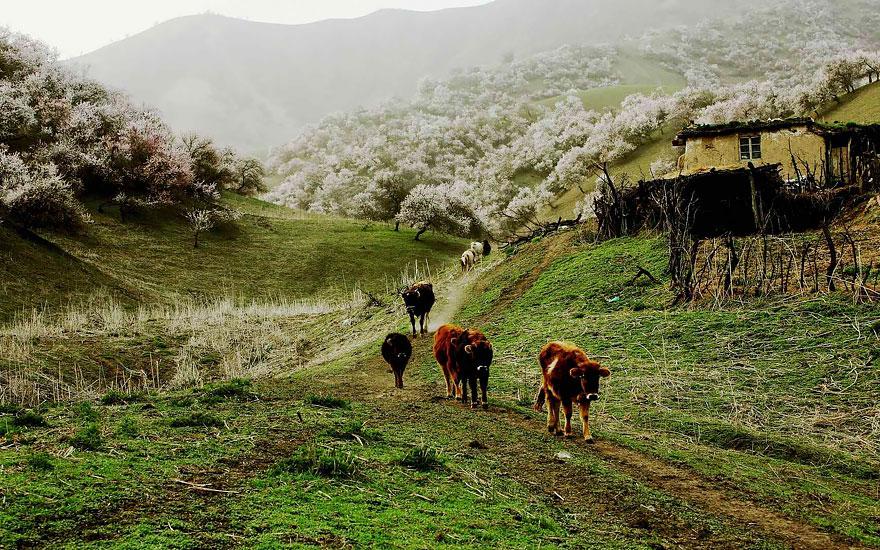
Spring arrives late and leaves fast. In April the Ili apricot blossoms draw crowds, but the wind off the desert carries grit, and a dust mask is worth carrying. I wear a long-sleeve tee, a light fleece, and a windbreaker I can stuff in a daypack. Closed shoes matter because the meltwater makes paths muddy.
Summer is the season that fools people. Northern grassland towns like Nalati stay mild, but Turpan and the Tarim Basin cook. In July 2023 I recorded 46°C at the Flaming Mountains, and my linen shirt was the only thing that kept me moving. The real hazard is not heat, it is sun: the UV at this latitude burned the tops of my ears in an afternoon. A wide-brim hat and SPF 50 are not optional. If you want the full picture of monthly conditions before you choose, our Xinjiang weather by month guide breaks it down day by day.
Autumn is the favourite for most travellers, and the easiest to pack for if you respect the drop. Septembers in Kanas are golden and cool; by late October the same spot freezes overnight. A tee, a mid fleece, and a down jacket cover the whole range. Bring gloves if you go above 2,500 metres, because the wind at Bayanbulak in October is no joke.
Winter is a different sport. Altay ski towns and the Pamir both sit well below zero for months. I wear a thermal top and bottom, a fleece, and a parka rated to at least −20°C, plus snow boots with real grip. Hand warmers and a balaclava turned a January trip to Hemu from miserable to manageable. Roads close without warning after snow, so pack as if you might be stuck an extra day.
Dress Code for Mosques and Mausoleums
Xinjiang is home to large Muslim communities, and the etiquette at religious sites is part of the dress code whether or not you share the faith. At the Id Kah Mosque in Kashgar, visitors are asked to cover shoulders and knees, and women are often offered a scarf at the entrance. I keep a large square scarf in my bag for exactly this; it works as a head cover, a shoulder cover, or a shade from the sun. Remove shoes where indicated, and step around anyone at prayer rather than in front of them. These are local customs, not tourist rules, and following them costs you nothing.
The same logic applies at mausoleums like Apak Khoja and at any active mosque in the south. Skirts and shorts are better left for the grasslands. A pair of loose trousers and a top with sleeves will take you through every site without a second thought.
Buying Local Clothing at the Bazaar
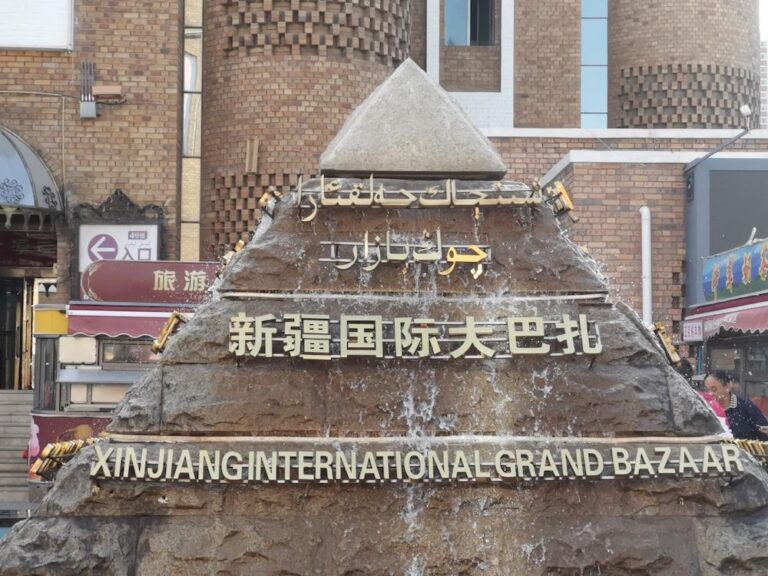
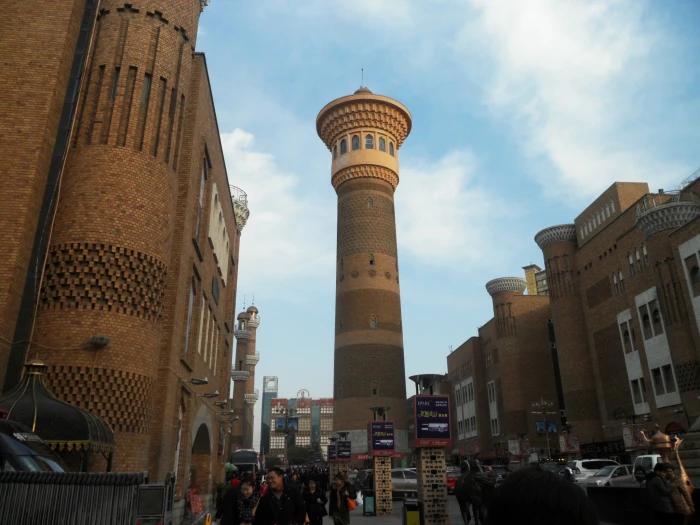
One of the genuine pleasures of dressing for Xinjiang is that you can buy the right gear on the ground, often for less than you would pay at home. The Urumqi International Bazaar sells doppa (the embroidered Uyghur skullcap) from around 25 yuan, and I still wear the one I bought there in 2019. Atlas silk, the iridescent woven cloth, turns up as scarves, dresses, and yard lengths in both Urumqi and Kashgar; a real piece is heavy and the pattern shifts colour as you move it. Wool socks, felt boots, and thick coats appear in winter stalls and are honestly warmer than many imported brands.
A small warning from experience: the cheap “leather” jackets in some tourist stalls are coated fabric that cracks in the cold. Feel the weight, check the stitching, and buy from a stall the locals are using. The bazaar is also where I found my best sun hat, a stiff-brimmed straw thing that has outlasted three trips.
Practical Tips: Laundry, UV, and Long Rides
A few things that are not obvious until you are there. First, laundry: many smaller hotels and guesthouses do not have dryers, and in winter nothing dries. I pack enough underwear and merino for a week and wash the rest as I go. Merino dries overnight on a radiator and does not smell, which is why I favour it over cotton for a long trip.
Second, the sun. The altitude sickness guide on this site covers the health side, but from a clothing view the lesson is simple: at 3,000 metres the UV will mark you through a thin shirt. Long sleeves and a hat protect more than sunscreen alone. I carry a small tube and reapply, but the cloth does the real work.
Third, transport. The high-speed rail between Urumqi and Turpan is fierce with air conditioning even in August; I have worn a fleece on a train while it was 40°C outside. Long bus and car days across the region mean sitting for hours, so I wear shoes I can slip off and trousers with a bit of give. Layers you can add and drop without fuss are the whole game.
Sample Packing Checklist
Screenshot this before you zip the bag:
- 2 merino or synthetic base layers (top and bottom)
- 1 mid-weight fleece
- 1 packable down or insulated jacket
- 1 hard-shell windproof jacket
- 3–4 breathable tees (long-sleeve at least one)
- 1 pair loose trousers for religious sites
- 1 pair hiking or walking shoes with grip
- Wide-brim hat, sunglasses, SPF 50
- Large square scarf (sun and mosque use)
- thermal socks, gloves, balaclava in winter
- Small daypack for the layer you shed
Frequently Asked Questions
Do I need to cover my head as a woman in Xinjiang?
Not in daily life or on the street. Head covering is expected only inside active mosques and mausoleums, where a scarf is usually offered at the door.
Is there a strict Xinjiang dress code for tourists?
No formal law for visitors. The practical rules are about the climate and about respect at religious sites. Dress modestly at mosques and pack for big temperature swings everywhere else.
Can I buy warm clothing there instead of bringing it?
Yes. Bazaars in Urumqi and Kashgar stock wool coats, felt boots, and hats at fair prices. For winter trips I still bring a proper parka from home and top up with local layers.
What shoes work best?
A single pair of comfortable walking or hiking shoes with good grip covers most trips. Add snow boots only if you are travelling north in deep winter.
Will my normal summer clothes be enough in July?
In the north, mostly yes with sun protection. In Turpan and the Tarim Basin, light linen and a hat are essential, and you will still want a fleece for freezing train cars.
Disclaimer
This article is based on the author’s personal travel experience in Xinjiang between 2018 and 2025 and on publicly available guidance from local tourism offices and religious-site staff. Weather, opening rules, and product availability change, and conditions on the Pamir and in winter can shift quickly. Always check current forecasts and site-specific dress guidance before you travel, and confirm border and permit rules separately. Nothing here is medical or legal advice; consult official sources for health and entry requirements.
About the author
Hannah Cole is a travel writer and photographer who has spent eight seasons in Xinjiang, from Turpan summers to Altay winters. She writes practical, first-hand guides for Xinjiang Attractions and has contributed to several China travel publications. She still travels with the wool keylak she bought at Karakul Lake.