Published: August 06, 2026 | Author: Zhang Yun (张昀), eastern Xinjiang road-trip writer
Barkol Grassland sits at roughly 1,650 metres on the northern side of the Eastern Tianshan, in Barkol Kazakh Autonomous County, about two hours by road from Hami. It is the second largest grassland in Xinjiang after Bayanbulak, and it is also the one foreign visitors are least likely to have heard of.
I have driven up from Hami four times since 2019: twice in July, once in late September, once in January when the county thermometer outside the bus station read minus 27. This guide is written from those trips, not from a brochure. Where I am working from published figures rather than my own eyes, I say so.
Why you can trust this: prices, opening hours and bus times below are what I paid or recorded on site, cross-checked against the county government’s tourism pages. Anything that changes often, such as bus frequency, is flagged as something to confirm on the day.
Quick reference: Barkol Grassland and Barkol Lake
| Item | Detail |
|---|---|
| Location | Barkol Kazakh Autonomous County, Hami Prefecture, eastern Xinjiang |
| Grassland elevation | about 1,650 m |
| Barkol Lake elevation | about 1,585 m, roughly 18 km northwest of the county town |
| Entry | Grassland, lake, old town and Gaojia Lake wetland free; Guaishi Shan about 10 yuan; Mingsha Shan about 20 yuan |
| From Hami | about 130 km, 2 hours by car via G575 and G335; bus about 37 yuan |
| Best window | mid-June to late August for green pasture; late September for gold |
| Time needed | 2 days minimum, 3 if you want the wetland at dawn |
Crossing the Eastern Tianshan: the drive that changes the weather
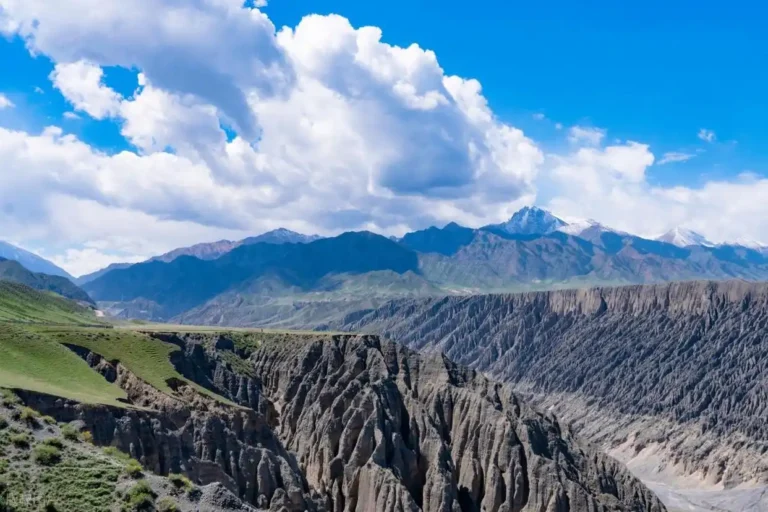
Almost everyone arrives through Hami, the prefecture city on the desert side of the range. Hami is hot, dry and low. Barkol is neither. The road climbs the Eastern Tianshan on the G575 expressway, runs through a tunnel of about 21 kilometres under the crest, and drops you onto the G335 on the grassland side. The temperature difference across that tunnel has reached twelve degrees on days I have driven it, and the sky changes from desert haze to hard blue.
If you are coming from further afield, the practical route is rail to Hami, then road, and our Xinjiang high-speed rail guide covers booking and station logistics. From Hami bus station there are departures to Barkol town through the day in summer, priced around 37 yuan when I last bought a ticket, taking about two hours. Frequency thins out sharply in winter, so confirm the same morning.
Self-driving is better here than in most of Xinjiang. The surface is good the whole way and the county is compact enough that you can base yourself in town and reach every site inside forty minutes.
What the grassland is actually like, month by month
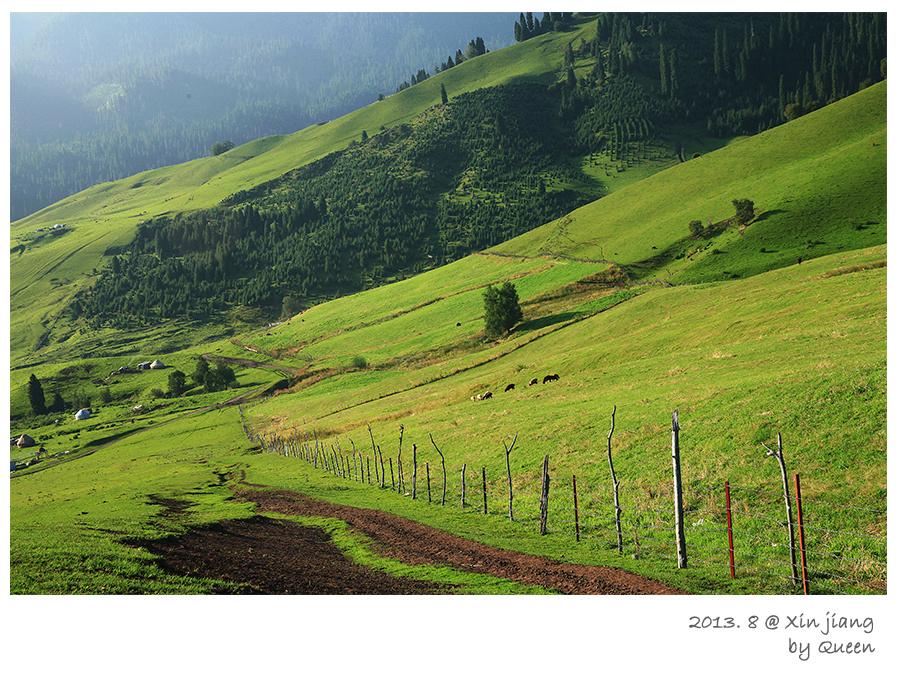
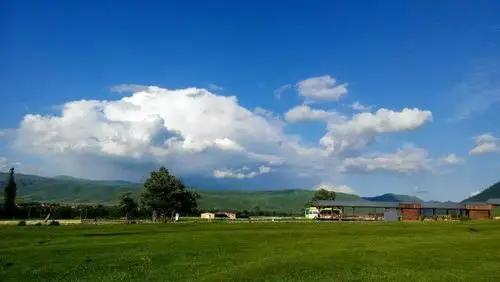
June is still patchy. The green comes in unevenly and there are bare brown stretches near the road. By the first week of July the pasture has closed over and the wildflowers are out, and daytime temperatures sit in the low twenties. That postcard version lasts roughly six weeks.
Late August is when the herders’ camps are most active and when the grass starts to go pale at the edges. My favourite trip was the third week of September: the pasture had turned a dull gold, the crowds such as they are had gone, and the light stayed usable much later in the afternoon. October is a gamble. The first snow can arrive before the month ends.
One honest caveat. If you have already seen Nalati or the Ili valley pastures, Barkol will read as flatter and drier. It is a steppe rather than an alpine meadow. What it offers instead is scale, emptiness and the combination of grass, salt lake and snowline in one field of view.
Barkol Lake: salt, birds and one navigation trap
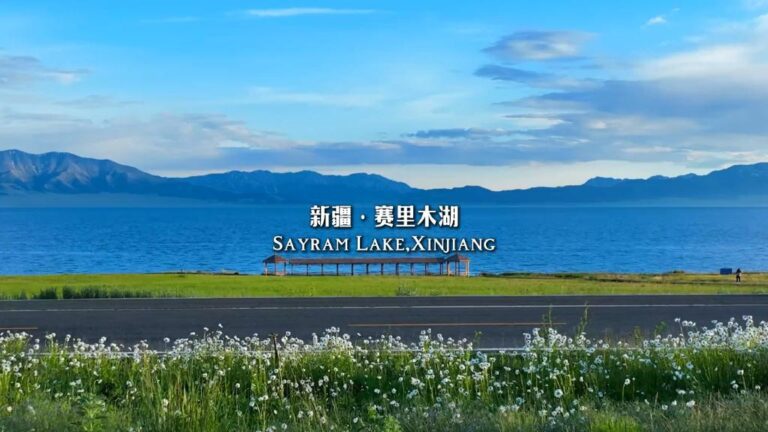
The lake is saline and shallow, and the shoreline moves with the season, so the map outline and the actual water edge rarely match. In high summer the margins dry to a white salt crust that photographs strangely well against the blue. Reeds fringe much of the northern shore and the bird activity is real, particularly during spring and autumn passage.
Here is the mistake to avoid. If you type the lake name into a navigation app, there is a good chance you will be routed towards the industrial side where the salt is worked, and you will end up at a gate you cannot pass. Local advice, which matched my second attempt, is to navigate to the scenic entrance known as the Swan Gate. I lost about fifty minutes learning this the hard way on my first visit.
Entry to the lake area was free when I went, with the scenic zone operating on daytime hours rather than round the clock. Mosquitoes near the reeds in July are aggressive at dusk, exactly when you want the light. Bring repellent or you will not last the golden hour.
The Qing garrison town most visitors drive straight past
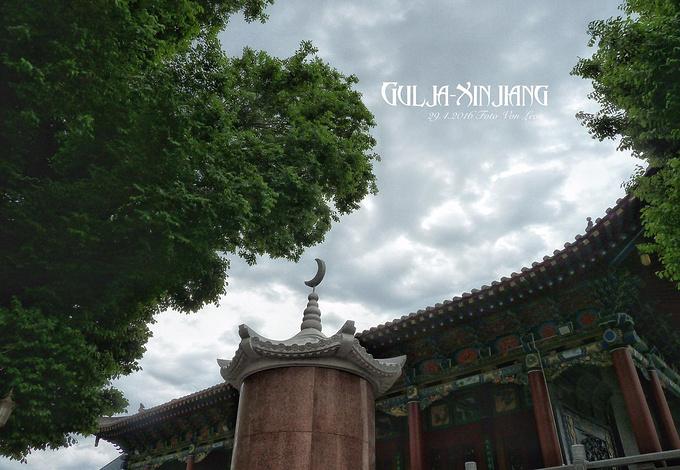
Barkol was a frontier military seat, and the old town dates from the Yongzheng reign in the late 1720s. What survives is unusual: a complex of Qing-era granaries, described locally as the largest of their kind in Xinjiang, plus the Dizang Temple and Xiangu Temple grouping, where Buddhist and Daoist buildings sit side by side.
The site is free and quiet. I had the granary courtyard entirely to myself on a Tuesday morning in July. Interpretation is mostly in Chinese, so a translation app earns its keep. Budget ninety minutes. It is the part of Barkol I would keep if I had to cut something, because the grassland exists elsewhere in Xinjiang and this does not.
Sleeping in town or sleeping in a yurt
Barkol town has ordinary but adequate hotels, generally in the 200 to 500 yuan range in summer. That is where I have stayed on three of four trips, mainly because the county’s restaurants are in town and the driving is easier from there.
The alternative is a yurt on the pasture, which ran around 200 to 300 yuan a night when I asked in 2023. It is worth doing once, provided you expect shared washing facilities and a stove instead of heating. Our Kazakh homestay guide covers the etiquette, which is worth reading first. Remove your shoes, never step on the cloth food is served on, and ask before you photograph anyone.
Book ahead for July and August; the county is small and the good beds go early.
Mutton menbing, and why we ordered wrong the first time
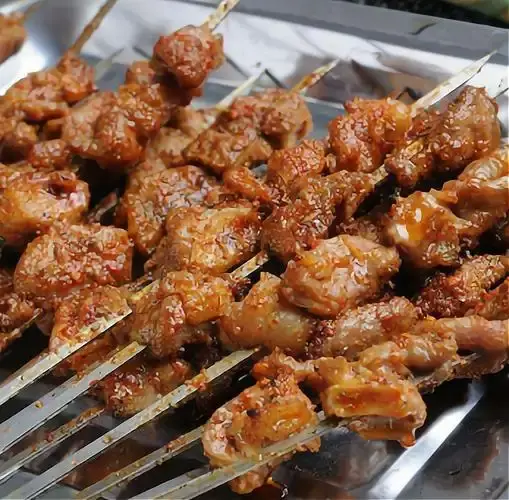
The dish Barkol is known for is mutton menbing: bone-in mutton braised down, then thin discs of dough laid over the pot to steam in the broth until they soak it up. A standard portion is built for two or three people and can weigh over a kilogram. We ordered one each on the first night. We finished neither, and I have felt guilty about it since.
Beyond that, the local table runs to samsa baked in a tandoor, a hotpot-style clay pot dish, dried yoghurt curds sold by weight, and a wild mushroom noodle soup that is better than it sounds after a cold day outside. Kazakh milk tea is served salted, and it grows on you around day two.
What we actually spent
Two people, two nights, September 2023, excluding the cost of reaching Hami: hotel 380 yuan a night, dinner for two around 90 to 130 yuan, horse riding on the pasture 50 yuan an hour, Guaishi Shan entry 10 yuan each, fuel from Hami and back roughly 200 yuan. Call it 1,400 yuan for the two of us over two nights.
Carry cash. Mobile payment works in town, but I have twice hit stalls and small guesthouses on the pasture where it did not, and there is no ATM once you leave the county seat. Our Xinjiang money and payments guide goes into what actually works for foreign cards.
Photographing Barkol without wasting the light
The grassland is flat, which means midday here is close to useless. Everything worth shooting happens in the last ninety minutes of the day, when the low sun picks out the texture of the pasture and separates the snowline from the sky. Guaishi Shan is the one place you can gain height cheaply, and the view from the top takes in both lake and grassland, so it is the obvious sunset position.
For the lake, the salt crust reads as pure white and will fool your meter. I underexposed by about two thirds of a stop and recovered from there. A polariser helps with the water but turn it back from full, because at this elevation a full turn darkens the sky to something that looks wrong. Gaojia Lake wetland at dawn, with mist over the water and the ridge behind, is the single best shot I have taken in the county.
Winter here is a different trip
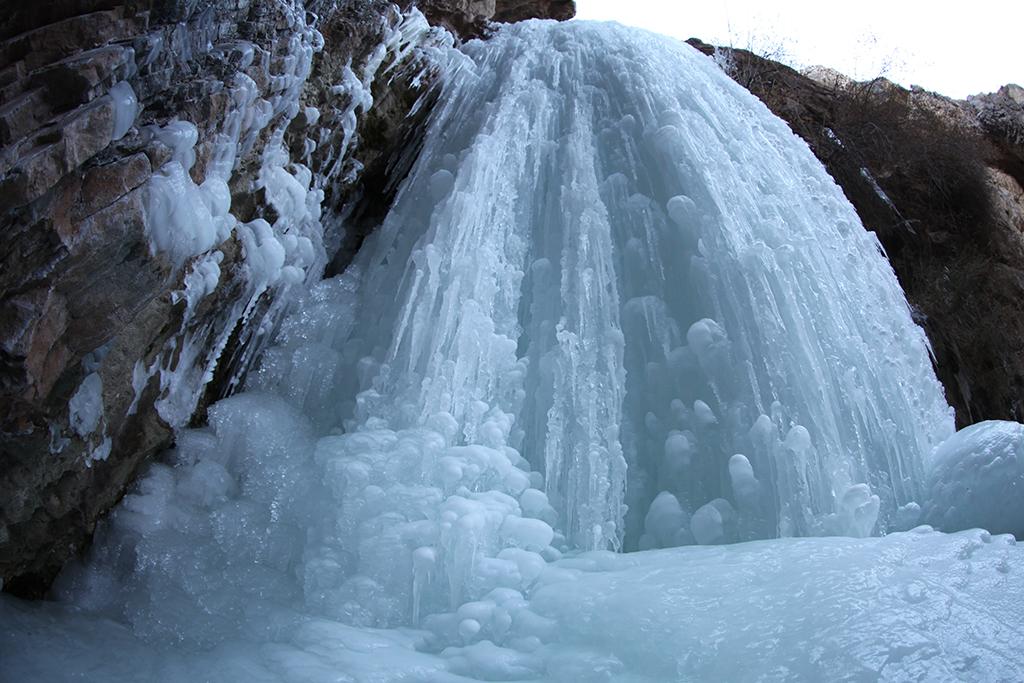
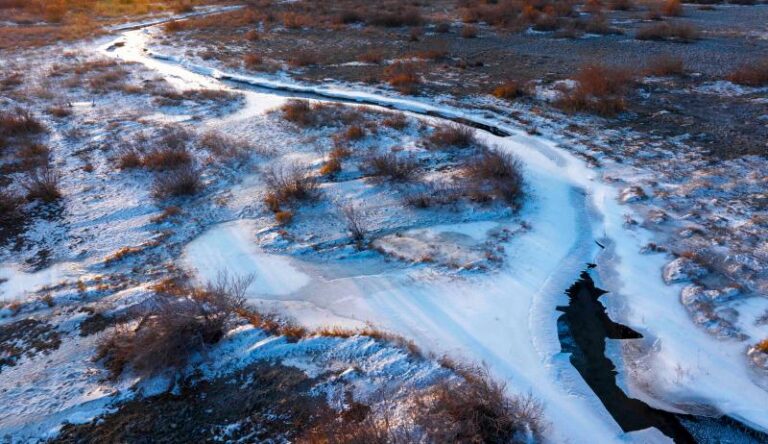
Barkol is one of the colder inhabited places in eastern Xinjiang. In January the lake freezes hard, the pasture is under snow, and the county runs ice and snow activities aimed mostly at domestic visitors. I found it beautiful and difficult. Several guesthouses were shut, the bus schedule had thinned, and daylight for driving mountain roads was short.
If you go in winter, do it with your own vehicle and winter tyres, keep the tank above half, and treat the tunnel crossing as the point where conditions change without warning. It is not a first-visit season.
Two mistakes we made
The first was timing the tunnel badly. I once left Hami at four in the afternoon in September, arrived on the grassland side after sunset, and drove the last fifty kilometres of G335 in the dark with livestock on the verges. Cattle and sheep do not reliably move for headlights. Leave Hami in the morning.
The second was assuming one full day was enough. It is not. One day gets you the lake and a drive across the pasture, and you will miss the old town, the wetland at dawn, and any chance of good light twice. Two nights is the honest minimum.
A two-day plan we would repeat
Day one: leave Hami around nine, cross the tunnel, reach Barkol town before lunch. Eat menbing. Spend the early afternoon at the Qing granaries and temple complex, then drive out to the lake for late light via the Swan Gate entrance. Back to town for the night.
Day two: out to Gaojia Lake wetland before sunrise, back for breakfast, then the pasture and a horse ride mid-morning while it is still cool. Climb Guaishi Shan in the afternoon for the overview, and either stay a second night or start back over the mountain with two hours of daylight in hand.
FAQ
How many days do I need for Barkol Grassland?
Two days and one night covers the lake, the old town and a stretch of pasture without rushing. Three days lets you add the wetland at dawn and a second sunset, which is when the place is at its best.
Can I visit Barkol without a car?
You can reach the county town by bus from Hami, and hire a local car or taxi from there for around 50 to 100 yuan per trip to the main sites. There is no shuttle system linking the attractions, so plan on chartering rather than walking between them.
Is Barkol worth it if I have already seen Nalati or Bayanbulak?
Only if you want something different rather than something better. Barkol is drier, flatter and far emptier, and its draw is the mix of steppe, salt lake and Qing frontier history rather than alpine meadow scenery.
Disclaimer
Figures here reflect my own visits between 2019 and 2023 plus published county tourism information. Prices, bus frequencies, opening hours and access arrangements in remote Xinjiang change without much notice, and winter closures are common. Confirm the details that matter to your plan before you travel, and follow any instructions given by staff or officials on site.
About the Author
Zhang Yun (张昀)
Road-trip writer based in eastern Xinjiang, covering Hami, Barkol, Mulei and the Eastern Tianshan corridor since 2018. Four visits to Barkol across three seasons. No commercial relationship with any hotel, tour operator or scenic area mentioned here.